Researchers at the University of Pennsylvania School of Engineering and Applied Science, the Perelman School of Medicine, and the Children’s Hospital of Philadelphia have announced the development of a sophisticated "bone marrow-on-a-chip," a bioengineered platform that replicates the complex environment of human bone marrow to an unprecedented degree. This technological breakthrough, detailed in the journal Cell Stem Cell, provides a vital new tool for studying hematopoiesis—the process by which the body produces blood cells—and offers a transformative approach to testing the toxicity of cancer treatments, modeling immune responses to infection, and preparing for the physiological challenges of long-duration space travel.
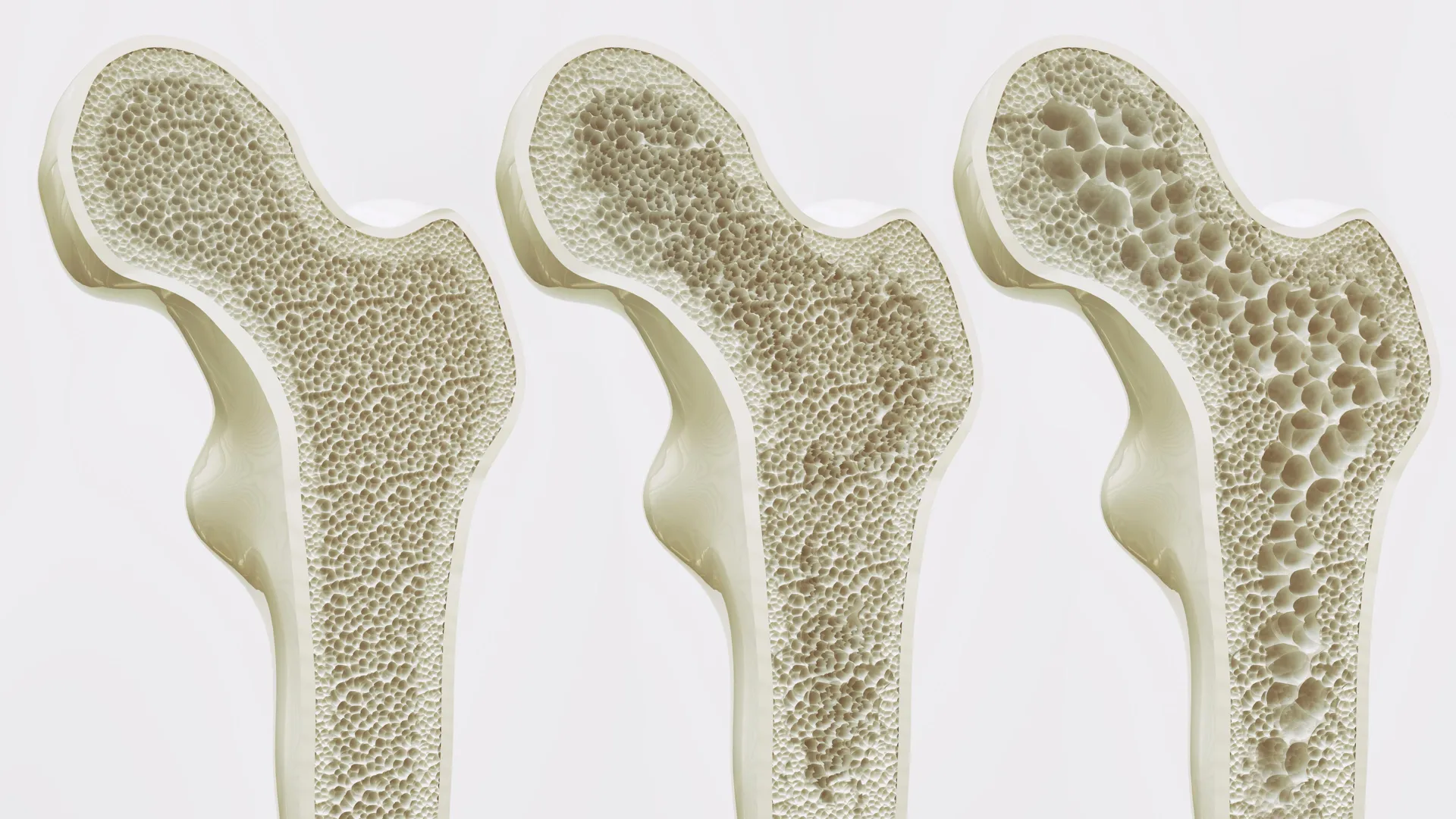
The bone marrow is one of the most complex and biologically active tissues in the human body. Located within the cavities of bones, it serves as the primary site for the production of red blood cells, which transport oxygen; white blood cells, which form the backbone of the immune system; and platelets, which are essential for blood clotting. In a healthy adult, the marrow produces billions of new cells every day to replace those that have reached the end of their lifespan. However, this high rate of turnover makes the marrow exceptionally sensitive to external stressors, particularly the cytotoxic effects of chemotherapy and ionizing radiation used in cancer treatment. When the marrow is damaged, patients often suffer from neutropenia—a dangerous drop in white blood cell counts—leaving them highly susceptible to life-threatening infections.
Replicating the Biological Black Box
For decades, the study of human bone marrow has been hampered by the tissue’s anatomical inaccessibility and its unique biological intricacies. While animal models, particularly mice, have been used extensively in hematology research, they often fail to accurately predict human responses due to fundamental differences in the hematopoietic niche and immune signaling pathways. The new platform developed by the Penn and CHOP team addresses these limitations by creating a purely human-based environment that mimics the marrow’s native architecture.
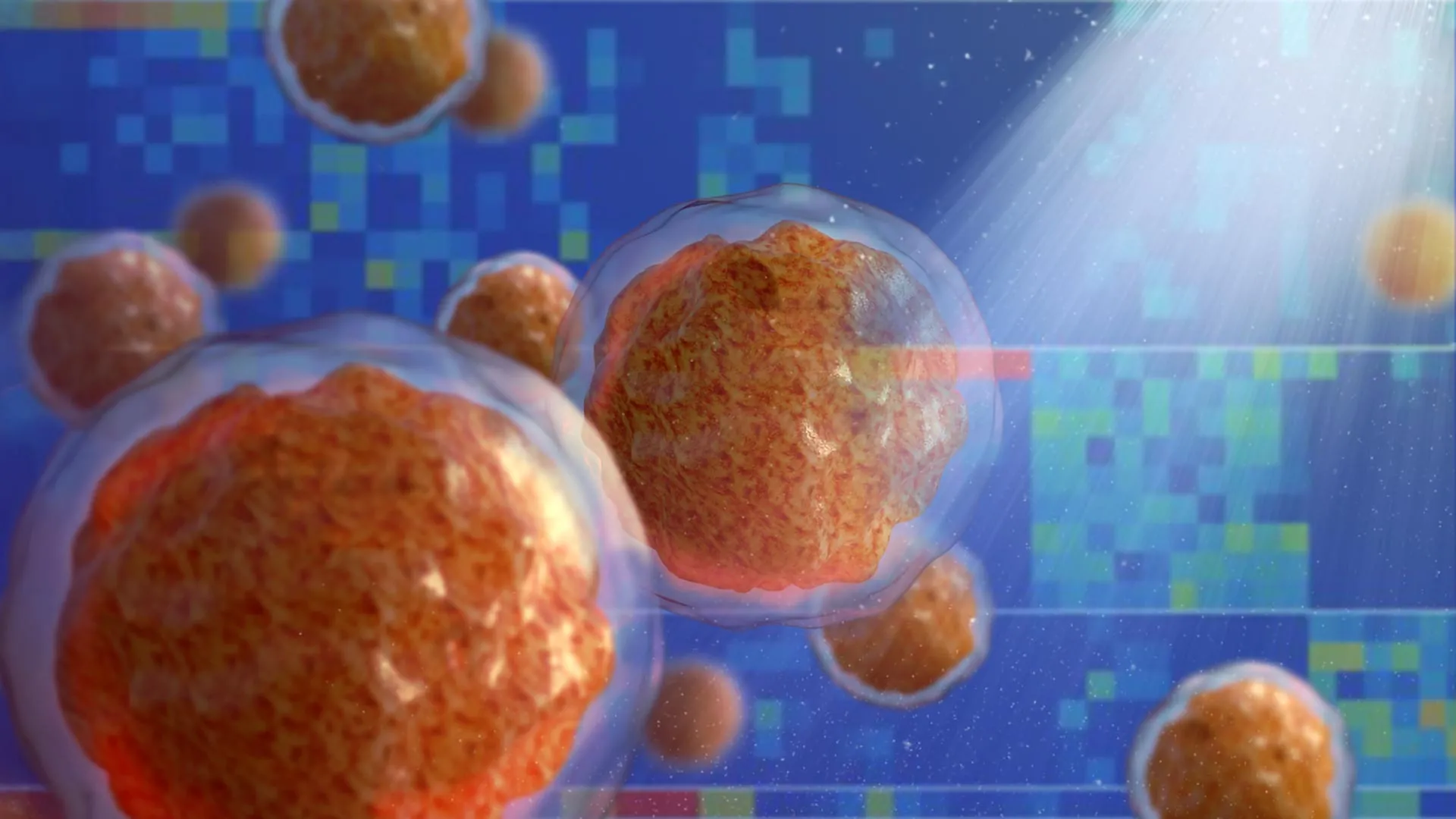
The device itself is a small plastic chip containing engineered micro-chambers. Unlike previous attempts to model marrow, which often involved simply layering cells on a flat surface, this platform utilizes a specialized hydrogel to provide a three-dimensional scaffold. Into this scaffold, the researchers introduced human hematopoietic stem cells (HSCs), mesenchymal cells (which form connective tissue), and endothelial cells (which form blood vessel walls).
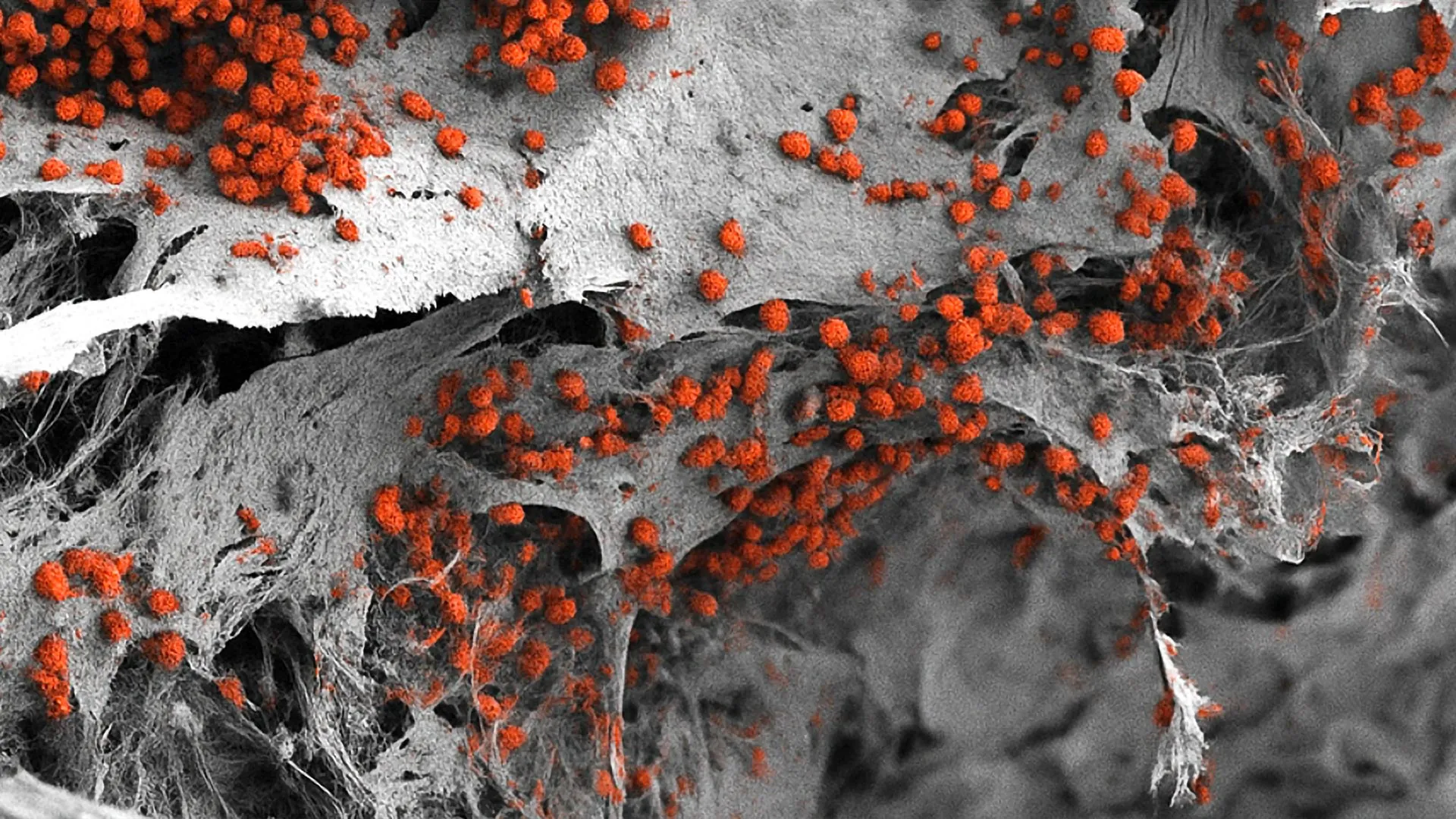
The critical innovation lies in the team’s decision to mimic the developmental stages of the human embryo. In the womb, bone marrow does not simply appear; it self-organizes through a series of overlapping biological signals. By creating the "right" environmental conditions within the chip, the researchers allowed the various cell types to self-assemble into complex, realistic tissues. This self-organization resulted in the formation of stem cell colonies within a dense network of engineered capillary blood vessels, allowing functional blood cells to be generated and then released into a flowing culture medium, much as they would enter the human bloodstream.
A Decadelong Journey from Earth to Orbit
The origins of this project date back nearly ten years and were initially driven by concerns regarding the health of astronauts. Dr. Dan Huh, a Professor in Bioengineering at Penn Engineering, and Dr. G. Scott Worthen, a physician at CHOP and Professor Emeritus at PSOM, originally proposed the model as a way to study the immune system in the extreme conditions of outer space.
Evidence from previous missions had suggested that astronauts on prolonged deployments experienced increased rates of infection and changes in their immune profiles. The researchers hypothesized that microgravity and cosmic radiation might be interfering with the marrow’s ability to produce white blood cells. To test this, they planned to send their bone marrow-on-a-chip to the International Space Station (ISS) to compare its performance in microgravity against control models on Earth.
However, the path to the stars was fraught with technical and global challenges. During the first attempted launch, a short circuit in the cubelab system’s flow controller—the mechanism required to keep the engineered tissues alive—halted the experiment during ascent. A subsequent launch attempt was indefinitely postponed due to the onset of the COVID-19 pandemic.
While the space-based experiments were delayed, the setbacks allowed the team to focus on the platform’s terrestrial applications. The researchers realized that the sophistication of their model made it an ideal candidate for drug screening and disease modeling here on Earth. The project evolved from a specialized aerospace study into a broad medical platform with the potential to revolutionize how the pharmaceutical industry evaluates new drugs.
Simulating Systemic Immune Responses
One of the most significant demonstrations of the platform’s capability is its ability to model "crosstalk" between different organs. The human body does not function in isolation; when one organ is under attack, it sends signals to others to coordinate a defense. To demonstrate this, the researchers connected the bone marrow chip to a second device representing a bacteria-infected lung.
In this experiment, the team was able to observe the entire process of the innate immune response. When the lung chip was exposed to bacteria, it released biochemical signals that traveled through the connected microfluidic channels to the bone marrow chip. In response, the marrow chip rapidly increased the production and release of white blood cells. These cells then traveled through the engineered blood vessels back to the lung chip, where they began the process of "trafficking" into the infected airways to engulf and destroy the bacterial cells.
This represents the first time that bioengineered organ-on-a-chip models have successfully emulated such a complex, multi-organ immune interaction. This capability is crucial for understanding systemic inflammatory responses and could lead to better treatments for conditions like sepsis, where the communication between the marrow and other organs becomes dysregulated.
Implications for Oncology and Drug Development
The immediate impact of this technology is likely to be felt in the field of oncology. One of the primary hurdles in developing new anticancer drugs is "marrow toxicity." Many promising compounds are abandoned during clinical trials because they cause a collapse of the patient’s blood-production system.
By using the bone marrow-on-a-chip, pharmaceutical companies can perform high-throughput preclinical screening. Because the platform can be automated, researchers can test hundreds of different drug concentrations or combinations simultaneously on human tissue before a single human volunteer is ever exposed to the drug. This not only increases safety but also significantly reduces the time and cost associated with drug development.
Furthermore, the chip allows for the simulation of radiotherapy. Researchers can expose the chip to precise doses of radiation to study how the marrow’s support cells—the mesenchymal and endothelial cells—react and how their damage subsequently affects the survival of stem cells. This could lead to the development of "radioprotective" drugs that help cancer patients maintain their immune strength during treatment.
The Future of Stem Cell Therapy
Beyond drug testing, the platform holds immense promise for the field of regenerative medicine. Hematopoietic stem cell transplantation is a cornerstone of treatment for leukemia and other blood disorders, but it remains a high-risk and invasive procedure. One of the "holy grails" of cell therapy is the ability to expand a donor’s stem cells in a laboratory setting before transplantation.
Currently, stem cells isolated from donors are difficult to maintain outside the body; they often lose their "stemness" and differentiate into other cell types too quickly. The Penn and CHOP team found that their marrow chip provides an environment that can maintain these progenitor cells for extended periods. By understanding the specific environmental cues the chip provides, scientists may finally unlock the ability to grow large quantities of human stem cells in vitro, making transplants safer and more accessible to a wider range of patients.
Commercialization and Global Reach
To bring this technology to the wider medical community, Andrei Georgescu, a former doctoral student in Huh’s lab and a key contributor to the research, has co-founded a startup called Vivodyne. As CEO, Georgescu is focusing on the commercialization and automation of the organ-on-a-chip technology.
The goal is to move the platform from a specialized academic tool to a standardized industrial system. By integrating the marrow chip with advanced robotics and AI-driven data analysis, the team hopes to provide pharmaceutical companies with a "human-first" platform for drug discovery that could eventually phase out the need for many types of animal testing.
The study was a massive collaborative effort, supported by the National Institutes of Health, the National Science Foundation, the Paul G. Allen Foundation, and several international research organizations from South Korea and the United Kingdom. This global support underscores the widespread recognition of the need for more accurate human tissue models.
As the platform continues to evolve, the researchers have not forgotten its extraterrestrial origins. With NASA and private companies planning longer missions to the Moon and Mars, the bone marrow-on-a-chip may yet find its way into orbit. Understanding how the human immune system adapts to the rigors of space remains a critical requirement for the future of human exploration. Whether on Earth or in the stars, this bioengineered marrow provides a new window into the inner workings of human life, offering a powerful tool to protect and sustain it.