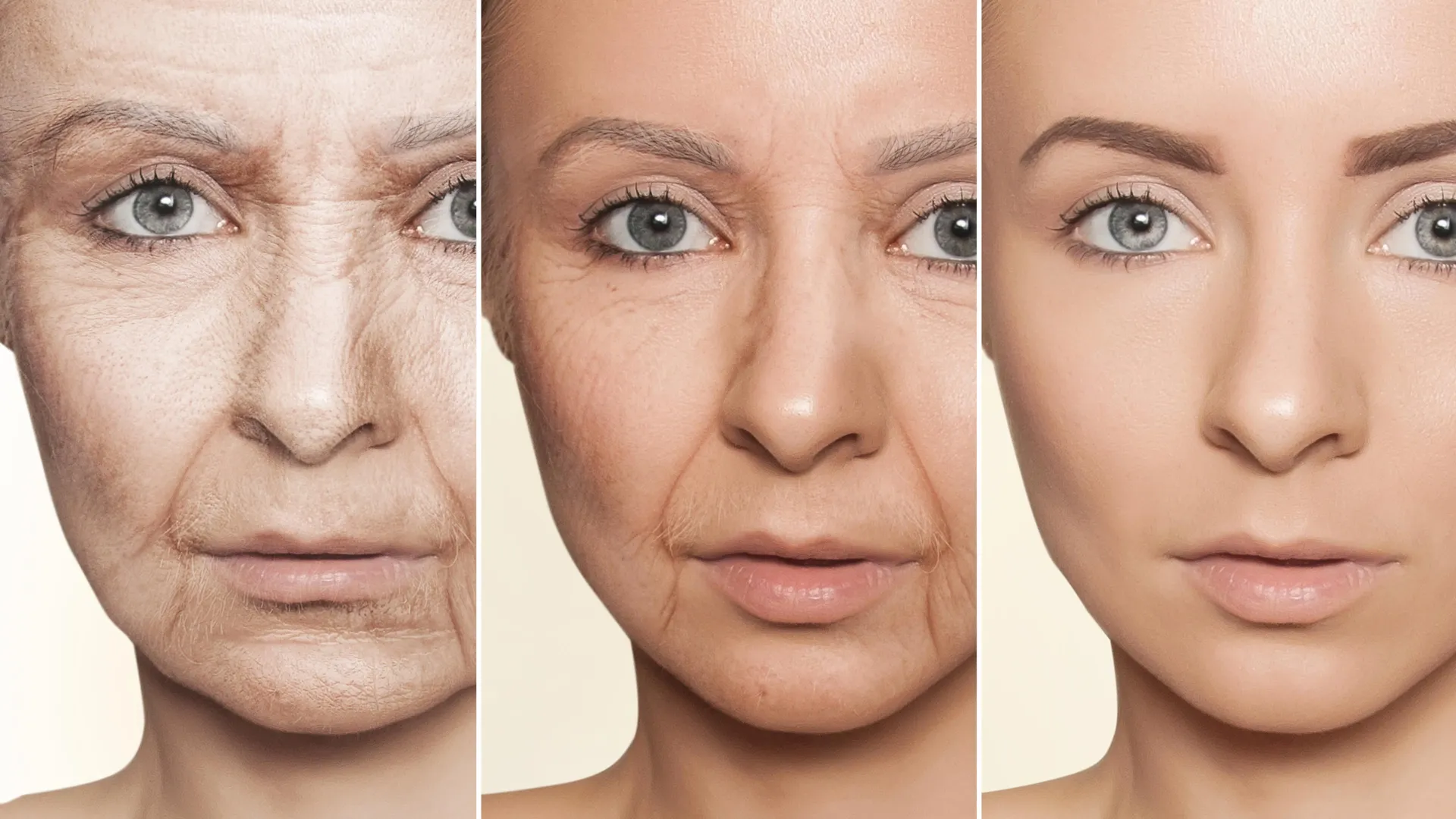
For a generation of Americans currently navigating their 40s, 50s, and early 60s, the traditional concept of the "prime of life" is being replaced by a complex struggle against deteriorating mental and physical health. Recent longitudinal research reveals a troubling trend: Americans born in the 1960s and early 1970s are reporting significantly higher levels of loneliness, depression, and physical frailty than their predecessors did at the same age. While the "midlife crisis" was once a cultural trope associated with impulsive lifestyle changes or luxury purchases, a new study led by Arizona State University (ASU) suggests the modern reality is far more systemic and grim. This decline in well-being is not a universal phenomenon among wealthy nations, highlighting a widening gap between the American experience and that of its international peers, particularly in Western and Nordic Europe.
A Comparative Analysis of Midlife Well-being
To investigate the roots of this divergence, psychologist Frank J. Infurna of Arizona State University and an international team of researchers analyzed survey data from 17 high-income countries. The study, recently published in the journal Current Directions in Psychological Science, tracked health and well-being trajectories across generations. The data paints a stark picture: while Americans in midlife are experiencing a decline in health metrics, many European nations are seeing the opposite. In countries like Denmark, Norway, and the Netherlands, health and life satisfaction during middle age have either remained stable or improved over the last two decades.
The research indicates that the "midlife crisis" in the United States has evolved from a psychological transition into a structural one. "The real midlife crisis in America isn’t about lifestyle choices or sports cars," Infurna noted. "It’s about juggling work, finances, family, and health amid weakening social supports." The study suggests that the confluence of rising costs, stagnant wages, and the erosion of social safety nets has created a "perfect storm" that is uniquely punishing for middle-aged Americans.
The Role of Family Support and Social Safety Nets
One of the most significant drivers of the disparity between the U.S. and its peer nations is the level of government investment in family-oriented policies. Since the early 2000s, many European countries have significantly increased their spending on family benefits. These include subsidized childcare, universal preschool, paid parental leave, and direct cash assistance for households with children. In contrast, U.S. federal spending on these programs has remained largely stagnant, leaving families to shoulder the financial and emotional burden of caregiving alone.
For those in midlife, often referred to as the "sandwich generation," these policy differences are felt acutely. Many Americans in their 50s are simultaneously supporting adult children who are struggling with student debt and caring for aging parents who require expensive long-term care. In countries with robust social safety nets, these pressures are mitigated by state-sponsored support systems. The ASU study found that adults in countries with stronger family support systems reported not only lower levels of loneliness but also a slower rate of increase in loneliness as they aged. In the U.S., loneliness—a known precursor to cardiovascular disease and cognitive decline—continues to rise across successive generations.
The Healthcare Paradox: High Costs and Declining Outcomes
The United States currently spends approximately 18% of its Gross Domestic Product (GDP) on healthcare, a figure significantly higher than the 10% to 12% average seen in other OECD (Organisation for Economic Co-operation and Development) nations. Despite this massive expenditure, middle-aged Americans face greater challenges regarding medical access and affordability. The prevalence of high-deductible insurance plans and significant out-of-pocket expenses creates a financial barrier to preventive care.
The research points to "medical debt" and "healthcare anxiety" as specific stressors that do not exist to the same degree in countries with universal or highly subsidized healthcare systems. When middle-aged adults delay treatment for chronic conditions like hypertension or diabetes due to cost concerns, the long-term impact on their physical strength and mental health is profound. The study suggests that the stress of navigating a complex and expensive healthcare system contributes to the higher rates of depression and anxiety observed in the American cohort.
Income Inequality and Economic Vulnerability
The widening gap between the wealthy and the working class in the United States is another critical factor cited by the researchers. Since the turn of the millennium, income inequality in the U.S. has reached levels not seen since the Gilded Age, whereas it has remained relatively stable or even declined in parts of Europe. Previous work by Infurna and his colleagues has demonstrated a clear correlation between high levels of regional inequality and poorer health outcomes for the middle class.
The economic landscape for the current middle-aged generation was fundamentally altered by the Great Recession of 2008. Many Americans born in the late 1960s were in the middle of their peak earning years when the housing market collapsed, wiping out significant portions of their home equity and retirement savings. Unlike earlier generations who benefited from the post-WWII economic boom and the prevalence of defined-benefit pensions, the current cohort is more reliant on volatile 401(k) plans and faces a much higher cost of living. This financial insecurity acts as a chronic stressor that degrades physical health over time.
The Cognitive Health Surprise: Memory Decline and Education
Perhaps the most startling finding of the study involves cognitive health. Historically, higher levels of education have served as a "cognitive reserve," protecting individuals against memory loss and dementia as they age. While the current generation of middle-aged Americans is more educated than any previous generation, they are showing unexpected declines in episodic memory—the ability to recall specific events and experiences.
This trend was not observed in the majority of the other 16 countries studied. "Education is becoming less protective against loneliness, memory decline, and depressive symptoms in the United States," Infurna stated. The researchers hypothesize that the benefits of education are being "washed out" by the sheer volume of chronic stress and environmental factors. High rates of obesity, physical inactivity, and cardiovascular risk factors—all of which are more prevalent in the U.S. than in Europe—may be contributing to this premature cognitive aging.
Cultural Isolation and Geographical Mobility
The study also touched upon cultural factors that distinguish the American experience. The U.S. culture of "rugged individualism" and high geographical mobility often comes at the expense of social cohesion. Americans are statistically more likely to move long distances for employment, which frequently results in living farther away from extended family and childhood support networks.
In many European and Nordic cultures, there is a greater emphasis on "third places"—community hubs outside of home and work—and multi-generational living or proximity. The loss of these social anchors in the U.S. makes it more difficult for middle-aged adults to maintain the long-term relationships necessary for emotional resilience. The researchers suggest that the "relational poverty" caused by frequent relocation and long working hours is a primary driver of the loneliness epidemic currently affecting the American middle class.
Analysis of Implications: A Public Health Crisis in the Making
The findings of the ASU study have significant implications for the future of the U.S. economy and its social systems. As this cohort of middle-aged Americans enters their senior years, the higher rates of physical and cognitive decline will likely place an unprecedented strain on the Medicare and Social Security systems. A workforce that is less healthy and more prone to memory issues could also lead to a decline in national productivity and an increase in disability claims.
Furthermore, the "deaths of despair"—a term coined by economists Anne Case and Angus Deaton to describe the rise in suicides and drug overdoses among middle-aged white Americans—serve as an extreme manifestation of the trends identified in Infurna’s research. The data suggests that the decline in well-being is not limited to any single demographic but is a broader structural issue affecting the quality of life across the American middle class.
Potential Paths Toward Reversal
While the data presents a somber outlook, the researchers emphasize that these trends are not irreversible. The study highlights that individuals who maintain strong social ties and a sense of "agency" or control over their lives tend to fare better, even in the face of economic hardship. Promoting community engagement through hobbies, volunteer work, or local organizations can provide a necessary buffer against the psychological toll of midlife stress.
However, individual resilience is only one part of the equation. The study’s authors argue that significant policy interventions are required to bring U.S. health outcomes back in line with other wealthy nations. These include:
- Expanding Family Support: Implementing federal paid family leave and subsidized childcare to reduce the burden on the "sandwich generation."
- Addressing Healthcare Costs: Reforms aimed at reducing out-of-pocket expenses and ensuring that preventive care is accessible to all income levels.
- Strengthening the Social Safety Net: Updating unemployment and disability benefits to reflect the modern gig economy and the realities of wage stagnation.
"At the individual level, social engagement is crucial. Finding community can buffer stress and improve well-being," Infurna concluded. "But at the policy level, countries with stronger safety nets—paid leave, childcare support, healthcare—tend to have better outcomes. The data make this clear."
As the United States grapples with these findings, the comparison with Nordic and European peers serves as both a warning and a roadmap. The divergence in midlife health suggests that the American model of high-growth, high-stress individualism may be reaching its limit, necessitating a shift toward policies that prioritize social stability and the long-term well-being of its citizens. Without such changes, the "American Dream" of a prosperous and healthy middle age may continue to slip out of reach for future generations.