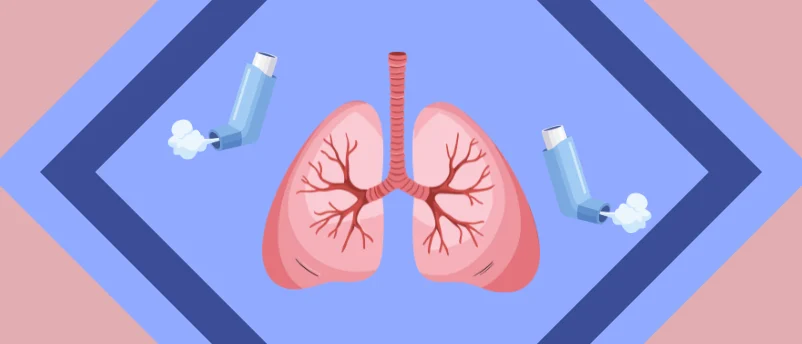
Engineers at the University of Pennsylvania (PA, USA) have engineered a groundbreaking human lung-on-a-chip technology, capable of replicating the intricate mechanical stresses experienced by the respiratory tract during an asthma attack. This innovative platform marks a significant stride in asthma research, enabling scientists to investigate the complex mechanisms of the condition in ways previously unattainable in living patients or conventional preclinical models. The research, led by biomedical engineer Dan Huh, not only offers a deeper mechanistic understanding of asthma pathophysiology but also holds immense promise for the discovery of novel therapeutic targets and the acceleration of drug development.
Unraveling the Enigma of Asthma: Beyond Inflammation
Asthma, a chronic respiratory disease affecting hundreds of millions worldwide, is characterized by recurrent episodes of wheezing, breathlessness, chest tightness, and coughing. These symptoms are primarily caused by inflammation and narrowing of the airways. Globally, asthma impacts approximately 300 million people, with significant variations in prevalence and severity across different populations. The World Health Organization estimates that asthma is responsible for over 450,000 deaths annually, highlighting the urgent need for more effective treatments and a comprehensive understanding of its underlying mechanisms.
For decades, the prevailing scientific understanding of asthma centered predominantly on chronic inflammation as the primary driver of the disease. Consequently, therapeutic strategies have largely focused on anti-inflammatory medications, such as inhaled corticosteroids, often combined with bronchodilators to alleviate acute symptoms. While these treatments have significantly improved the quality of life for many patients, a substantial subset, particularly those with severe, persistent asthma, remains unresponsive or only partially responsive to existing pharmacotherapies. This clinical challenge underscored the limitations of an inflammation-centric view and suggested that other, perhaps overlooked, factors might play crucial roles in disease progression.
A hallmark of severe asthma is the gradual loss of airway flexibility, as the walls thicken and stiffen due to excessive collagen build-up – a process known as fibrotic remodeling. These stiff, narrowed airways not only impede airflow but also become less responsive to medication, leading to a vicious cycle of exacerbations and further complications. The exact mechanisms driving this remodeling, and its interplay with the mechanical forces within the lung, have remained largely elusive due to the inherent difficulties in studying such dynamic processes in real-time within human subjects.
"One thing we know for certain is that the airways in asthmatic lungs constrict frequently. Yet we understand surprisingly little about how this defining mechanical feature affects the pathophysiology of the disease," explained researcher Dan Huh, highlighting a critical knowledge gap. Traditional research methods, including animal models, often fail to accurately recapitulate the intricate human lung architecture and physiological responses, making it challenging to translate findings directly to human patients. The inability to precisely control and measure mechanical forces in living systems has been a significant barrier to advancing this area of research.
The Dawn of Organ-on-a-Chip Technology: A Paradigm Shift
The development of organ-on-a-chip technology represents a revolutionary paradigm shift in biomedical research, offering unprecedented opportunities to model human physiology and disease with remarkable fidelity. These microfluidic devices, typically made from flexible polymers, are engineered to contain living human cells within microchannels, mimicking the tissue-level architecture, mechanical forces, and biochemical microenvironment of specific organs. The concept emerged in the early 2010s, building upon advancements in microfabrication, tissue engineering, and cell biology. Early examples included lung-on-a-chip models that could simulate breathing motions and gut-on-a-chip models replicating intestinal peristalsis, demonstrating the potential to replace or reduce animal testing and provide more human-relevant data for drug discovery.
The University of Pennsylvania team, leveraging their expertise in both cell biology and soft robotics, has now introduced a clinically relevant model of asthmatic human lungs. This "asthma-on-a-chip" platform is a sophisticated hydrogel device integrating patient-derived airway epithelial cells and fibroblasts. These cells are embedded within a flexible matrix, which is then fitted with pneumatically driven soft actuators. These actuators are the technological marvel that allows for the precise emulation of airway constriction: when activated, they gently squeeze the engineered tissues, mirroring the compressive forces experienced by the airways during an asthma attack. This controlled mechanical stimulation is crucial for investigating the role of physical stress in disease progression.
Compared to traditional 2D cell cultures, which lack the physiological context of real tissues, and even some 3D models that don’t incorporate dynamic mechanical stimuli, the asthma-on-a-chip offers several distinct advantages. It provides a highly controlled environment where specific parameters, such as the frequency and intensity of compression, can be precisely modulated. This level of control allows researchers to isolate the effects of mechanical stress from other confounding factors, such as inflammation, thereby providing a clearer picture of their individual and synergistic roles in asthma pathology. Furthermore, by using patient-derived cells, the platform has the potential to move towards personalized medicine, allowing researchers to study disease mechanisms and test drug responses specific to an individual’s genetic and cellular profile.
Groundbreaking Discoveries: Linking Mechanical Stress to Disease Progression
The immediate findings from the University of Pennsylvania team’s research using this novel platform have been nothing short of revelatory, directly addressing critical gaps in our understanding of asthma pathophysiology.

Induced Fibrotic Airway Remodeling:
The researchers applied controlled compression to their lung-on-chip devices, meticulously mimicking the repeated airway constriction that characterizes an asthma attack. Their observations yielded a critical insight: this mechanical stress induced fibrotic airway remodeling in diseased tissue constructs, but remarkably, not in healthy tissue models. Fibrosis, the excessive accumulation of connective tissue, primarily collagen, leads to the thickening and stiffening of airway walls. This stiffening reduces the airways’ ability to expand and contract normally, making them less responsive to bronchodilators and contributing to the irreversible aspects of severe asthma.
This finding fundamentally shifts the understanding of airway remodeling. Previously, it was largely attributed to chronic inflammation. The "asthma-on-a-chip" study, however, demonstrates that mechanical forces alone can directly drive fibrotic changes in susceptible (diseased) tissue. This suggests a dual-pathway mechanism where both inflammation and mechanical stress contribute to the structural alterations seen in asthmatic lungs, and importantly, that targeting only inflammation might be insufficient for preventing or reversing remodeling. This insight has profound implications for developing more comprehensive therapeutic strategies.
Vascular Remodeling Driven by Compression:
Another frequently observed, yet poorly understood, feature of asthmatic airways is abnormally dense vascularization – an increase in the number and density of blood vessels surrounding the airways. To investigate this characteristic, the team ingeniously engineered vascularized airway constructs within their chips. These constructs included a functional respiratory epithelium alongside a vascular network. Using these advanced models, the researchers demonstrated, for the first time, that the compressive force simulating airway constriction also directly induces vascular remodeling in the asthmatic airway.
Crucially, they discovered that this process of increased vascularity is largely driven by the same fibrotic mechanisms that contribute to the stiffening of the airways. "This [links] a physical event to two of the disease’s defining structural changes and [points] to how repeated constriction could progressively worsen the disease over time," commented Dan Huh. This revelation provides a unified hypothesis: mechanical stress initiates a cascade of fibrotic responses, which in turn leads to both airway stiffening and increased vascularity, collectively contributing to the progressive deterioration observed in chronic asthma. Understanding this interconnectedness is vital for developing therapies that address the full spectrum of asthma pathology.
Identifying Novel Therapeutic Targets through Proteomics:
Beyond mechanistic insights, the "asthma-on-a-chip" platform proved invaluable for identifying potential new drug targets. The team conducted a comprehensive proteomics analysis on the fluid released by compressed cells within their novel system. This analysis allowed them to identify a range of proteins, including those already known to play a role in asthma, as well as several novel proteins whose involvement was previously unrecognized. These newly identified proteins represent promising candidates for future therapeutic interventions, offering fresh avenues for drug discovery.
To further validate the platform’s utility, the researchers even tested some pharmacological interventions known to modulate these identified pathways. This proof-of-concept demonstrated how the "asthma-on-a-chip" devices could be directly employed in future drug screening efforts, potentially accelerating the identification of compounds that can mitigate the detrimental effects of mechanical stress in asthma. This capability is particularly exciting given the limitations of current preclinical models in accurately predicting drug efficacy in humans.
Broader Impact and Future Horizons
The implications of this research extend far beyond the immediate findings, heralding a new era for understanding and treating complex human diseases.
Revolutionizing Drug Discovery and Development:
The "asthma-on-a-chip" platform offers a powerful tool for the pharmaceutical industry. By providing a human-relevant model that accurately simulates disease conditions, it can significantly enhance the efficiency and accuracy of drug screening. This could lead to a reduction in the reliance on animal testing, which often yields results that do not translate effectively to humans, thereby saving time and resources. The ability to identify novel molecular mediators and test pharmacological interventions directly within this system paves the way for the development of targeted therapies that address the mechanical aspects of asthma, alongside or instead of purely inflammatory pathways. This could be particularly beneficial for patients with severe, treatment-resistant asthma.
Advancing Mechanistic Understanding of Disease:
As Huh emphasized, "This work shows how bioengineered human tissue models can be used to advance our mechanistic understanding of disease pathophysiology and to discover and test new drugs." The ability to decouple mechanical and biochemical cues in a controlled environment allows researchers to dissect the intricate interplay of factors contributing to disease progression. This granular understanding is critical for developing truly effective interventions that target the root causes of disease, rather than just managing symptoms. The principles demonstrated here could be extended to other diseases where mechanical forces play a significant role, such as cardiovascular diseases, musculoskeletal disorders, and even cancer metastasis.
Towards Personalized Medicine:
While the current study focused on general disease mechanisms, the foundation laid by using patient-derived cells in organ-on-a-chip technology inherently moves towards personalized medicine. In the future, it might be possible to create "asthma-on-a-chip" models from individual patients, allowing clinicians to test different drug regimens and predict treatment responses tailored to that patient’s unique biological profile. This could revolutionize how chronic diseases are managed, moving away from a ‘one-size-fits-all’ approach to highly individualized care. This aspect connects strongly with broader trends in biomedical research focusing on precision medicine.
The Future of Organ-on-a-Chip Technologies:
Dan Huh’s vision for the future of organ-on-a-chip technology is expansive. "We’re raising the bar," he stated. "Real tissues don’t exist and function in isolation, so we don’t study them that way. We are developing new ways to recreate how different tissues live and work together, and then to watch what happens when we put them under the kinds of stress that drive disease." This alludes to the development of multi-organ-on-a-chip systems, where multiple organ models are interconnected to simulate the systemic effects of disease and drug interactions. For instance, an asthma-on-a-chip could be linked to a liver-on-a-chip to study drug metabolism or to a cardiovascular-on-a-chip to assess systemic side effects. This holistic approach promises to deliver even more physiologically relevant insights.
The research from the University of Pennsylvania represents a monumental leap forward in asthma research. By integrating cutting-edge engineering with sophisticated cell biology, the "asthma-on-a-chip" platform provides an unparalleled window into the mechanical forces driving this debilitating disease. Its capacity to reveal new disease mechanisms, identify novel therapeutic targets, and accelerate drug discovery offers a beacon of hope for the millions worldwide who suffer from asthma, paving the way for more effective, targeted, and potentially personalized treatments in the years to come. The work stands as a testament to the transformative power of bioengineering in addressing complex medical challenges.