A groundbreaking study conducted by psychologists at the Università Cattolica del Sacro Cuore in Milan has revealed that placebo interventions can provide substantial physical and cognitive benefits for older adults, even when the participants are fully aware that the substances they are consuming contain no active medicinal ingredients. The research, published in the International Journal of Clinical and Health Psychology, suggests that the mere act of engaging in a therapeutic ritual, combined with the psychological expectation of improvement, can trigger measurable physiological and neurological responses. Led by researchers Diletta Barbiani, Alessandro Antonietti, and Francesco Pagnini, the study challenges traditional medical assumptions about the necessity of deception in placebo treatments and opens new avenues for ethical, non-pharmacological interventions in geriatric care.
The investigation was situated within the framework of the Age-IT project, a multi-disciplinary initiative supported by Italy’s National Recovery and Resilience Plan (PNRR). This project focuses on the challenges of an aging society, seeking innovative solutions to maintain the autonomy and well-being of the elderly. By examining the "mind-body" connection through the lens of open-label placebos, the research team sought to determine if the decline typically associated with aging could be mitigated by leveraging the brain’s internal mechanisms for self-regulation and performance enhancement.
The Evolution of Placebo Research in Geriatric Science
Historically, the placebo effect was viewed by the medical community as a "nuisance variable"—a psychological noise that needed to be controlled or eliminated during clinical trials for new drugs. However, over the past two decades, the field of neurobiology has identified that placebos can trigger the release of endogenous opioids, dopamine, and other neurotransmitters that actively alter a patient’s physical state.
The Milan study represents a significant milestone in this evolution, as it specifically targets "healthy aging." While previous research has explored the placebo effect in treating specific conditions like irritable bowel syndrome (IBS), chronic pain, or Parkinson’s disease, this study is among the first to investigate whether a placebo can enhance the general functional abilities of healthy older adults. As the global population ages, finding cost-effective and low-risk methods to preserve short-term memory and physical mobility has become a priority for public health systems.
Study Design and Chronology of the Experiment
The research team recruited 90 healthy older adults living within the community. The selection criteria ensured that participants were not suffering from severe cognitive impairment or physical disabilities that would skew the results. The participants were then randomly assigned to one of three experimental conditions to compare the efficacy of different psychological approaches.
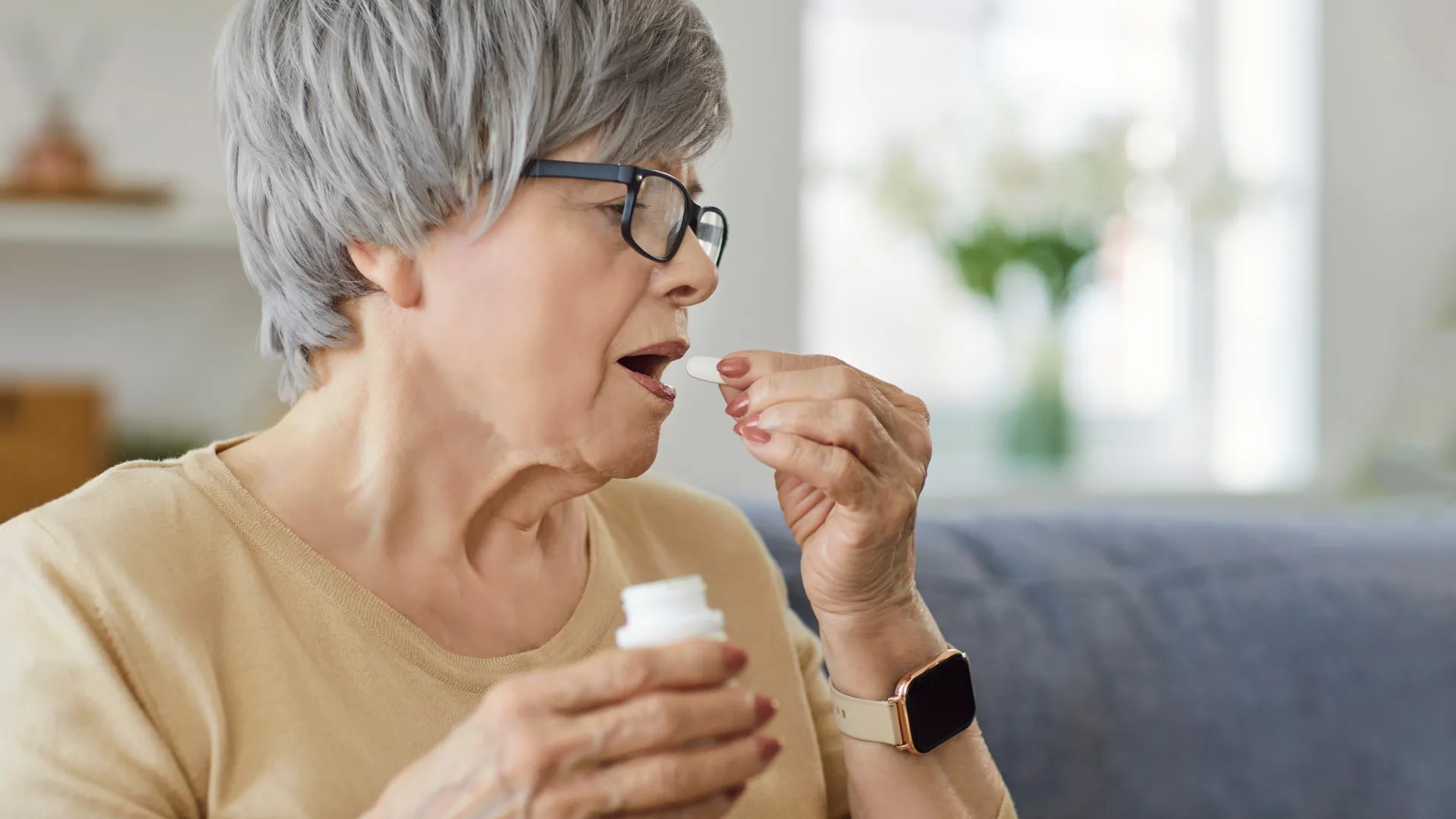
The first group served as the control, receiving no treatment or intervention over the three-week period. This group provided the baseline for natural fluctuations in performance. The second group was the "deceptive placebo" group. These individuals were given inert pills but were told that the supplements contained active ingredients formulated to boost physical and cognitive vitality. The third group was the "open-label placebo" (OLP) group. These participants received the same inactive pills but were explicitly told they were placebos. Crucially, the researchers explained the science behind the placebo effect to this group, suggesting that the body could still produce beneficial responses through the ritual of taking the pill and the power of the mind-body connection.
Before the intervention began, all 90 participants underwent an extensive battery of baseline assessments. These included psychological questionnaires to measure perceived stress, sleepiness, fatigue, optimism, and self-efficacy. Objective tests were also administered to gauge short-term memory capacity, selective attention, and physical performance metrics, such as gait speed and balance. Following this initial assessment, the participants followed their assigned protocols for twenty-one days. At the conclusion of the three weeks, the researchers repeated the entire suite of tests to measure the degree of change in each group.
Analyzing the Quantitative Data: Memory and Physical Gains
The results of the study were striking, particularly in the open-label group. In terms of physical performance, both placebo groups outperformed the control group. The deceptive placebo group showed a 7% improvement in physical metrics, while the open-label placebo group—those who knew the pills were fake—showed a 9.2% improvement. This suggests that transparency does not diminish the efficacy of the placebo; rather, it may enhance it by fostering a sense of agency and understanding in the participant.
Cognitive improvements were even more pronounced. In tests measuring short-term memory and selective attention, participants who believed they were taking a real supplement saw their scores increase by between 12.6% and 14.6%. However, the open-label group demonstrated a broader range of improvement, with scores increasing by between 6.9% and a remarkable 21.5%, depending on the specific cognitive task. These gains are particularly significant because they mirror the results typically seen in intensive cognitive training programs or long-term physical exercise regimens.
Furthermore, the open-label group reported the most significant reductions in stress levels. While the deceptive placebo group also showed some psychological benefits, the participants who were aware of the placebo nature of the treatment experienced a more robust decrease in perceived stress. Researchers also noted a general reduction in daytime drowsiness across both placebo groups, indicating an overall boost in alertness and perceived energy levels.
The Mind-Body Connection and Ethical Implications
Professor Francesco Pagnini, a Full Professor of Clinical Psychology at Università Cattolica and the study’s senior author, emphasized that these results highlight the vital role of the mind in the aging process. "The study is part of an established line of research in which we analyze the role of the mind in aging processes, which is very important," Pagnini stated. He noted that thoughts, emotions, and self-perception are not merely secondary effects of aging but are active drivers of the process.
The success of the open-label placebo is of particular interest to medical ethics. Deceptive placebos, while effective, are difficult to implement in standard clinical practice because they require a breach of trust between the healthcare provider and the patient. Informed consent is a cornerstone of modern medicine, and lying to a patient about the contents of a pill is generally considered unethical outside of specific research parameters. Open-label placebos bypass this ethical dilemma entirely. By being honest with patients while still providing a "therapeutic ritual," doctors can potentially harness the placebo effect as a legitimate, transparent tool for improving quality of life.
Broader Impact on Public Health and Geriatric Policy
The implications of this research extend beyond the laboratory. As healthcare systems grapple with the rising costs of an aging population, the discovery of a low-cost, zero-side-effect intervention is of immense value. If placebos can produce results comparable to cognitive training and physical exercise, they could be used as a supplementary tool in senior centers, assisted living facilities, and primary care.
Independent observers in the field of gerontology have noted that the "ritual of care" is a powerful component of healing that is often overlooked in a modern medical system focused solely on molecular biology. The act of taking a pill at the same time every day, the interaction with researchers or healthcare providers, and the conscious decision to participate in one’s own well-being all contribute to the observed benefits.
The Age-IT project, which funded this research, aims to position Italy as a leader in "Silver Economy" research and geriatric innovation. The project recognizes that healthy aging is not just the absence of disease but the maintenance of functional capacity. The Milan study provides empirical evidence that psychological interventions can play a primary role in this goal.
Future Research Directions
While the results are promising, the researchers acknowledge that more work is needed to determine the long-term sustainability of these benefits. The three-week duration of the study provides a snapshot of short-term improvement, but it remains to be seen whether the placebo effect can be maintained over months or years, or if the "novelty" of the intervention eventually wears off.
Additionally, future studies may look into the neurological pathways activated during open-label placebo treatments in older adults. Using functional MRI (fMRI) or EEG, scientists could potentially map the brain regions responsible for the 21.5% jump in cognitive performance, providing a deeper understanding of how expectation translates into neural efficiency.
In conclusion, the research from Università Cattolica serves as a potent reminder that the human brain remains highly plastic and responsive even in later life. By validating the efficacy of open-label placebos, Barbiani, Antonietti, and Pagnini have provided a scientific basis for a more holistic approach to aging—one that respects the intelligence of the patient and the profound influence of the mind over the body. As the medical community moves toward personalized and patient-centered care, the humble placebo may finally transition from a research control to a respected therapeutic asset.