In a significant advancement for neurodegenerative research, a collaborative team of scientists from Spain and Switzerland has identified an experimental molecule capable of "reprogramming" the brain’s immune system to combat the progression of Alzheimer’s disease. The compound, designated as OLE, has demonstrated a remarkable ability to restore the protective functions of microglia—the brain’s resident immune cells—which typically become impaired and ineffective as the disease advances. This discovery, published in the prestigious journal Cell Death and Disease, represents a shift in therapeutic strategies, moving away from merely clearing protein aggregates toward revitalizing the brain’s innate biological defenses.
The research was spearheaded by José Vicente Sánchez Mut, leader of the Functional Epi-Genomics of Aging and Alzheimer’s Disease laboratory at the Institute for Neurosciences (IN). The IN is a joint initiative between the Spanish National Research Council (CSIC) and the Miguel Hernández University of Elche (UMH). Working in tandem with Johannes Gräff’s team at the École Polytechnique Fédérale de Lausanne (EPFL), the researchers utilized a combination of genetic analysis, animal modeling, and advanced single-cell sequencing to validate the efficacy of the OLE molecule.
The Microglial Paradox in Alzheimer’s Pathophysiology
To understand the significance of OLE, it is necessary to examine the role of microglia in a healthy brain versus one afflicted by Alzheimer’s. Under normal conditions, microglia act as the primary immune sentinels and "garbage disposals" of the central nervous system. They constantly survey the environment, clearing cellular debris and neutralizing pathogens. However, the onset of Alzheimer’s disease introduces a catastrophic disruption to this system.
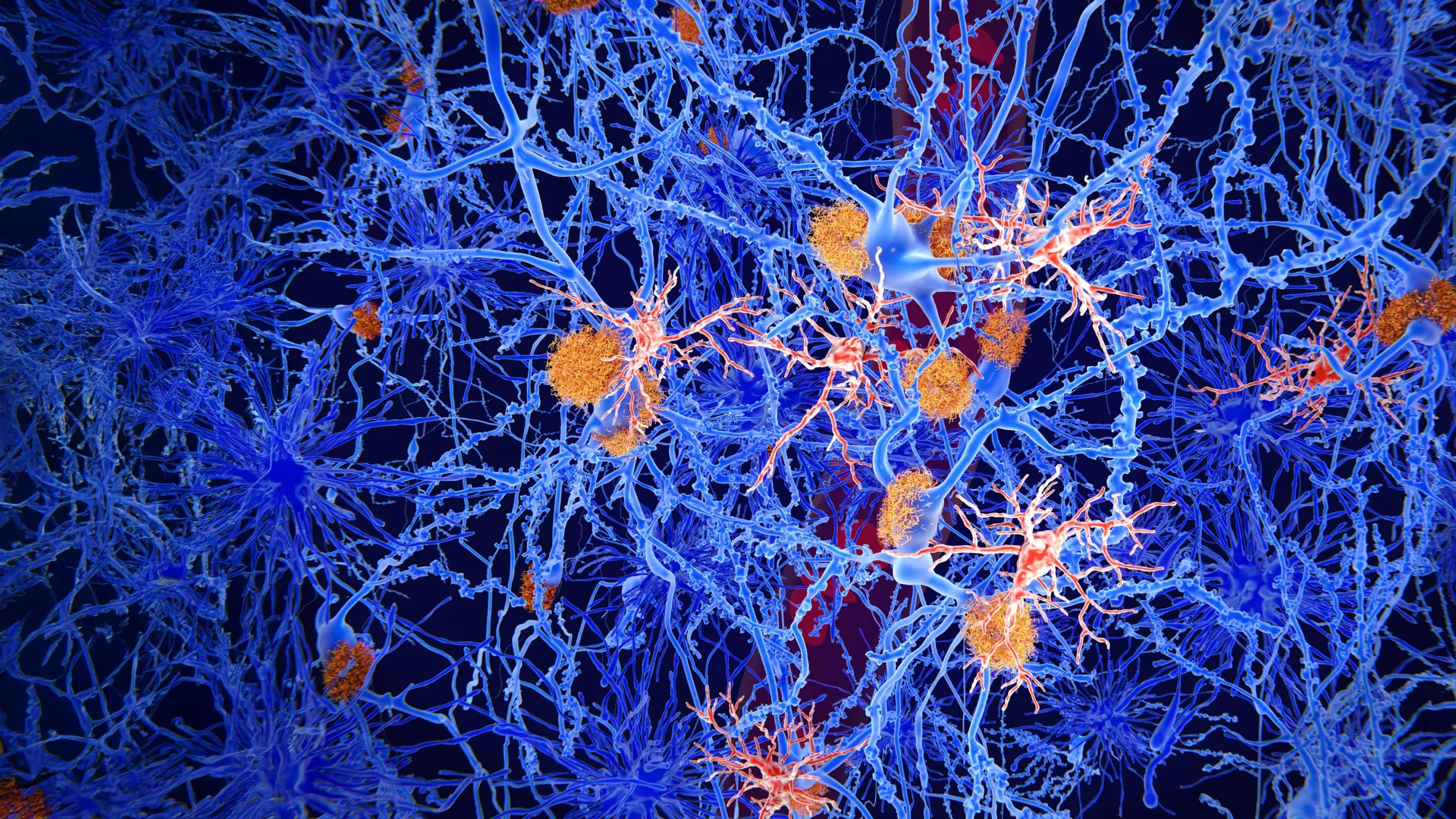
One of the primary hallmarks of Alzheimer’s is the accumulation of beta-amyloid plaques—toxic protein fragments that clump together between neurons. Initially, microglia attempt to clear these plaques. However, as the disease progresses, these immune cells undergo a process of functional exhaustion. Instead of surrounding and neutralizing the plaques, they become chronically inflamed or enter a state of senescence, where they no longer provide protection. In some cases, dysfunctional microglia can even exacerbate the damage by releasing pro-inflammatory cytokines that further injure nearby neurons.
The OLE molecule, derived from the PM20D1 gene, addresses this specific failure. Previous research had identified the PM20D1 gene as a potential factor in neuroprotection, but the exact mechanism remained elusive until now. The current study demonstrates that OLE can essentially "reset" these exhausted microglia, encouraging them to regain their mobility and phagocytic (cell-eating) capabilities.
Methodological Rigor: From Worms to Mammalian Models
The research team employed a multi-tiered experimental approach to ensure the robustness of their findings. The first phase involved the use of Caenorhabditis elegans (C. elegans), a species of soil-dwelling nematode frequently used in aging research. These worms were genetically modified to express human beta-amyloid, which leads to rapid protein aggregation and physical paralysis.
When treated with OLE, the C. elegans models showed a significant reduction in protein aggregates. More importantly, the treatment improved the animals’ locomotive abilities, suggesting that the compound could mitigate the physiological toxicity of beta-amyloid. This initial success provided the "proof of concept" necessary to move into more complex mammalian systems.
The second phase of the study focused on mouse models specifically bred to mimic the pathology of Alzheimer’s disease. These mice received OLE treatment over a period of three months. The results were twofold: cognitive and physiological. In memory and behavioral tests, the treated mice outperformed the control group, demonstrating a preservation of spatial memory and learning capabilities that are typically lost in the 5xFAD mouse model of Alzheimer’s.
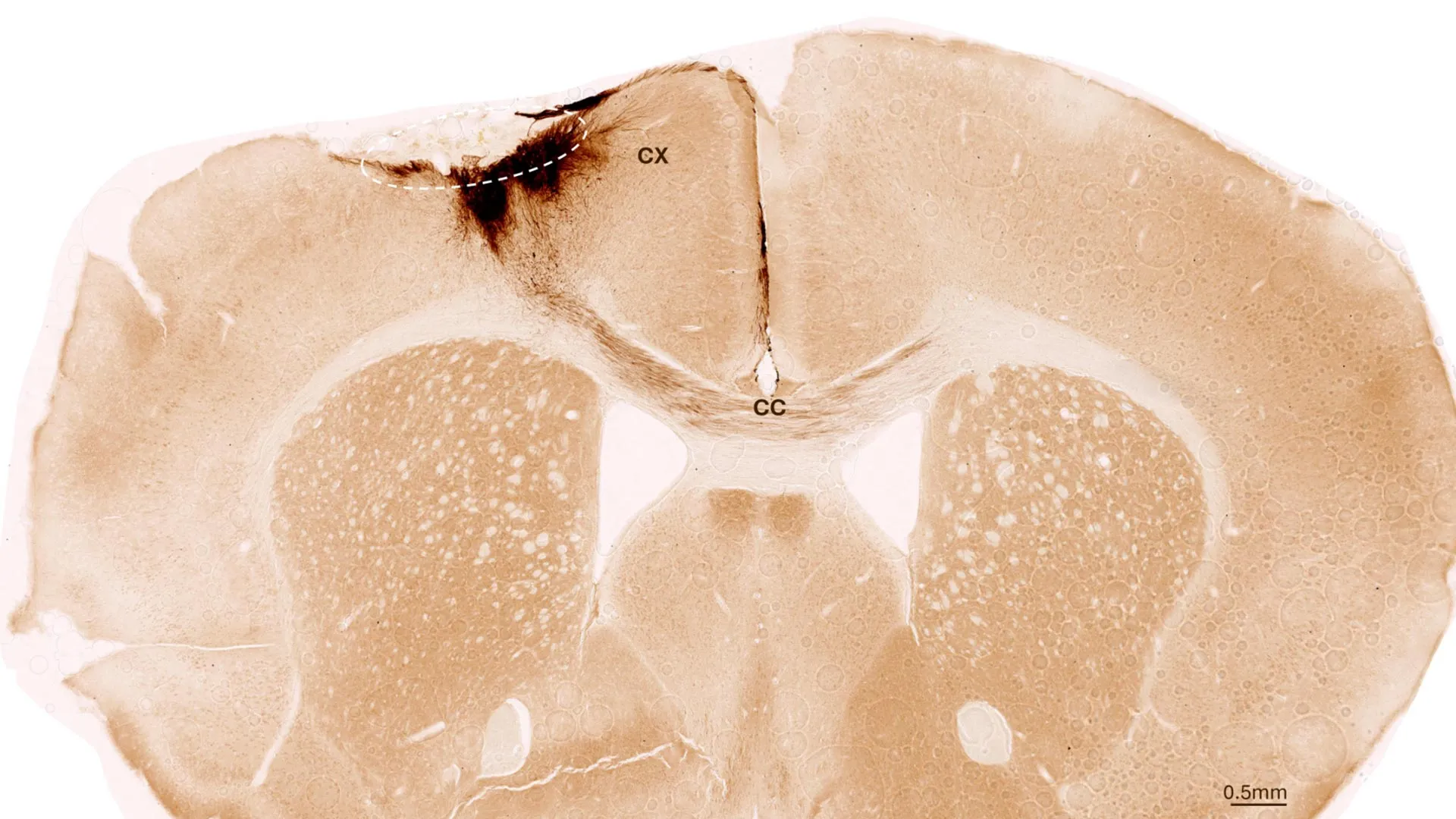
Upon examining the brain tissue of these mice, the researchers observed a striking change in the physical landscape of the disease. In untreated mice, beta-amyloid plaques were diffuse and directly in contact with vulnerable neurons. In the OLE-treated mice, however, the microglia had successfully "corralled" the plaques. The immune cells formed a dense physical barrier around the toxic deposits, effectively insulating the neurons from the plaques’ harmful effects. This "containment strategy" significantly reduced the overall size of the plaques and the degree of associated neuronal damage.
Single-Cell Sequencing and Cellular Insights
To pinpoint exactly how OLE was achieving these results, the team utilized single-cell RNA sequencing. This cutting-edge technology allowed them to analyze the gene expression patterns of thousands of individual cells within the brain. The data confirmed that while various cell types were present, the microglia were the primary responders to the OLE treatment.
"Single-cell analysis allowed us to determine that microglia were the cells that responded most strongly to the treatment," noted Victoria Pozzi, the study’s first author. "From there, we observed that the compound helped these cells move toward beta-amyloid plaques and better contain the damage associated with the disease."
The analysis revealed that OLE activated specific metabolic and signaling pathways within the microglia that are responsible for chemotaxis (movement toward a chemical stimulus) and proteostasis (the maintenance of protein health). By boosting these pathways, OLE transformed the microglia from passive bystanders into active defenders.
Furthermore, supplementary experiments in cell cultures indicated that OLE might offer direct neuroprotection. When neurons were exposed to Alzheimer’s-like conditions in a laboratory setting, the presence of OLE increased cell survival rates. This suggests that while the molecule’s primary target is the immune system, its benefits may extend to the direct preservation of the brain’s "wiring."
A Shift in the Therapeutic Landscape
The discovery of OLE comes at a pivotal moment in Alzheimer’s research. For decades, the pharmaceutical industry focused almost exclusively on the "amyloid hypothesis"—the idea that simply removing plaques would cure the disease. While recent FDA-approved drugs like lecanemab and aducanumab have shown some success in clearing amyloid, their clinical benefits in terms of slowing cognitive decline have been modest, and they carry risks of side effects such as brain swelling or microhemorrhages.
The OLE approach is fundamentally different. Rather than using external antibodies to attack plaques, it seeks to restore the brain’s internal ecosystem. By "reprogramming" the immune response, OLE could potentially offer a more sustainable and safer way to manage the disease.
"One of the most significant findings is that we have identified a molecule capable of restoring microglia’s protective function," explained Sánchez Mut. "In Alzheimer’s disease, these cells become progressively impaired. Our results suggest that this process can be reversed, pointing to new therapeutic and research avenues to counteract the disease."
Intellectual Property and Future Clinical Development
The translational potential of this research is underscored by the filing of two European patents, one of which is held by the Spanish National Research Council (CSIC). Patents are a critical step in the journey from a laboratory discovery to a commercially available medication, as they provide the legal framework necessary to attract investment for expensive clinical trials.
However, the researchers caution that while the results in animal models are highly encouraging, the path to human application is long. The next steps will involve further pharmacological testing to determine the optimal delivery methods for OLE, its long-term safety profile, and its efficacy in human-derived cell models.
The global burden of Alzheimer’s disease continues to grow as populations age. According to the World Health Organization, over 55 million people worldwide are currently living with dementia, a figure expected to rise to 139 million by 2050. The economic impact is equally staggering, with global costs estimated at over $1.3 trillion annually. In this context, the identification of a molecule like OLE provides a much-needed new direction for drug development.
Funding and Collaborative Support
The multidisciplinary nature of the study required substantial international cooperation and financial backing. Funding was provided by a diverse array of organizations, reflecting the global importance of the work. Key contributors included:
- Dementia Research Switzerland – Synapsis Foundation: A major supporter of neurodegenerative research in Switzerland.
- Pasqual Maragall Researchers Programme (PMRP): Named after the former Mayor of Barcelona and President of Catalonia who was diagnosed with Alzheimer’s, this foundation is a leader in Spanish neuroscience funding.
- Spanish Ministry of Science, Innovation and Universities: Providing the foundational support for the Institute for Neurosciences.
- European Regional Development Fund (ERDF): Highlighting the pan-European interest in health innovation.
- Swiss National Science Foundation and the European Research Council (ERC): Supporting the high-level genomic analysis conducted at EPFL.
Additional support was sourced from the National Research Foundation of Korea (NRF) and various regional programs in the Valencian Community, demonstrating the wide-reaching academic network involved in this breakthrough.
Conclusion: A New Chapter in Neuroimmunology
The identification of OLE marks a milestone in the field of neuroimmunology. By proving that microglial impairment is not an irreversible consequence of Alzheimer’s, but rather a state that can be pharmacologically corrected, Sánchez Mut and his colleagues have opened a door that was previously thought to be closed.
As the scientific community shifts toward a more holistic understanding of the brain—one that views neurons, immune cells, and the vascular system as an interconnected network—molecules like OLE will likely play a central role in the next generation of therapies. For the millions of families affected by Alzheimer’s, this research offers a tangible hope that the brain’s natural defenses can be reawakened to fight back against one of the most challenging diseases of the modern era.