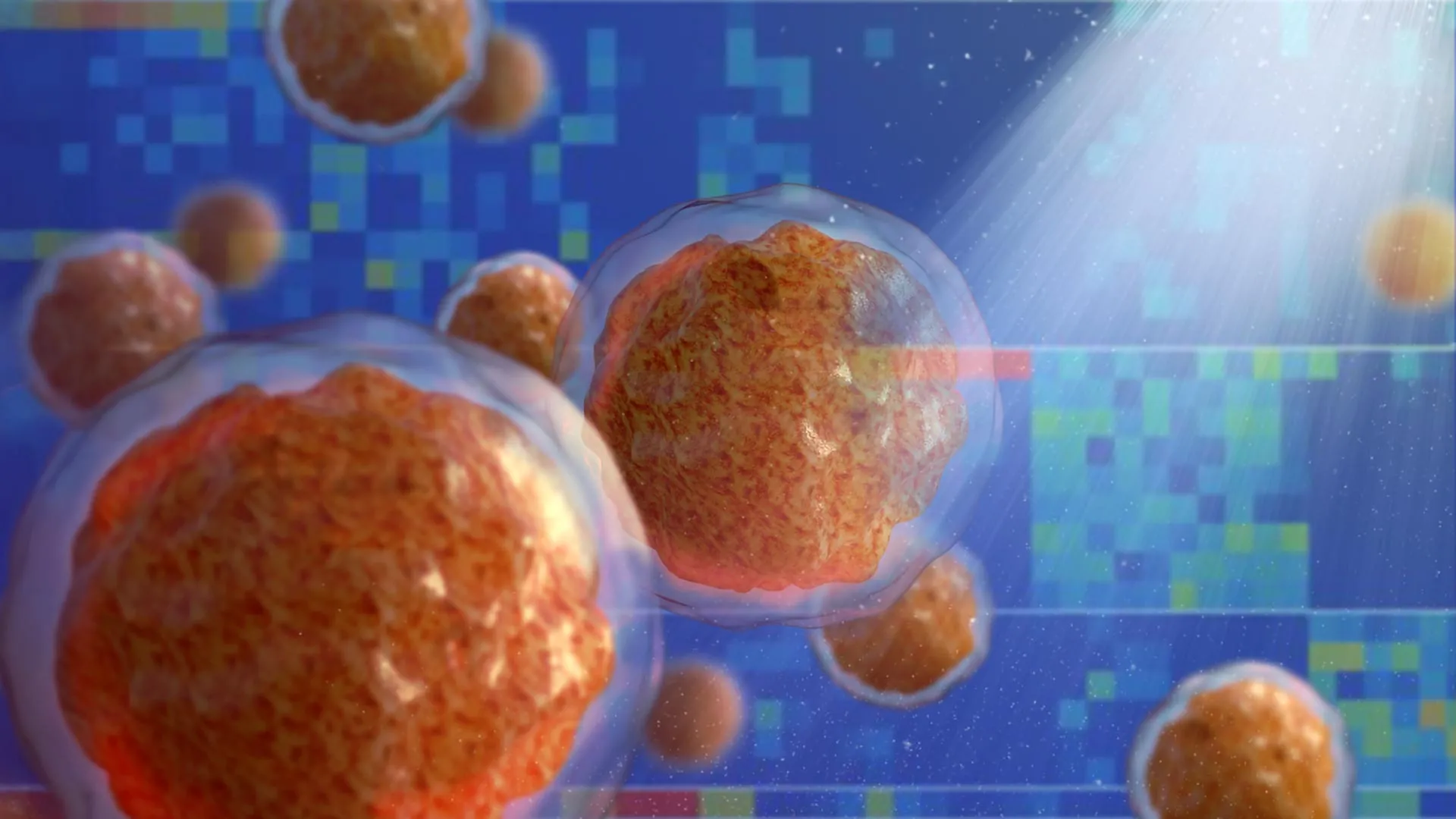
In a discovery that fundamentally challenges a century of biological dogma, researchers at Stanford Medicine have revealed that glucose, the primary sugar used by almost every living organism for energy, serves a second, clandestine role as a master regulator of tissue differentiation. This process, by which generic stem cells transform into specialized cells that form the body’s various organs and tissues, was previously thought to be governed almost exclusively by complex signaling proteins and genetic master switches. However, the new study, published in the journal Cell Stem Cell, demonstrates that glucose acts as a direct signaling molecule, binding to proteins in its intact form to orchestrate the genetic program of cellular maturation.
For decades, the scientific community viewed glucose through the lens of metabolism—a fuel source to be catabolized, or broken down, to release the energy stored within its chemical bonds. This energy, in the form of adenosine triphosphate (ATP), powers cellular movement, division, and maintenance. The Stanford team, led by senior author Paul Khavari, MD, PhD, the Carl J. Herzog Professor in Dermatology, and lead author Vanessa Lopez-Pajares, PhD, found that glucose does not need to be consumed for its regulatory effects to take hold. Instead, it functions as a "broadcast signal" that alters the shape and function of proteins responsible for gene expression.
The implications of this finding are vast, offering potential new avenues for treating metabolic disorders like diabetes and aggressive forms of cancer, which are characterized by a failure of cells to differentiate properly. The research suggests that the elevated blood sugar levels seen in diabetic patients may inadvertently disrupt the delicate balance of tissue regeneration, while the "undifferentiated" state of many cancer cells could potentially be reversed by manipulating glucose-mediated signaling pathways.
A Serendipitous Discovery in Skin Biology
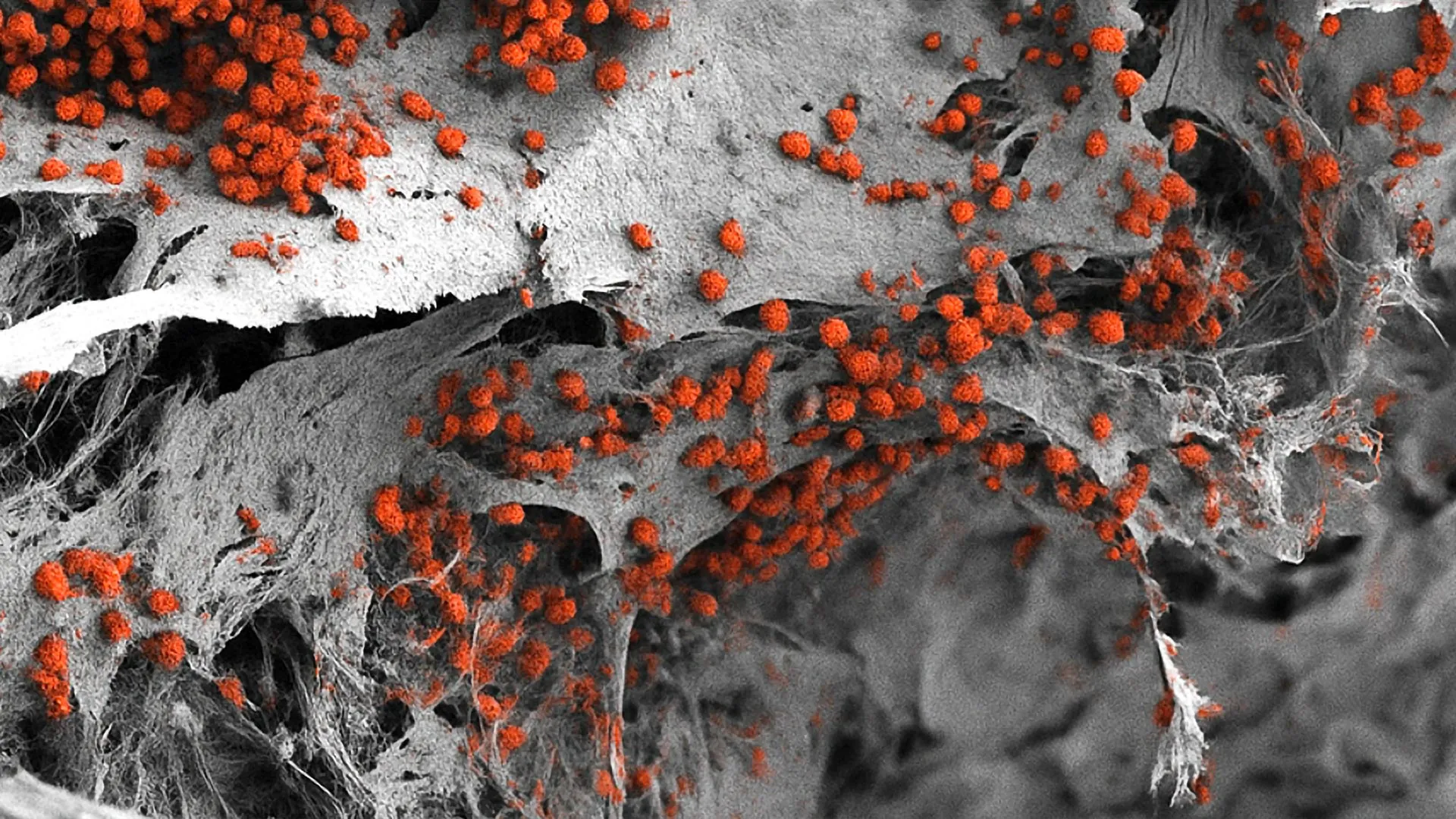
The journey toward this discovery did not begin with a focus on glucose. Khavari and Lopez-Pajares were initially investigating the molecular drivers of differentiation in human skin. They focused on keratinocytes, the primary cell type found in the epidermis, which undergo a rigorous and well-defined transition from stem cells in the basal layer to specialized, protective cells on the skin’s surface.
Using a sophisticated combination of mass spectrometry and high-throughput screening, the researchers monitored the fluctuations of thousands of biomolecules as human skin stem cells matured. Their hypothesis was straightforward: molecules that increased in abundance during this transition were likely candidates for regulating the process. When the data returned, they identified 193 suspect molecules. While many were known proteins associated with cellular development, the second-most elevated molecule on the list was glucose.
This result was so counter-intuitive that the research team initially suspected an error in their measurements. Standard biological theory suggests that as cells differentiate, they divide less frequently and enter a state of lower metabolic demand, eventually leading to senescence. Consequently, one would expect glucose levels to drop as the cell’s need for "fuel" diminishes. Instead, the Stanford team observed a significant and sustained spike in intracellular glucose levels as epidermal stem cells transformed into mature keratinocytes.
Rigorous Validation and the Role of Non-Metabolized Sugar
To confirm these startling results, the researchers spent several years conducting follow-up experiments. They utilized fluorescent and radioactive glucose analogs—molecules that mimic glucose—to track its uptake. They also employed biological sensors within the cells that would glow in varying intensities based on glucose concentration. The results were consistent across the board: as differentiation progressed, the cells’ glucose levels rose sharply.
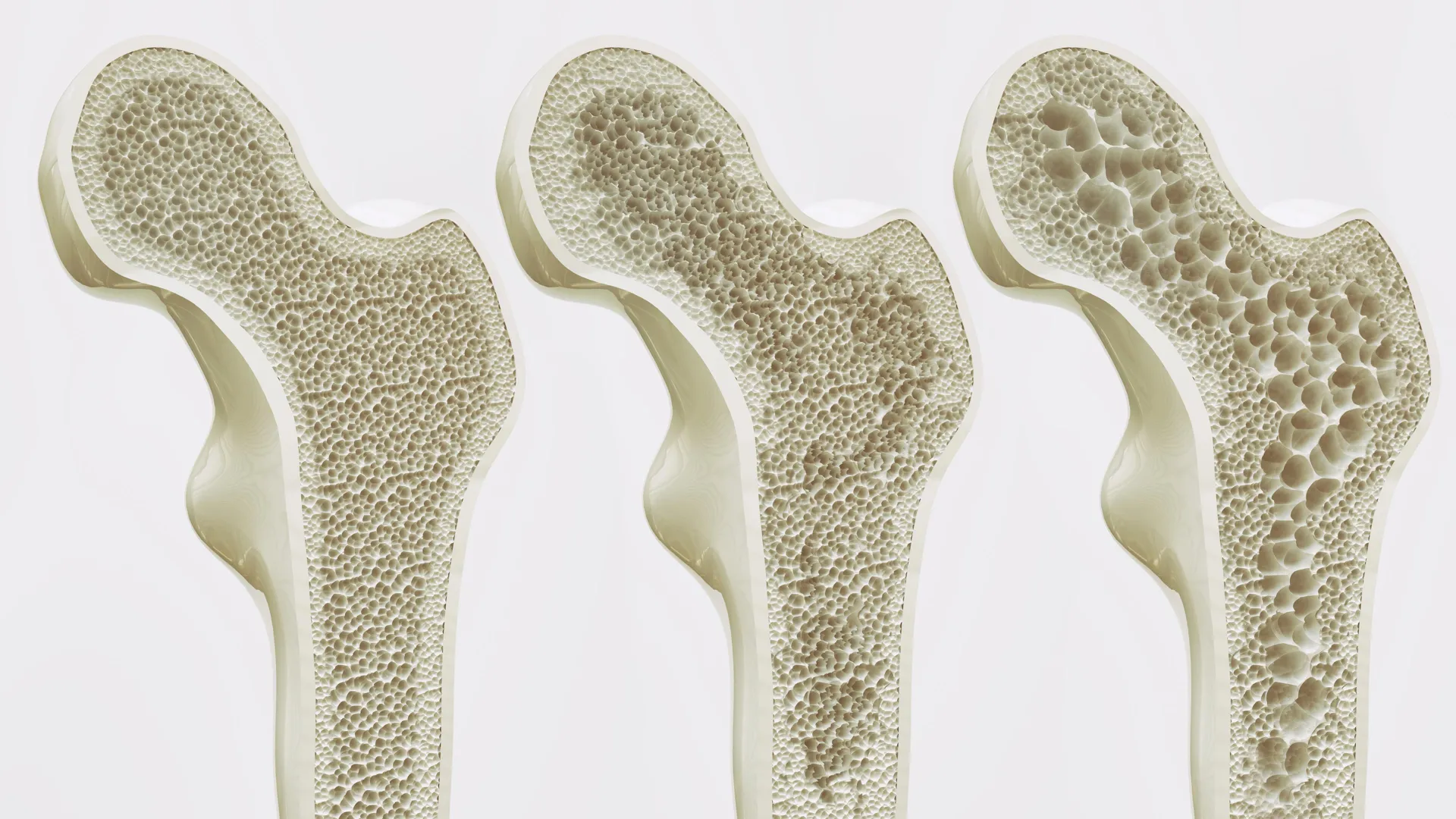
The team expanded their scope to other human tissue types, including bone, fat, and white blood cells. In every instance, the same pattern emerged. To ensure this wasn’t a phenomenon limited to in vitro (lab-grown) cells, they utilized genetically engineered mice equipped with glucose sensors. The data confirmed that glucose levels rise globally during tissue differentiation throughout the body.
The most definitive proof of glucose’s non-metabolic role came from experiments involving human skin organoids—three-dimensional, engineered tissues that mimic the structure of real skin. When these organoids were grown in environments with low glucose, they failed to differentiate, resulting in a disorganized mass of immature cells. However, when the researchers introduced a specific glucose analog that cells are unable to break down for energy, differentiation resumed perfectly. This proved that the physical presence of the glucose molecule, rather than the energy it provides, was the catalyst for cellular maturation.
The Molecular Mechanism: Glucose as a Conformational Switch
The researchers sought to understand exactly how a simple sugar could control the complex machinery of the genome. Their investigation revealed that as cells begin to differentiate, they increase the production of glucose transporters—proteins that act as gateways, pulling sugar from the bloodstream into the cell’s interior. Simultaneously, the cells decrease the rate at which glucose is exported, leading to a rapid internal accumulation.
Once inside, the glucose molecules act like a key in a lock. They bind to hundreds of different proteins, including a critical transcription factor known as IRF6. IRF6 is a well-known regulator of skin differentiation; mutations in the gene that produces IRF6 are linked to developmental disorders like cleft lip and palate. The Stanford study found that when glucose binds to IRF6, it induces a conformational change—a shift in the protein’s physical shape. This change allows IRF6 to more effectively bind to DNA and activate the expression of over 3,000 genes necessary for creating mature skin tissue.
Khavari described this process using a vivid analogy: "We’re seeing glucose acting like a broadcast signal in the cell… It’s like a fire alarm going off in a firehouse. Everyone in the firehouse activates in response." Unlike specific signaling pathways that act like a single telephone line between two rooms, the rise in glucose levels affects the entire cellular environment simultaneously, ensuring a coordinated transition across multiple genetic pathways.
Clinical Implications: Diabetes and Wound Healing
The discovery provides a new framework for understanding the complications associated with chronic hyperglycemia, or high blood sugar, in diabetic patients. It has long been observed that individuals with diabetes suffer from impaired wound healing and poor tissue regeneration. Traditionally, this was attributed to vascular damage or inflammation.
However, the Stanford findings suggest a more direct molecular link. If glucose is a master regulator of differentiation, then chronically elevated levels may "short-circuit" the system, forcing stem cells to differentiate prematurely or incorrectly, thereby exhausting the body’s supply of progenitor cells needed for repair. By understanding the specific protein-glucose interactions, such as the one involving IRF6, clinicians may eventually develop therapies that shield these proteins from the effects of excess sugar, potentially restoring the body’s natural healing capabilities.
A New Strategy for Cancer Therapy
In the realm of oncology, this research opens a provocative new door. One of the hallmarks of aggressive cancer is "dedifferentiation," where cells lose their specialized characteristics and revert to a primitive, rapidly dividing state. These undifferentiated cells are often the most resistant to chemotherapy and radiation.
Historically, researchers have tried to treat cancer by "starving" the tumor of glucose, based on the Warburg effect—the observation that cancer cells consume massive amounts of sugar to fuel their rapid growth. While some glucose analogs have been tested in clinical trials to inhibit metabolism, the Stanford study suggests they might be working through an entirely different mechanism. By binding to regulatory proteins, these analogs may be forcing the immature cancer cells to differentiate into mature, non-dividing cells.
"This is an entirely new and growing field," Khavari noted. "People have thought that small biomolecules like glucose were quite passive in the cell. This is another piece of evidence to pay close attention to other roles these molecules might play."
Chronology of the Research
The timeline of this discovery highlights the persistence required in modern biomedical research:
- Initial Phase (Discovery): Khavari and Lopez-Pajares begin a broad screen of biomolecules in skin stem cells, identifying glucose as a primary outlier.
- Verification Phase (Years 1-3): The team conducts extensive replications using mass spectrometry and fluorescent sensors to ensure the glucose spike was not an experimental artifact.
- Mechanistic Phase (Years 4-5): Experiments with non-metabolizable glucose analogs prove that the effect is independent of energy production.
- Genomic Mapping: The team identifies the interaction with IRF6 and maps the 3,000 genes influenced by glucose levels.
- Publication (March 2024): The findings are published in Cell Stem Cell, marking a significant shift in the field of metabolomics.
Conclusion and Future Directions
The Stanford Medicine study, funded by the National Institutes of Health and the U.S. Department of Veterans Affairs, marks a paradigm shift in how scientists view the relationship between metabolism and development. It elevates glucose from a mere commodity to a sophisticated regulatory molecule.
Future research will likely focus on identifying other "undercover" roles for common metabolites. If glucose can regulate tissue differentiation, it is possible that other simple sugars, amino acids, or lipids also serve as signaling molecules for other critical biological processes. For now, the discovery of glucose’s "double life" provides a springboard for a new generation of treatments that target the fundamental way our cells decide what they want to be. As the scientific community begins to digest these findings, the "fire alarm" of glucose signaling may soon lead to breakthroughs in regenerative medicine that were previously unimaginable.