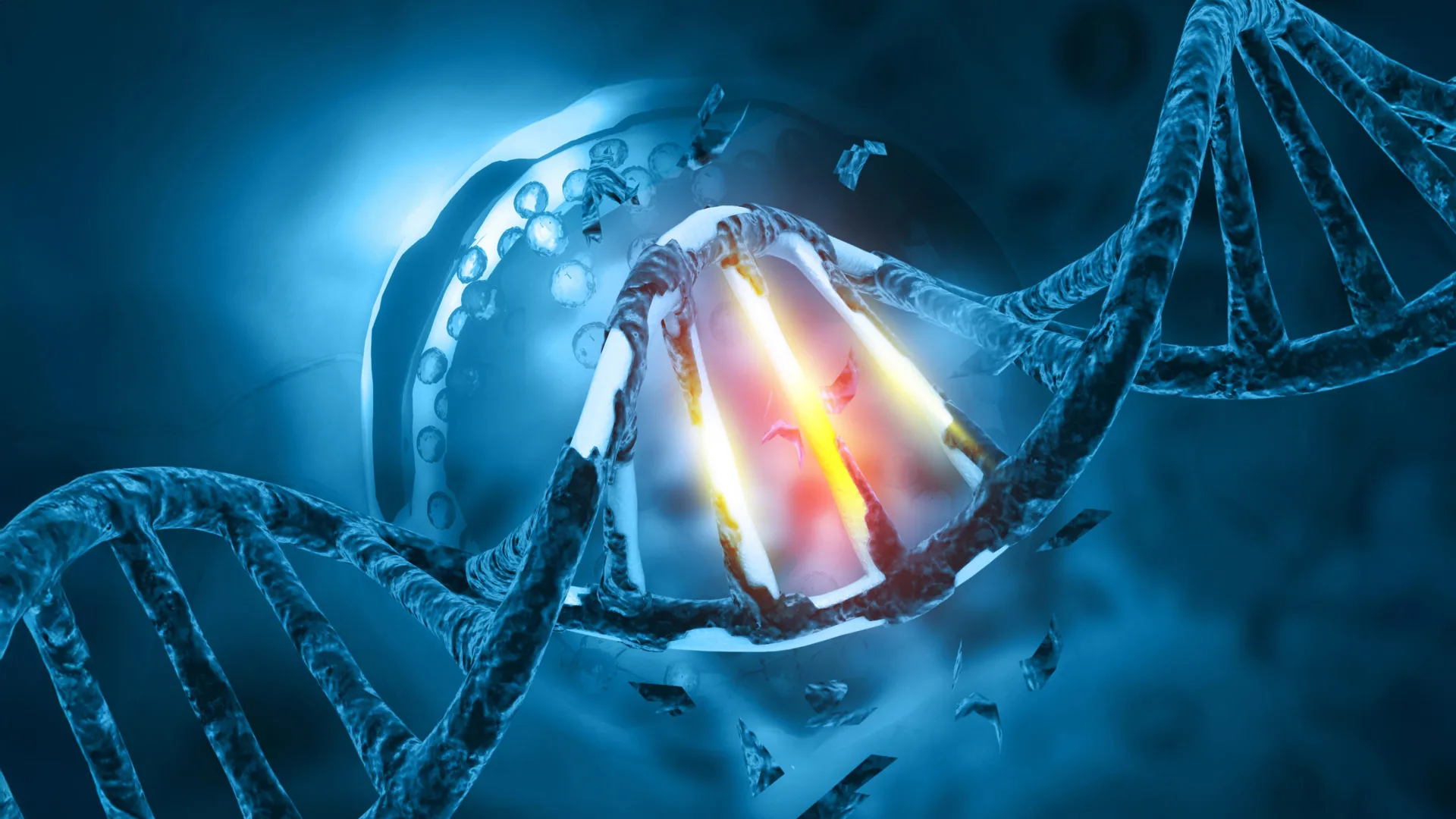
The biological clock has long been a central theme in discussions regarding maternal health and fertility, but a landmark pair of studies published in the journal Nature on October 8, 2024, has shifted the scientific spotlight toward the genetic contributions of the father. Researchers from the Wellcome Sanger Institute, King’s College London, and Harvard Medical School have unveiled a sophisticated mechanism within the male reproductive system that explains why certain harmful genetic mutations become more prevalent as men age. The findings suggest that the increase in genetic risk is not merely a byproduct of random cellular errors over time, but rather the result of a "selfish" selection process where mutated cells outcompete healthy ones within the testes.
For decades, clinicians have observed that children born to older fathers have a slightly higher risk of certain rare congenital conditions, such as achondroplasia (a form of dwarfism) and Noonan syndrome. However, the precise genomic architecture of this phenomenon remained elusive. By utilizing cutting-edge DNA sequencing technology and massive population datasets, the research teams have now mapped how these mutations accumulate and why they are favored by the very processes meant to ensure sperm production.
The Mechanism of Clonal Expansion in the Male Germline
The human body is a theater of constant cellular renewal. In tissues such as the skin, blood, and the lining of the gut, cells divide rapidly to replace those that are lost. During this process of replication, DNA mutations occasionally occur. In most "somatic" or ordinary body cells, these mutations are a dead end; they may lead to localized issues like cancer in the individual, but they cannot be passed on to the next generation.
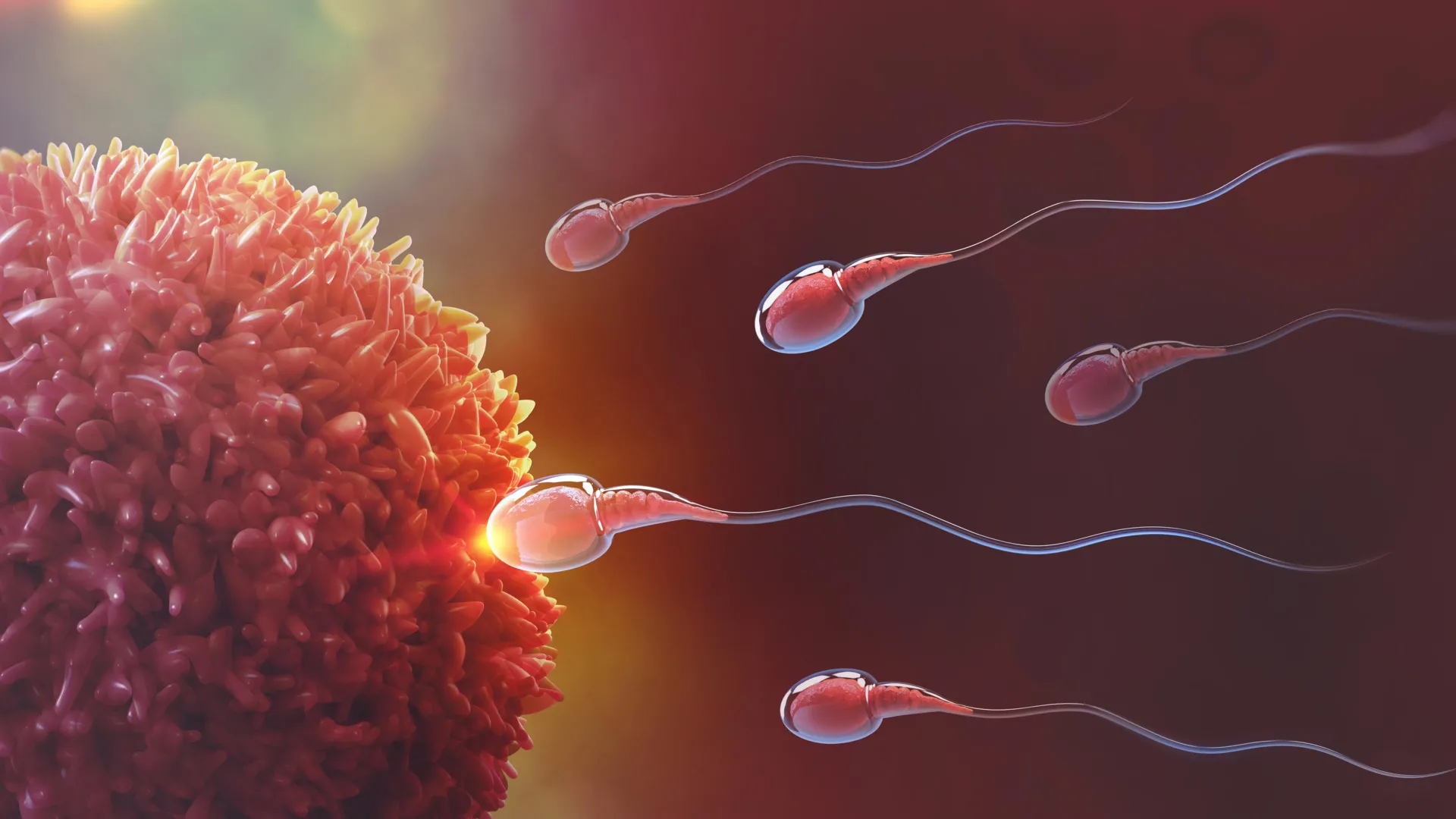
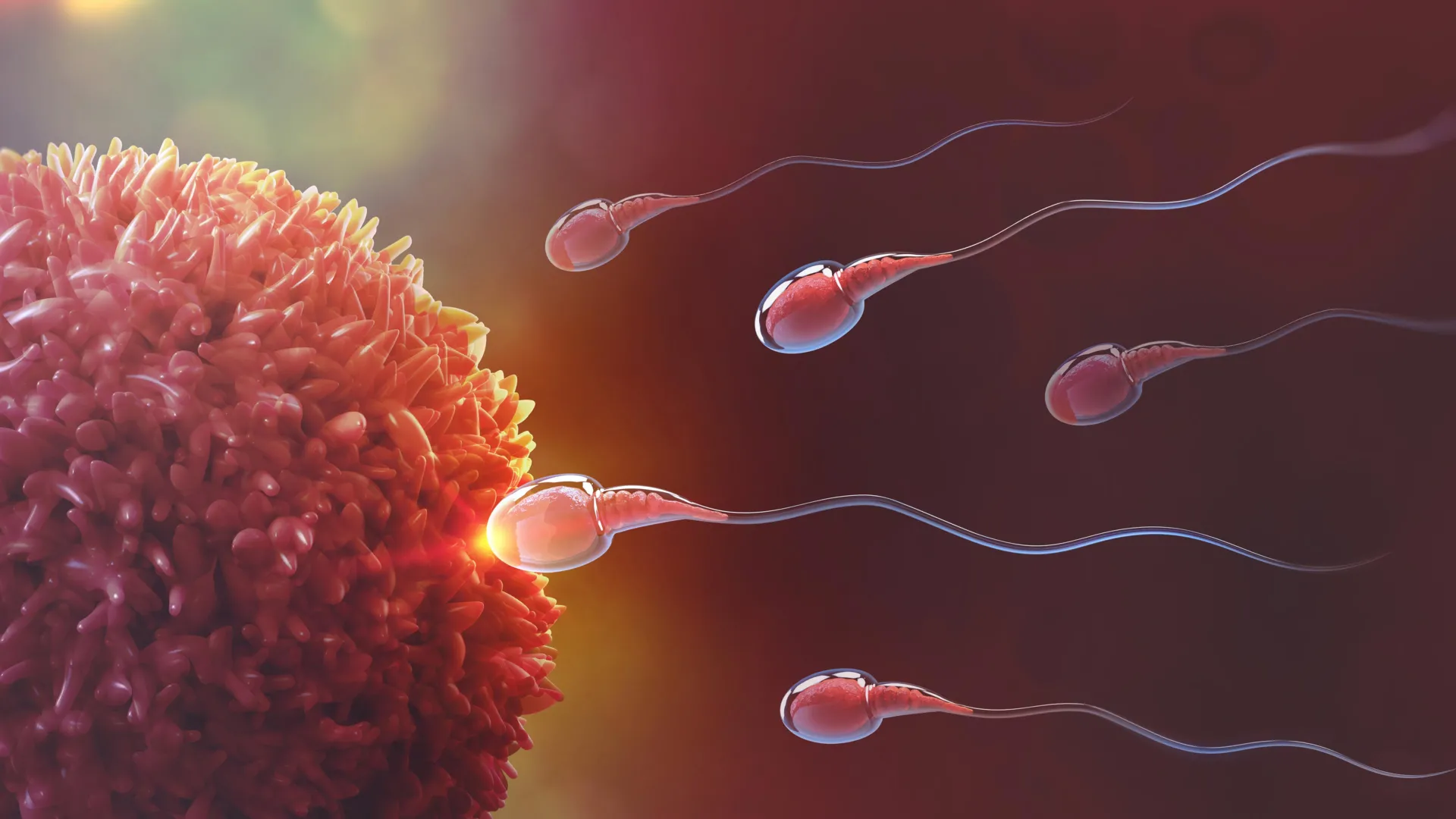
However, the male germline—the lineage of cells that produce sperm—is different. Sperm are produced from a pool of spermatogonial stem cells that divide throughout a man’s life. If a mutation occurs in one of these stem cells, every sperm cell derived from that lineage will carry the mutation. The new research highlights a phenomenon known as "selfish spermatogonial selection." In this process, certain mutations actually provide a fitness advantage to the stem cell itself. These mutations often occur in genes responsible for cell growth and signaling. By "hijacking" these pathways, the mutated stem cell divides more rapidly or survives longer than its neighbors, creating a "clone" or a colony of mutated cells that eventually dominates a portion of the testis.
This internal competition means that as a man ages, his testes become a mosaic of different cellular clones. The older the man, the more time these "selfish" clones have had to expand, leading to a higher proportion of sperm carrying potentially harmful genetic variants.
Breaking the Technical Barrier: The Role of NanoSeq
One of the primary reasons this level of detail remained hidden for so long was the limitation of standard genetic sequencing. Traditional methods often struggle to distinguish between a genuine, rare mutation in a single cell and a technical error made by the sequencing machine itself. To overcome this hurdle, the team at the Wellcome Sanger Institute employed NanoSeq, an ultra-accurate sequencing technology capable of detecting mutations with unprecedented precision.
The researchers analyzed sperm samples from 81 healthy men, aged 24 to 75, who were part of the TwinsUK cohort. TwinsUK is the United Kingdom’s largest adult twin registry and provides a wealth of longitudinal health data, making it an ideal resource for studying age-related biological changes. By comparing the genetic profiles of sperm across this age spectrum, the scientists were able to quantify the rate at which specific mutations accumulate.
The data revealed a striking trend. In men in their early 30s, approximately 2 percent of sperm carried mutations known to cause disease. By the time men reached the age bracket of 43 to 74, this figure rose to between 3 and 5 percent. Among the 70-year-old participants, 4.5 percent of sperm contained harmful mutations. While these percentages may seem small, in the context of the millions of sperm produced, they represent a significant increase in the statistical likelihood of passing on a genetic disorder.
A Two-Pronged Investigation: From Sperm to Child
The research was bolstered by a second, complementary study led by Harvard Medical School in collaboration with the Sanger Institute. While the first study looked directly at the source—the sperm—the second study analyzed the "output" by examining the DNA of children.
By analyzing the genomic data of over 54,000 parent-child trios and a broader dataset of 800,000 individuals, the Harvard-led team looked for de novo mutations—genetic changes present in the child but not in the parents’ blood cells. This massive scale allowed them to identify more than 30 specific genes where mutations give sperm cells a competitive edge.
The results were consistent with the direct sperm analysis. Many of the identified genes are linked to rare neurodevelopmental disorders, such as autism and intellectual disabilities, as well as inherited cancer syndromes. The study found that selection within the testes could increase the mutation rate in these specific genes by as much as 500-fold. This explains why certain rare conditions appear sporadically in families with no prior history of the disease.
Furthermore, the researchers noted a potential pitfall for clinical diagnostics. Because these mutations can become relatively common in the sperm of older men, they may occasionally lead to "false-positive" associations in genetic studies, where a gene appears to be linked to a disease simply because it has an elevated mutation rate, rather than a direct functional link to the condition being studied.
Official Responses and Expert Insights
The lead researchers involved in the studies emphasized that while the findings reveal a hidden risk, they also provide a much clearer understanding of human reproductive biology.
Dr. Matthew Neville, the first author of the study from the Wellcome Sanger Institute, expressed surprise at the magnitude of the findings. "We expected to find some evidence of selection shaping mutations in sperm," Dr. Neville stated. "What surprised us was just how much it drives up the number of sperm carrying mutations linked to serious diseases."
Professor Matt Hurles, Director of the Wellcome Sanger Institute and co-author, highlighted the implications for older fathers. "Our findings reveal a hidden genetic risk that increases with paternal age. Some changes in DNA not only survive but thrive within the testes, meaning that fathers who conceive later in life may unknowingly have a higher risk of passing on a harmful mutation to their children."
The collaborative nature of the research was also praised. Professor Kerrin Small, Scientific Director of the TwinsUK study, noted the importance of the participants. "We are incredibly grateful to the twins who took part in this study. By working with the TwinsUK cohort, we could include valuable longitudinal samples linked to rich health and genetic information, allowing us to explore how mutations accumulate and evolve with age in healthy individuals."
Dr. Raheleh Rahbari, senior author and Group Leader at the Wellcome Sanger Institute, challenged the long-held belief that the male germline is a static, protected environment. "There’s a common assumption that because the germline has a low mutation rate, it is well protected," Dr. Rahbari explained. "But in reality, the male germline is a dynamic environment where natural selection can favor harmful mutations, sometimes with consequences for the next generation."
Historical Context and the Evolution of Paternal Age Research
The link between paternal age and genetic health is not a new concept, but it has taken nearly 70 years to reach this level of molecular clarity. In 1955, the renowned geneticist Lionel Penrose first proposed that the age of the father could influence the occurrence of certain birth defects. He observed that achondroplasia was more common in children of older fathers, suggesting that the "copying errors" in sperm-producing cells increased over time.
Throughout the late 20th century, epidemiological studies confirmed Penrose’s hypothesis, linking paternal age to a variety of conditions, including schizophrenia and autism. However, the mechanism remained a "black box." Scientists debated whether the mutations were simply the result of more cell divisions (the "copy error" model) or if there was an active selection process at play.
The 2024 Nature studies effectively resolve this debate by providing direct evidence of selection. By identifying the specific genes involved—many of which are part of the RAS-MAPK signaling pathway, which regulates cell growth—the researchers have shown that the "selfish" behavior of these cells is the primary driver of the age-related mutation surge.
Broader Implications for Society and Medicine
The implications of this research are far-reaching, particularly as the average age of parenthood continues to rise globally. In many developed nations, the average age of first-time fathers has increased significantly over the last four decades due to socio-economic factors, career priorities, and advances in reproductive technology.
- Reproductive Counseling: This data provides a more granular foundation for genetic counseling. Prospective parents who are older may soon have access to more specific risk assessments based on the identified 40 genes.
- IVF and Screening: As the technology for screening embryos (Preimplantation Genetic Testing) continues to evolve, these findings may inform which genetic variants clinicians look for when screening embryos created via In Vitro Fertilization (IVF).
- Public Health Awareness: The study underscores that reproductive health is not solely a "female issue." It highlights the need for a broader public health conversation regarding the biological impacts of delayed fatherhood.
- Environmental Interactions: The researchers hope to use this new mapping of the sperm genome to investigate how lifestyle factors—such as diet, smoking, and exposure to environmental toxins—might accelerate or exacerbate the selection of harmful mutations.
While the study clarifies the risks, it also notes that the vast majority of sperm, even in older men, do not carry these harmful mutations. Furthermore, natural biological filters—such as the ability of a mutated sperm to successfully fertilize an egg or the viability of the resulting embryo—still play a major role in determining pregnancy outcomes.
As the scientific community continues to digest these findings, the focus will likely turn toward longitudinal studies of children born to older fathers to see how these "selfish" mutations manifest throughout a lifetime. For now, the work of the Wellcome Sanger Institute and its partners has provided a vital new chapter in our understanding of the complex, competitive, and sometimes paradoxical nature of human inheritance.