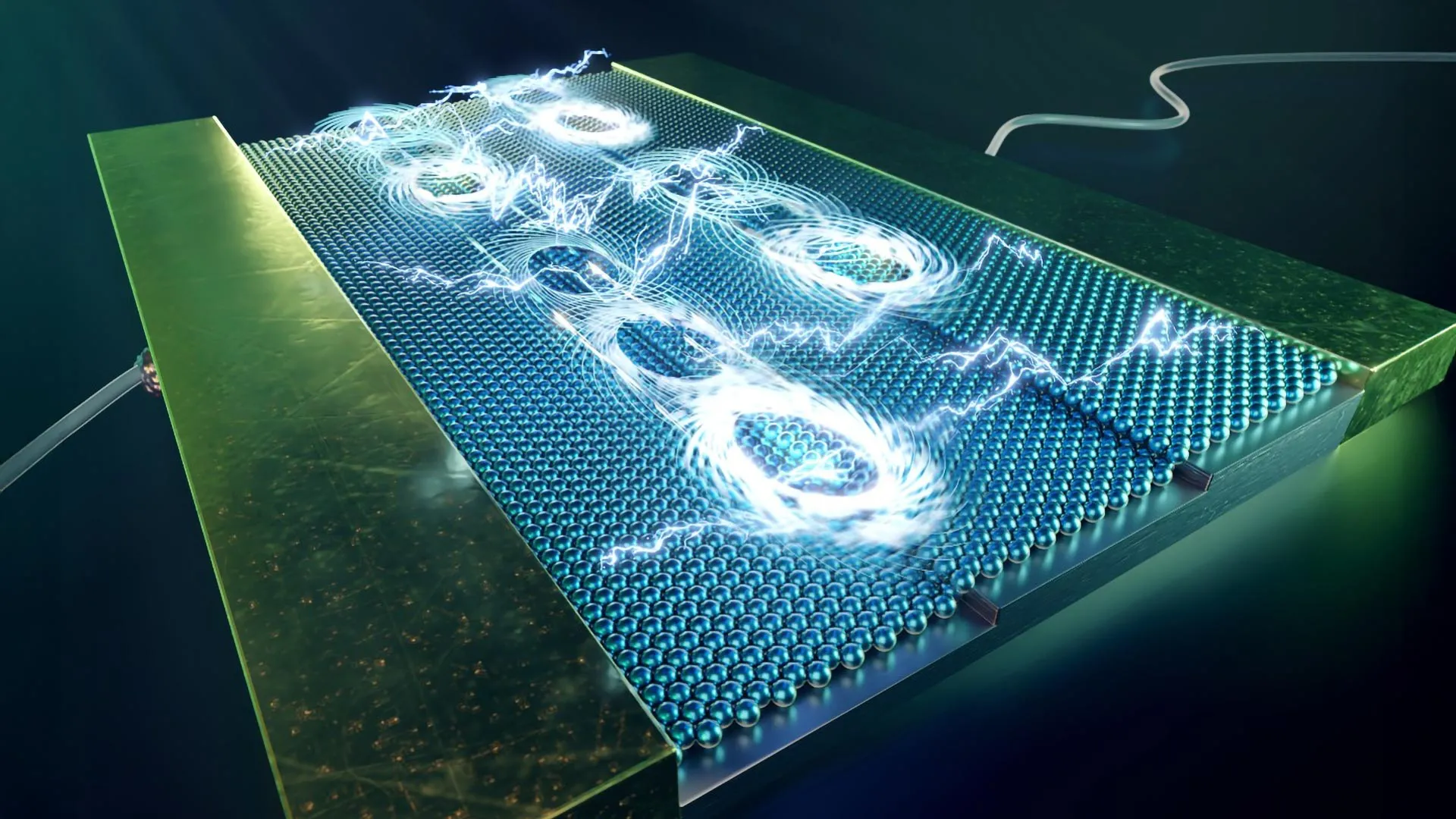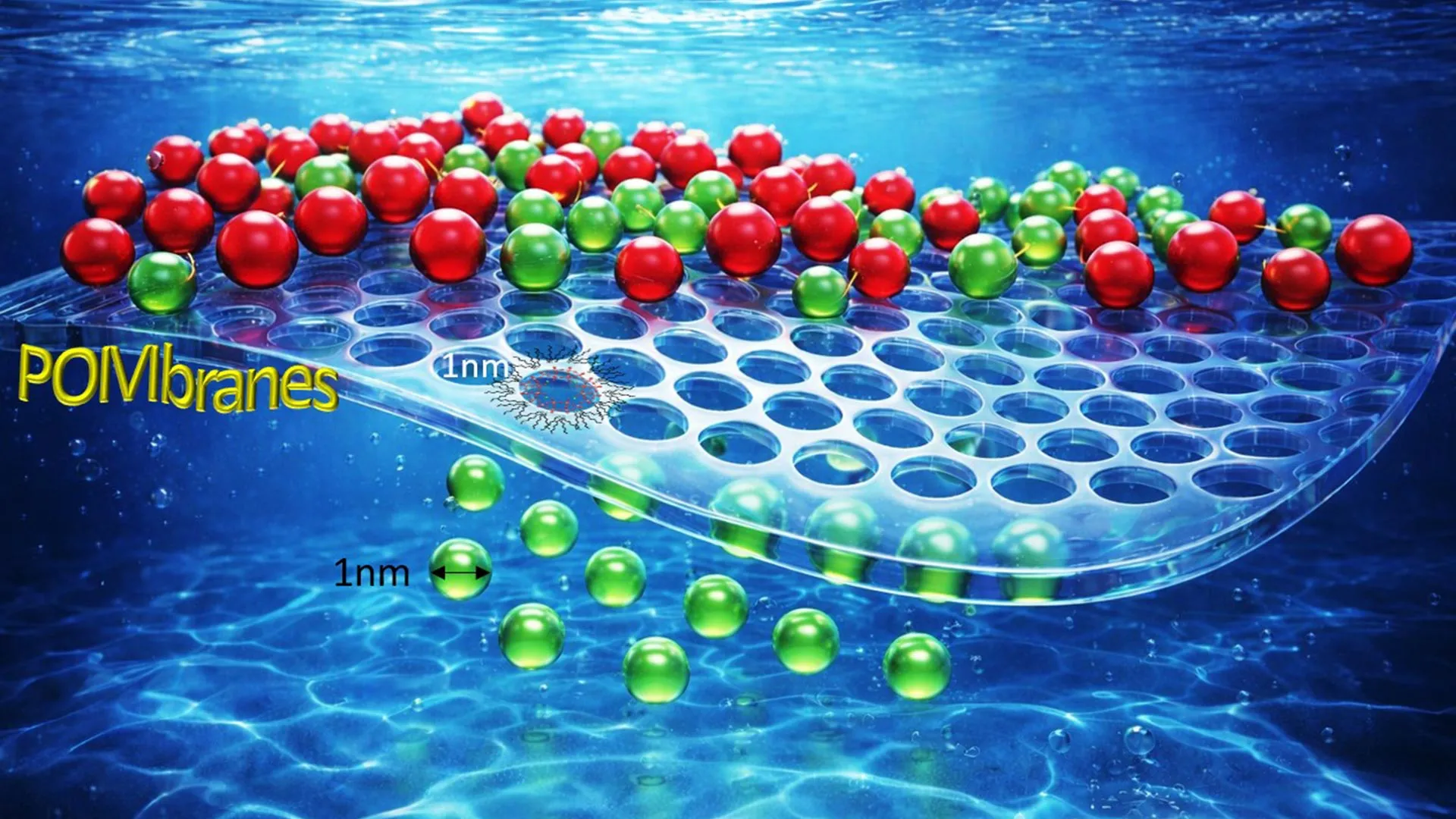
A collaborative research effort involving the CSIR-Central Salt and Marine Chemicals Research Institute (CSMCRI), the Indian Institute of Technology Gandhinagar (IITGN), Nanyang Technological University (NTU) in Singapore, and the S N Bose National Centre for Basic Sciences has led to the development of a groundbreaking filtration technology. This innovation, detailed in a recent study published in the prestigious Journal of the American Chemical Society (JACS), introduces "POMbranes"—a new class of crystalline membranes engineered at the molecular level to provide unprecedented precision in chemical separation. This development is poised to redefine industrial standards, offering a pathway for manufacturing sectors to drastically reduce energy consumption while maximizing water and solvent reuse.
The Energy Crisis in Industrial Separation Processes
Modern manufacturing is fundamentally built upon the ability to isolate specific molecules. Whether it is the purification of life-saving drugs in the pharmaceutical sector, the recovery of dyes in the textile industry, or the processing of raw materials in food production, separation is a ubiquitous requirement. However, these processes come with a staggering environmental and economic cost. Current estimates suggest that traditional separation methods, such as distillation, evaporation, and extraction, account for approximately 40% to 50% of the total energy consumed by global industries.
Distillation, the most common method, relies on the different boiling points of substances. Heating large volumes of liquids to their boiling points requires massive amounts of thermal energy, which in turn contributes significantly to global carbon emissions. While membrane-based filtration has long been proposed as a "cold" and more sustainable alternative, the technology has historically faced significant hurdles. Conventional polymer-based membranes often suffer from irregular pore sizes and structural instability. Under the high-pressure and chemically harsh conditions of industrial environments, these pores can stretch, clog, or degrade, leading to a loss in selectivity and a shortened operational lifespan.
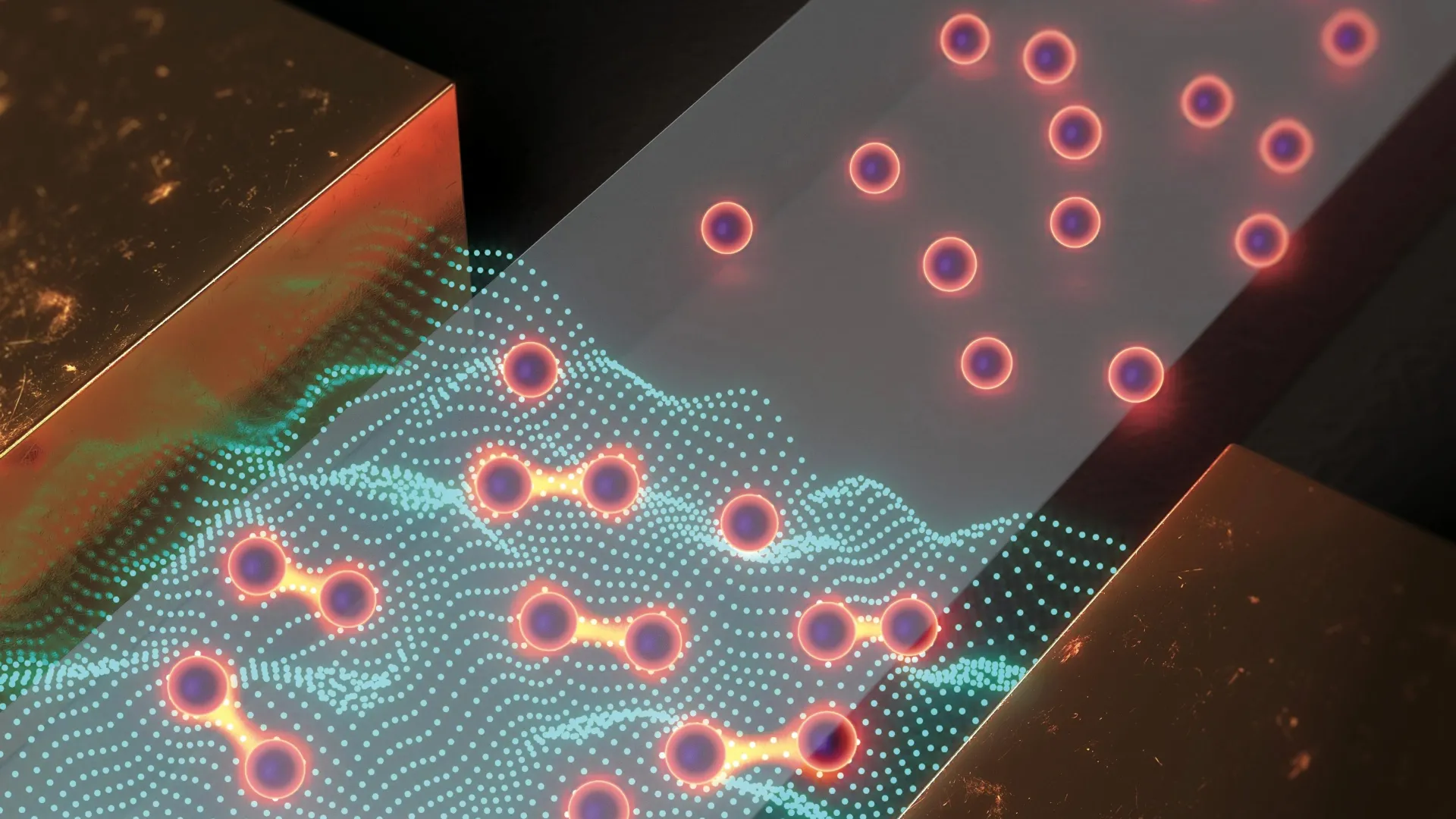
The newly developed POMbranes address these systemic vulnerabilities by moving away from flexible, irregular polymers toward rigid, crystalline structures that function with the precision of a molecular sieve.
The Science of POMbranes: Nature-Inspired Molecular Engineering
The core innovation of this technology lies in its inspiration from biological systems. In nature, biological membranes use specialized proteins called aquaporins to regulate the flow of water and solutes with near-perfect efficiency. These proteins contain channels that are precisely sized to allow only specific molecules to pass through while blocking others based on their size and charge.
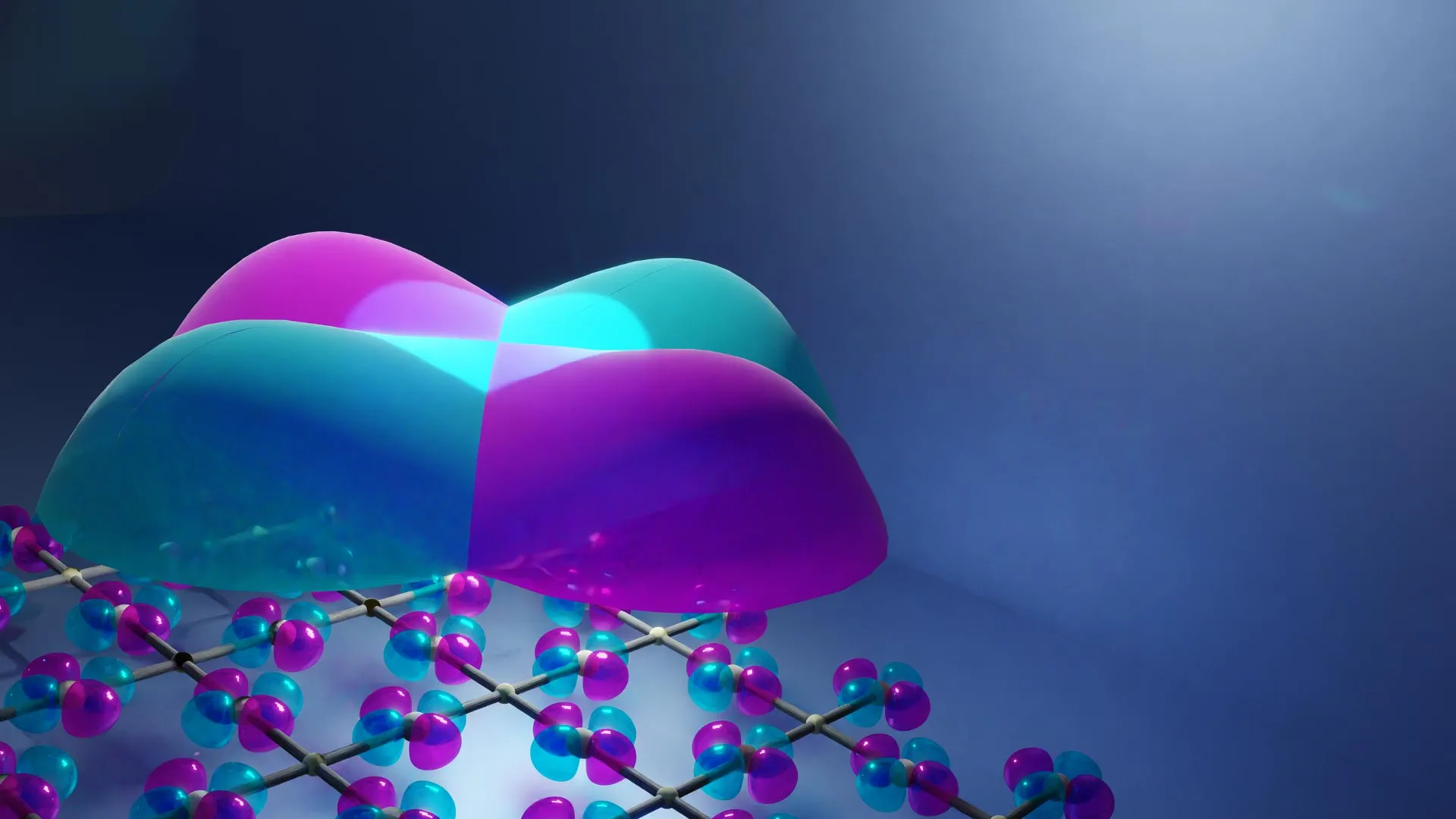
To replicate this biological precision in a synthetic format, the research team utilized polyoxometalate (POM) clusters. These are inorganic, crown-shaped metal clusters that possess a unique structural advantage: a naturally occurring, permanent opening at their center. Unlike the "holes" in traditional plastic or polymer filters, which are created during the manufacturing process and can vary in size, the holes in POM clusters are defined by their chemical bond lengths.
Dr. Shilpi Kushwaha, a Senior Scientist at CSMCRI, explained that these POMbranes contain pores approximately one nanometer wide—roughly 100,000 times thinner than a human hair. Because these pores are part of a rigid crystalline structure, they remain stable and do not deform under pressure or over time. Priyanka Dobariya, a research scholar at CSMCRI and co-first author, noted that this structural permanence solves the "biggest hurdle" associated with traditional filtration, where fluctuating pore sizes often lead to contaminated outputs.
Chronology of Development and Technical Synthesis
The development of POMbranes followed a rigorous multi-stage research timeline that integrated experimental chemistry with advanced computational modeling.
- Phase I: Molecular Design and Synthesis: The researchers first identified specific POM clusters that offered the desired 1-nanometer aperture. These clusters were synthesized to ensure high purity and structural integrity.
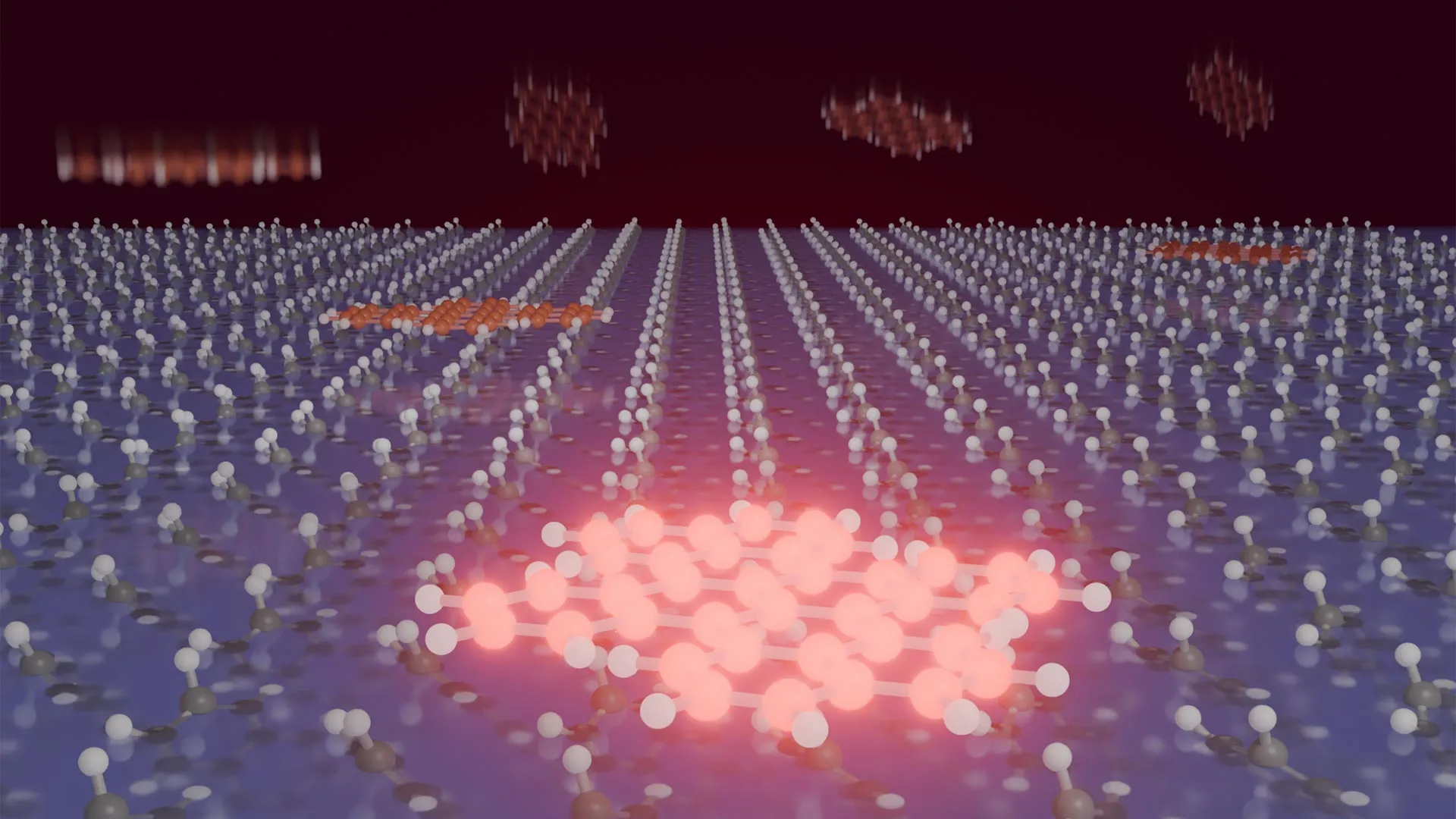
- Phase II: Functionalization: To transform individual clusters into a continuous membrane, the team attached flexible chemical chains to the POM rings. This modification was crucial for the "self-assembly" process.
- Phase III: Membrane Fabrication: Using a technique inspired by interfacial assembly, the modified clusters were spread across a water surface. The chemical chains allowed the clusters to organize themselves into an ultrathin, defect-free film. By adjusting the length of these chains, the researchers could precisely control the packing density of the clusters.
- Phase IV: Molecular Simulation: Dr. Raghavan Ranganathan and Vinay Thakur at IIT Gandhinagar conducted high-level molecular dynamics simulations. These simulations provided a "microscopic view" of how molecules interact with the POM pores, confirming that the separation was occurring exclusively through the designated one-nanometer channels.
- Phase V: Performance Testing: The resulting membranes were subjected to rigorous testing against various industrial solutes, measuring their ability to distinguish between molecules of nearly identical sizes.
Quantifying Performance: A Tenfold Leap in Efficiency
The empirical results of the study indicate that POMbranes represent a significant leap over state-of-the-art polymer membranes. In comparative testing, the POMbranes demonstrated nearly ten times better separation performance. One of the most striking metrics was the membrane’s ability to distinguish between molecules that differ in molecular weight by as little as 100 to 200 Daltons.
In the world of molecular filtration, such precision is rare. Most industrial membranes have a "molecular weight cut-off" (MWCO) that is either too broad or too inconsistent. The POMbrane’s ability to maintain a sharp cut-off means that valuable chemicals can be recovered with higher purity, and waste streams can be cleaned more effectively.
Furthermore, the research team confirmed that the membranes are highly durable. They remain stable across a wide range of acidity levels (pH ranges) and can be manufactured in large, flexible sheets. This scalability is a critical factor for industrial adoption, as any new technology must be able to fit into existing infrastructure like spiral-wound membrane modules.
Strategic Implications for India’s Textile and Pharmaceutical Sectors
The timing of this breakthrough is particularly relevant for India, which is currently undergoing a massive expansion of its industrial base. Two sectors, in particular, stand to benefit: textiles and pharmaceuticals.
The Textile Industry and Water Security
India’s textile and apparel sector is a cornerstone of the national economy, contributing over 2.3% to the GDP and accounting for 13% of industrial production. With the market projected to reach $350 billion by 2030, the environmental footprint of this growth is a major concern. Textile dyeing is a water-intensive process that generates vast quantities of wastewater contaminated with complex synthetic dyes and chemicals.
Currently, many textile units struggle with "Zero Liquid Discharge" (ZLD) requirements due to the high cost of treating dye-laden water. The POMbrane technology allows for the selective removal of dye molecules, enabling the water to be recycled back into the production cycle. This not only reduces the demand for freshwater but also allows for the potential recovery and reuse of expensive dyes, turning a waste problem into a circular economy opportunity.
Pharmaceutical Purity and Solvent Recovery
In pharmaceutical manufacturing, the stakes are even higher. Drug purification and solvent recovery are sensitive processes where even minor impurities can compromise product safety. Traditional thermal separation can sometimes degrade heat-sensitive Active Pharmaceutical Ingredients (APIs).
The POMbranes provide a "cold" separation method that maintains the integrity of the drugs while requiring significantly less energy. Vinay Thakur of IITGN emphasized that the high selectivity of these membranes ensures that stringent pharmaceutical standards are met while simultaneously lowering operational costs.
Broader Impact: A Platform for Sustainable Manufacturing
Beyond specific industries, the researchers describe POMbranes as a "platform technology." Because the structure of the POM clusters can be chemically tuned, the membranes can potentially be customized for a variety of tasks, including:
- Desalination: Providing a more energy-efficient way to produce potable water from seawater.
- Carbon Capture: Potentially separating CO2 from industrial flue gases.
- Lithium Recovery: Assisting in the extraction of lithium from brine, a critical step for the global transition to electric vehicles.
Dr. Ketan Patel, Principal Scientist at CSMCRI, highlighted that the combination of flexibility, stability, and scalability makes this technology a viable candidate for wide-scale industrial integration. As global regulations regarding carbon footprints and wastewater discharge become increasingly strict, the demand for such high-efficiency filtration systems is expected to surge.
Conclusion: Nature’s Blueprint for Industrial Progress
The development of POMbranes serves as a testament to the power of interdisciplinary and international collaboration. By combining the principles of inorganic chemistry, materials engineering, and biological mimicry, the research team has solved a fundamental challenge in industrial separation.
The move from "probabilistic" filtration—where irregular pores catch some molecules and miss others—to "deterministic" filtration—where every pore is an identical, engineered gateway—marks a new era in chemical engineering. As this technology moves from the laboratory to industrial-scale pilot programs, it offers a glimpse into a future where manufacturing is defined not by its energy consumption, but by its molecular precision and environmental harmony. By adopting nature-inspired designs, the global industrial complex may finally find a way to decouple economic growth from ecological degradation.