The persistence of estrogen receptor-positive (ER+) breast cancer remains one of the most formidable challenges in modern oncology, as patients often face the threat of recurrence years or even decades after being declared cancer-free. A landmark study published in the Journal of Clinical Investigation has now provided a critical breakthrough in understanding how these dormant cells survive and evolve within the human body. Researchers from the University of Michigan and the University of California San Diego have identified a sophisticated "smuggling" mechanism that allows cancer cells to hide within the bone marrow, where they hijack the resources of healthy cells to develop resistance to standard treatments.
Estrogen receptor-positive breast cancer is the most prevalent form of the disease, accounting for approximately 70% to 80% of all breast cancer diagnoses. While early-stage treatment—including surgery, radiation, and hormonal therapies like Tamoxifen—is often successful in achieving initial remission, the long-term prognosis is clouded by a high rate of late-stage relapse. Statistics indicate that approximately 40% of patients with ER+ breast cancer will experience a recurrence. Frequently, this return manifests as aggressive metastatic disease in the bone, leading to debilitating symptoms such as pathological fractures, severe pain, and life-threatening hypercalcemia.
The Bone Marrow as a Sanctuary for Dormant Cells
The bone marrow has long been recognized as a "sanctuary site" for disseminated tumor cells (DTCs). These cells exit the primary breast tumor early in the progression of the disease and migrate through the bloodstream to the marrow. Once there, they can enter a state of quiescence or "sleep," making them nearly invisible to traditional chemotherapy, which primarily targets rapidly dividing cells.
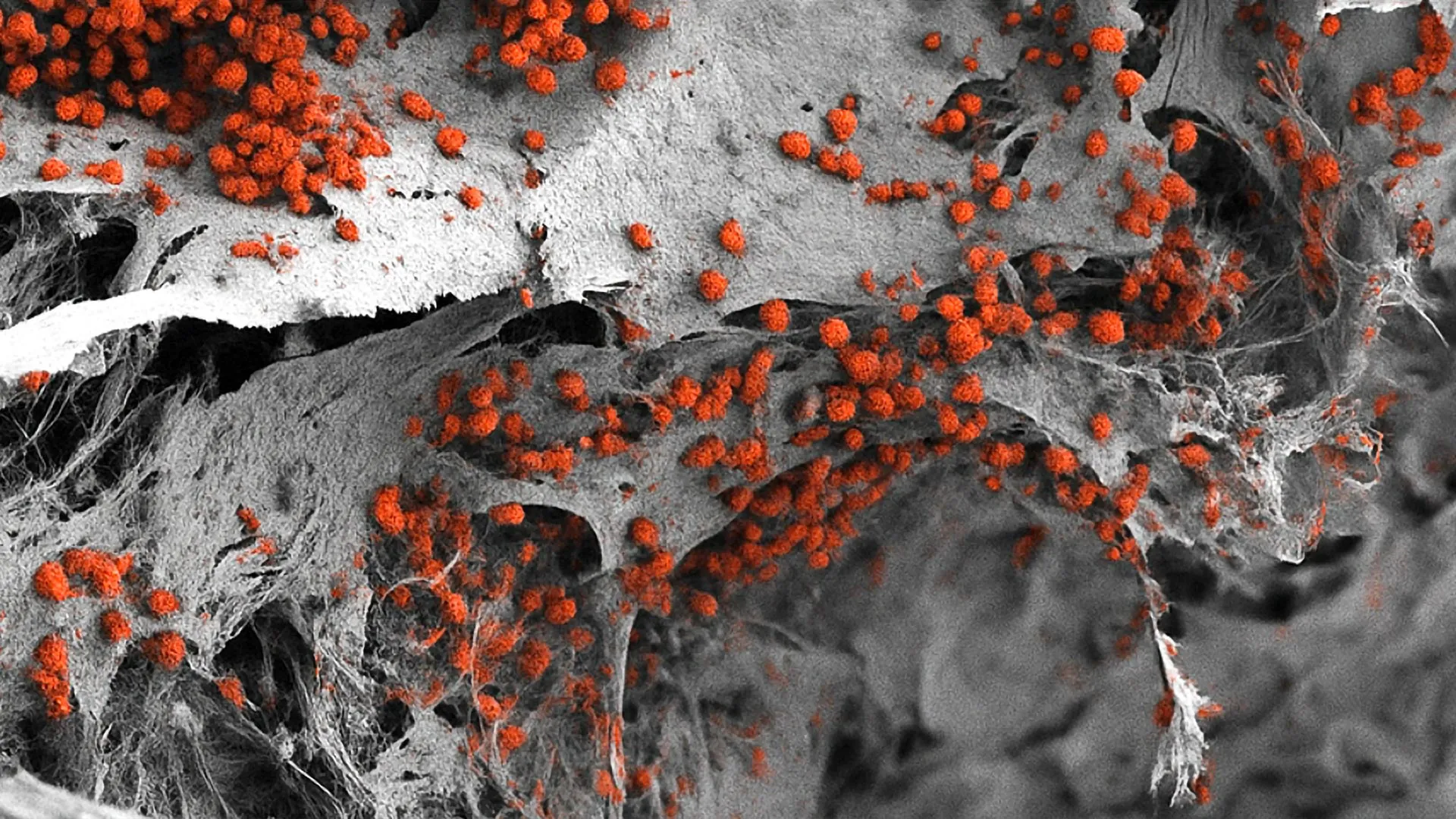
The research team, led by Gary Luker, M.D., head of the University of Michigan’s Luker Lab within the Center for Molecular Imaging, and Pradipta Ghosh, M.D., a professor at the UC San Diego School of Medicine, sought to determine why these cells remain viable for so long and why they eventually emerge as more aggressive, drug-resistant versions of their former selves. Their investigation focused on the interaction between breast cancer cells and the bone marrow microenvironment, specifically the role of mesenchymal stem cells (MSCs).
MSCs are essential components of the bone marrow stroma, responsible for tissue repair, immune modulation, and the maintenance of the skeletal system. However, the study reveals that when cancer cells enter this environment, they manipulate these "generous neighbors" into providing the biological tools necessary for survival and eventual re-awakening.
The CX43 Tunnel Mechanism: A Biological Smuggling Operation
The core of the discovery lies in the identification of "tumor-stroma tunnels" formed by the protein Connexin 43 (CX43). These tunnels serve as physical bridges between the breast cancer cells and the mesenchymal stem cells. Through these gap junctions, the cancer cells do not merely interact with their environment; they physically "borrow" or "smuggle" vital molecules directly from the healthy stem cells.
"We discovered that the breast cancer cells require direct contact with mesenchymal stem cells," Dr. Luker explained. "The cancer cells physically borrow molecules—proteins, messenger RNA—directly from the mesenchymal stem cells. Essentially, the mesenchymal stem cells act as very generous neighbors in donating things that make the cancer cells more aggressive and drug resistant."
In laboratory experiments, the researchers observed that this direct contact induced significant changes in hundreds of proteins within the cancer cells. This transfer of material essentially "reprograms" the cancer cells, shifting them from a vulnerable state to one characterized by high invasiveness and survival capability. This process explains how a cell that was once susceptible to estrogen-blocking drugs can evolve into a metastatic powerhouse while hidden in the bone.
Identifying GIV as the Key Driver of Resistance
To pinpoint which smuggled proteins were most responsible for this transformation, the research team conducted a detailed proteomic analysis. Their search led them to a protein known as GIV (Girdin), which is recognized for its role in cell motility and signaling. The study found that GIV is a primary cargo item moved through the CX43 tunnels.
The implications of GIV acquisition are profound. The paper notes that GIV drives "invasiveness, chemoresistance, and acquisition of metastatic potential in multiple cancers." In the context of ER+ breast cancer, GIV specifically enables the cells to bypass the pathways targeted by estrogen-targeted therapies. For example, Tamoxifen works by blocking estrogen receptors on cancer cells, preventing the hormones from signaling the cells to grow. However, when cancer cells acquire GIV from bone marrow stem cells, they can activate growth and survival pathways independently of estrogen, rendering the treatment ineffective.
This discovery provides a clear mechanical explanation for why patients who have been on hormonal therapy for years can suddenly experience a relapse. The "sleeper cells" are not just resting; they are actively arming themselves by siphoning resources from the surrounding bone marrow.
Chronology of Breast Cancer Treatment and the Quest for Long-Term Remission
The history of breast cancer treatment has seen a steady progression from broad, systemic approaches to highly targeted molecular interventions. Understanding the timeline of these advancements highlights why the U-M and UCSD study is considered a pivotal moment in the field:
- 1890s – 1960s: The era of radical surgery. Treatment focused on the physical removal of the tumor and surrounding tissue, but did little to address systemic spread.
- 1970s: The introduction of Tamoxifen revolutionized the treatment of ER+ breast cancer by targeting the hormonal drivers of the disease.
- 1990s: The development of aromatase inhibitors provided alternative options for post-menopausal women, further reducing recurrence rates.
- 2000s – 2010s: The focus shifted toward understanding the "seed and soil" hypothesis—how the microenvironment (the soil) supports the growth of cancer cells (the seeds).
- 2020s: Current research, including this study, is now looking at the "dormancy" phase, seeking to intervene during the years of remission rather than waiting for the disease to reappear.
The transition from treating active tumors to managing "sleeper cells" represents the next frontier in oncology. By identifying the CX43 tunnels and the transfer of GIV, researchers have moved from observing recurrence to identifying its architectural cause.
Supporting Data and the Burden of Bone Metastasis
The clinical importance of this study is underscored by the statistics surrounding metastatic breast cancer. Bone is the most common site for breast cancer metastasis, affecting approximately 70% of women with advanced disease. Once breast cancer establishes a foothold in the bone, the five-year survival rate drops significantly compared to localized disease.
The bone marrow environment is uniquely hospitable to cancer because of its rich supply of growth factors and its role as a reservoir for immune cells. However, the "vicious cycle" of bone metastasis—where cancer cells stimulate bone-destroying cells (osteoclasts), which in turn release more growth factors from the bone matrix—usually describes the stage where tumors are already growing. The U-M and UCSD study identifies the stage preceding this cycle: the period where the cancer is still "dormant" but is actively acquiring the tools (like GIV) to trigger that destruction later.
Furthermore, the study’s findings on hypercalcemia—a condition where high levels of calcium are released into the blood as bone is destroyed—highlight the systemic danger of bone recurrence. Hypercalcemia can lead to kidney failure, cardiac arrhythmias, and cognitive impairment, making the prevention of bone-based relapse a matter of critical systemic health.
Expert Reactions and Future Clinical Implications
The oncology community has reacted to these findings with cautious optimism, as they point toward a new class of potential therapeutic targets. Dr. Pradipta Ghosh emphasized that the "smuggling" metaphor is not just a descriptive tool but a roadmap for future drug development.
"Since these cancer cells ‘borrow’ essential proteins from stem cells in the bone marrow through cellular tunnels—much like smuggling—approaches for targeting the tunnels or proteins they smuggle could help prevent the relapse and metastasis of estrogen receptor positive breast cancer," Dr. Ghosh stated.
Potential future interventions could include:
- CX43 Inhibitors: Developing drugs that specifically block the formation of gap junctions between cancer cells and MSCs, effectively "starving" the dormant cells of the proteins they need to become aggressive.
- GIV-Targeted Therapies: Creating molecules that inhibit the GIV protein once it has been acquired by the cancer cell, thereby restoring the cell’s sensitivity to Tamoxifen and other hormonal treatments.
- Diagnostic Monitoring: Developing biomarkers to detect the presence of GIV-positive disseminated tumor cells in the bone marrow during the remission period, allowing for preventative treatment before a full-scale relapse occurs.
While these applications are still in the laboratory and early experimental phases, the clarity of the mechanism identified provides a specific target that was previously missing.
Analysis of Broader Impact
This research transcends ER+ breast cancer, as the mechanism of "tumor-stroma tunnels" may be a universal strategy used by various cancers that metastasize to the bone, such as prostate and lung cancer. If the CX43-GIV pathway is a common denominator in how cancer cells survive in the marrow, the impact of this study could extend to a much wider patient population.
Moreover, the study challenges the traditional view of cancer dormancy as a passive state. By showing that cancer cells are active "borrowers" during their dormant phase, the research suggests that the window of opportunity for treatment is much wider than previously thought. Instead of a binary of "active disease" versus "remission," clinicians may eventually view the remission period as a phase of "slow-motion progression" that requires active management.
The collaboration between the University of Michigan and UC San Diego also highlights the importance of multi-institutional research in tackling complex biological problems. By combining U-M’s expertise in molecular imaging and bone marrow niches with UCSD’s insights into cellular signaling and protein smuggling, the team was able to map a process that neither could have fully deciphered in isolation.
As the medical community moves toward "precision prevention," the ability to disrupt the survival lines of dormant cancer cells offers a promising path toward turning a chronic, lingering threat into a manageable—or even eradicable—condition. For the millions of breast cancer survivors currently in the "waiting period" of remission, this research provides not only a better understanding of the risks they face but also the hope for new therapies designed to keep the "sleeper cells" from ever waking up.