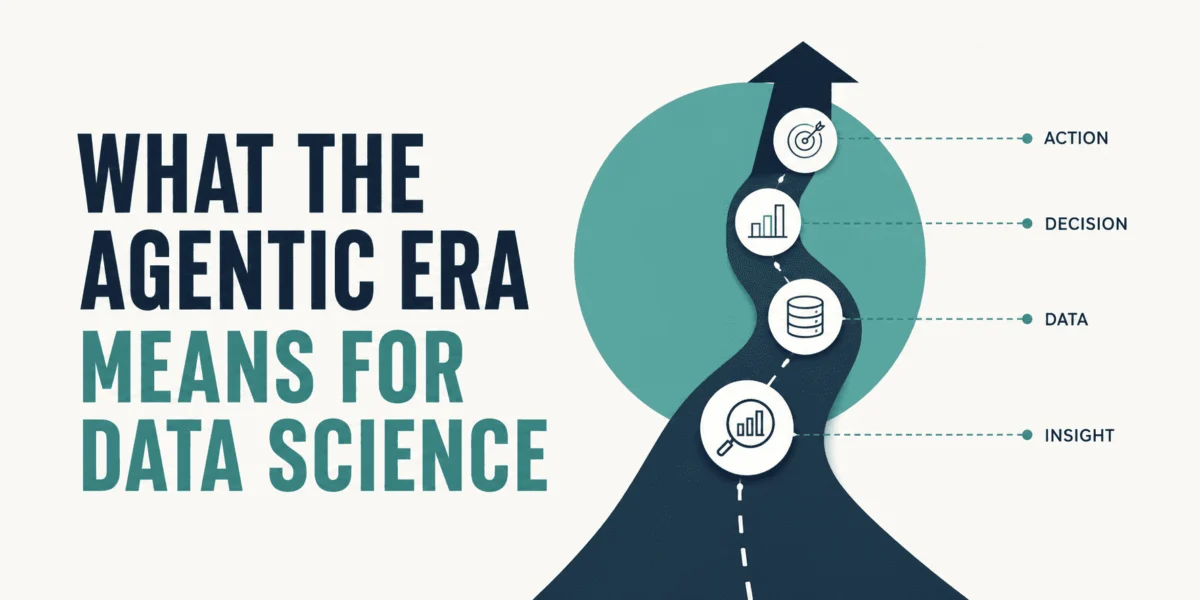
The intersection of artificial intelligence and data science has undergone a profound transformation, fundamentally reshaping the daily operations and strategic focus of practitioners worldwide. Gone are the days when AI systems merely generated static responses; the prevailing paradigm now involves sophisticated, autonomous agents capable of planning, executing multi-step tasks, invoking external tools, rigorously evaluating their own outputs, and iteratively refining their approach until desired outcomes are achieved. We are not merely on the cusp of the agentic era; we are fully immersed in it, witnessing AI systems deploy goal-directed behaviors that are rewriting the very definition of a data scientist’s role.
Historically, the data science profession has demanded a rare synthesis of statistical acumen, programming proficiency, and deep domain expertise. This evolving landscape introduces a critical fourth dimension: the indispensable ability to design, deploy, and meticulously evaluate intelligent systems that operate independently on behalf of users. To overlook this seismic shift is to risk professional obsolescence and a significant decline in productivity compared to peers. Conversely, embracing and mastering this new frontier promises an exponential compounding of effectiveness across all facets of one’s work, unlocking unprecedented levels of automation and analytical depth.
The Genesis of Autonomy: A Brief Timeline
The journey to the agentic era is rooted in decades of AI research, accelerating dramatically with recent breakthroughs in large language models (LLMs). While early AI systems focused on symbolic reasoning and expert systems in the 1980s, and machine learning brought statistical pattern recognition to the forefront in the 2000s, the real catalyst for agentic behavior emerged with the advent of deep learning and transformer architectures in the late 2010s. The development of models like Google’s BERT (2018) and OpenAI’s GPT series (starting with GPT-2 in 2019, culminating in GPT-4 and beyond) marked a pivotal moment. These models demonstrated unprecedented capabilities in understanding context, generating coherent text, and even performing basic reasoning tasks.
However, a single LLM, despite its impressive linguistic prowess, remained a passive responder. The conceptual leap to agentic AI occurred when researchers began to integrate these powerful language models with external tools and an iterative control loop. This allowed LLMs to not just answer questions, but to solve problems by breaking them down, interacting with their environment (through tools), and learning from the outcomes. The last 18-24 months have seen an explosion of open-source and commercial efforts dedicated to building these "tool-using, self-reflecting" AI agents, moving them from theoretical concepts to practical, deployable systems. This rapid progression underscores the dynamic and fast-paced nature of innovation in the AI landscape.
Redefining the Baseline: Anatomy of an AI Agent
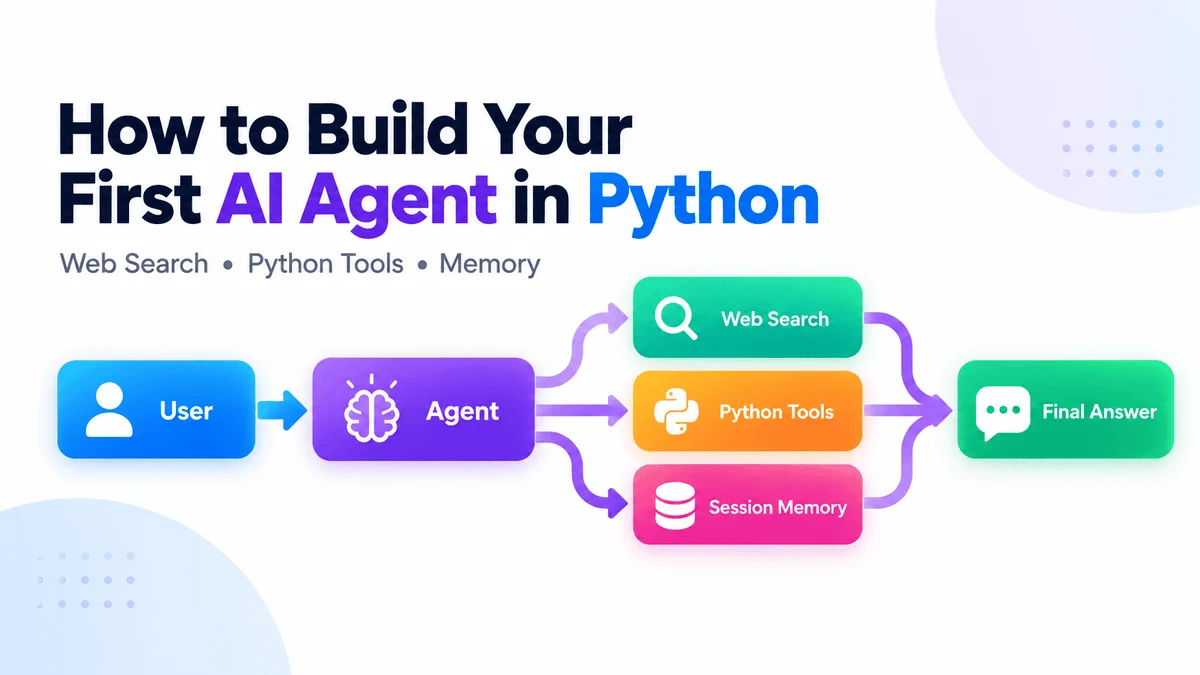
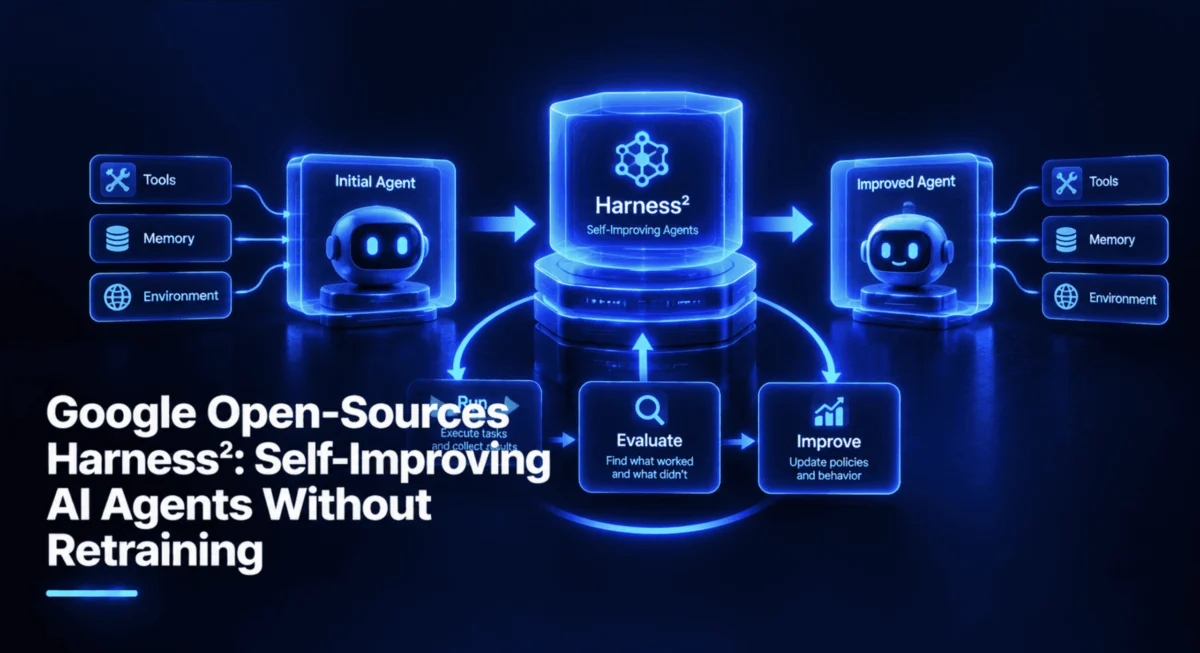
To fully grasp the stakes, it is crucial to understand the operational mechanics of an AI agent in a production environment today. Fundamentally, an AI agent is a system designed to perceive its environment, reason about the optimal next course of action, execute those actions using available tools, and subsequently evaluate the results. This continuous cycle, often referred to as the Perception-Reasoning-Action-Evaluation (PRAE) loop, forms the bedrock of agentic autonomy.
This paradigm starkly contrasts with traditional LLM interactions, where a user submits a prompt and receives a singular, static response. An agent, by design, operates through continuous, iterative loops. Upon receiving a defined goal, it intelligently selects the most appropriate tool from its arsenal, observes the outcome of that tool’s execution, updates its internal reasoning based on the observed results, and then either pivots to a new strategy or pushes forward with the current trajectory. This intricate cycle can unfold across dozens of discrete, behind-the-scenes steps, mimicking a simplified problem-solving process typically performed by a human.
What truly distinguishes this paradigm is its native tool integration. In a contemporary data science context, an agent can autonomously perform a sequence of complex tasks: retrieving a specific dataset from a database, performing data scrubbing and cleaning operations, running comprehensive exploratory data analysis (EDA), training a baseline machine learning model, meticulously evaluating its performance against predefined metrics, and finally, generating a structured report detailing its findings. Crucially, all these procedural steps can be executed without direct human intervention, allowing data scientists to delegate the repetitive, execution-heavy aspects of their work. Industry reports suggest that early adopters of agentic workflows have seen productivity gains upwards of 25-30% in routine data processing and analysis tasks, allowing human talent to focus on higher-order strategic challenges.
The Orchestration Ecosystem: Frameworks Driving Autonomy
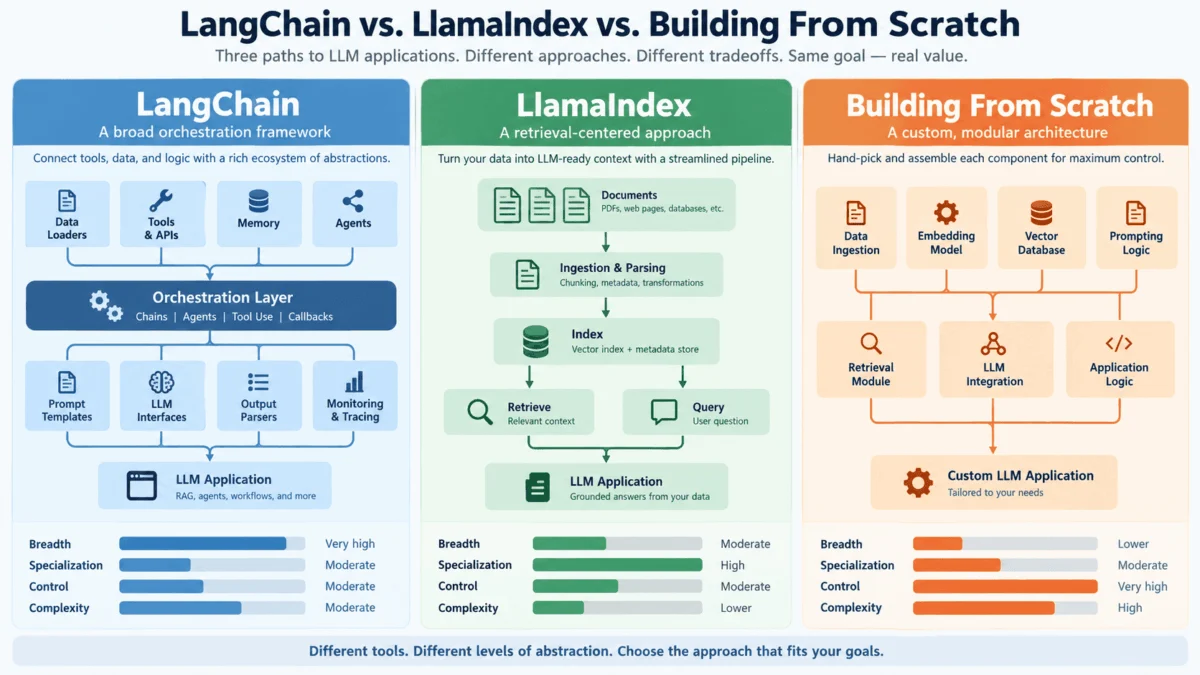
The rapid maturation of agentic AI has been significantly bolstered by the evolution of specialized frameworks, transitioning from experimental libraries to robust, production-grade orchestrators. While these frameworks share the core principle of providing an LLM structured access to tools and a sophisticated reasoning engine to utilize them, they adopt distinct architectural approaches tailored to different workflow requirements.
-
LangGraph: Emerging from the widely adopted LangChain ecosystem, LangGraph focuses on graph-based workflow orchestration. Its design philosophy emphasizes explicit state management and conditional branching, making it ideally suited for complex, non-linear pipelines. For data scientists, LangGraph is becoming an industry standard for production-grade workflows, accommodating both single- and multi-agent systems where the precise control over execution flow and internal state is paramount. By 2026, it is projected to be the go-to framework for designing intricate decision trees and dynamic processes that adapt based on intermediate results, essential for tasks like automated data quality checks with branching repair strategies.
-
AutoGen: Developed by Microsoft, AutoGen champions multi-agent conversational patterns. Its strength lies in facilitating collaborative scenarios where multiple agents, each with a defined role, can interact, debate, and verify each other’s outputs. This makes AutoGen an excellent fit for built-in review steps, such as a "critic agent" interrogating the reasoning or code produced by a "coder agent." The framework’s flexibility allows for sophisticated human-agent or agent-agent collaboration. It’s important to note the significant architectural differences between AutoGen v0.2 and the newer v0.4/AG2, requiring users to verify documentation specific to their target version. Analysts anticipate AutoGen will see widespread adoption in scenarios requiring robust validation and collaborative problem-solving, particularly in highly regulated industries.
-
smolagents: This framework distinguishes itself through a code-first, minimalist execution philosophy. Designed for data scientists comfortable operating within pure Python environments, smolagents excel at code-heavy tasks that leverage the full scientific Python stack (e.g., NumPy, Pandas, Scikit-learn). Its straightforward approach reduces the abstraction layer, offering direct control and ease of integration for those already deeply embedded in Python-centric data workflows. For practitioners prioritizing transparency, direct code interaction, and minimal overhead, smolagents presents a natural and highly efficient choice. Its simplicity allows for rapid prototyping and deployment of agents focused on specific, code-driven analytical tasks.
Beyond these prominent frameworks, a burgeoning ecosystem of libraries and platforms is emerging, each aiming to simplify the creation and deployment of autonomous agents. This competitive landscape is driving rapid innovation, making agentic AI more accessible to a broader range of data professionals.
Shifting the Workflow: From Procedural Execution to Evaluative Judgment
The most immediate and tangible impact of the agentic era on a data scientist’s daily routine is the widespread automation of routine and repetitive workflows. Consider a standard exploratory data analysis (EDA) pipeline: traditionally, a data scientist would manually import datasets, generate summary statistics, visualize distributions, identify correlations, and meticulously hunt for outliers. Today, a meticulously designed agent, given a high-level instruction, can execute every one of these steps autonomously, documenting observations in structured formats and flagging anomalies for human review. This automation not only accelerates the process but also introduces a level of consistency and thoroughness that manual execution often struggles to maintain.
This paradigm shift extends deeply into machine learning engineering as well. Pipelines that once demanded painstaking manual iteration across various preprocessing choices, model selection algorithms, and hyperparameter tuning configurations are now largely managed by agentic orchestration. While this dramatically reduces the procedural burden, it crucially does not eliminate the need for human judgment at critical decision points. For instance, an agent might propose several optimal model configurations, but the final selection, particularly when considering business context, ethical implications, or long-term maintenance, still resides with the human expert.
This last point is paramount: the agentic era does not signal the obsolescence of the data scientist. Instead, it fundamentally reshapes the role, elevating it towards higher-order strategic decisions. Agents absorb the procedural weight – the "how do I do this again?" repetition that historically consumed countless hours. Data scientists, in turn, retain the evaluative weight – the critical "is this the right thing to do?" judgment that no model, however advanced, can replicate. This synergistic relationship empowers data scientists to transcend mere execution and dedicate their intellectual capital to problem formulation, strategic interpretation of results, and innovative solution design.
The 2026 Skill Stack: Evolving Competencies for the Future
While technical proficiency in Python, statistics, and machine learning remains the irreducible foundation for any data professional, the agentic reality demands a sophisticated new tier of competencies built upon this established base. Data scientists aiming to thrive by 2026 will need to cultivate a diverse skill set:
- Advanced Prompt Engineering & Agent Instruction: Moving beyond basic prompt crafting, this involves designing complex, multi-turn prompts and strategic goal definitions that guide autonomous agents through intricate problem-solving processes. It requires understanding how to break down complex tasks into sub-goals that agents can effectively process.
- Tool Design and Integration: The ability to develop, package, and integrate custom tools (e.g., API wrappers, database connectors, custom Python functions) that agents can invoke. This includes defining clear function signatures and descriptions that agents can interpret.
- Orchestration and Workflow Architecture: Expertise in using frameworks like LangGraph, AutoGen, or similar tools to design, build, and manage complex, multi-step agentic workflows, including state management, conditional logic, and error handling.
- Agent Evaluation and Monitoring: Developing robust methodologies and metrics to assess the performance, reliability, and safety of autonomous agents. This goes beyond traditional model evaluation to include assessing an agent’s reasoning process, tool usage, and adherence to ethical guidelines.
- System Design for Autonomy: Understanding how to architect entire systems where agents operate, including considerations for data flow, security, scalability, and resilience in an autonomous environment.
- Ethical AI and Governance: A heightened awareness of ethical implications, bias detection, fairness, and safety protocols specifically within autonomous systems. This includes designing agents that respect privacy, avoid discriminatory outcomes, and are accountable for their actions.
- Human-Agent Collaboration: Mastering the art of effectively collaborating with AI agents, knowing when to intervene, when to trust autonomous decisions, and how to interpret agentic outputs to derive actionable insights.
- Reinforcement Learning from Human Feedback (RLHF) Principles: While not directly building RLHF models, understanding its principles can help in providing effective feedback and fine-tuning instructions for agentic systems.
These emerging skills highlight a pivot towards system-level thinking, architectural design, and strategic oversight, moving beyond isolated model building.
The Evolution of Roles: Specialization in the Agentic Landscape
The rise of agentic AI is not eliminating data science jobs but rather catalyzing a natural evolution and specialization of roles, ultimately raising the ceiling on what an individual practitioner or team can achieve. This shift is creating a clearer distinction between those who primarily use agents to augment their existing workflows and those who build and maintain the underlying agentic infrastructure.
- Agent-Augmented Data Scientists/Analysts: These professionals leverage off-the-shelf or custom-built agents to significantly accelerate their data collection, cleaning, EDA, model prototyping, and reporting tasks. Their focus remains on problem formulation, interpreting agent outputs, extracting strategic insights, and making high-level decisions, rather than manual execution. They become super-users of agentic tools, enhancing their analytical throughput and impact.
- Agentic AI Engineers: This role specializes in the design, development, and deployment of robust AI agents and multi-agent systems. They are proficient in orchestration frameworks, tool integration, prompt engineering for agentic behavior, and ensuring the reliability and scalability of autonomous workflows. Their work involves building the "brains" and "tool-kits" that empower data scientists.
- AI Solution Architects/Strategists: Operating at a higher level, these professionals are responsible for identifying opportunities for agentic AI within an organization, designing the overall architecture of complex agentic solutions, and aligning agent capabilities with business objectives. They bridge the gap between technical possibilities and strategic imperatives.
- AI Governance and Ethics Specialists: With autonomous systems making decisions, the importance of ethical oversight, bias detection, compliance, and accountability becomes paramount. These specialists ensure that agentic deployments adhere to organizational values, regulatory requirements, and societal standards.
This evolving landscape suggests a future where data science teams are not just collections of individual contributors but sophisticated ecosystems of human and AI collaboration, each playing a specialized role in maximizing analytical output and strategic impact.
Keeping Pace: A Pragmatic Approach to Adaptation
For practitioners who are still navigating this rapidly evolving landscape, the most practical and effective starting point is deliberately modest. The objective should not be to automate an entire job function overnight, but rather to build foundational hands-on experience and intuition.
Begin by experimenting with a single-agent system, perhaps utilizing a framework like smolagents for its minimalist approach or LangGraph for its explicit control. Grant this agent access to two or three relevant tools that address a specific task you currently perform manually. Test this system against a problem where you already know the expected outcome, allowing for honest and direct evaluation of its performance. Once this initial system demonstrates reliable operation, gradually introduce a second agent, perhaps tasked with a different specialization or a review function, as seen in AutoGen’s multi-agent patterns. Crucially, establish robust logging mechanisms, clearly define success criteria, and conduct systematic tests to validate the agent’s behavior and outputs.
Vinod Chugani, an AI and data science educator specializing in bridging the gap between emerging AI technologies and practical application, emphasizes this hands-on approach. "The data scientists who will truly thrive in this era are the ones who build hands-on intuition with these tools and develop the evaluative thinking required to deploy autonomous systems responsibly," Chugani states. "The only way to keep pace is to actively participate in building it, even if starting small."
The agentic era represents more than just a technological upgrade; it signifies a fundamental shift in how human intelligence interacts with artificial intelligence. By embracing these changes, acquiring new competencies, and adopting a mindset of continuous learning and experimentation, data scientists can not only navigate this new frontier but also emerge as its architects, driving innovation and unlocking unprecedented value across industries. The future of data science is autonomous, collaborative, and profoundly transformative.