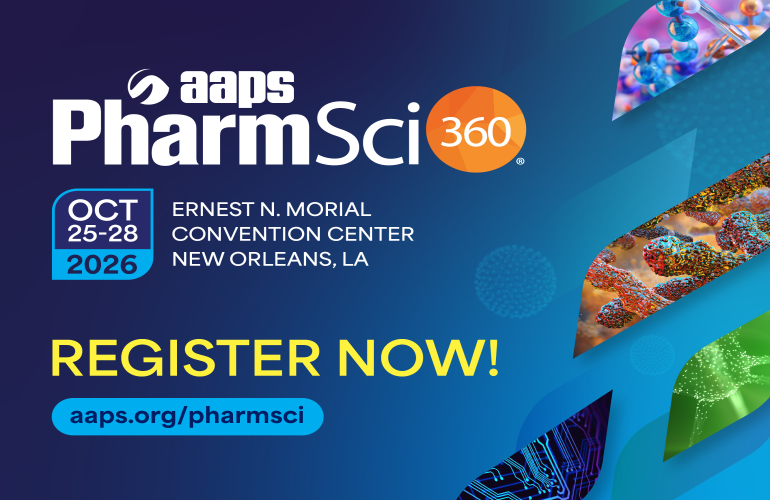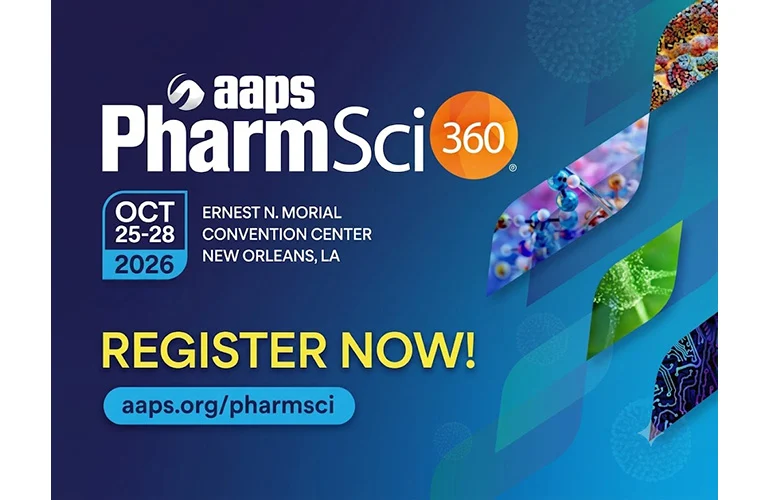
The American Association of Pharmaceutical Scientists (AAPS) is set to convene its premier annual gathering, PharmSci 360, from October 25 to 28, 2026, at the expansive Ernest N. Morial Convention Center in New Orleans, Louisiana. This flagship event is anticipated to draw thousands of leading scientists, researchers, and professionals from diverse sectors including academia, industry, and government, solidifying its role as a pivotal forum for advancing pharmaceutical sciences and drug development globally.
A Legacy of Scientific Collaboration: The AAPS and PharmSci 360
Founded in 1986, the American Association of Pharmaceutical Scientists has grown into a prestigious international professional organization with a robust membership exceeding 7,000 individuals worldwide. Its core mission revolves around advancing the capacity of pharmaceutical scientists to discover, develop, and manufacture innovative medicines that address unmet medical needs. AAPS achieves this through various initiatives, including scientific meetings, publications, and professional development programs designed to foster collaboration, knowledge exchange, and scientific excellence.
PharmSci 360 itself represents an evolution in scientific conferencing. Historically, AAPS hosted several specialized meetings catering to distinct areas of pharmaceutical science. Recognizing the increasingly integrated and multidisciplinary nature of drug development, AAPS strategically consolidated these into PharmSci 360. This "360-degree" approach, launched in recent years, aims to offer a comprehensive view of the entire drug development pipeline, from early discovery to patient delivery, while also allowing attendees to delve deeply into specific areas of interest. The meeting is lauded for its unique ability to combine the extensive networking opportunities and broad scope of a large scientific conference with the focused, in-depth technical content characteristic of smaller, specialist forums. This dual emphasis ensures that both broad-minded innovators and highly specialized experts find immense value in the program.
New Orleans: A Vibrant Host for Global Science
The choice of New Orleans as the host city for PharmSci 360 2026 underscores its growing appeal as a destination for major international conferences. The Ernest N. Morial Convention Center, one of the largest and most technologically advanced exhibition centers in the United States, offers over 1.1 million square feet of contiguous exhibit space, ideal for accommodating the extensive scientific posters, exhibition booths, and concurrent sessions that characterize PharmSci 360. Its state-of-the-art facilities, coupled with New Orleans’ world-renowned hospitality, vibrant cultural scene, and distinctive culinary landscape, create an attractive environment for attendees to engage in scientific discourse while experiencing a memorable locale.
Hosting an event of this magnitude typically generates significant economic benefits for the host city. Based on analyses of similar large-scale conventions, PharmSci 360 2026 is projected to inject millions of dollars into the local economy through attendee spending on hotels, dining, transportation, and local attractions, as well as indirect economic activity supporting event logistics and services. Local officials and tourism bodies often welcome such conferences, recognizing their role in bolstering the city’s profile as a global hub for business and scientific exchange. While specific figures for 2026 are yet to be finalized, previous AAPS annual meetings have consistently demonstrated substantial economic footprints.
Navigating the Future of Drug Development: The Five Integrated Tracks
The programmatic backbone of PharmSci 360 is structured around five distinct yet interconnected tracks, meticulously designed to mirror the entire drug development process. This unique framework allows attendees the flexibility to concentrate on a single specialized area or seamlessly transition between tracks to address multifaceted problems requiring interdisciplinary insights. The 2026 agenda promises a deep dive into the latest advancements and challenges across these crucial domains:
- Preclinical, Clinical, and Translational Sciences: This track focuses on the foundational stages of drug discovery, bridging the gap between laboratory research and human application. Sessions here will explore early drug target identification, preclinical safety and efficacy studies, biomarker development, and the intricate process of translating basic scientific discoveries into clinical candidates. The goal is to accelerate the transition of promising compounds from bench to bedside, addressing the high attrition rates often seen in early-stage development.
- Formulation and Delivery: A critical aspect of drug development, this track addresses how active pharmaceutical ingredients (APIs) are prepared into stable, effective, and patient-friendly dosage forms. Topics will range from novel excipients and advanced formulation techniques to innovative drug delivery systems designed to improve bioavailability, target specific tissues, and enhance patient compliance. Keynote speakers in this track include Dr. Lynne Taylor from Purdue University, who will present a compelling case for the expanded utility of amorphous solid dispersions in the oral delivery of next-generation drugs. Amorphous solid dispersions are a vital strategy for improving the solubility and absorption of poorly water-soluble compounds, a common challenge for many new chemical entities. Additionally, Dr. Defang Ouyang from the University of Macau will explore the historical trajectory, current applications, and future potential of artificial intelligence (AI) in revolutionizing drug delivery systems, highlighting AI’s role in predicting formulation stability and optimizing delivery mechanisms.
- Manufacturing and Analytical Characterization: This track delves into the complexities of large-scale drug production and the rigorous analytical methods required to ensure product quality, safety, and efficacy. Sessions will cover process optimization, quality by design (QbD) principles, regulatory compliance, and advanced analytical techniques. A highlight in this area will be a keynote by Dr. Diane Burgess, a distinguished professor from the University of Connecticut and a past AAPS president, who will deliver a seminal talk on understanding complex parenteral products. Parenteral drugs, such as injectables, present unique challenges in formulation, manufacturing, and characterization due to their sterile nature and often intricate delivery systems. Further contributing to this track, Dr. Shawn Zhang of digiM will present on the closing day, focusing on microstructure-based predictive drug development, an approach that leverages advanced imaging and modeling to forecast drug product performance and stability, thereby streamlining manufacturing processes and reducing development timelines.
- Bioanalytics: This track is dedicated to the quantitative measurement of drugs and their metabolites in biological samples, a cornerstone of preclinical and clinical studies. Topics will encompass bioanalytical method development and validation, pharmacokinetics, pharmacodynamics, and the application of advanced instrumentation and technologies to ensure accurate and reliable data generation. The precision and sensitivity of bioanalytical methods are paramount for making informed decisions throughout the drug development pipeline.
- Innovator Curated Track: This specialized track is designed to address cross-cutting issues and emerging themes that significantly impact the pharmaceutical sciences. For PharmSci 360 2026, the focus will be prominently on research integrity and open science. In an era of rapid data generation and global collaboration, ensuring the reproducibility, transparency, and ethical conduct of scientific research is more crucial than ever. This track will foster discussions on best practices, challenges, and innovative solutions to uphold the highest standards of scientific rigor and promote open access to research findings, accelerating discovery and building public trust.
The Pervasive Influence of AI and Advanced Modeling
A recurring and dominant theme woven throughout the entire PharmSci 360 2026 program is the transformative power of Artificial Intelligence (AI) and advanced computational modeling. The pharmaceutical industry is currently undergoing a paradigm shift driven by AI, which promises to revolutionize every stage of drug development, from target identification and lead optimization to clinical trial design and personalized medicine.
Several dedicated sessions will explore this technological frontier. Attendees can anticipate deep dives into how machine learning is being paired with mechanistic modeling to optimize formulation development, allowing scientists to predict drug behavior and stability with unprecedented accuracy, thereby reducing experimental cycles and accelerating time to market. Another critical area of focus will be the application of AI to predictive manufacturing and product intelligence. By analyzing vast datasets from manufacturing processes, AI algorithms can identify potential issues before they arise, optimize process parameters, and ensure consistent product quality, moving towards a truly "smart" pharmaceutical manufacturing ecosystem. Furthermore, the bioanalytical lab is set to embrace automation and AI, with a dedicated symposium exploring how these technologies can streamline clinical sampling, enhance data analysis, and improve the efficiency and throughput of bioanalytical workflows, ultimately leading to faster and more reliable insights into drug performance in biological systems. These sessions collectively underscore the industry’s commitment to leveraging digital innovation to overcome traditional R&D bottlenecks and accelerate therapeutic breakthroughs.
Hot Topics and Clinical Frontiers: GLP-1 Agonists in Focus
Beyond technological advancements, PharmSci 360 2026 will also bring into sharp focus some of the most pressing and rapidly evolving clinical areas. A prime example is the "hot-topic" session led by Dr. Maria Posada from Eli Lilly, dedicated to GLP-1 agonists. This class of drugs has dramatically reshaped the treatment landscape for type 2 diabetes and, more recently, obesity, garnering significant public and scientific attention due to their remarkable efficacy. Dr. Posada’s session will specifically address the critical issue of gastric-emptying interactions, a complex physiological process that can profoundly reshape drug absorption and efficacy. Understanding how GLP-1 agonists influence gastric emptying is vital for optimizing co-administered medications, predicting potential drug-drug interactions, and ensuring patient safety and therapeutic outcomes. The insights shared in this session will have immediate implications for clinicians and researchers working with this rapidly expanding and commercially significant class of therapeutics.
Inspiring Leadership: Plenary Sessions Setting the Tone
The intellectual landscape of PharmSci 360 2026 will be framed by two distinguished plenary speakers, bookending the meeting with overarching perspectives on the future of health and science. The opening plenary will be delivered by Dr. Julie Gerberding, a globally recognized leader in public health and former Director of the U.S. Centers for Disease Control and Prevention (CDC). Currently serving as the CEO of the Foundation for the National Institutes of Health (FNIH), Dr. Gerberding is expected to share insights on the critical role of public-private partnerships in accelerating biomedical research, addressing global health challenges, and translating scientific discoveries into impactful health solutions. Her extensive experience at the forefront of public health crises and her current role in fostering collaborative research initiatives position her to provide a powerful vision for the pharmaceutical sciences community.
The closing plenary will feature David Berry, a prominent figure known for his work at the intersection of science, technology, and entrepreneurship. Often associated with groundbreaking ventures in biotech and healthcare, Berry is likely to offer a forward-looking perspective on emerging technologies, investment trends, and the disruptive innovations poised to shape the next generation of medicines. His insights are anticipated to inspire attendees to consider the broader societal impact of their work and the entrepreneurial pathways available for translating scientific discoveries into real-world applications.
Implications for the Future of Pharmaceutical Sciences
PharmSci 360 2026 is more than just a conference; it is a critical nexus for the global pharmaceutical community. The discussions, presentations, and collaborations fostered here will have far-reaching implications. By bringing together diverse experts, the event facilitates cross-pollination of ideas that can accelerate the discovery of new drug candidates, refine existing therapies, and optimize manufacturing processes. The emphasis on AI and advanced modeling reflects a strategic shift in the industry towards more efficient, data-driven R&D, promising to shorten development timelines and reduce costs, ultimately making life-saving medicines more accessible.
Furthermore, the focus on research integrity and open science addresses fundamental challenges facing the scientific community, reinforcing the commitment to ethical conduct and transparency that is essential for public trust and scientific progress. The insights gleaned from sessions on "hot topics" like GLP-1 agonists will directly inform clinical practice and future drug development strategies, ensuring that the pharmaceutical industry remains responsive to evolving medical needs.
In essence, PharmSci 360 2026 in New Orleans is poised to be a landmark event, not only showcasing the cutting edge of pharmaceutical science but also shaping the future trajectory of drug discovery and development, fostering innovation, and ultimately contributing to improved global health outcomes. The convergence of scientific excellence, technological advancement, and collaborative spirit promises to make this gathering an indispensable experience for anyone invested in the advancement of pharmaceutical sciences.