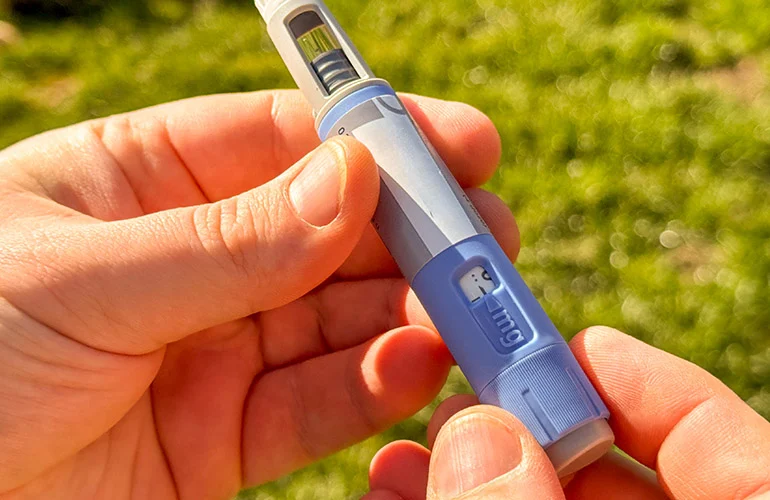
The therapeutic landscape for metabolic diseases has been irrevocably reshaped by the emergence of GLP-1 receptor agonists, a class of drugs that began as treatments for type 2 diabetes and has rapidly expanded its reach into a formidable array of conditions, including obesity, cardiovascular disease, chronic kidney disease, obstructive sleep apnea, and even advanced liver disease like MASH (Metabolic Dysfunction-Associated Steatohepatitis). This unprecedented expansion of indications, coupled with ongoing research into neurodegeneration and obesity-associated cancers, has created a parallel and urgent demand within the scientific community: a need for highly specific, clinically annotated biospecimens that accurately reflect these diverse and evolving patient populations. The traditional biobanks, once optimized for metabolic endpoints related to weight loss and diabetes, are now challenged to provide the nuanced biological samples crucial for advancing next-generation therapies and diagnostics.
The GLP-1 Phenomenon: A Rapid Expansion of Therapeutic Horizons
The journey of GLP-1 receptor agonists, or incretin mimetics, began with a fundamental understanding of gut hormones and their role in glucose regulation. Glucagon-like peptide-1 (GLP-1) is an endogenous hormone that stimulates insulin secretion, suppresses glucagon release, slows gastric emptying, and promotes satiety. Early research focused on harnessing these mechanisms to improve glycemic control in type 2 diabetes. Semaglutide, initially approved as Ozempic in 2017 for type 2 diabetes, marked a significant milestone. Its efficacy, however, quickly revealed broader benefits beyond blood sugar management.
The true "GLP-1 wave" began in earnest with the approval of semaglutide (Wegovy) for chronic weight management in 2021, ushering in a new era of obesity pharmacotherapy. This was swiftly followed by tirzepatide (Mounjaro) in 2022, a groundbreaking dual agonist targeting both GLP-1 and Glucose-dependent Insulinotropic Polypeptide (GIP) receptors, further enhancing metabolic improvements for type 2 diabetes patients. Tirzepatide’s subsequent approval for obesity as Zepbound in 2023 cemented its position as a powerful weight-loss agent.
The therapeutic expansion has not stopped there. The systemic effects of GLP-1 agonists have proven far-reaching, leading to a cascade of approvals and investigational uses:
- March 2024: Wegovy received FDA clearance to reduce the risk of serious cardiovascular events in adults with obesity or overweight and established cardiovascular disease. This approval underscored the drug’s protective effects beyond weight loss, addressing a critical comorbidity.
- December 2024: Zepbound broke new ground by becoming the first drug of any kind approved for obstructive sleep apnea, a condition strongly linked to obesity and metabolic dysfunction.
- January 2025: Ozempic secured approval to slow the progression of chronic kidney disease in type 2 diabetes patients, highlighting its renoprotective properties.
- August 2025: Wegovy achieved another significant milestone, becoming the first GLP-1 approved for MASH (Metabolic Dysfunction-Associated Steatohepatitis) with moderate-to-advanced fibrosis. This was a critical development in treating a serious liver disease for which effective pharmacological options were previously limited.
- December 2025: The introduction of the Wegovy pill, the first oral GLP-1 for weight loss, promised to improve patient accessibility and adherence.
- April 2026: Orforglipron (Foundayo), an oral small-molecule GLP-1 developed by Eli Lilly, received approval for obesity. Notably, this approval marked the fastest new-drug clearance since 2002, reflecting the intense competition and high demand in the GLP-1 market.
Beyond these approvals, the competitive landscape is intensifying. While Novo Nordisk and Eli Lilly have largely dominated, next-generation candidates are exploring triple agonism (adding glucagon targets), or entirely new pathways involving amylin and FGF21 biology. The entry of oral small molecules and monthly dosing options, alongside a growing wave of contenders from China, signals a dynamic and rapidly evolving market.
Financial Dynamics and Patient Accessibility
The remarkable efficacy of GLP-1 drugs has been accompanied by significant cost considerations. Historically, list prices for these medications often exceeded $1,000 per month, posing substantial affordability challenges for many patients. Recent data from late last year indicated that while one in eight American adults were taking a GLP-1 drug for various conditions, half reported difficulty affording them. Manufacturers responded with discounted cash-pay programs, bringing prices down to the $350-$500 range, but broader access remained a hurdle.
A major turning point occurred on July 1, with Medicare initiating coverage for GLP-1 drugs for weight loss, at an estimated cost of about $50 per month for eligible patients. This policy shift is expected to dramatically increase accessibility, potentially expanding the patient pool and further fueling demand for these transformative therapies. The implications for public health and healthcare spending are immense, highlighting the balance between innovation, cost, and equitable access.
The Crucial Role of Biospecimens in Evolving Research
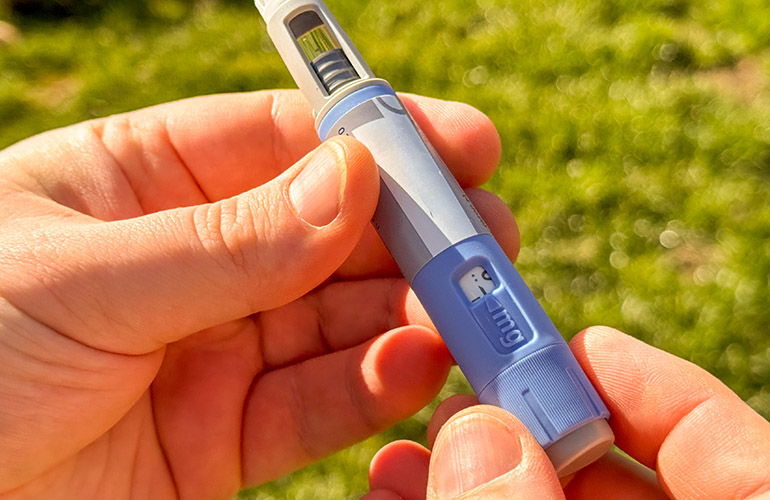
This rapid expansion of GLP-1 indications has profound implications for drug discovery and development, particularly for the biospecimen procurement industry. As Cathie Miller, Ph.D., director of product management operations at BioIVT, a global biospecimen and ADME-Tox services provider, explains, the scientific evolution necessitates a complete rethinking of biospecimen collection strategies. "If you think about what GLP-1s were first developed for, a lot of it was around weight loss, so a lot of the data that goes with those specimens, and a lot of the specimens that were collected, were very specific to weight loss," Miller stated. "As the science has evolved, and we’ve gotten a better understanding of how these drugs can potentially work for other diseases, those original samples the biobanks collected are no longer as relevant."
The "weight-loss-era banks" simply do not possess the diverse range of samples required for current research. Investigators now require tumor samples and oncology cohorts to study obesity-associated cancers, cerebrospinal fluid (CSF) or brain tissue for neurodegeneration research, and clinically annotated collections linked to a multitude of specific comorbidities and disease contexts. These new research questions demand biospecimens with detailed clinical histories, treatment records, and precise diagnostic information that were not priorities in earlier collection efforts focused primarily on metabolic endpoints.
Shifting Landscape of Biospecimen Procurement: From Tissue to Biofluids
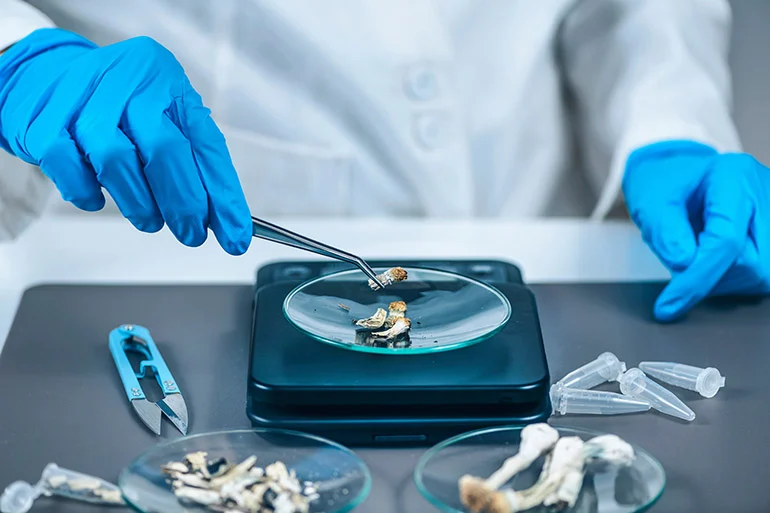
The challenge of sourcing appropriate tissue for many of these newer indications is significant. For conditions like neurodegeneration or certain systemic diseases, obtaining tissue through surgical resection from living donors is often impractical or impossible. This has driven a notable pivot towards biofluids. "Some of these diagnoses people are looking for, the actual tissue is hard to source, so we’re seeing a drive toward the biofluids that represent that," Miller noted. This shift extends beyond traditional blood-derived samples like plasma, serum, or whole blood, encompassing a growing interest in urine, feces, and saliva. These non-invasive or minimally invasive biofluids offer a valuable alternative for capturing disease-specific biomarkers and phenotypic information.
This trend is not isolated to GLP-1 research but reflects a broader paradigm shift in drug discovery. Miller confirmed, "Historically our tissue-to-biofluid business was probably 60/40 tissue to biofluids, and I’d say now it’s more 60/40 biofluids to tissue." This change is driven by advancements in analytical technologies, such as liquid biopsy analysis and exosome research, which allow for increasingly sophisticated biological insights from easily accessible biofluids.
The global biospecimen procurement market, valued at approximately $5 billion in 2024, is projected to more than double to over $11 billion by 2033. This growth underscores the critical importance of high-quality biospecimens. However, the industry faces significant challenges, with approximately four in five researchers reporting that they have had to narrow the scope of their studies due to an inability to obtain well-annotated specimens. This highlights the urgent need for biobanks to adapt their collection strategies to meet the evolving demands of cutting-edge research.
Targeting New Frontiers: MASH, Neurodegeneration, and Oncology
The specific requirements for biospecimens become particularly acute when examining emerging GLP-1 indications:
MASH (Metabolic Dysfunction-Associated Steatohepatitis):
The approval of Wegovy for MASH in August 2025, alongside promising data from FGF21-mimic compounds like efruxifermin (Akero Therapeutics, now part of Novo Nordisk) showing cirrhosis-reversal potential, fundamentally altered the demands for MASH-related biospecimens and assays. Researchers now require hepatocytes that exhibit actual disease characteristics, such as liver-fattiness scores or other MASH-like features, rather than normal liver cells. Furthermore, longer-term in vitro liver models capable of simulating chronic, fibrotic conditions are essential for evaluating these agents.
Brian Ogilvie, Ph.D., vice president of scientific consulting at BioIVT, emphasized this shift within the ADME team. "On MASH there have been a lot of developments, and that really affects our ADME portfolio in terms of hepatocytes," Ogilvie stated. "People are asking, for example, do you have scores for liver fattiness? It may be difficult to get a true diagnosis or pathological confirmation of MASH, but they’re looking for any indications, so they can look at samples that have those characteristics." This points to the need for more granular data and functional characteristics embedded within the biospecimen annotations.
Neurodegeneration (Alzheimer’s, Parkinson’s):
Research into GLP-1s for neurodegenerative diseases like Alzheimer’s and Parkinson’s presents unique sourcing challenges. The relevant brain tissue is largely inaccessible in living donors. Consequently, demand has surged for cerebrospinal fluid (CSF), both from healthy individuals and those diagnosed with neurological conditions. This demand persists despite mixed clinical trial results. Oral semaglutide’s Phase 3 EVOKE and EVOKE+ trials for early Alzheimer’s, reported in late 2025, did not show a slowing of disease progression against placebo. However, the drug did demonstrate a positive impact on Alzheimer’s-related biomarkers. Similarly, the largest GLP-1 trial in Parkinson’s, Exenatide-PD3, found no benefit in 2025. These "biomarker-positive, outcome-negative" results mean that sponsors still critically need well-characterized CSF samples to unravel the underlying mechanisms and potentially identify subgroups that might benefit.

Obesity-Associated Cancers:
The exploration of GLP-1s in oncology is driven by a growing observational signal suggesting an association between GLP-1 use and lower rates of several obesity-related cancers, including breast, colorectal, endometrial, liver, pancreatic, and certain kidney cancers. As Miller highlighted, "On oncology, it’s really the tumors that are driven by metabolism, driven by obesity. Breast, especially post-menopausal breast cancer… Colorectal, endometrial, liver, pancreatic, some kidney." While no oncology indication has yet been approved for GLP-1s, the research interest is significant. This area demands tumor samples linked to specific metabolic profiles and patient histories of obesity and GLP-1 exposure.
The Indispensable Value of Clinical Annotations
What truly elevates the utility of these diverse biospecimens, regardless of their source (tissue or biofluid), is the richness of the clinical data accompanying them. As Miller explains, "If it’s a biobank like BioIVT’s, we collect as much medical history as the donor will provide. We collect the historical medical information, any current or past medications, any past or current treatments… we’ll know whether, after being on a GLP-1, the donor did or did not develop a cancer. That’s where we’re making a concerted effort to add that kind of information."
Comprehensive clinical annotations—including detailed demographic information, medical history, lifestyle factors, treatment regimens (including GLP-1 use), duration of treatment, specific diagnoses, disease progression markers, and comorbidity data—are paramount. These annotations allow researchers to stratify samples, identify specific patient cohorts, and conduct nuanced analyses that are essential for understanding drug mechanisms, predicting responses, and developing precision medicine approaches. Without such detailed context, even the highest quality biological samples lose much of their scientific value.
Broader Impact and Implications for Future Drug Discovery
The rapid expansion of GLP-1 therapies and the subsequent demand for specialized biospecimens reflect a broader trend in drug discovery: an increasing shift towards understanding complex, interconnected biological systems rather than isolated disease pathways. The GLP-1 story underscores that metabolic health is intricately linked to cardiovascular, renal, hepatic, neurological, and even oncological health. This holistic view necessitates equally holistic and detailed biological resources for research.
For pharmaceutical companies, the challenge is not just to develop new GLP-1 compounds but to strategically invest in the R&D infrastructure, including biospecimen procurement, that can support their diverse applications. The competitive environment encourages faster innovation, but this speed must be matched by robust scientific validation, which relies heavily on well-characterized human samples.
For the scientific community, the GLP-1 era represents both an exciting opportunity and a logistical challenge. The potential to repurpose existing drug classes for entirely new indications highlights the power of translational research. However, the scarcity of precisely defined biospecimens remains a bottleneck, potentially slowing down the pace of discovery. The ongoing shift towards biofluids and advanced analytical techniques like liquid biopsies offers a promising path forward, making research more accessible and less invasive.
Ultimately, the trajectory of GLP-1 drugs, from diabetes to MASH and beyond, exemplifies the dynamic nature of modern medicine. It demonstrates how a deeper understanding of biological mechanisms can unlock therapeutic potential far beyond initial expectations, while simultaneously highlighting the critical, evolving role of biospecimens as the fundamental building blocks of future medical breakthroughs. The ability of the biospecimen industry to adapt and provide these increasingly complex and annotated samples will be a determining factor in how quickly and effectively the next generation of life-saving therapies emerges.