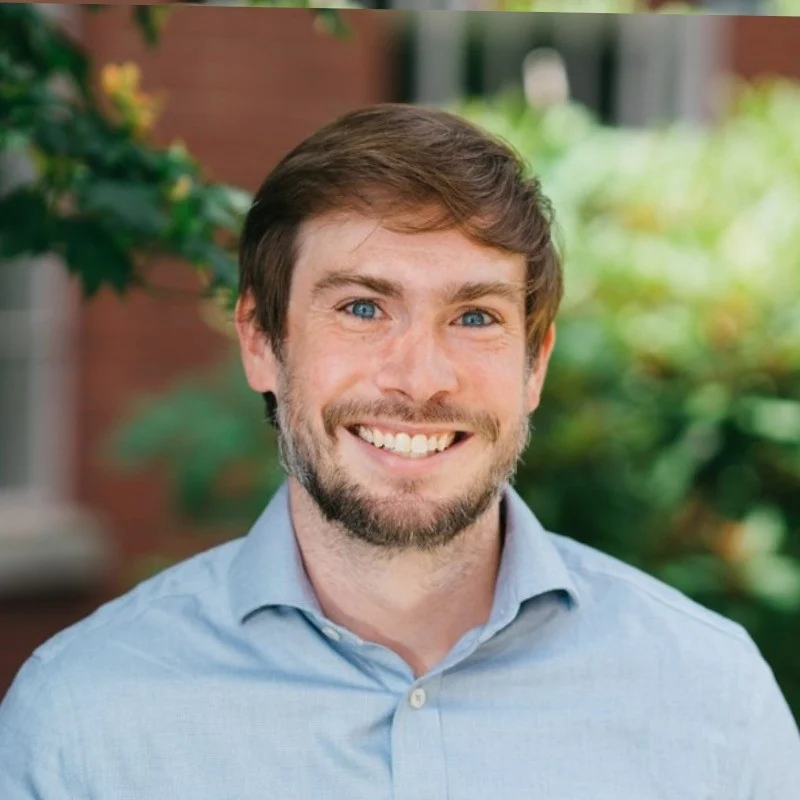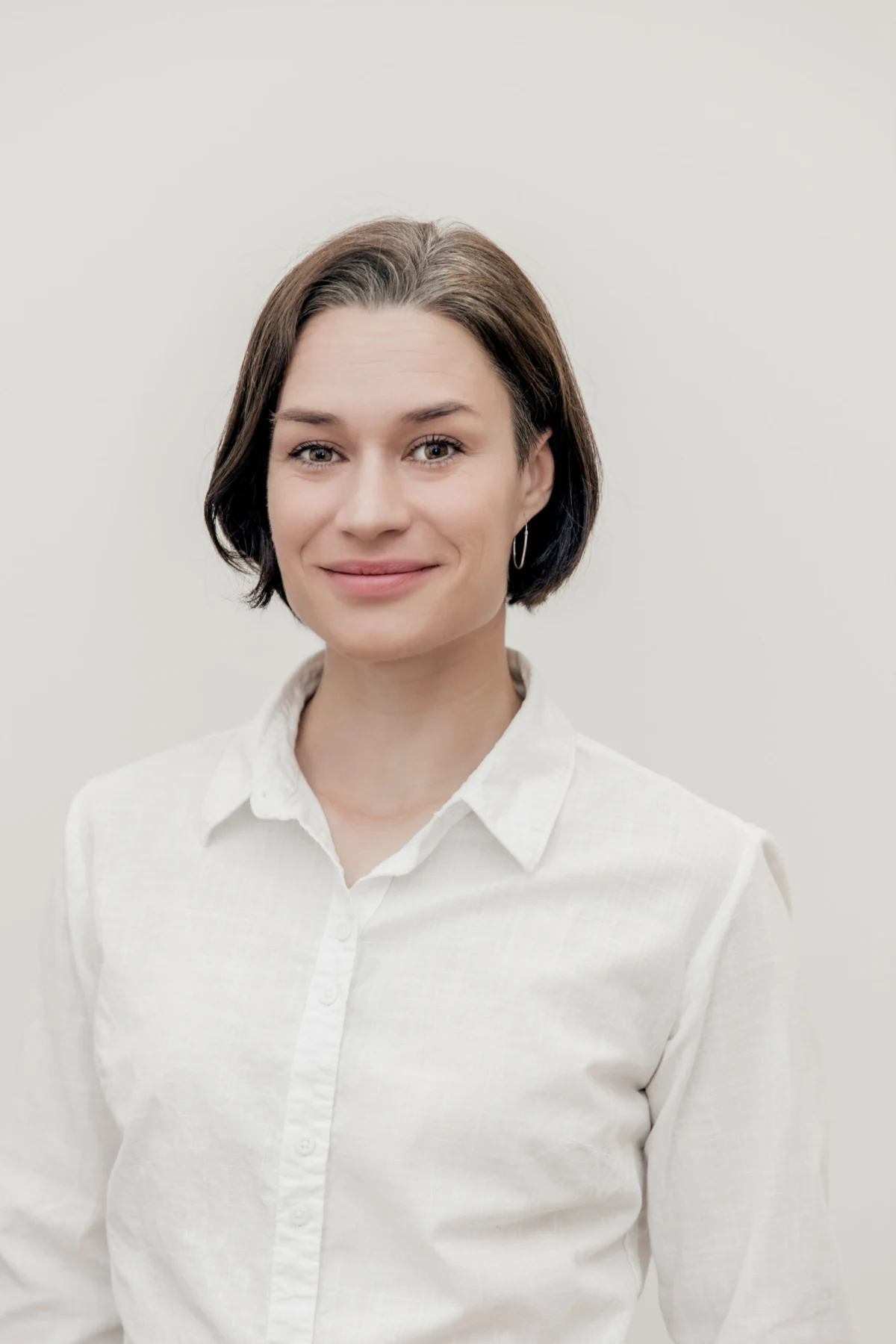
FUJIFILM Biotechnologies, a prominent contract development and manufacturing organization (CDMO), is currently navigating a period of unprecedented expansion, marked by a formidable $7 billion investment in new facilities and capacity enhancements across the United States and Europe. This strategic buildout is designed to significantly augment its capabilities in biopharmaceutical manufacturing, positioning the company at the forefront of the rapidly evolving biologics and advanced therapies market. At the helm of these transformative operational endeavors is Maja Herold Pedersen, who transitioned to the role of Chief Operating Officer in September 2025, bringing a unique blend of quality assurance expertise and an ardent drive for operational excellence.
Mega-Expansion Fuels Biologics Manufacturing Amidst Global Demand
The scale of FUJIFILM Biotechnologies’ current expansion projects underscores a broader industry trend of surging demand for outsourced biomanufacturing services. Biologics, including monoclonal antibodies, recombinant proteins, and cell and gene therapies, represent the fastest-growing segment of the pharmaceutical market. Their complexity necessitates specialized manufacturing infrastructure and expertise, which many pharmaceutical companies prefer to outsource to dedicated CDMOs. Fujifilm’s strategic investments are a direct response to this global imperative, aiming to solidify its position as a leading partner in the development and commercialization of life-saving medicines.
The cornerstone of this ambitious expansion is the $3.2 billion biomanufacturing campus in Holly Springs, North Carolina. The first phase of this state-of-the-art facility became operational in September 2025, significantly boosting the company’s cell culture manufacturing capacity in the U.S. A second phase is already planned for completion around 2028, further cementing North Carolina’s status as a burgeoning biopharmaceutical hub. This investment is not just about capacity; it’s about establishing a resilient and geographically diversified supply chain capable of meeting future market needs.
Beyond the U.S., FUJIFILM Biotechnologies is simultaneously bolstering its European footprint. In Denmark, the company is expanding its Hillerød campus, adding eight new 20,000-liter bioreactors and two new downstream processing streams. This expansion will significantly enhance its large-scale mammalian cell culture capabilities, catering to the growing demand for high-volume biologic drug substances. Concurrently, early 2026 saw the inauguration of the UK’s largest single-use CDMO facility in Teesside. Single-use technologies offer enhanced flexibility, reduced cross-contamination risks, and quicker turnaround times, making them ideal for agile biomanufacturing.
In a related but distinct strategic move, FUJIFILM Cellular Dynamics, a sister subsidiary, opened a new induced pluripotent stem cell (iPSC) manufacturing headquarters in Madison, Wisconsin, in May. This facility is part of a separate $200 million investment aimed at quadrupling its cell-production capacity. This move highlights Fujifilm’s commitment to the burgeoning field of regenerative medicine and advanced therapies, where iPSCs hold immense promise for drug discovery, disease modeling, and cell-based therapies. The combined impact of these projects signals Fujifilm’s comprehensive strategy to cover diverse segments of the biopharmaceutical value chain, from traditional biologics to cutting-edge cell therapies.
Maja Herold Pedersen’s Strategic Vision and Leadership Journey
Overseeing a significant portion of this intricate operational expansion and technological integration is Maja Herold Pedersen. Her career trajectory within FUJIFILM Biotechnologies is notable, marked by a progression through key leadership roles: from Chief Quality Officer, to Chief Technology Officer, and most recently, to Chief Operating Officer in September 2025. This unique background provides her with a holistic perspective, viewing operations not merely as execution but as an extension of rigorous quality principles and technological innovation.
Pedersen attributes her current mandate to her long-standing relationship with CEO Lars Petersen, who recognized her distinct leadership style. "Lars Petersen, our CEO, knew me from before and knows how I lead. He knows that I push the boundaries," Pedersen stated in a recent interview. This ethos of challenging conventions and seeking continuous improvement has been a defining characteristic of her career. She emphasizes that her focus has always transcended the confines of a single function. "I’ve never been a quality-function-only leader. I’ve always looked at the whole picture of how we get medicine to patients. It doesn’t matter whether I’m wearing a quality hat or some other hat, we need to make this work for patients in the end." This patient-centric philosophy underpins her operational decisions, ensuring that efficiency gains and technological advancements ultimately translate into tangible benefits for patients.
Her initial foray into quality and regulatory roles, a path she chose over a PhD in research, was driven by an attraction to practical application and human connection. "It was a difficult choice, because I loved the science, but the thought of traveling, getting out, meeting people and forming relationships was also really attractive," she recounted. This decision proved pivotal, immersing her in the critical importance of Good Manufacturing Practices (GMP) and the profound impact of the pharmaceutical industry. Early engagement with patient advocacy groups further solidified her commitment, providing a direct understanding of patients’ daily lives, their struggles, and the difference that safe, effective medicines can make. This empathetic foundation continues to inform her strategic outlook, ensuring that operational strategies remain aligned with the ultimate goal of patient well-being.
The kojoX Model: Standardizing Global Bioproduction for Efficiency
A critical enabler of FUJIFILM Biotechnologies’ global expansion and operational efficiency is kojoX, the company’s proprietary modular bioproduction model. The name kojoX itself is a fusion of Japanese concepts: "kojo," meaning both "improvement" and "factory," combined with an "X" to signify exponential scale. This innovative model is not merely a branding exercise but a fundamental operational philosophy.
kojoX is built on the principle of standardization: standardized equipment, standardized processes, and standardized quality systems implemented uniformly across all of Fujifilm’s global manufacturing sites. The strategic advantage of this approach is multifaceted. Firstly, it creates a "plug-and-play" environment where a validated drug-substance process developed or refined at one facility can be seamlessly transferred to an equivalent manufacturing line anywhere else within the kojoX network. This interoperability is a game-changer in biomanufacturing, a field traditionally plagued by lengthy and complex technology transfer processes.
By compressing tech-transfer timelines, kojoX directly addresses one of the most significant bottlenecks in drug development and commercialization. It allows for greater flexibility in allocating projects to available capacity, optimizes resource utilization, and accelerates the journey of new therapies from clinical development to market. Furthermore, standardized quality systems across the network facilitate smoother regulatory interactions. Regulatory bodies often require extensive documentation and validation for each manufacturing site. With kojoX, the consistency in processes and quality management systems can streamline regulatory submissions and approvals, further accelerating patient access to critical medicines. This modular, interconnected network strategy ensures that Fujifilm can rapidly scale production, adapt to market demands, and maintain consistent quality regardless of the manufacturing location, offering a compelling proposition to its biopharmaceutical clients.
Pioneering AI Integration in a Regulated Industry
One of Pedersen’s core mandates as COO is to drive the integration of Artificial Intelligence (AI) from pilot projects into full-scale production across Fujifilm’s extensive network. This endeavor is particularly challenging in the highly regulated biopharmaceutical industry, where the imperative for safety, efficacy, and reproducibility is paramount. Pedersen acknowledges the industry’s inherent caution but champions a proactive approach.
"Everyone we talk to right now has an eagerness about how we make use of it, how we really apply it where it makes extra sense in our industry," Pedersen observed. However, she recognized the "significant barrier" posed by regulatory requirements. The industry’s need to "demonstrate that we make the same medicine every time" often leads to hesitancy in adopting novel, less-understood technologies like AI. But for Pedersen, this caution should not lead to stagnation. "In this industry, we have a tendency to think we can’t really do it, because we can’t validate it and we can’t verify it. There’s some truth to that. It’s not old enough yet. However, that shouldn’t hold us back. On the contrary, it should make us move faster," she asserted.
Her strategy is pragmatic: leverage AI up to the point where human oversight is absolutely critical. "We can apply a human check before we let something go. Let’s make use of it up to the point where a human brain really needs to go in and make the assessment." This approach allows for immediate efficiency gains while maintaining essential regulatory compliance and patient safety.
A key initiative under her leadership was the development of "GenkiBot," an internal, secure generative AI platform. Recognizing that employees would likely explore public AI tools if internal options were unavailable, Pedersen championed building a proprietary solution. "I knew that if we didn’t build it, people would start using the other one anyway… So rather than sit and wait, I had it built under our own roof." GenkiBot, whose name is inspired by the Japanese word for enthusiasm and positivity, operates under Fujifilm’s stringent security protocols, ensuring data integrity and confidentiality.
One of GenkiBot’s successful applications is a deviation-management tool. This AI agent assists in drafting deviation reports, coaches subject matter experts (SMEs) on adhering to established norms, and helps identify root causes beyond superficial explanations by analyzing available data. This not only streamlines a traditionally laborious process but also enhances the quality and accuracy of investigations, leading to more effective corrective and preventive actions (CAPAs). While roughly 50% of users currently utilize GenkiBot for deviations, Pedersen aims for 100% adoption, underscoring her commitment to embedding AI as a fundamental operational tool. "This is a change I think we all have to adapt to," she emphasized, indicating a cultural shift driven by technological imperative.
Scaling AI Safely and Empowering Innovation
Pedersen’s vision for scaling AI agents within a regulated environment is distinct and, by her own admission, "a little contradictory to how you’d normally see a pharma company go about it." Rather than imposing strict top-down controls from the outset, she advocates for "setting it free" to foster rapid adoption and innovation.
"I’m a big believer that scaling only follows the actual speed if we set it free," she explained. Her analogy harks back to the early days of personal computing, comparing it to the widespread use of macros in Excel – a tool that empowered individual users to automate tasks without requiring central IT intervention for every small customization. Pedersen envisions equipping every employee with the ability to engage in AI coding, creating a broad funnel of potential AI agents. From this wider pool, only those agents that are thoroughly verified and maintainable, particularly those influencing GMP decisions, would be selected for integration into a more controlled environment. This bottom-up approach, she believes, will lead to a higher quality and more relevant suite of AI tools. "The bigger the funnel we have of agents being coded, the better the quality of the selected variety of agents we’ll have at the end, which we can then take into a more controlled environment."
Looking ahead, a prime target for AI application is the complex process of technology transfer. When a new drug product needs to be manufactured at a Fujifilm facility, the transfer of technology, data, and processes is often manual, tedious, and time-consuming. Pedersen sees AI as a transformative solution here. "We’d love to apply AI to that whole exercise, so we could basically build the kinds of agents that can grab it, take it, organize it and put it into use, so it becomes much more automated and not so tedious for people to sit and do." This automation could drastically reduce onboarding times for new projects, further enhancing the agility and responsiveness of the kojoX network.
"9 People Fundamentals": Cultivating an Autonomous and Accountable Culture
Pedersen’s operational philosophy extends beyond technology to encompass organizational culture, notably embodied in FUJIFILM Biotechnologies’ "9 People Fundamentals." This framework reflects a deep belief in empowering individuals and decentralizing decision-making. "Basically, it’s a belief that we should set people free to make the decisions that each individual is best placed to make," she elaborated. The underlying premise is that by reducing bureaucratic structures, governance layers, and rigid hierarchies, the organization can unlock immense energy and potential from its workforce.
She likens the organization to a biological organism: "If we look at it a bit like a body, like an organism, we have our brain, and then we have numerous cells out in the body, and they actually work very well individually." While a central "brain structure" guides the overall direction, the "immediacy of what each individual can do when they’re set free" is crucial for future success. In the increasingly complex biopharma landscape, the ability to move swiftly and make timely decisions is paramount. "Biopharma is becoming so complex that we can no longer wait for these tedious decision paths. We really need to be able to move fast, but still within a good structure."
The "9 People Fundamentals" encapsulate various tenets, including leading people, managing processes, being one’s full self, empowerment, and accountability. The ultimate goal is for every employee to feel capable of making crucial decisions because they possess the requisite knowledge and trust. While empowering, this approach also introduces a heightened sense of individual responsibility. "Empowerment is amazing, right? It gives you this wide variety of ways you can move, but it also holds you very accountable for what you’re doing and the moves you make."
To cultivate this mindset, Fujifilm has rolled out a "Leaders for Life cohort" for its leadership team. This program encourages introspection and self-awareness, prompting leaders to understand their reactions and their impact on their environment. Pedersen views this as a necessary challenge that enables greater freedom. "Being empowered doesn’t come for free, quite the opposite. But it’s an amazing place to be, and we’re getting good feedback on it, so I’m not alone in thinking that." This cultural emphasis on autonomy and accountability is seen as complementary to the technological drive, creating an agile organization ready to innovate and adapt.
Broader Implications for the Biopharmaceutical Landscape
The strategic initiatives at FUJIFILM Biotechnologies, particularly its massive capacity expansion, the kojoX model, and aggressive AI integration, carry significant implications for the broader biopharmaceutical landscape. The substantial investment in manufacturing capacity across multiple geographies addresses a critical bottleneck in the global supply chain for biologics and advanced therapies. As more complex drugs enter clinical trials and reach commercialization, reliable and scalable manufacturing partners become indispensable. Fujifilm’s diversified facilities enhance supply chain resilience, reducing reliance on single geographic regions and mitigating risks associated with unforeseen disruptions.
The kojoX model, with its emphasis on standardization and seamless tech transfer, represents a paradigm shift in CDMO operations. It promises to accelerate drug development timelines, reduce costs associated with re-validation and site-specific adaptations, and ultimately bring therapies to patients faster. This operational blueprint could inspire other CDMOs to adopt similar modular and standardized approaches, driving industry-wide efficiencies.
The pioneering integration of AI, spearheaded by Maja Herold Pedersen, positions Fujifilm as a leader in applying cutting-edge digital technologies to biomanufacturing. By moving beyond isolated pilots to industrial-scale AI deployment, particularly in critical areas like deviation management and tech transfer, Fujifilm is demonstrating a path forward for a highly regulated industry. The "setting AI free" philosophy, coupled with the "9 People Fundamentals," suggests a future where technological innovation and human empowerment are mutually reinforcing, creating a dynamic and responsive manufacturing ecosystem. This approach could serve as a blueprint for how biopharma companies can safely and effectively harness the power of AI to enhance quality, accelerate processes, and ultimately improve patient outcomes.
In essence, FUJIFILM Biotechnologies is not just expanding its physical footprint; it is strategically transforming its operational model, embracing digital innovation, and cultivating a forward-thinking culture. Under the leadership of Maja Herold Pedersen, the company is poised to play an increasingly critical role in shaping the future of biopharmaceutical manufacturing, making a profound impact on global health.