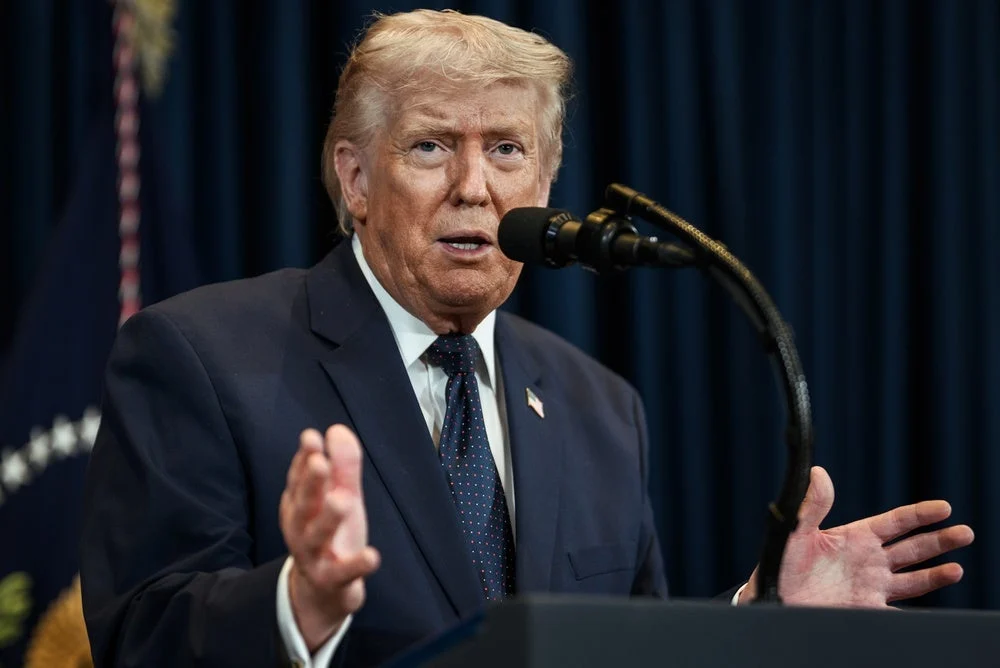
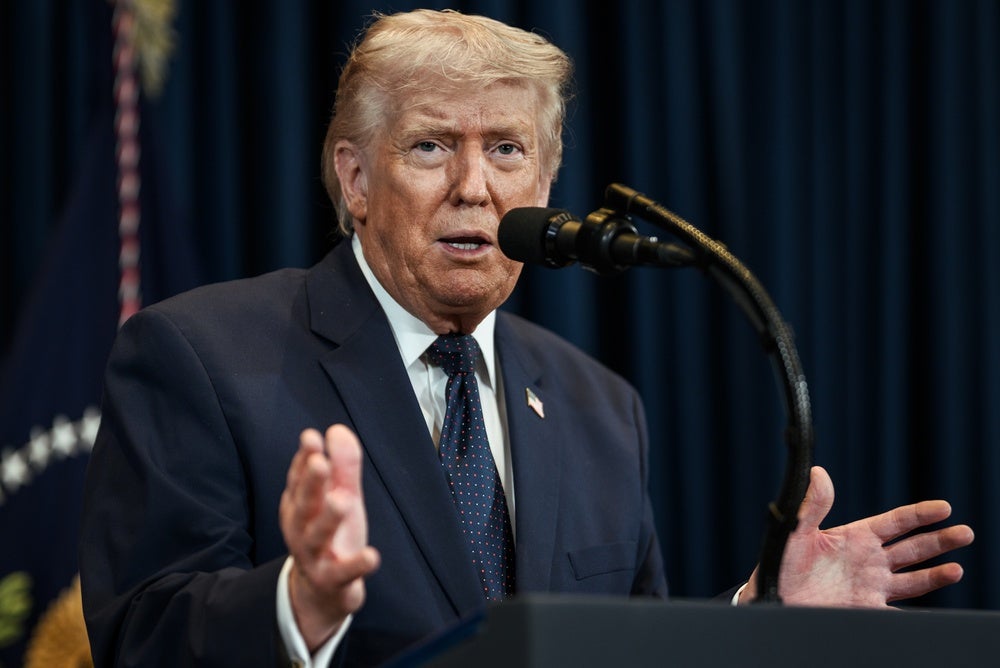
Following a period of relative exemption from escalating trade tensions, the global generic pharmaceutical industry is now facing the prospect of significant import tariffs into the United States, a move that could dramatically reshape drug supply chains and patient access. In a series of pronouncements made on July 21st, former President Donald Trump outlined ambitious plans to impose substantial tariffs on generic drugs entering the U.S., signaling a strong commitment to bolstering domestic manufacturing and reducing the nation’s reliance on foreign pharmaceutical production. The proposed tariffs are set to begin in 2028 with a 100% levy on all imported generics, escalating to a staggering 200% the following year.
This aggressive stance on generics marks a significant escalation from previous trade policies affecting the pharmaceutical sector. While branded pharmaceuticals have previously been subject to tariffs and various pricing pressures under the Trump administration, the focus now appears to be squarely on the generic drug market, which forms the bedrock of prescription medicine for millions of Americans. The implications of such a drastic policy shift are far-reaching, potentially impacting affordability, supply chain reliability, and the competitive landscape for pharmaceutical manufacturers both domestically and internationally.
The announced tariffs come as part of a broader strategy championed by Trump to "re-shore" critical industries, including pharmaceuticals, to the United States. The rationale behind this push is rooted in concerns about national security and economic vulnerability stemming from an over-reliance on foreign supply chains, particularly for essential medicines. Data from the U.S. Pharmacopeia highlights the extent of this dependency: over 90% of prescriptions filled in the U.S. are for generic drugs, and more than half of the active pharmaceutical ingredients (APIs) for these generics are sourced from countries like India and the European Union. This reliance has been a recurring theme in discussions about pharmaceutical supply chain resilience, especially in the wake of global events that have disrupted international trade and manufacturing.
Trump’s proposed tariff strategy is not merely a passive tax imposition; it appears to be coupled with a more active enforcement mechanism. Reports suggest that companies failing to establish or expand their "plant and equipment within the stated period of time given to them" could face further penalties. This approach mirrors tactics employed previously, such as when tariffs were levied on branded pharmaceuticals. However, in those instances, some larger pharmaceutical companies managed to secure exemptions or reduced tariff rates through direct drug pricing negotiations with the White House. This indicates a potential avenue for mitigation, though the viability for the typically lower-margin generic drug sector remains a significant question.
The international response to these proposed tariffs is already beginning to crystallize, with varying degrees of impact anticipated across different regions. Countries that have historically been major exporters of generic drugs to the U.S. are likely to feel the most immediate pressure. India, in particular, stands as a key supplier of generic medicines and their APIs to the American market. The prospect of a 100% or 200% tariff could severely impact the competitiveness of Indian manufacturers, forcing them to reconsider their export strategies or invest heavily in U.S.-based production.
Timeline of Proposed Tariffs and Related Policies:
- Present – 2028: A period of tariff immunity for generic drugs is currently in effect. During this time, companies have the opportunity to adapt to the evolving trade landscape.
- 2028: The introduction of a 100% import tariff on all generic pharmaceuticals entering the United States. This initial phase is intended to signal the seriousness of the policy shift and provide a transition period.
- 2029 onwards: The proposed tariff rate is scheduled to escalate to 200% on imported generic drugs. This significant increase underscores the administration’s long-term objective of discouraging imports and incentivizing domestic production.
- Ongoing: The Trump administration continues to advocate for the "re-shoring" of pharmaceutical manufacturing, employing a combination of potential tariffs, incentives, and penalties to achieve this goal.
Background and Context: The Drive for Pharmaceutical Self-Sufficiency
The push for greater domestic pharmaceutical production in the United States is not a new phenomenon, but it has gained significant traction in recent years. Concerns about the security and reliability of the global drug supply chain have been amplified by geopolitical tensions, trade disputes, and global health crises, such as the COVID-19 pandemic. The realization that a substantial portion of life-saving medications, including essential antibiotics, cancer drugs, and cardiovascular treatments, are manufactured overseas has led to a growing consensus among policymakers about the need for greater U.S.-based manufacturing capacity.
Historically, the generic drug market has thrived on cost-efficiency, often achieved through offshore manufacturing where labor and regulatory costs are lower. This model has been instrumental in making prescription medications more affordable for a larger segment of the population. However, this reliance has also created vulnerabilities. Disruptions in manufacturing in key exporting countries, shipping delays, or political instability can quickly lead to shortages of critical medicines in the U.S. The COVID-19 pandemic starkly illustrated these risks, as the global supply chain faced unprecedented strain.
The Trump administration has consistently framed pharmaceutical imports as a national security issue and an economic drain. The proposed tariffs on generics represent a significant policy tool to address these perceived vulnerabilities. By making imported generics prohibitively expensive, the administration aims to create a strong economic incentive for both foreign and domestic companies to establish or expand manufacturing facilities within the United States. This could involve building new plants, expanding existing ones, or entering into contract manufacturing agreements with U.S.-based facilities.
Supporting Data and Industry Reliance:
- 90% of U.S. Prescriptions: Generic drugs account for the vast majority of prescriptions dispensed in the United States, underscoring their central role in the healthcare system.
- API Sourcing: Over 50% of the active pharmaceutical ingredients (APIs) used in U.S. generic drugs originate from India and the European Union, according to research by the U.S. Pharmacopeia.
- Economic Impact: The global generics market is a multi-billion dollar industry, and the U.S. represents a significant portion of its demand. Tariffs of this magnitude could lead to substantial shifts in market share and revenue streams.
Reactions from Industry Stakeholders and Experts:
The proposed tariffs have elicited a range of reactions from industry experts and stakeholders, reflecting the complex economic and logistical challenges involved.
Salil Kallianpur, former Executive Vice President at GSK and founder of Arks Knowledge Consulting, has highlighted the strategic imperative for Indian companies to adapt. In a LinkedIn post, he emphasized that long-term market share protection in the U.S. will necessitate Indian manufacturers focusing on accelerating their U.S. manufacturing capabilities, expanding partnerships for contract manufacturing within the U.S., and actively pursuing trade negotiations to secure potential exemptions from these tariffs. This suggests a proactive approach is needed to navigate the impending trade landscape.
Ravi Varanasi, founding partner of SPRV Consultants, has offered a more critical perspective on the potential ramifications of these tariffs. In a LinkedIn post, Varanasi posited that the new tariffs could lead to a cascade of negative consequences. He anticipates that such measures are likely to "raise prices, eliminate marginal suppliers and increase the risk of drug shortages." This viewpoint suggests that the intended benefits of reshoring might be outweighed by the immediate economic and supply chain disruptions.
Varanasi further elaborated on the fundamental differences in the financial capacities of branded and generic drug manufacturers. He noted, "Patented drug manufacturers, with their high margins, may announce American factories and negotiate exemptions. Generic manufacturers often cannot." This observation points to a potential disparity in how different segments of the pharmaceutical industry will be able to absorb or adapt to the new tariff regime. Branded drug companies, with their higher profit margins, may find it more feasible to invest in domestic production or leverage their financial strength to negotiate favorable terms. Generic manufacturers, operating on thinner margins, may struggle to absorb the increased costs or make the substantial capital investments required for U.S.-based manufacturing.
The ultimate burden of these tariffs is also a key point of contention. Varanasi argues, "Calling a tariff a ‘penalty’ does not change who ultimately pays it. American patients, hospitals, insurers and taxpayers will bear the cost." This perspective suggests that the intended beneficiaries of the policy – U.S. consumers and the domestic economy – may in fact face increased costs and reduced access. The policy, while framed as a measure to enhance national security and restore jobs, could paradoxically "reshore inflation while weakening supply reliability," according to Varanasi’s analysis. This highlights a potential for unintended consequences, where the pursuit of protectionist goals could inadvertently lead to economic hardship and a less secure supply chain.
International Agreements and Potential Loopholes:
It is important to note that the Trump administration has previously demonstrated a willingness to negotiate tariff exemptions or reduced rates with allied nations. For instance, the United Kingdom secured zero tariffs on pharmaceuticals through a bilateral trade deal, though researchers have raised concerns about the potential economic cost to the UK’s National Health Service (NHS), estimating a substantial financial drain. Similarly, the European Union, Japan, South Korea, Liechtenstein, and Switzerland have reportedly had tariffs capped at 15% after reaching agreements with the White House. These existing agreements suggest that diplomacy and strategic negotiation could play a crucial role in mitigating the full impact of the proposed tariffs on certain countries and companies. However, the success of such negotiations for the generic sector, particularly for nations like India, remains to be seen.
Broader Implications and Analysis:
The proposed tariffs on generic pharmaceuticals represent a significant departure from established trade practices and could have profound and lasting implications for the global healthcare landscape.
Impact on Drug Affordability: The most immediate concern is the potential impact on the affordability of essential medicines for American consumers. Generic drugs are a cornerstone of accessible healthcare, and their price is largely determined by efficient global supply chains. A doubling or tripling of the cost of imported generics due to tariffs would almost certainly translate into higher prices for patients, potentially leading to reduced adherence to treatment regimens and adverse health outcomes. This could disproportionately affect vulnerable populations, including the elderly, low-income individuals, and those with chronic conditions who rely heavily on affordable generic medications.
Supply Chain Restructuring: If implemented, these tariffs would necessitate a massive restructuring of the global pharmaceutical supply chain. Companies would face intense pressure to relocate manufacturing or at least API production to the United States. This would require significant capital investment, technological transfer, and the development of a skilled workforce. The transition period could be lengthy and fraught with challenges, potentially leading to temporary shortages and price volatility as companies scramble to adapt. The feasibility of reshoring the entire API production for 90% of U.S. prescriptions within the proposed timeframe is a complex question, given the intricate and global nature of pharmaceutical ingredient sourcing.
Competitive Landscape Shift: The tariffs could fundamentally alter the competitive dynamics within the pharmaceutical industry. Companies with the financial capacity and strategic foresight to invest in U.S. manufacturing could gain a significant advantage. Conversely, companies that are unable to adapt or secure exemptions might find their access to the U.S. market severely curtailed. This could lead to market consolidation and a reduction in the number of suppliers, potentially impacting innovation and choice in the long run.
Geopolitical and Trade Relations: The imposition of such substantial tariffs could also strain international trade relations. Countries heavily reliant on pharmaceutical exports to the U.S. may view these measures as protectionist and potentially retaliatory. This could lead to trade disputes and broader economic friction, impacting not only the pharmaceutical sector but also other industries.
Potential for Unintended Consequences: As highlighted by industry experts, there is a significant risk of unintended consequences. The pursuit of domestic manufacturing through tariffs might lead to increased inflation in the healthcare sector, while simultaneously weakening the overall reliability of the drug supply chain if the transition is not managed effectively. The complexity of pharmaceutical manufacturing means that simply moving production sites does not automatically guarantee a more resilient or cost-effective supply. Factors such as regulatory hurdles, quality control, and access to specialized raw materials also play a critical role.
In conclusion, the proposed introduction of 100% and 200% tariffs on imported generic pharmaceuticals by former President Donald Trump represents a pivotal moment for the global drug industry. While the stated objective is to bolster domestic manufacturing and enhance national security, the potential economic ramifications for patients, the industry, and international trade relations are substantial. The coming years will be critical in determining how these ambitious plans are implemented, how various stakeholders adapt, and what the ultimate impact will be on the accessibility and affordability of essential medicines in the United States and beyond. The industry and policymakers will be closely watching to see if the promised benefits of reshoring materialize without imposing an unsustainable cost burden on American consumers and the broader healthcare system.