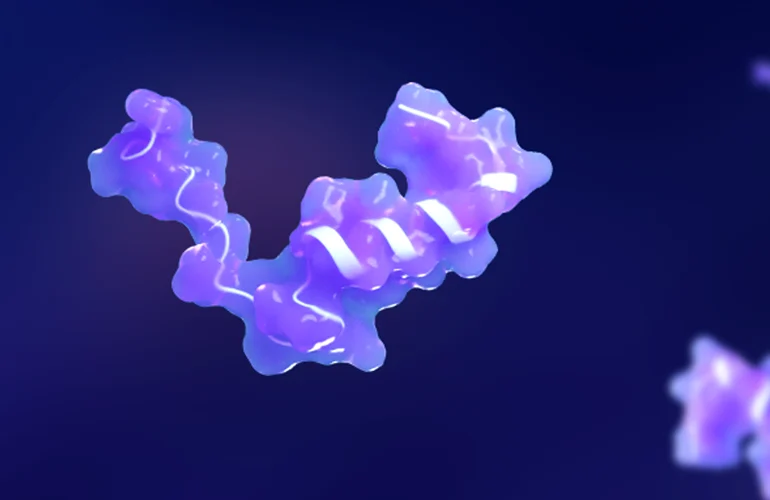
The pharmaceutical landscape is currently undergoing a structural metamorphosis driven by the ascent of peptide therapeutics. Once relegated to the periphery of drug development, peptides have surged into the spotlight, primarily due to the unprecedented commercial and clinical success of glucagon-like peptide-1 (GLP-1) receptor agonists. These molecules, which mimic the body’s natural incretin hormones, have redefined the treatment paradigms for type 2 diabetes and chronic weight management. However, as developers pivot toward more complex, multifunctional, and long-acting peptide modalities, the industry faces a significant technical threshold: the necessity of achieving metabolic stability without compromising therapeutic efficacy or safety profiles.
The evolution of peptide engineering is not merely an incremental improvement; it is a fundamental shift in how researchers approach molecular design. While traditional small molecules typically interact with cytochrome P450 (CYP450) enzymes, peptides are governed by a different set of metabolic rules. They are primarily susceptible to proteolysis—the breakdown of peptide bonds by specialized enzymes. This fundamental biological distinction necessitates a reimagining of ADME (absorption, distribution, metabolism, and excretion) and DMPK (drug metabolism and pharmacokinetics) strategies.
A Chronology of Peptide Innovation
The history of peptide therapeutics dates back to the early 1920s with the isolation of insulin, yet for decades, the field was constrained by the rapid systemic degradation of these molecules. It was not until the late 20th and early 21st centuries that chemical modifications began to unlock their true potential.
The 2010s marked a pivotal era in this timeline. The introduction of long-acting GLP-1 analogs, such as liraglutide and subsequently semaglutide, demonstrated that structural engineering could circumvent the body’s innate tendency to rapidly eliminate exogenous peptides. By incorporating lipid chains (lipidation) and modifying specific amino acid sequences to prevent enzymatic cleavage, researchers successfully extended the half-life of these drugs from hours to days.
By 2022, the industry reached a new milestone with the approval of tirzepatide, a dual GIP/GLP-1 agonist. This heralded the arrival of the "multifunctional" era. In 2025, the approval of mazdutide by China’s National Medical Products Administration further validated the efficacy of multi-target approaches. Looking ahead, the pipeline is heavily populated with triple agonists—molecules designed to target GLP-1, GIP, and glucagon receptors simultaneously—representing the next frontier in metabolic syndrome treatment.
The Complexity of Metabolic Stability
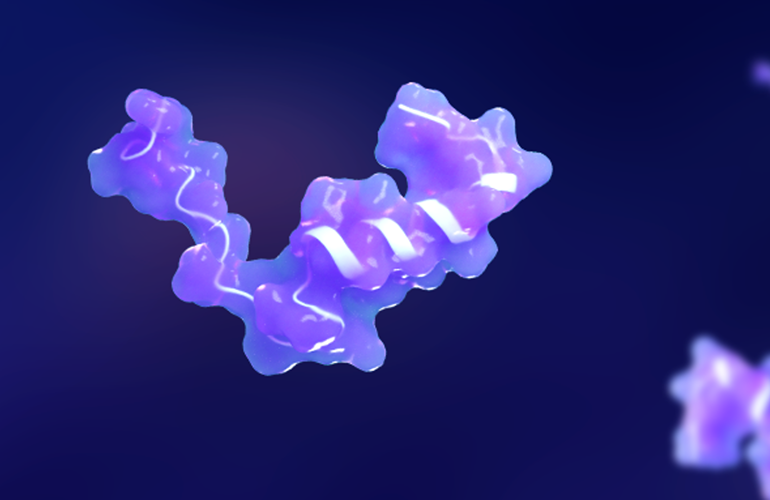
As peptide constructs become more sophisticated, the challenges associated with their metabolic fate become exponentially more complex. When a developer modifies a peptide to improve its potency or half-life, they inadvertently change its "metabolic footprint." Each addition—whether it is a non-natural amino acid, a fatty acid tail for albumin binding, or a PEGylation site—creates new potential sites for enzymatic attack.
The metabolic challenge is twofold. First, researchers must ensure the molecule survives long enough in the systemic circulation to reach its intended receptor. Second, they must ensure that the resulting metabolites are not only inactive but also non-toxic. Unlike small molecules, which are often metabolized into predictable products via oxidation or conjugation, peptides can be cleaved into various fragments, some of which may retain biological activity or cause unintended off-target effects.
Data from recent preclinical assessments suggest that metabolic clearance is not a uniform process across the body. The kidney and the liver act as primary sites of degradation, but the gastrointestinal (GI) tract and plasma also play critical roles. Research conducted by institutions such as WuXi AppTec has demonstrated that characterizing these site-specific enzymes is now a mandatory prerequisite for successful IND (Investigational New Drug) applications.
Tissue-Specific Metabolism: The New Gold Standard
To address these hurdles, the industry is moving toward integrated, tissue-specific metabolic profiling. This approach moves beyond generic plasma stability assays and into a more nuanced understanding of where and how these molecules are broken down.
- Plasma Stability: While plasma is the most accessible medium for testing, it is often a misleading indicator if not handled correctly. The use of specific anticoagulants, such as heparin sodium over EDTA-K2, has been shown to yield more accurate insights into enzyme activity, as EDTA can chelate essential metal ions, thereby artificially inhibiting protease function.
- The GI Frontier: With the success of oral semaglutide, interest in non-injectable peptides has exploded. However, the human GI tract is designed specifically to break down proteins. Developing an oral peptide requires the use of excipients like salcaprozate sodium (SNAC) to facilitate absorption, coupled with rigorous testing against digestive enzymes such as pepsin and trypsin.
- Liver and Kidney Fractions: The use of S9 fractions—a mixture of both microsomes and cytosol—has emerged as the preferred diagnostic tool. S9 fractions provide a more comprehensive view of the metabolic landscape than microsomes alone, capturing a broader range of Phase I and Phase II enzymes. Current evidence indicates that kidney S9 fractions often show the fastest peptide clearance rates, making them a critical, yet often under-evaluated, area of study.
Official Perspectives and Industry Implications
Industry leaders and regulatory bodies are increasingly emphasizing that metabolic stability is not a "check-the-box" activity but a core design principle. According to experts like Dr. Hanlin Tao and Haijuan Liu of the DMPK department at WuXi AppTec, the integration of 3D structural analysis and metabolic kinetics is essential for the next generation of therapeutics.
The implication for sponsors is clear: development costs for multifunctional peptides will rise as the requirement for more complex, multi-tissue metabolic studies becomes the regulatory standard. However, the trade-off is a significantly higher probability of clinical success. By predicting metabolic liabilities early in the discovery phase, developers can iteratively optimize the molecular structure to avoid "metabolic traps" that might otherwise lead to failure in Phase II or Phase III trials.

Broader Economic and Clinical Impact
The economic stakes of this research are immense. The global peptide therapeutics market is projected to reach unprecedented valuations by 2030, fueled by the expansion of these drugs into cardiovascular health, non-alcoholic steatohepatitis (NASH), and neurodegenerative diseases.
However, the "GLP-1 boom" has also created a bottleneck in laboratory capacity. The surge in demand for specialized ADME and DMPK services has forced contract research organizations (CROs) to rapidly innovate their platforms. New technologies, such as high-resolution mass spectrometry and advanced proteomic profiling, are now being deployed to identify the exact site of enzymatic cleavage on novel peptide constructs.
Furthermore, the rise of "conjugated constructs"—such as peptide-drug conjugates (PDCs)—adds another layer of complexity. In these cases, the metabolic stability of the peptide carrier must be perfectly balanced with the release kinetics of the therapeutic payload. If the peptide degrades too quickly, the payload is released prematurely, leading to systemic toxicity. If it degrades too slowly, the drug may never reach its target tissue.
The Path Forward
As the pharmaceutical industry looks toward the next decade, the definition of a successful drug will be inextricably linked to its metabolic predictability. The "trial and error" approach of the past is no longer viable given the complexity of dual and triple agonists.
The industry is currently transitioning toward a "design-by-metabolism" philosophy. In this model, computational models predict the susceptibility of specific amino acid bonds to protease cleavage before the molecule is even synthesized. These models are then validated through the high-throughput, tissue-specific assays discussed previously.
Ultimately, the goal is to create therapeutics that are "metabolically invisible" to the body’s rapid degradation pathways until they have fulfilled their clinical objective. Achieving this will require a seamless integration of medicinal chemistry, proteomics, and advanced pharmacokinetic modeling. As researchers continue to bridge the gap between structural design and metabolic performance, the potential for peptides to treat diseases once considered "undruggable" remains the most promising narrative in modern medicine. The challenge of metabolic stability is not merely a technical hurdle; it is the fundamental gatekeeper to the next generation of transformative, multifunctional medicine.