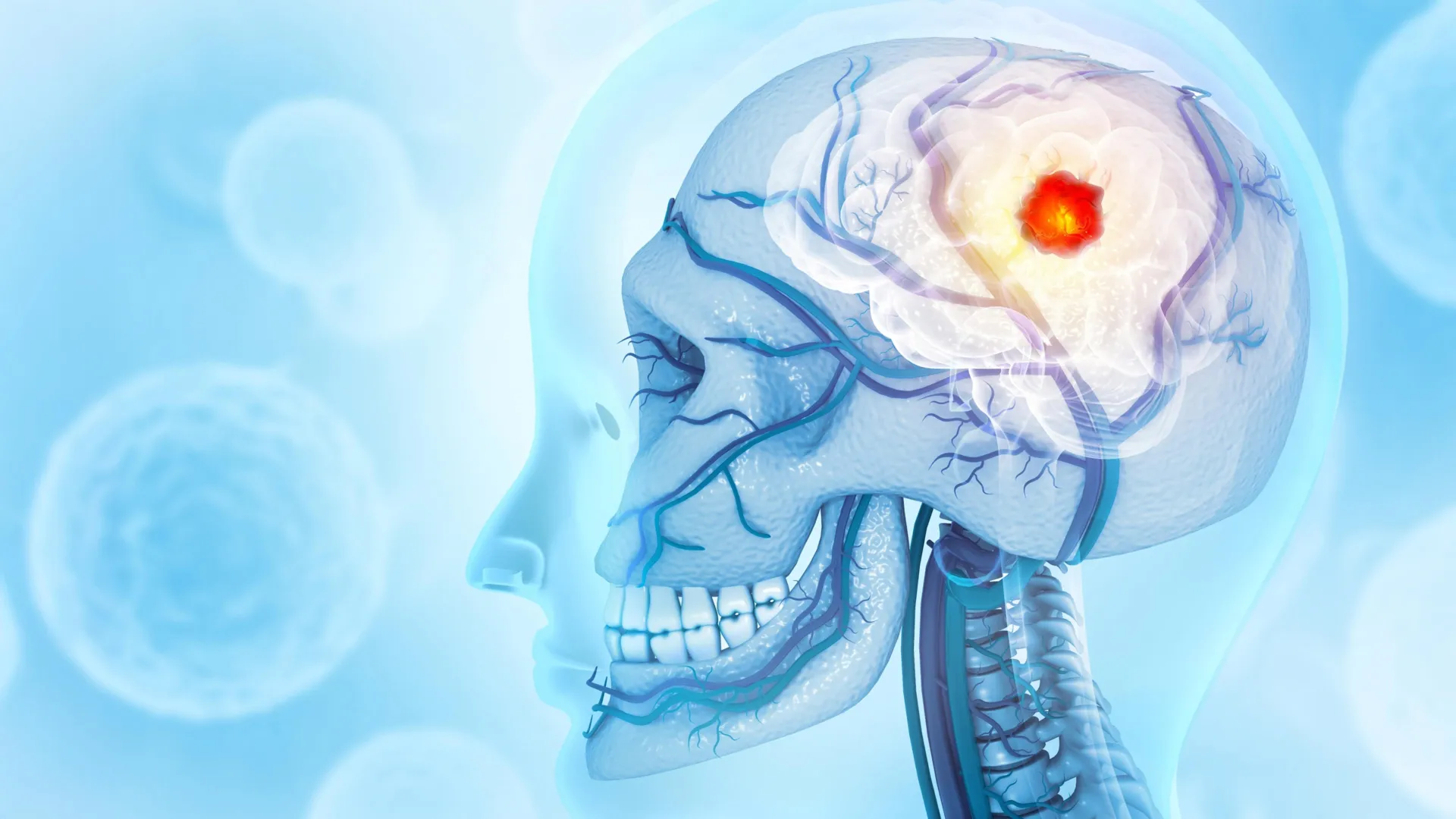
Glioblastoma, long understood by the medical community as one of the most aggressive and localized forms of human cancer, is fundamentally altering our understanding of neuro-oncology. According to a landmark study published on October 3 in the esteemed journal Nature Neuroscience, researchers at the Montefiore Einstein Comprehensive Cancer Center (MECCC) and the Albert Einstein College of Medicine have discovered that this lethal brain tumor does not confine its destructive pathology strictly to brain tissue. Instead, glioblastoma acts as a systemic disease that inflicts structural damage on the skull, reprograms the bone marrow encased within it, and systematically subverts the body’s immune defenses.
This paradigm-shifting discovery helps clarify a decades-long frustration in clinical oncology: why conventional therapies—which treat glioblastoma strictly as a localized brain disorder—routinely fail. Furthermore, the research team unveiled a critical clinical warning, demonstrating that commonly prescribed medications designed to prevent bone loss can inadvertently accelerate tumor progression and interfere with cutting-edge immunotherapies.
The Scale of the Crisis and the Limitations of Current Care
Glioblastoma represents the most common and lethal malignant primary brain tumor in adults. According to data from the National Cancer Institute (NCI), approximately 15,000 individuals are diagnosed with glioblastoma in the United States each year. Despite aggressive interventions that comprise the current standard of care—typically involving maximal surgical resection followed by concurrent radiation therapy and temozolomide-based chemotherapy—the prognosis remains grim. The median survival time for patients diagnosed with glioblastoma hovers at a dismal 15 months, a statistic that has seen painfully incremental improvements over the past several decades.
For years, neuro-oncologists operated under the assumption that the blood-brain barrier and the physical confines of the skull insulated the central nervous system from the broader physiological systems of the body, and vice versa. While glioblastomas are notoriously invasive, infiltrating surrounding healthy brain parenchyma with tentacle-like projections that render complete surgical removal virtually impossible, they were rarely thought to dictate systemic biological changes outside the cranium. The latest findings from the Montefiore Einstein team decisively shatter this insular model of brain cancer pathology.
Unraveling the Bone-Brain Axis: A Matter of Marrow
To understand how a brain tumor could influence distant skeletal structures, the research team, led by corresponding author Dr. Jinan Behnan, assistant professor in the Leo M. Davidoff Department of Neurological Surgery and the department of microbiology and immunology at Einstein, examined the unique anatomical relationship between the brain and the skull.
Like all major bones in the human body, the skull contains bone marrow, a specialized tissue responsible for hematopoiesis—the production of red blood cells, platelets, and vital components of the immune system. Historically, the cranium was viewed as a protective helmet, isolated from the neural tissue it encases. However, recent neuro-anatomical discoveries have revealed the existence of microscopic, highly specialized channels that directly connect the skull bone marrow to the meninges and the brain itself. These conduits facilitate a continuous molecular and cellular crosstalk between the skeletal and central nervous systems.
Dr. Behnan and her colleagues hypothesized that glioblastoma might exploit these vascular and cellular highways. Utilizing advanced, high-resolution imaging technologies and murine models engineered to develop two distinct subtypes of glioblastoma, the researchers meticulously tracked the systemic footprint of the cancer.
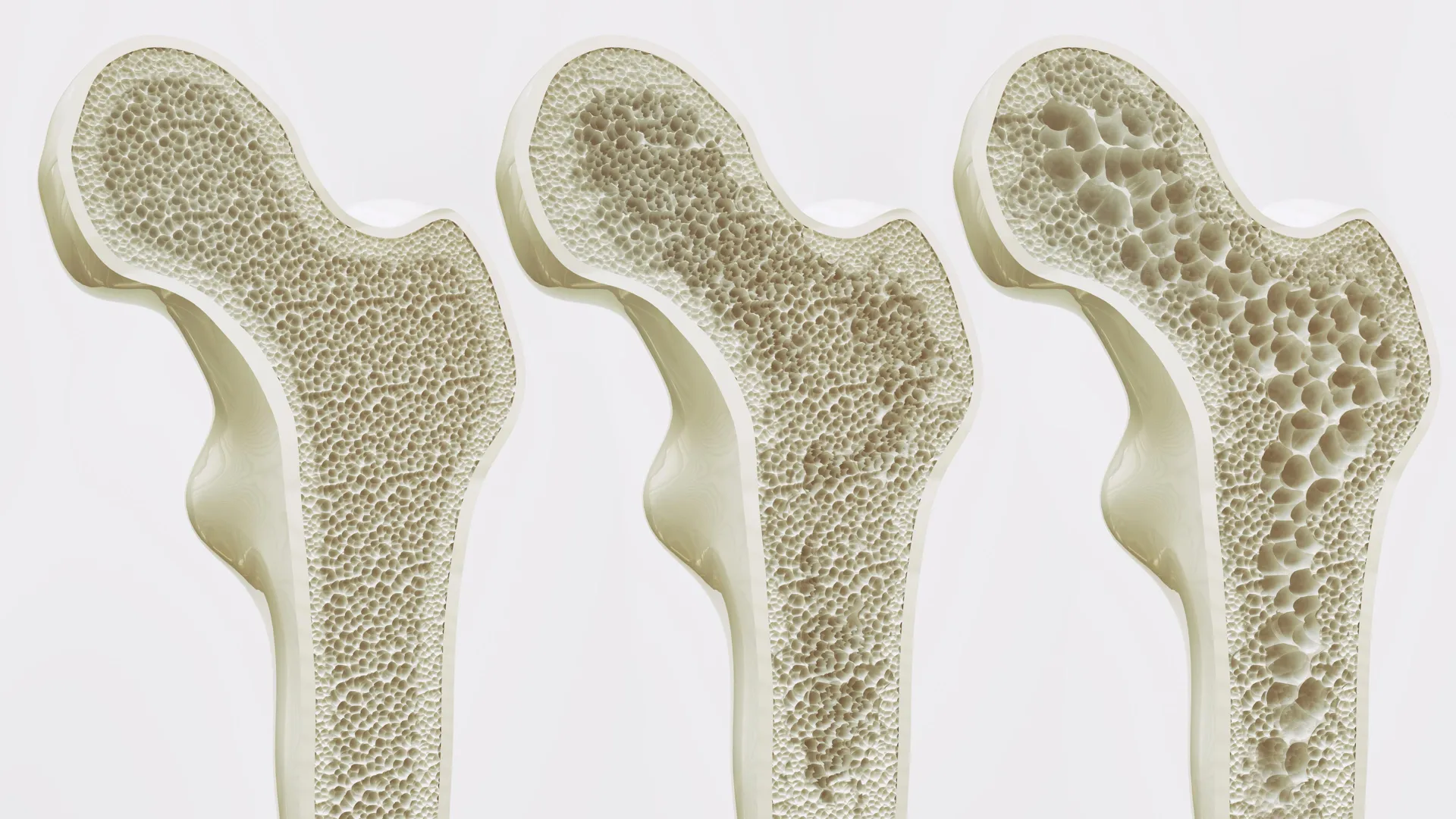
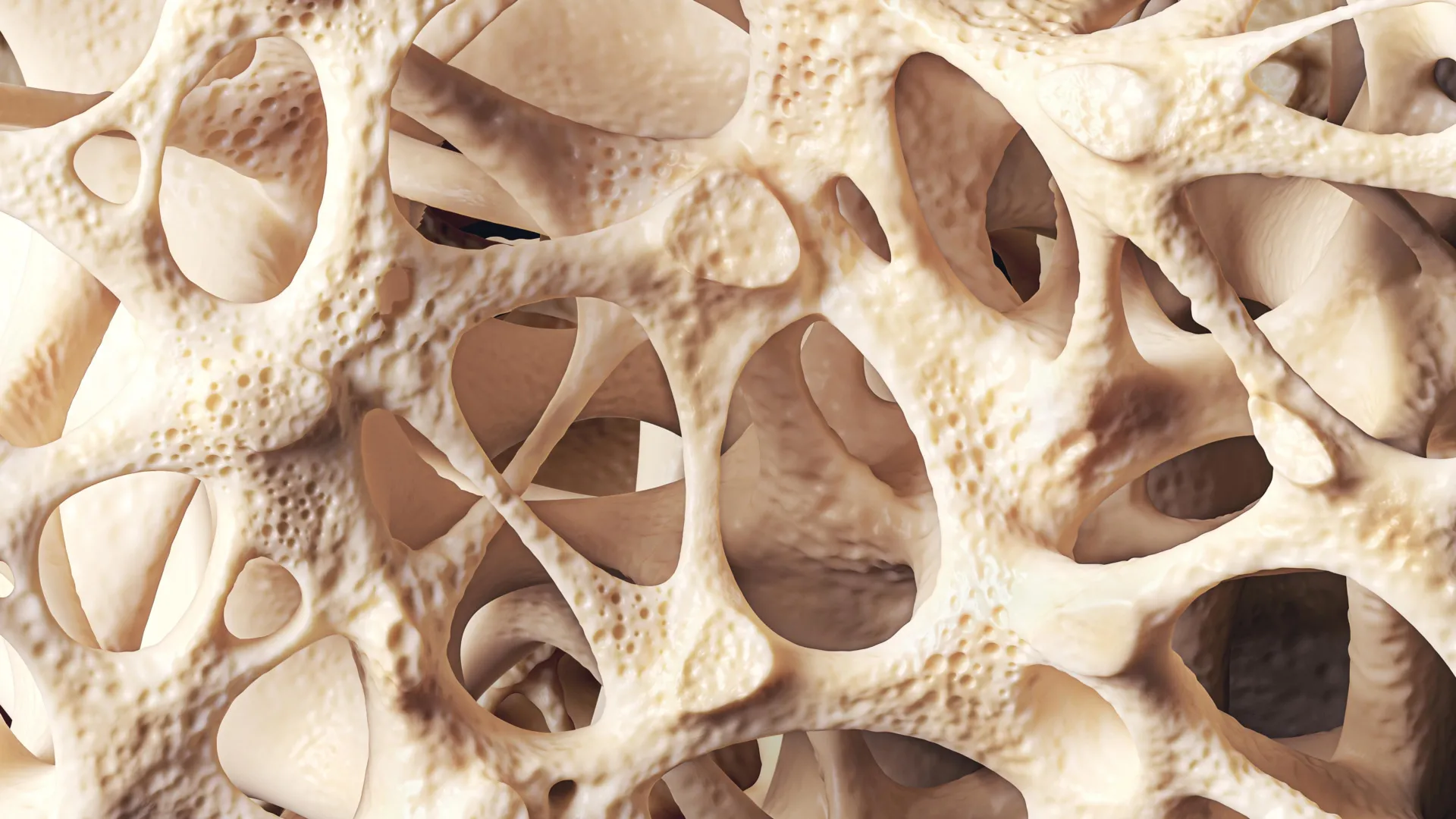
The results were striking. The presence of glioblastoma triggered localized erosion of the skull bones, particularly concentrated along the cranial sutures—the fibrous joints where the plates of the skull fuse together. Crucially, this skeletal degradation was unique to glioblastoma and similarly aggressive brain malignancies. Control mice subjected to ischemic strokes, physical traumatic brain injuries, or metastatic cancers originating outside the central nervous system did not exhibit this specific pattern of skull erosion. To confirm the clinical relevance of these animal models, the researchers analyzed computed tomography (CT) scans from human glioblastoma patients, uncovering identical reductions in skull thickness in precisely the same anatomical regions observed in the murine subjects.
As the skull bones eroded in the mice, the physical channels linking the skull to the brain underwent pathological remodeling, increasing in both number and cross-sectional diameter. The researchers theorize that these enlarged conduits act as biological pipelines, allowing the tumor to broadcast toxic molecular signals directly into the skull marrow and fundamentally corrupting its microenvironment.
Reprogramming Immunity: A Tilt Toward Inflammation
To dissect the cellular consequences of this cross-talk, the research team deployed single-cell RNA sequencing, a high-resolution genomic technique that allows scientists to analyze the gene expression profiles of individual cells within a complex tissue.
The genomic data revealed that glioblastoma induces a profound and devastating shift in the immune-cell balance within the skull marrow. Specifically, the cancer drove a dramatic expansion of pro-inflammatory myeloid cells, nearly doubling the population of inflammatory neutrophils while concurrently depleting vital adaptive immune cells, including multiple subsets of antibody-producing B cells.
"The skull-to-brain channels allow an influx of these numerous pro-inflammatory cells from the skull marrow to the tumor, rendering the glioblastoma increasingly aggressive and, all too often, untreatable," explained study co-author Dr. E. Richard Stanley, professor of developmental and molecular biology at Einstein. "This indicates the need for treatments that restore the normal balance of immune cells in the skull marrow of people with glioblastoma. One strategy would be suppressing the production of pro-inflammatory neutrophils and monocytes while at the same time restoring the production of T and B cells."
The systemic nature of the disease was further underscored by a stark dichotomy observed between different skeletal sites. While the skull marrow responded to the brain tumor by activating genes that hyper-produce inflammatory immune cells, the bone marrow of the femur (the thigh bone) reacted in the exact opposite manner, suppressing the genes necessary to generate crucial immune cell populations. This regional heterogeneity highlights just how profoundly glioblastoma rewrites the body’s hematopoietic instructions, turning the skull into an unwitting accomplice in its own expansion.
The Clinical Paradox of Anti-Osteoporosis Medications
Armed with the knowledge that glioblastoma causes active bone erosion in the cranium, the research team investigated whether pharmacological interventions designed to preserve bone mass could alter the trajectory of the disease. They administered two distinct U.S. Food and Drug Administration (FDA)-approved anti-osteoporosis drugs—zoledronic acid and denosumab—to mice bearing glioblastoma tumors.
While both medications successfully halted skull-bone erosion, their effects on the underlying cancer presented a perilous clinical paradox. Zoledronic acid actively fueled tumor progression in one of the tested glioblastoma models. Furthermore, both zoledronic acid and denosumab completely abolished the therapeutic efficacy of anti-PD-L1, a prominent immunotherapy drug designed to unleash the patient’s own T cells against the cancer.
This finding carries immediate and urgent implications for clinical practice. Many cancer patients, particularly those undergoing corticosteroids or experiencing age-related bone density loss, are frequently prescribed anti-resorptive medications like bisphosphonates (such as zoledronic acid) or RANKL inhibitors (such as denosumab). The discovery that these drugs can inadvertently stimulate glioblastoma growth and neutralize life-saving immunotherapies mandates an immediate reevaluation of how oncologists manage bone health in patients battling primary brain tumors.
Broader Implications and Future Treatment Paradigms
The publication of these findings in Nature Neuroscience marks a watershed moment in neuro-oncology, shifting the foundational framework of how researchers conceptualize brain tumors. By proving that glioblastoma is a systemic disease with profound cranio-skeletal and immunological repercussions, the study opens entirely new avenues for therapeutic intervention.
Future treatment strategies will likely move away from the traditional, hyper-localized approach of merely targeting the intracranial tumor mass via surgery and targeted radiation. Instead, comprehensive care regimens may soon incorporate dual-action therapies designed to shield the skull from erosion, re-establish normal hematopoiesis within the cranial marrow, and re-engineer the immune landscape to favor tumor suppression over systemic inflammation.
As clinical trials and translational research groups begin to digest these insights, the scientific community remains hopeful that dismantling glioblastoma’s systemic network will finally translate into meaningful survival gains for patients facing one of medicine’s most intractable foes.