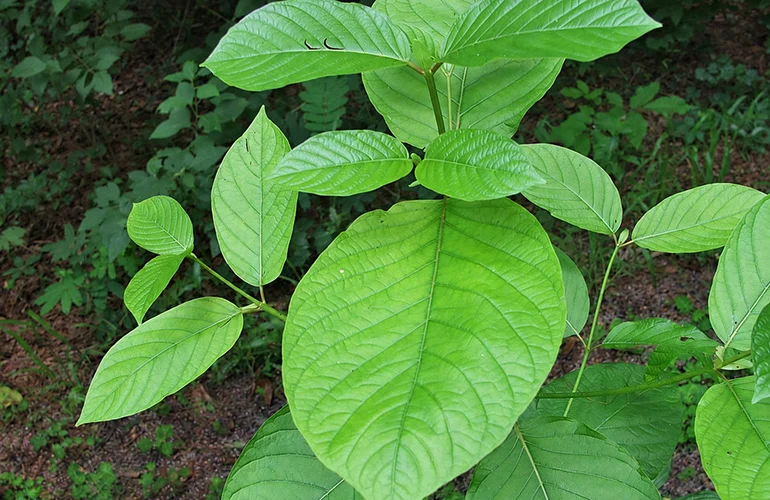
The United States Drug Enforcement Administration (DEA) has initiated a significant regulatory crackdown on a burgeoning class of synthetic alkaloids derived from or related to the Mitragyna speciosa plant, commonly known as kratom. In a series of administrative actions finalized on August 25–26, 2026, the agency moved to place three specific synthetic substances—mitragynine pseudoindoxyl, MGM-15, and MGM-16—into Schedule I of the Controlled Substances Act (CSA). This temporary scheduling, effective for an initial two-year period, marks a pivotal shift in federal oversight, as the DEA attempts to preemptively address what it characterizes as an "imminent hazard to public safety" posed by high-potency, semi-synthetic compounds that mimic opioid effects.
The regulatory action follows two primary Federal Register notices published on July 6, 2026, which signaled the agency’s intent to curb the proliferation of these substances. While the current order targets the three aforementioned synthetic compounds, a secondary, separate regulatory track remains open regarding the threshold levels of 7-hydroxymitragynine (7-OH), a naturally occurring but potent alkaloid found in kratom.
Chronology of Federal Intervention
The path toward these scheduling orders began with an evaluation of evolving consumer markets and shifting chemical profiles in products marketed under the broader "kratom" umbrella. The DEA’s timeline for this action was as follows:
- July 1, 2026: The DEA issued two initial notices signaling the intent to invoke emergency scheduling powers to address the rise of synthetic kratom alkaloids.
- July 6, 2026: Official publication of these notices in the Federal Register, triggering a 30-day public comment period.
- August 2026: The Office of the Assistant Secretary for Health (OASH) reviewed public submissions and provided recommendations to the Attorney General, who subsequently delegated final scheduling authority to the DEA Administrator.
- August 25, 2026: The DEA issued the final temporary scheduling order for mitragynine pseudoindoxyl, MGM-15, and MGM-16, effective immediately upon publication.
- September 10, 2026: The deadline for public comments concerning the proposed threshold levels for 7-OH, as the government continues to weigh how to regulate products containing elevated levels of this specific alkaloid.
Scientific Justification and Pharmacological Risks
The DEA’s decision to move these substances into Schedule I—a category reserved for drugs with no currently accepted medical use and a high potential for abuse—is predicated on substantial preclinical data. According to the agency, while natural kratom leaf contains mitragynine and 7-OH, the market has seen a recent influx of "designer" variants created through chemical modification.
Mitragynine pseudoindoxyl, for instance, has been identified by researchers as being approximately 100 times more potent than its parent alkaloid, mitragynine. Similarly, MGM-15 and MGM-16 are estimated to be between 50 and 240 times more potent than morphine. These substances exhibit a high affinity for the mu-opioid receptor (MOR). Because they function as potent MOR agonists, they carry risks similar to those of traditional opioids, including respiratory depression, sedation, and a high risk of both physical and psychological dependence.
The DEA’s analysis emphasized that these products are often marketed with deceptive labeling, misleading consumers into believing they provide mild benefits such as stress relief or mental clarity, while in reality, they contain high-potency synthetic compounds. The "low barrier to entry," characterized by the use of candy-like flavorings, chewable formats, and wide retail availability in gas stations and smoke shops, has compounded the public health risk. By 2022, estimated usage prevalence had reached approximately 2 million individuals, heightening the urgency for federal intervention.
Regulatory and Legal Implications
The transition of these substances to Schedule I carries immediate and severe legal consequences. Effective August 25, 2026, the unauthorized handling, manufacture, distribution, importation, or exportation of these substances constitutes a violation of federal law.
For the scientific community, the new status necessitates that any researcher continuing to study these substances obtain a Schedule I license. Furthermore, retail entities must cease all consumer sales. Any individual or business found in possession of these substances without the requisite federal registration is subject to civil and criminal sanctions. The order also mandates the surrender of existing stocks for those unable to secure proper licensing.
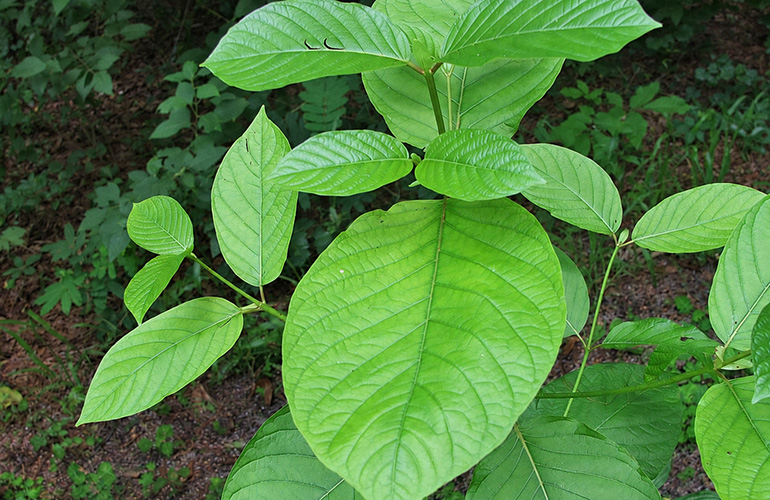
The DEA has justified this move under the "imminent hazard" clause of the CSA. By bypassing traditional, prolonged notice-and-comment rulemaking, the agency is signaling a move toward a more reactive stance against the "designer" drug market. This approach is intended to prevent the proliferation of dangerous substances that can be manufactured faster than the slow-moving legislative process can categorize them.
The 7-OH Threshold Ambiguity
A significant area of ongoing debate involves the proposed threshold for 7-hydroxymitragynine (7-OH). The DEA has proposed that any botanical material of Mitragyna speciosa containing more than 0.050% of 7-OH on a dry weight basis be subject to Schedule I controls. This specific proposal has sparked a rigorous public comment period, as industry stakeholders and legal experts question the technical definitions employed by the agency.
A critical point of contention is the DEA’s use of the term "article" when defining what constitutes a product subject to these limits. In the context of the Federal Food, Drug, and Cosmetic Act (FD&C Act), "article" has historically been interpreted in various ways—sometimes referring to the finished dosage unit (such as a single pill) and other times to the entire packaged container. The lack of a clear, uniform definition in the DEA’s notice has left manufacturers in a state of regulatory uncertainty. If "article" is interpreted as the "finished product," a single mislabeled bottle could result in the entire batch being classified as a Schedule I substance, potentially exposing retailers to criminal liability.
Broader Impact on the Kratom Industry
It is vital to distinguish between these synthetic, high-potency derivatives and the broader, traditional kratom market. The current DEA orders do not apply to standard, botanical kratom products that do not contain these synthetic additives or excessive concentrations of 7-OH. However, the industry is bracing for a "trickle-down" effect.
Market analysts suggest that the scheduling of these synthetic variants is likely the first step in a broader federal strategy to standardize the kratom market. By establishing thresholds for 7-OH, the government is essentially creating a framework that differentiates between "natural" leaf products and "adulterated" or "processed" products that mimic pharmaceutical opioids.
The primary concern for stakeholders is that the "temporary" nature of this scheduling—lasting two years, with the possibility of a one-year extension—may become a permanent fixture if the legislative environment does not provide an alternative regulatory pathway, such as an approved New Drug Application (NDA) or an Investigational New Drug (IND) application. To date, the Department of Health and Human Services (HHS) has confirmed that no such applications for these three substances exist, reinforcing the DEA’s stance that they serve no legitimate medical purpose in the United States.
Conclusion and Future Outlook
The DEA’s intervention marks a definitive end to the period of unfettered access to synthetic kratom derivatives. By classifying mitragynine pseudoindoxyl, MGM-15, and MGM-16 as Schedule I substances, the government is signaling that it will no longer allow the sale of high-potency, opioid-mimicking substances in the retail market under the guise of dietary supplements or herbal alternatives.
For manufacturers, retailers, and researchers, the landscape has fundamentally changed. Companies must now implement robust testing protocols to ensure that their products do not contain these newly scheduled substances or exceed the emerging thresholds for 7-OH. Failure to adapt to these strict regulatory requirements risks not only the potential for criminal prosecution but also the total alienation of the legitimate kratom industry from the legal marketplace.
As the September 10, 2026, deadline for public comments on 7-OH thresholds approaches, the industry remains at a crossroads. The outcome of these discussions will likely set the precedent for how botanical-derived substances with psychoactive properties are treated under federal law for the foreseeable future. The agency’s focus remains clear: the prioritization of public health and safety over the availability of substances that pose an "imminent risk" of dependency and overdose. All parties involved are advised to maintain strict compliance with current administrative orders while preparing for a more tightly regulated future.