The landscape of oncology is currently undergoing a paradigm shift as pharmaceutical giants Merck & Co. and Moderna move toward the commercialization of an investigational personalized cancer vaccine, known as intismeran autogene. This therapeutic breakthrough represents a departure from traditional "one-size-fits-all" chemotherapy and radiation treatments, instead leveraging the precision of mRNA technology to train a patient’s own immune system to identify and neutralize malignant cells based on their unique genomic profile.
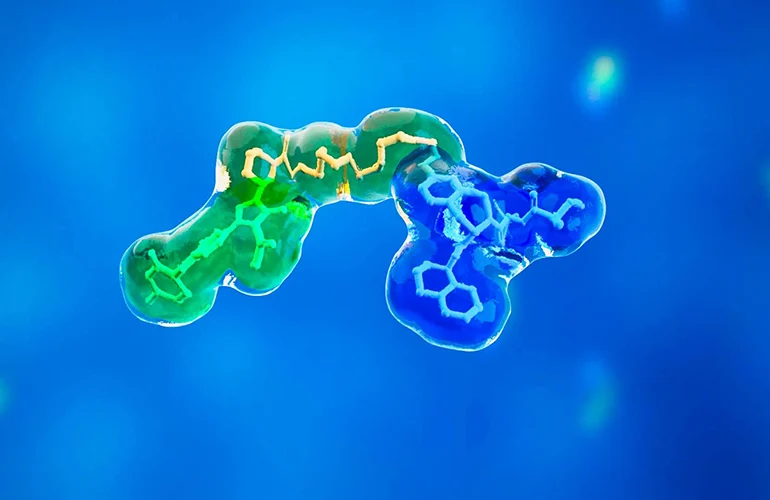
The vaccine functions as an individualized neoantigen therapy (INT), which requires a bespoke manufacturing process for every participant. By sequencing the tumor of an individual patient, scientists identify the specific mutations that define that cancer’s genetic footprint. From these, the 34 most immunogenic mutations—those most likely to trigger a robust immune response—are selected and encoded into an mRNA construct. This construct is then delivered via a lipid nanoparticle, effectively teaching the immune system to recognize the cancer as a foreign invader rather than native tissue.
A Strategic Partnership Rooted in Clinical Synergy
The collaboration between Merck and Moderna, formalized in 2016, was built upon the hypothesis that combining an immune-activating vaccine with a checkpoint inhibitor would create a synergistic effect. The chosen partner for the vaccine is Keytruda (pembrolizumab), Merck’s flagship monoclonal antibody. Keytruda works by targeting the PD-1 receptor on T-cells, essentially removing the "brakes" that cancer cells often exploit to hide from the immune system.
Jane Healy, vice president and head of Oncology Early Clinical Development at Merck & Co., notes that the biological logic of this combination is grounded in the mechanics of immune evasion. "By giving the cancer vaccine, you are training the immune cells to respond to the mutations that are unique to a patient’s tumor," Healy explained. "By administering Keytruda concurrently, you are reactivating the immune system to ensure those primed T-cells recognize and attack the cancer. It is this dual-pronged approach that provides a compelling clinical advantage."
Chronology of Development and Regulatory Milestones
The path to the current Phase 3 success has been a multi-year effort that began long before the COVID-19 pandemic propelled Moderna into the global spotlight.
- 2014: Keytruda receives its initial FDA approval, establishing a new standard for immunotherapy in oncology.
- 2016: Merck and Moderna announce a strategic alliance to combine mRNA technology with pembrolizumab to address high-risk cancers.
- 2023: The U.S. Food and Drug Administration (FDA) grants Breakthrough Therapy designation to the combination of intismeran autogene and Keytruda for the treatment of high-risk melanoma.
- 2024-2025: Data from Phase 2b and Phase 3 clinical trials demonstrate that the combination significantly reduces the risk of recurrence and distant metastasis compared to Keytruda monotherapy.
- 2026 and Beyond: Both companies signal their intent to engage with global regulatory authorities to seek formal approval for the therapy, marking the transition from experimental to commercial phases.
Clinical Evidence and Data-Driven Efficacy
The evidence supporting the efficacy of this individualized therapy is primarily derived from studies on high-risk, resected melanoma. Melanoma was identified as the ideal initial target because of its high mutational burden and historical responsiveness to immunotherapy.
In the Phase 2b KEYNOTE-942 trial, researchers observed a 44% reduction in the risk of recurrence or death in patients treated with the combination therapy compared to those receiving Keytruda alone. Building on these results, the Phase 3 INTERPATH-001 trial involved approximately 1,100 subjects. The results of this study confirmed the findings of the earlier trial, meeting the primary endpoints for both recurrence-free survival (RFS) and distant metastasis-free survival (DMFS).
The therapeutic regimen requires a patient to receive the vaccine via injection once every three weeks, for up to nine doses, alongside the standard infusion schedule for Keytruda. This schedule is designed to coincide with the post-surgical period, when the patient is clinically "tumor-free" but at high risk of recurrence due to the presence of residual microscopic disease.
Logistical Challenges and the Precision Medicine Market
While the efficacy of intismeran autogene is promising, its integration into standard medical practice presents significant logistical hurdles that differ sharply from the mass-distribution models of traditional vaccines. Unlike the SpikeVax COVID-19 vaccine, which could be manufactured in bulk and stored for broad deployment, intismeran autogene is a patient-specific product.
The manufacturing process is a delicate, time-sensitive cycle. Upon the surgical resection of a tumor, tissue samples must be sent for genomic sequencing. The data is analyzed to create the mRNA construct, which is then manufactured and returned to the clinic—a process that currently takes approximately six weeks. During this window, patients typically begin their Keytruda-only treatment, ensuring that the immunotherapy foundation is already active by the time the personalized vaccine is administered.
This "hands-on" model requires high levels of coordination between oncology departments, genomic laboratories, and manufacturing facilities. It represents a shift toward a more centralized, high-value oncology model, where the cost of manufacturing reflects the extreme level of personalization involved.
Expanding the Therapeutic Horizon
While melanoma served as the proof-of-concept, Merck and Moderna are aggressively testing the application of this technology in other oncology indications, including non-small cell lung cancer, renal cell carcinoma, and bladder cancer.
However, researchers remain cautious about generalizing results across different cancer types. Healy points out that the biological profile of patients in other studies varies significantly from the melanoma cohort. "Bladder cancer patients, for instance, tend to be older and may have received more intensive prior treatments," she stated. "We have to determine if their immune systems possess the baseline robustness required to respond to the vaccine in the same way. Each study provides us with new data points to refine our algorithms for selecting the most immunogenic mutations."
The ongoing research is also focused on identifying predictive biomarkers. By determining exactly which mutations trigger the strongest response, companies hope to refine their selection algorithms, potentially increasing the efficacy of the vaccine for patients who may not otherwise respond to conventional checkpoint inhibitors.
Implications for the Pharmaceutical Industry
The success of this combination therapy arrives at a pivotal time for both companies. Merck’s Keytruda, while currently one of the highest-grossing drugs in pharmaceutical history, faces the inevitable loss of patent protection toward the end of the 2020s. For Merck, establishing the vaccine as a standard of care alongside Keytruda could extend the clinical utility and commercial relevance of the PD-1 inhibitor franchise.
For Moderna, the shift toward oncology represents a critical pivot as the global demand for COVID-19 vaccines has normalized. Successfully commercializing a personalized cancer vaccine would solidify Moderna’s transition from a pandemic-response entity to a broad-spectrum biotechnology innovator.
Future Outlook
The integration of mRNA-based personalized medicine into standard clinical protocols is no longer theoretical. As the industry moves closer to regulatory filings, the focus will likely shift to questions of healthcare economics and accessibility. The cost-effectiveness of an individualized therapy, which necessitates extensive genomic sequencing and bespoke production, will be a focal point for insurance providers and public health systems.
Nevertheless, the potential to significantly extend recurrence-free survival in patients with high-risk cancer provides a powerful impetus for adoption. By leveraging the specific genetic signatures of a patient’s tumor, Merck and Moderna are not merely treating the disease; they are training the patient’s own biological defense mechanisms to prevent its return. As the trials continue to expand into broader oncology categories, the medical community will be watching closely to see if this marriage of genomics and immunotherapy can provide a durable, long-term solution for patients facing some of the most challenging cancer diagnoses.