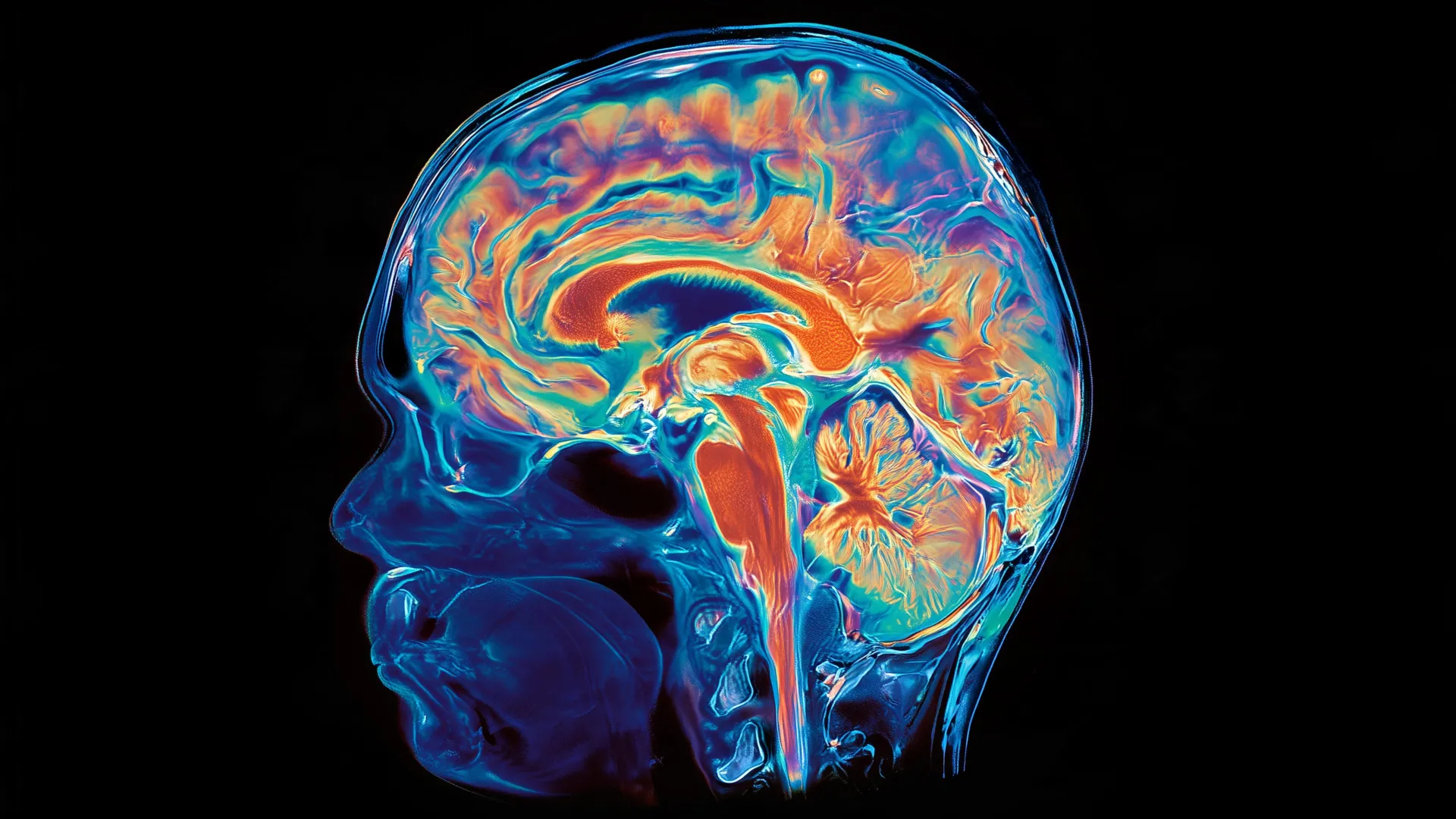
The pursuit of healthy aging has long focused on cardiovascular outcomes, yet a growing body of evidence is shifting the spotlight toward the structural preservation of the human brain. A landmark study published in the Journal of Neurology, Neurosurgery & Psychiatry has provided some of the most compelling evidence to date that dietary patterns—specifically the Mediterranean-DASH Intervention for Neurodegenerative Delay (MIND) diet—may serve as a potent tool in decelerating the physical decline of brain tissue as individuals age. By analyzing nearly two decades of data from the Framingham Heart Study, researchers have identified a clear, quantifiable association between higher adherence to this nutritional regimen and the mitigation of age-related structural brain atrophy.
The study, which tracked 1,647 middle-aged and older adults, suggests that individuals who prioritize the consumption of leafy greens, berries, lean proteins, and healthy fats may essentially "buy back" time against the natural progression of neurodegeneration. This finding carries significant implications for public health, particularly as global populations continue to age and the prevalence of neurodegenerative conditions such as Alzheimer’s and Parkinson’s disease continues to climb.
The Evolution of the MIND Diet
The MIND diet is not a new fad but a strategic synthesis of two of the most well-researched eating plans in modern nutritional science: the Mediterranean diet and the Dietary Approaches to Stop Hypertension (DASH) diet. While the Mediterranean diet is renowned for its heart-healthy benefits, and the DASH diet is specifically designed to reduce hypertension, the MIND diet was meticulously engineered to target cognitive decline.
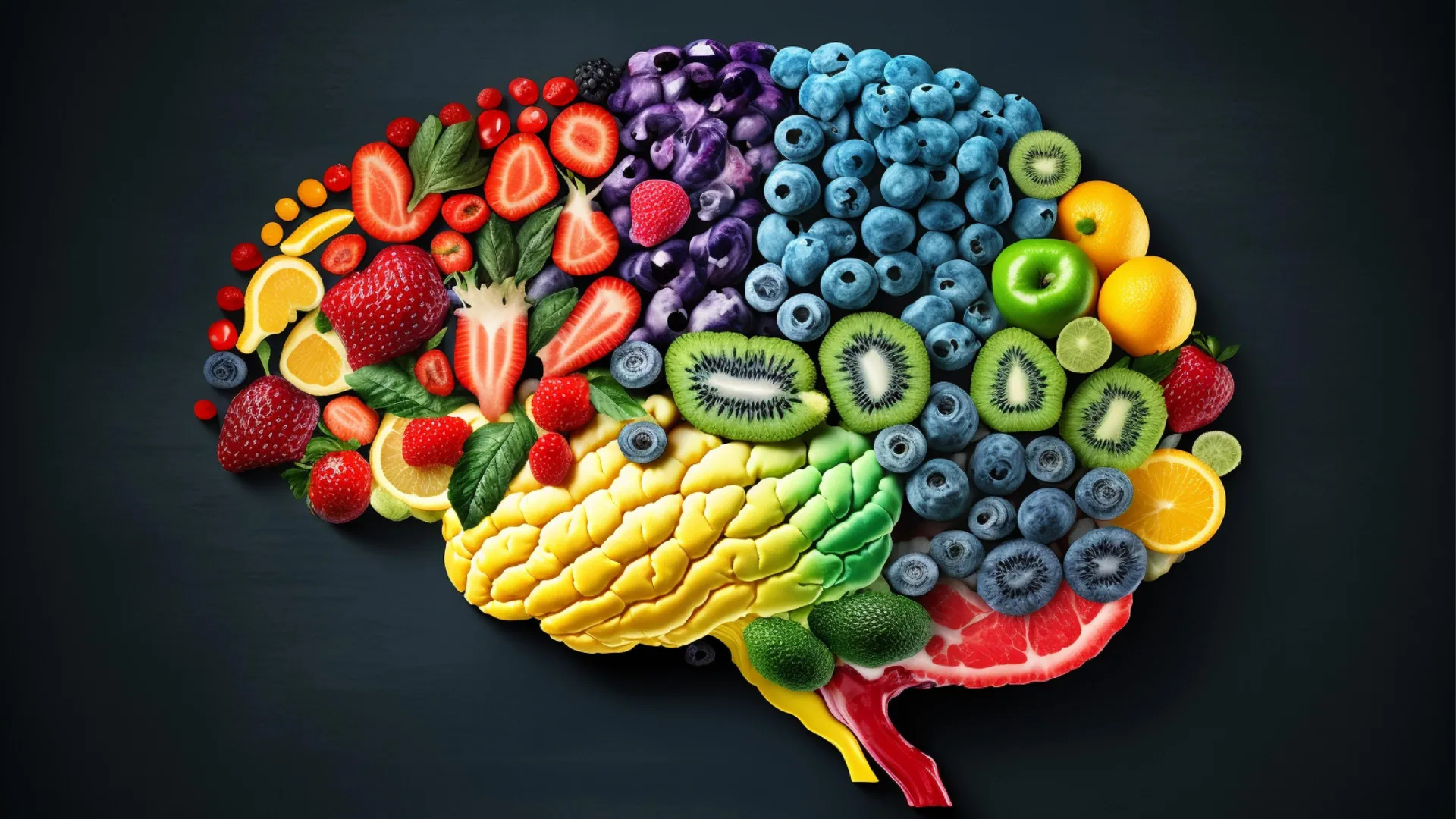
Researchers developed the MIND framework by identifying foods that clinical studies had previously linked to improved cognitive function and reduced risk of dementia. The regimen emphasizes ten "brain-healthy" food groups: green leafy vegetables, other vegetables, berries, nuts, whole grains, seafood, poultry, beans, olive oil, and a moderate intake of wine. Conversely, it discourages the consumption of butter, margarine, cheese, red meat, fried foods, and pastries. By focusing on these specific categories, the diet aims to lower oxidative stress and systemic inflammation—two primary drivers of neuronal damage in the aging brain.
Chronology of the Framingham Heart Study Investigation
The investigation utilized the Framingham Heart Study Offspring cohort (FOS), a longitudinal research project that has provided unparalleled insights into cardiovascular and brain health since the mid-20th century. The research team focused on a subset of 1,647 participants who were, on average, 60 years old at the onset of the study.
The methodology spanned several decades, creating a robust timeline for tracking neuroanatomical changes:
- 1991–2001: Researchers collected comprehensive dietary data through food frequency questionnaires (FFQs) at three distinct intervals. These surveys allowed investigators to establish a "MIND score" for each participant, ranging from 0 to 15, with higher scores reflecting stricter adherence.
- 1999–2019: Participants underwent a series of high-resolution MRI brain scans. This twenty-year window allowed for the longitudinal observation of brain volume changes, specifically tracking the decline of grey matter and the expansion of the brain’s ventricles.
- 12-Year Follow-up: On average, each participant was monitored for 12 years. During this period, the study team assessed how dietary choices made at the start of the century correlated with the physical condition of the brain as measured in the later stages of the study.
Quantifying the Impact of Nutrition on Brain Structure
The findings of this research provide a granular look at how diet influences the physical architecture of the brain. The study revealed that participants with higher MIND scores experienced significantly slower rates of grey matter loss. Specifically, for every three-point increase in a participant’s MIND diet score, the rate of grey matter loss slowed by 0.279 cubic centimeters per year.
To put this in perspective, the researchers translated these biological metrics into chronological time: the 20% reduction in age-related decline associated with higher adherence was equivalent to delaying the biological aging of the brain by approximately 2.5 years.
A similar trend was observed regarding the brain’s ventricular system. Ventricles are the fluid-filled cavities within the brain that naturally expand as surrounding tissue shrinks. The study found that a three-point increase in the MIND score was associated with a reduction in ventricular expansion by 0.071 cubic centimeters per year. This represents an 8% mitigation in tissue loss, effectively delaying the visible "aging" of the brain’s structure by roughly one year.
The Role of Specific Nutrients and Unexpected Anomalies
The study offered a nuanced look at how individual food components influence brain health. The data indicated that berries and poultry were particularly beneficial. Higher intake of berries, which are rich in antioxidants, was strongly linked to slower ventricular enlargement. Similarly, poultry consumption was associated with both reduced ventricular expansion and a slower decline in grey matter. These findings align with current hypotheses suggesting that antioxidants and high-quality protein sources help neutralize oxidative stress, thereby protecting neurons from the damage that leads to atrophy.
However, the researchers also encountered results that challenged prevailing assumptions. Higher consumption of whole grains, which are generally considered healthy, appeared to correlate with faster losses in grey and hippocampal volume. Conversely, cheese consumption was associated with slower declines in brain volume and fewer white matter hyperintensities—the "bright spots" on an MRI that typically signify small-vessel disease or tissue damage. While these findings were unexpected, the researchers suggest they warrant further investigation, noting that dietary data is complex and may be subject to confounding factors not fully captured by questionnaires.
Broader Implications and Public Health Considerations
The implications of this study are far-reaching. By demonstrating that dietary habits are linked to structural brain preservation, the researchers provide a clear argument for integrating nutritional counseling into standard geriatric care.
"These findings reinforce the potential of the MIND diet as a brain-healthy dietary pattern," the researchers noted. The study also highlighted that the benefits were more pronounced among older participants, as well as those who maintained a regular exercise routine and healthy body weight. This suggests that the MIND diet is not a "magic bullet" but a vital component of a synergistic, healthy lifestyle.
For individuals at high risk for neurodegenerative diseases, the data suggests that intervention may be most effective when it begins in middle age. By maintaining a diet rich in antioxidants and anti-inflammatory nutrients, individuals may be able to build a "cognitive reserve" that helps the brain remain resilient against the structural changes typically associated with the aging process.
Methodological Limitations and Future Directions
Despite the strength of the longitudinal data, the researchers were careful to acknowledge the limitations of their study. As an observational analysis, the research cannot definitively prove that the MIND diet is the direct cause of the observed structural benefits. The reliance on food frequency questionnaires introduces the possibility of recall bias, as participants may struggle to accurately report their dietary habits over several years.
Furthermore, the study cohort was predominantly White, which limits the generalizability of the findings to broader, more diverse populations. Future research will need to replicate these findings across different ethnic and socioeconomic backgrounds to determine if the benefits of the MIND diet are universal. The researchers also noted that they could not entirely rule out the influence of genetic predispositions or pre-existing mild cognitive impairment that may have influenced both dietary choices and brain health outcomes.
Conclusion
The research published in the Journal of Neurology, Neurosurgery & Psychiatry marks a significant step forward in understanding the biological underpinnings of healthy aging. By quantifying the relationship between diet and brain morphology, the study provides a compelling case for the role of nutrition in maintaining neurological integrity. While further clinical trials are necessary to establish direct causality, the current findings offer a clear path forward for those seeking to protect their long-term cognitive health through evidence-based dietary choices. As society continues to face the challenges of an aging population, the MIND diet may well emerge as a primary, accessible strategy for slowing the clock on brain decline.