The American Association of Pharmaceutical Scientists (AAPS) has announced a significant evolution in the agenda for its 2026 PharmSci 360 conference, set to take place October 25–28 at the Ernest N. Morial Convention Center in New Orleans. As the pharmaceutical industry grapples with the dual pressures of maintaining research integrity in the age of generative artificial intelligence and the rapid regulatory transition away from traditional animal testing, AAPS is launching two "Innovator-Curated" tracks designed to address these systemic challenges head-on. By prioritizing sessions on reproducibility, scientific ethics, and New Approach Methodologies (NAMs), the conference seeks to provide a roadmap for the future of drug discovery and development.
The Imperative of Research Integrity in the AI Era
The opening days of the conference will center on a critical assessment of the scientific publishing and research ecosystem. As generative AI becomes a standard tool in laboratories and clinical writing, the potential for both accidental misinformation and intentional scientific fraud has increased, prompting a response from the scientific community.
On Monday, October 26, Brian Nosek, the executive director of the Center for Open Science, will lead a curated track dedicated to the themes of research credibility, reproducibility, and the implementation of open-science policies. The choice of Nosek as the anchor for this program is deliberate; his work has long focused on the "reproducibility crisis" that has plagued various sectors of biomedical research for over a decade.
The track will explore the mechanics of modern scientific misconduct. With the rise of "paper mills"—organizations that produce and sell fabricated research—publishers are facing unprecedented difficulties in maintaining the quality of the literature. The symposium will feature experts who will discuss the deployment of automated tools to detect manipulated images, falsified data, and problematic citation patterns. Furthermore, the sessions will delve into the ethical integration of generative AI. While LLMs offer efficiency in literature reviews and data synthesis, the risk of "hallucinated" citations and biased outputs poses a significant threat to the validity of future drug pipelines.
A Chronology of the Shift Toward Non-Animal Models
While the credibility track addresses the integrity of the process, the second curated track, scheduled for October 28 and led by Johns Hopkins professor Thomas Hartung, addresses the physical methodology of drug testing. This track marks a milestone in the long-term transition from traditional animal models to advanced human-derived systems.
The movement toward NAMs has gained significant momentum over the past five years, supported by legislative shifts and technological breakthroughs. In 2022, the U.S. Congress passed the FDA Modernization Act 2.0, which removed the legal mandate for animal testing in drug development, allowing for the use of validated alternatives such as organ-on-a-chip technologies and cell-based assays.
The timeline of this transition is accelerating:
- 2022: The FDA Modernization Act 2.0 is signed into law, providing a regulatory pathway for non-animal testing.
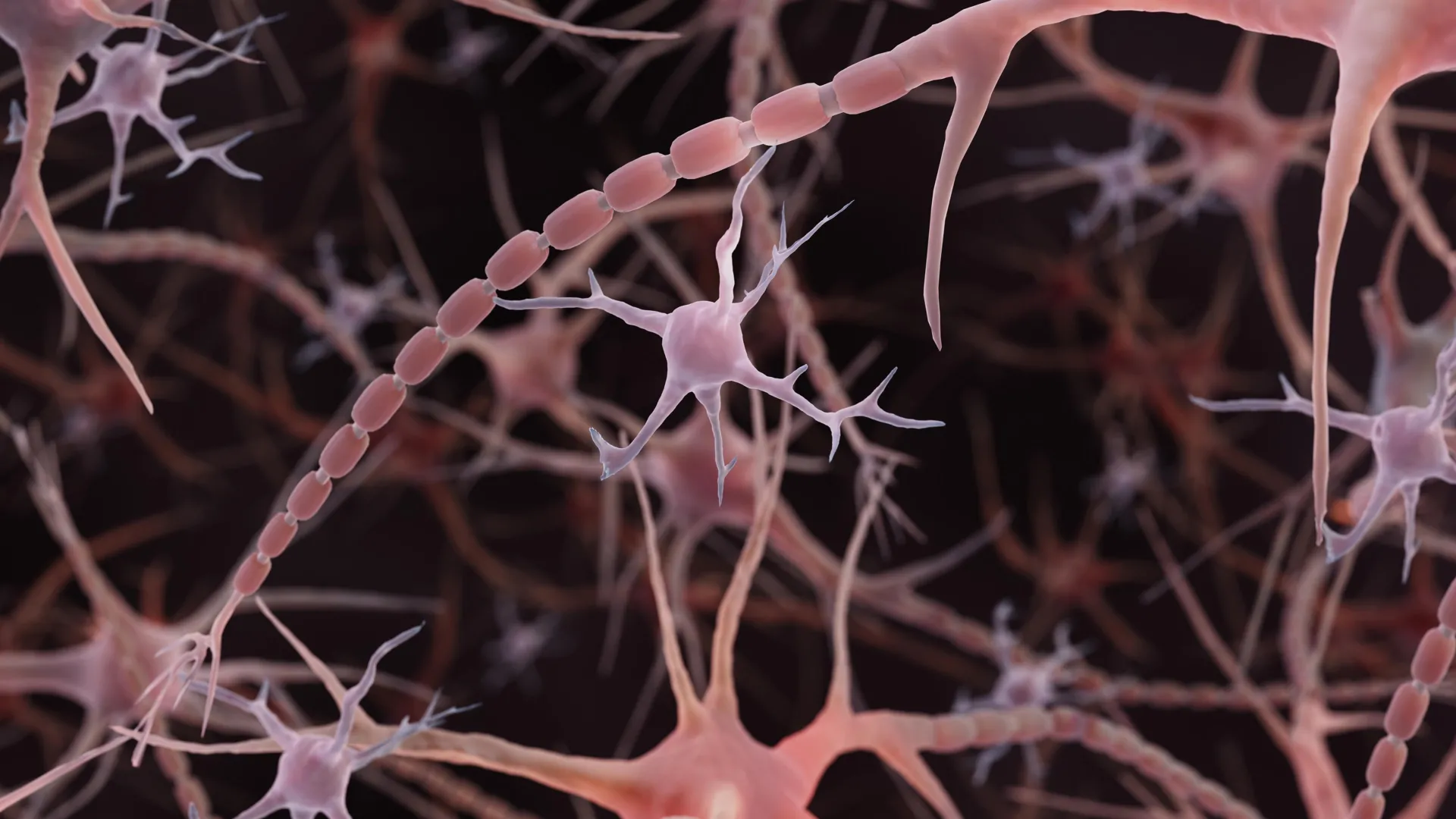
- 2025: A study coauthored by Thomas Hartung and Lena Smirnova provides landmark evidence of synaptic plasticity in human neural organoids, demonstrating their potential for modeling cognitive functions in drug screening.
- March 2026: The FDA releases formal draft guidance outlining the four foundational principles for submitting NAM evidence during the Investigational New Drug (IND) application process.
- October 2026: PharmSci 360 launches the curated NAMs track, aligning with the industry’s need for standardized validation protocols.
Supporting Data and Financial Commitments
The transition to NAMs is not merely a theoretical ambition but a heavily funded objective of federal agencies. The National Institutes of Health (NIH) has spearheaded this initiative through the Complement-ARIE (Complementary and Integrative Research for Experimental animal alternatives) program, committing $150 million over a five-year period. This funding is specifically earmarked to standardize human-based research technologies, ensuring that data generated in organ-on-a-chip systems can be reliably translated into human clinical trial success.
The scientific justification for this shift is rooted in the high failure rate of traditional preclinical models. According to industry data, nearly 90% of drugs that enter clinical trials fail to reach the market, often due to a lack of efficacy or unforeseen safety concerns that were not accurately captured by animal models. By utilizing neural microphysiological systems and AI-assisted chemical read-across, researchers aim to capture human-specific metabolic and physiological responses that are often missed in murine or canine models.
Official Perspectives and Regulatory Alignment
The alignment between AAPS and federal agencies like the FDA and NIH suggests a coordinated effort to standardize the "post-animal" era. Dr. Nicole Kleinstreuer, Deputy Director of the National Toxicology Program at the NIH, will serve as a keynote speaker for the NAMs track. Her presence highlights the importance of building "trust in non-animal safety science."
Regulators have made it clear that while they are open to non-animal alternatives, the burden of proof remains high. The FDA’s March 2026 draft guidance established that companies must provide rigorous evidence regarding the reliability, reproducibility, and relevance of their NAM data. This is why the PharmSci 360 track includes specific sessions on regulatory data packages for organ chips—a necessary step for developers to bridge the gap between bench science and commercial approval.
Industry experts observe that the inclusion of AI-assisted chemical read-across in the program is particularly timely. By using computational models to predict the toxicity of new molecules based on the known behavior of similar compounds, pharmaceutical companies can significantly shorten the preclinical timeline and reduce the reliance on iterative animal testing.
Broader Impact and Industry Implications
The integration of these two tracks—research integrity and advanced testing methodologies—reflects a maturing industry. The pharmaceutical sector is currently at an inflection point where the sheer volume of data produced by AI and high-throughput organoid screening requires a robust framework for verification.
If the strategies discussed at PharmSci 360 are successfully implemented, the industry could see a two-fold benefit. First, by adopting the open-science standards championed by Brian Nosek, firms can ensure that their research pipeline is built on a foundation of "truthful" data, thereby reducing the waste associated with failed experiments based on flawed literature. Second, by moving toward the NAM standards discussed by Dr. Hartung, companies can potentially shorten the time to market for novel therapeutics, reduce development costs, and address the growing public and ethical demand for the reduction of animal use in scientific testing.
The 2026 conference is expected to draw thousands of scientists, regulatory experts, and industry leaders. As the sector navigates the complexities of an AI-driven future, the focus on "curated" knowledge suggests that AAPS is positioning itself not just as a forum for information exchange, but as a proactive leader in defining the standards of the next generation of drug development. The outcomes of these sessions in New Orleans will likely set the tone for regulatory discussions and corporate R&D strategies for the remainder of the decade.