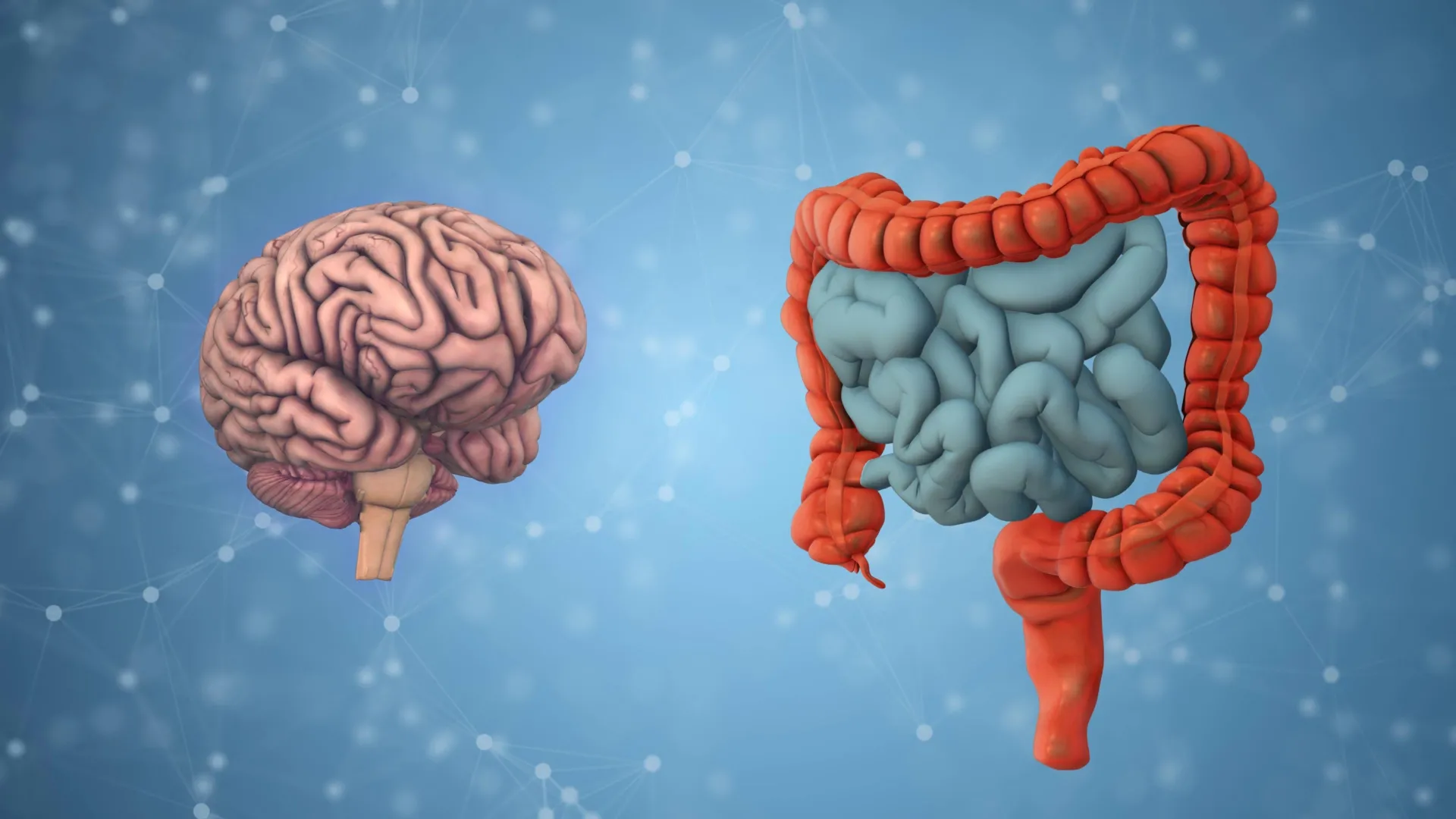
The human brain, often regarded as the most complex organ in the body, is subject to a chronological progression that rarely aligns perfectly with its biological state. A groundbreaking study conducted by researchers at UCLA Health has unveiled a profound connection between the trillions of microorganisms inhabiting the human gut and the structural integrity of the brain, suggesting that the pace of neurological aging is intrinsically linked to the chemical byproducts of our digestive microbiome. Published in the medical journal eBioMedicine, the research provides a transformative perspective on neurobiology, indicating that signs of cognitive decline may be detectable in the brain’s architecture long before a patient experiences subjective memory loss or executive dysfunction.
The Evolution of Brain Age Metrics
For over a decade, neuroscientists have utilized advanced magnetic resonance imaging (MRI) to calculate "brain age"—a biometric estimate that frequently deviates from a person’s actual calendar age. Historically, these calculations were reserved for clinical settings, primarily focusing on cohorts already diagnosed with neurodegenerative disorders such as Alzheimer’s disease, Parkinson’s, or vascular dementia. The scientific community had long observed that when a brain exhibits structural patterns characteristic of an older chronological age, the clinical outcomes often involve reduced cognitive reserve, impaired short-term memory, and increased susceptibility to mood disorders.
However, a significant gap remained in the literature: the vast majority of this data was derived from geriatric populations or individuals already exhibiting symptoms of pathology. The UCLA study represents a paradigm shift by pivoting toward younger, ostensibly healthy adults, thereby addressing whether accelerated brain aging is a process that begins in midlife or even early adulthood. By examining a diverse group of nearly 1,500 participants, the researchers established a baseline for "normal" versus "accelerated" aging in populations that have not yet reached the age of onset for traditional dementia.
Methodological Framework and the Brain Aging Index
The research team employed a sophisticated neuroimaging approach known as functional connectivity mapping. Rather than merely looking at the physical size or density of brain tissue, this method evaluates how distinct regions of the brain communicate with one another while the subject is in a resting state. This resting-state functional connectivity (rs-fcMRI) provides a dynamic map of the brain’s internal network efficiency.
The UCLA investigators utilized this data to train a computer model—a machine-learning algorithm—designed to predict a participant’s age based on these intricate communication patterns. By subtracting the participant’s chronological age from the model’s estimated brain age, the researchers derived what they termed the Brain Aging Index (BAI). A positive BAI indicated that a participant’s brain connectivity patterns resembled those of an older individual, while a negative BAI suggested a younger-than-average neurological profile.
Cognitive and Psychological Correlates
The implications of a high BAI were immediate and measurable. Across all three cohorts, participants exhibiting a higher index consistently demonstrated lower performance in tests of executive function and working memory. These cognitive domains are critical for daily navigation, enabling individuals to hold complex information in their minds, plan for the future, maintain focus amidst distractions, and organize tasks efficiently.
Perhaps most striking was the correlation between the BAI and emotional well-being. Individuals with accelerated brain aging reported higher frequencies of depressive symptoms. The researchers noted that these behavioral patterns were localized in specific neuroanatomical regions, particularly those associated with self-referential thought—the mental processes that allow individuals to synthesize personal experiences and maintain a sense of self. This suggests that the biological processes underlying brain aging are not limited to memory storage but are fundamentally tied to the emotional and psychological stability of the individual.
The Microbiome Connection: A New Frontier
In an effort to identify the biological drivers of these aging patterns, the research team conducted a deep-dive analysis of stool samples from a subset of the participants. The discovery was significant: specific bacterial signatures in the gut microbiome were statistically linked to higher Brain Aging Index scores.
These bacteria were associated with the presence of specific metabolic byproducts, including certain fat molecules, a cholesterol-related compound, and notably lower levels of estetrol—a hormone typically associated with estrogen signaling. The biological pathways activated by these metabolites are extensive, involving the modulation of the immune system, the regulation of blood-brain barrier permeability, and the efficiency of mitochondrial energy production within neurons.
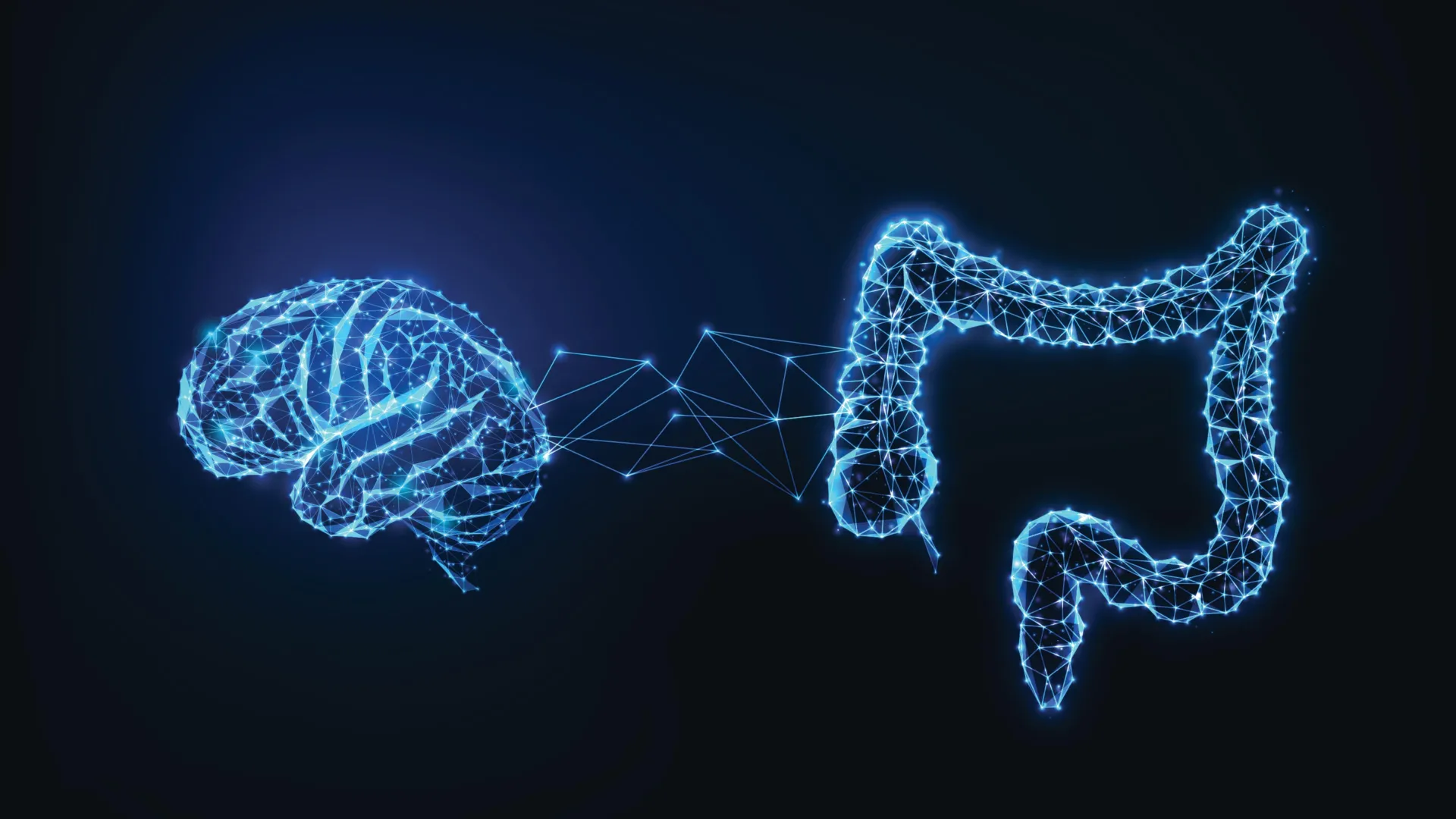
This confirms the "gut-brain axis" as a two-way communication system. The gut microbiome influences the brain through the secretion of neuroactive molecules that enter the bloodstream, cross the blood-brain barrier, and interact with the central nervous system. When this communication is disrupted or when the microbiome composition shifts toward an inflammatory state, the resulting metabolic byproducts can accelerate the biological wear and tear of the brain.
Clinical Implications and Future Directions
Dr. Arpana Church, senior author of the study and co-director of the Goodman-Luskin Microbiome Center at UCLA Health, emphasized that the findings fundamentally alter the medical approach to neuroprotection. "Brain aging doesn’t suddenly begin when we get older," Dr. Church noted. "The biological signals are likely detectable decades earlier than we previously realized."
The potential to identify individuals at risk for cognitive decline early in life is a major clinical breakthrough. If the gut microbiome is indeed a primary engine of this aging process, it offers a non-invasive, potentially reversible target for medical intervention. While traditional pharmaceutical approaches to Alzheimer’s have largely focused on clearing amyloid plaques after they have formed, the UCLA findings suggest that maintaining a healthy gut environment could serve as a prophylactic strategy to preserve cognitive function before structural damage becomes irreversible.
Chronology of Cognitive Research
To understand the significance of the UCLA findings, it is necessary to view them within the broader timeline of neurological research:
- 1990s–2000s: The "Amyloid Hypothesis" dominates, focusing on protein accumulation as the primary cause of cognitive decline.
- 2010s: Increased attention shifts to neuroinflammation and systemic health, leading to the "gut-brain axis" theory gaining traction in preclinical trials.
- 2020–2023: Advanced machine learning models begin to allow researchers to accurately estimate "brain age" from structural and functional MRI data.
- 2024: The UCLA study provides the first large-scale human evidence linking the gut microbiome to the specific functional connectivity patterns that define the Brain Aging Index.
Broader Impact on Public Health
The implications of this research extend beyond the laboratory. If digestive health is a precursor to neurological health, diet and lifestyle interventions could become the frontline of dementia prevention. Physicians may soon be able to utilize gut-microbiome profiling alongside neuroimaging to create personalized "brain health plans." Such plans could include probiotic supplementation, dietary changes focused on fiber and short-chain fatty acid production, or therapeutic interventions aimed at reducing systemic inflammation.
Furthermore, the connection to mood disorders opens a new path for psychiatry. Depression has historically been viewed primarily through the lens of neurochemistry (serotonin, dopamine, norepinephrine). The UCLA research suggests that for a subset of the population, depression may be a symptom of a systemic metabolic imbalance, where gut-derived metabolites influence the brain regions responsible for self-perception and mood regulation.
As the scientific community continues to validate these findings, the focus will likely shift toward large-scale, longitudinal studies that track these gut-brain markers over decades. This will be essential to determine if changing one’s microbiome can actually "reset" the Brain Aging Index or slow its progression. For now, the UCLA study provides a clear, evidence-based roadmap for future research, underscoring the reality that the keys to a healthy mind may very well be found in the gut. The findings not only offer a new diagnostic tool for early intervention but also provide a hopeful message: by focusing on our biological foundations early, we may significantly extend our years of cognitive vitality.