Why do some new skills seem to click almost instantly while others remain frustratingly difficult even after repeated practice? The difference may involve more than innate talent or the intensity of effort; it may hinge on whether the physiological environment of the brain is primed to convert transient practice into long-term neural architecture. Recent research from Tohoku University, published in the journal iScience on August 25, 2026, provides compelling evidence that the key to mastering new abilities lies in a biological feedback loop between our internal organs and the brain, mediated by the vagus nerve.
The study, which utilized murine models to observe the mechanics of motor learning, suggests that stimulating the vagus nerve—a critical communication highway—in the immediate aftermath of training can significantly enhance the durability of acquired skills. This discovery shifts the focus of neuroplasticity research from the brain in isolation to a more holistic, systems-biology perspective where the body acts as a proactive architect of cognitive function.
The Anatomy of the Vagus Nerve and Neuromodulation
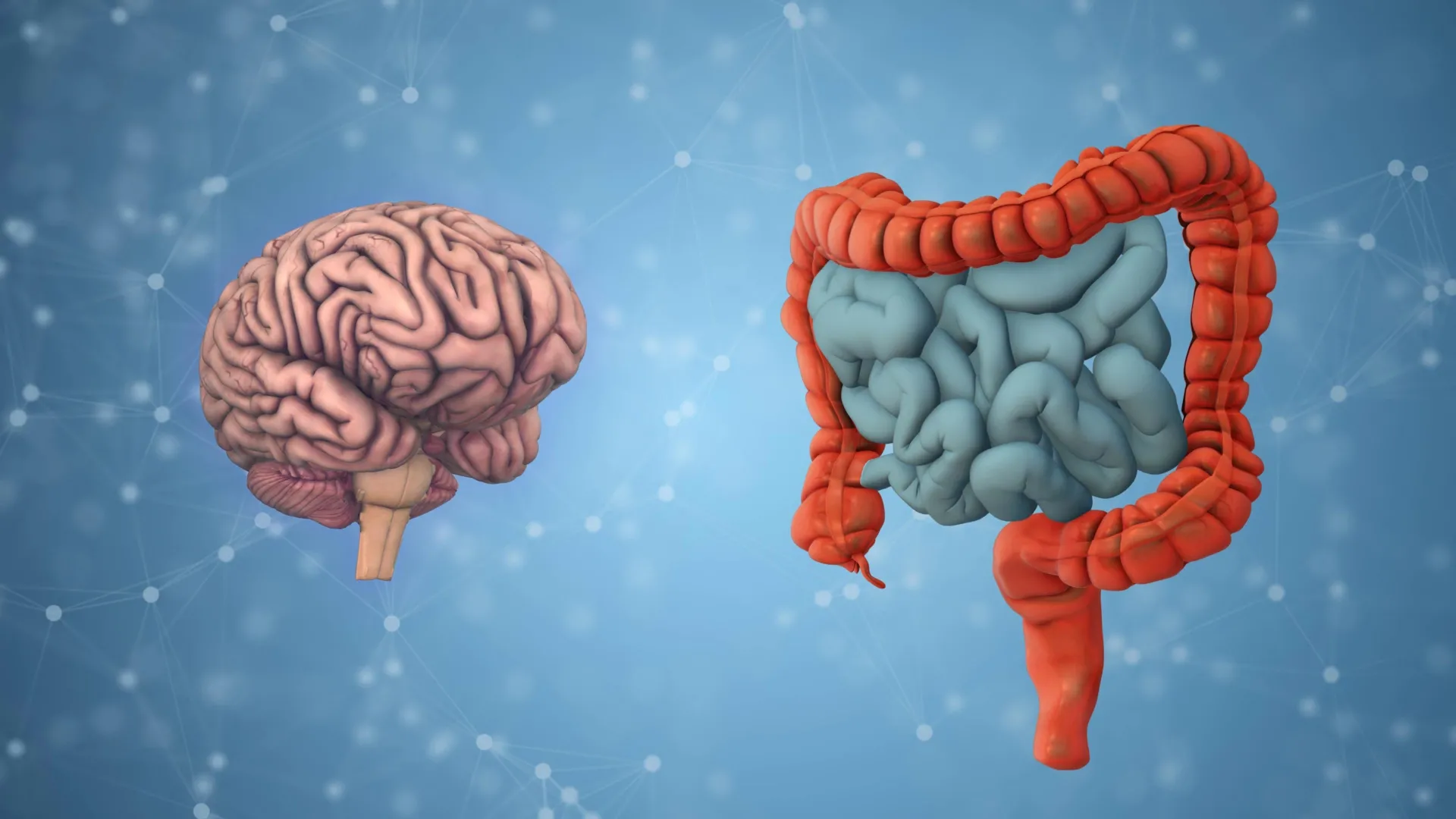
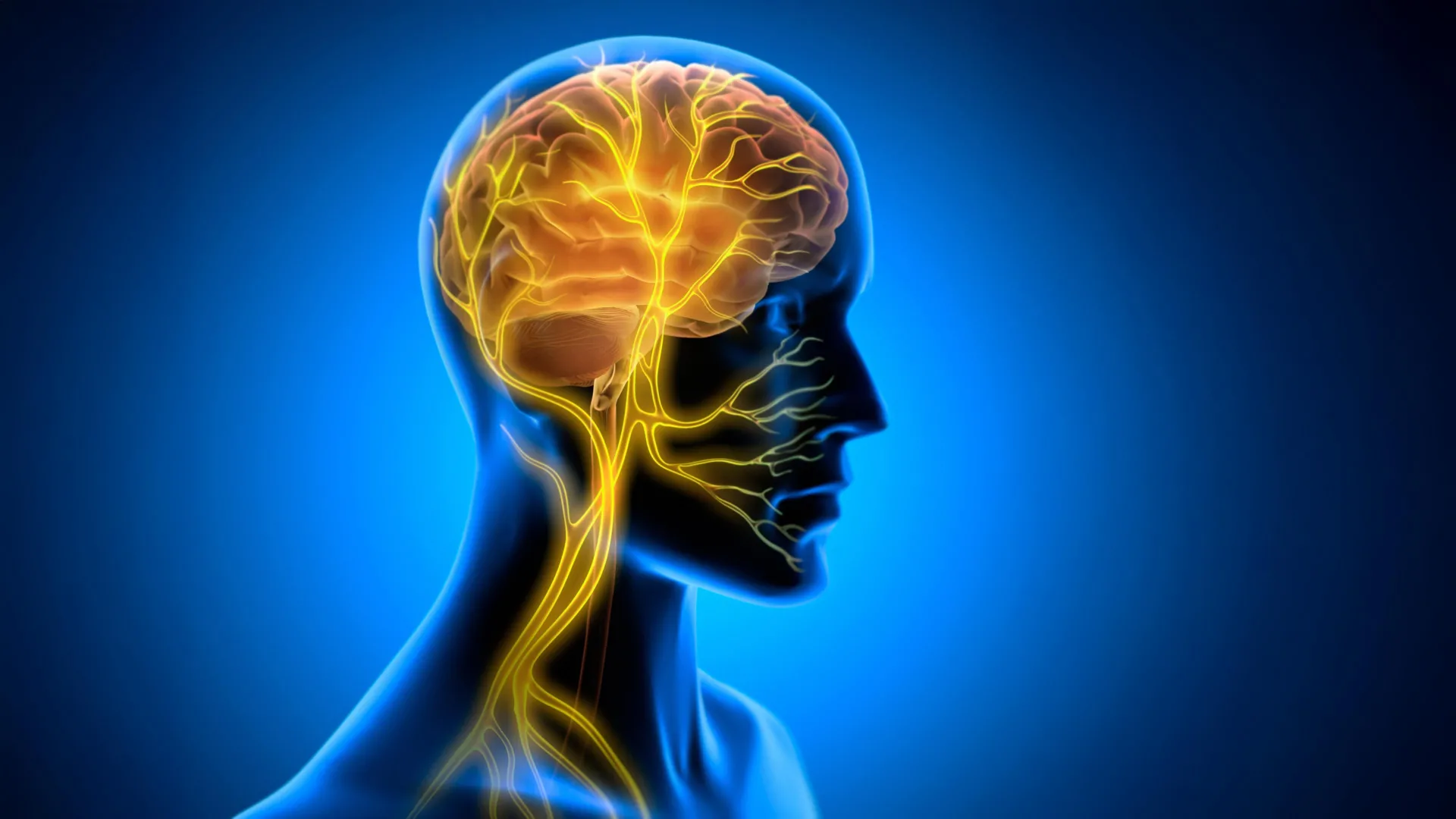
The vagus nerve, or the tenth cranial nerve, is one of the most complex pathways in the human nervous system. It originates in the brainstem and branches out to reach virtually every major organ system, including the heart, lungs, and digestive tract. Historically, scientists viewed the vagus nerve primarily as an efferent pathway—sending instructions from the brain down to the body to regulate heart rate, respiration, and digestion. However, modern neurophysiology recognizes it as a massive sensory conduit, with approximately 80% of its fibers dedicated to carrying information from the viscera back to the brain.
Vagus Nerve Stimulation (VNS) has been a clinical reality for decades, primarily utilized to treat refractory epilepsy and treatment-resistant depression. By applying precise electrical pulses to the nerve, clinicians have been able to modulate brain activity indirectly. While previous studies have primarily attributed the success of VNS to the modulation of neurotransmitters like norepinephrine and acetylcholine, the Tohoku University team suspected that the mechanism was far more structural and vascular in nature.
The Chronology of the Research
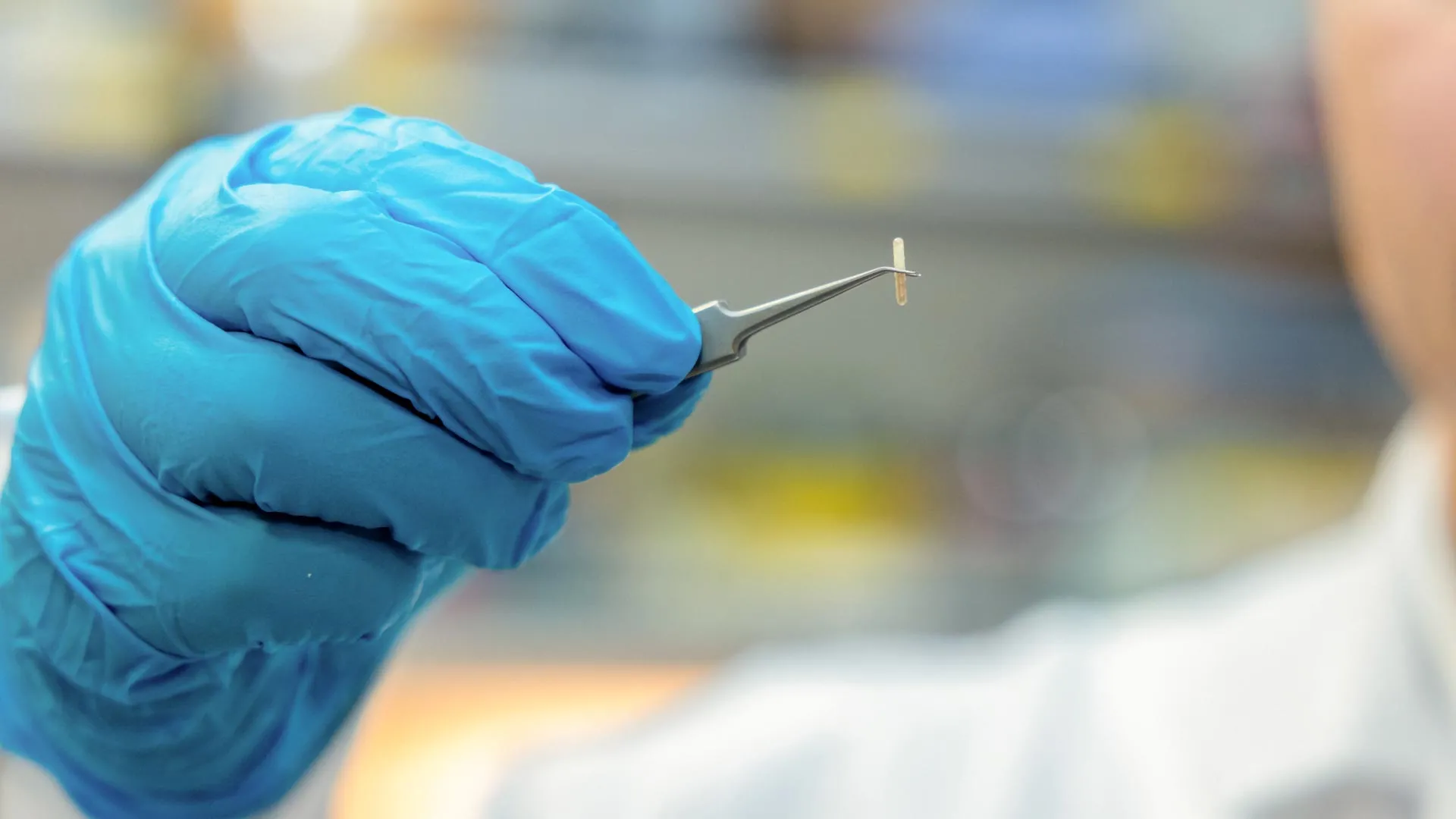
The investigation began with the engineering of a specialized, miniaturized cuff electrode capable of maintaining consistent contact with the left cervical vagus nerve in mice. The research protocol was divided into three distinct phases to isolate the timing of the stimulation’s efficacy:
- Baseline Calibration (Weeks 1–4): Researchers established a baseline for horizontal optokinetic response (HOKR) learning. The HOKR task involves visual tracking of moving stripes, a cerebellum-dependent motor function that serves as an excellent proxy for human motor skill acquisition, such as hand-eye coordination or athletic maneuvers.
- Intervention Phase (Weeks 5–8): The team implemented a rigorous schedule where VNS was delivered exclusively after the mice completed their training sessions. By separating the stimulation from the task itself, the researchers aimed to determine whether VNS influences the encoding phase or the consolidation phase of learning.
- Observation and Analysis (Weeks 9–12): The team used fiber photometry to track blood volume oscillations in the cerebellar flocculus—a brain region critical for motor coordination. They recorded data points on daily progress, culminating in a performance assessment on Day 5 to measure the retention of the learned skill.
The "Post-Practice" Window of Opportunity
One of the most significant findings in this study is the temporal sensitivity of the intervention. When VNS was administered during the learning task, there was no immediate spike in performance or accuracy. However, when the stimulation was applied in the period immediately following training—a phase known as memory consolidation—the results were stark.
The mice that received post-training VNS demonstrated a higher retention rate and superior accuracy by the fifth day compared to the control group. Professor Ko Matsui, the lead investigator, emphasized that the brain appears to have a "hidden window of opportunity" that remains open only briefly after training. During this window, the brain is actively moving information from short-term buffers into long-term memory. By stimulating the vagus nerve during this interval, the researchers essentially "tagged" the neural circuits involved in the HOKR task for reinforcement.
Vascular Rhythms: A New Mechanism of Plasticity
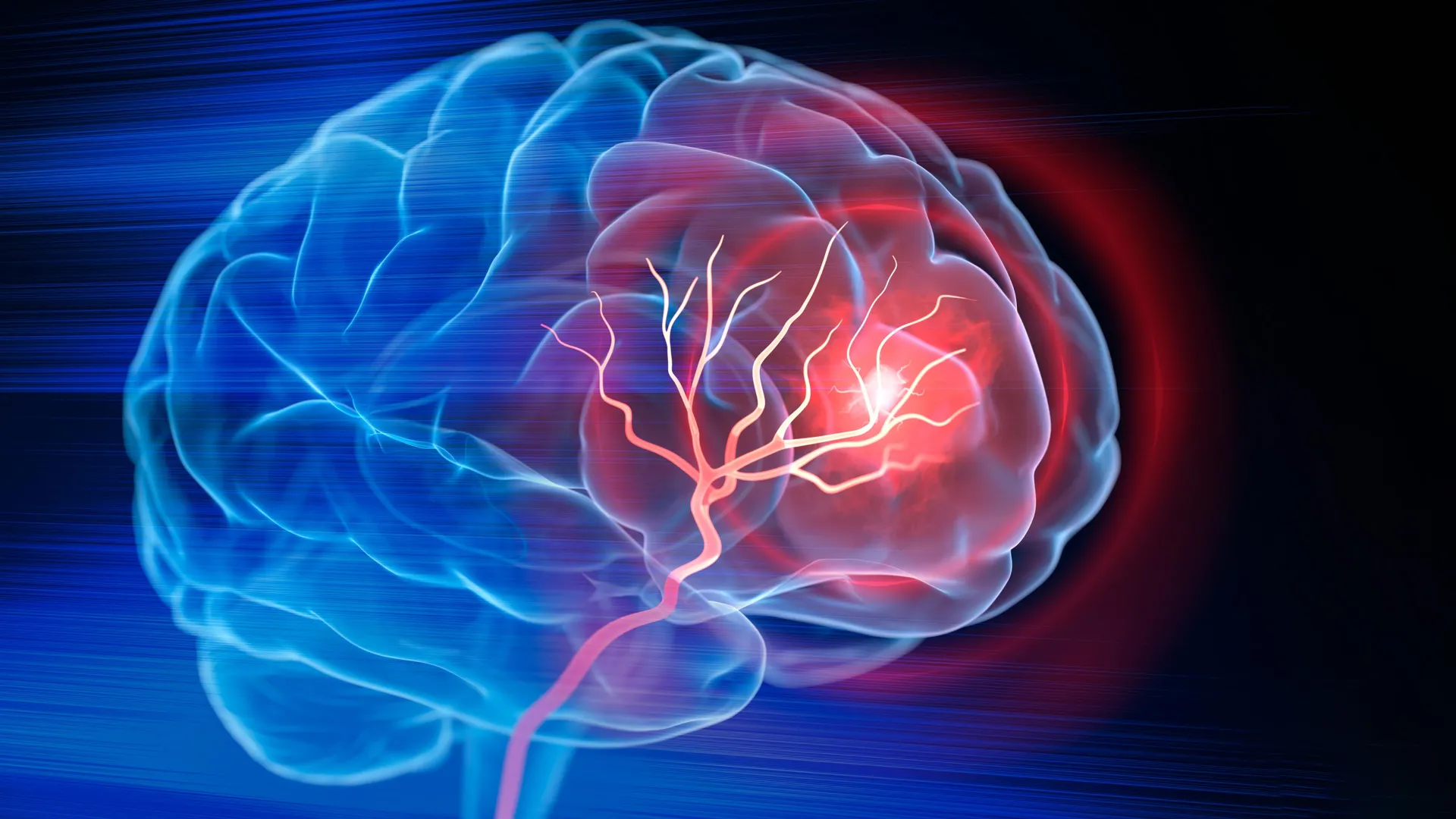
Perhaps the most groundbreaking aspect of the study is the identification of a two-phase vascular response to VNS. Using high-resolution imaging, the team observed that a single round of stimulation triggered a transient decrease in local blood volume near the cerebellum, followed by a secondary surge. When VNS was repeated, these fluctuations became rhythmic.
This rhythmic oscillation in blood volume appears to be the engine driving the plasticity. The researchers hypothesize that these vascular pulses may be optimizing the metabolic environment of the brain, perhaps by facilitating the delivery of nutrients or the clearance of metabolic byproducts that accumulate during intense learning.
Junyu Chen, the lead author of the study, noted that the data suggests the brain is far more responsive to bodily signals than previously imagined. "By tuning the brain’s metabolic environment, including rhythmic vascular movements, we may eventually unlock capacities that would otherwise remain latent," Chen stated. The correlation was clear: mice that exhibited the most robust vascular oscillations showed the most significant improvements in motor skill retention.
Implications for Clinical and Educational Science
The broader implications of this research are substantial, spanning from clinical rehabilitation to education and athletic training. If these results can be replicated in human models, the methodology could provide a non-invasive way to accelerate rehabilitation for stroke victims or individuals recovering from traumatic brain injuries.
- Clinical Rehabilitation: Currently, physical therapy often plateaus because the brain fails to consolidate new motor patterns. A portable, wearable VNS device timed to trigger after physical therapy sessions could potentially shorten recovery times significantly.
- Skill Acquisition: In professional athletics or high-stakes vocational training (such as surgery or piloting), the ability to "hard-wire" a skill in fewer repetitions could drastically change how training curricula are structured.
- Neurodegenerative Research: While the study focused on healthy subjects, there is potential for exploring whether VNS-induced vascular rhythms can counteract the degradation of neuroplasticity seen in early-stage cognitive decline.
Expert Perspectives and Scientific Analysis
Independent neuroscientists have reacted to the Tohoku University findings with cautious optimism. Dr. Helena Vance, a researcher in neuromodulation not affiliated with the study, noted that while the mouse model is compelling, the jump to human application remains complex. "The vagus nerve in humans is vastly more complex, and our brain’s vascular network operates under different pressures and constraints," Vance observed. "However, the identification of a vascular mechanism—rather than just a chemical one—is a major step forward in understanding why VNS has been so inconsistently effective in the past."
The study also raises questions about the "optimal dose" of stimulation. If the rhythmic oscillations are the key, then the frequency, intensity, and duration of the VNS pulses must be precisely calibrated to the individual’s physiological rhythms. This suggests that the future of learning enhancement will not be a "one-size-fits-all" electrical patch, but a personalized device that reads the body’s signals and responds with specific, rhythmic stimulation.
Future Research Directions
The Tohoku University team has already outlined a roadmap for the next phase of their research. Future inquiries will focus on refining the stimulation protocols to identify the exact frequencies that maximize vascular oscillation without causing adverse autonomic side effects. Furthermore, the researchers intend to expand the study to examine whether VNS can enhance cognitive learning—such as language acquisition or mathematical problem-solving—in addition to motor skills.
As the scientific community continues to explore the intricate, bidirectional communication between the body and the brain, the paradigm of human intelligence is shifting. We are moving away from a brain-centric model toward a somatic-integrated model, where the health, rhythm, and signaling of our internal organs are seen as the foundational pillars upon which all high-level learning is built. For those who have long struggled to master new skills, the answers may not be found in more practice, but in better physiological timing.