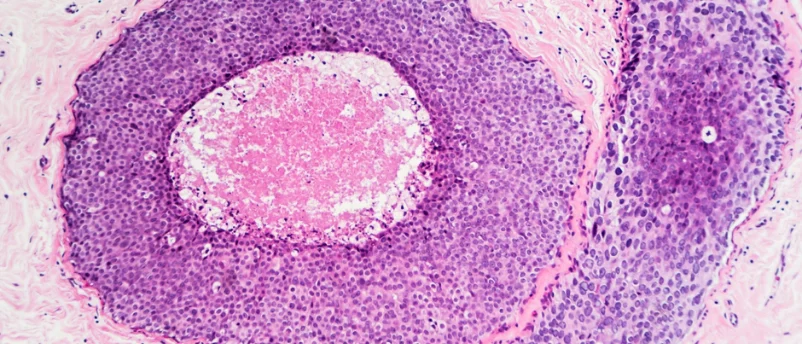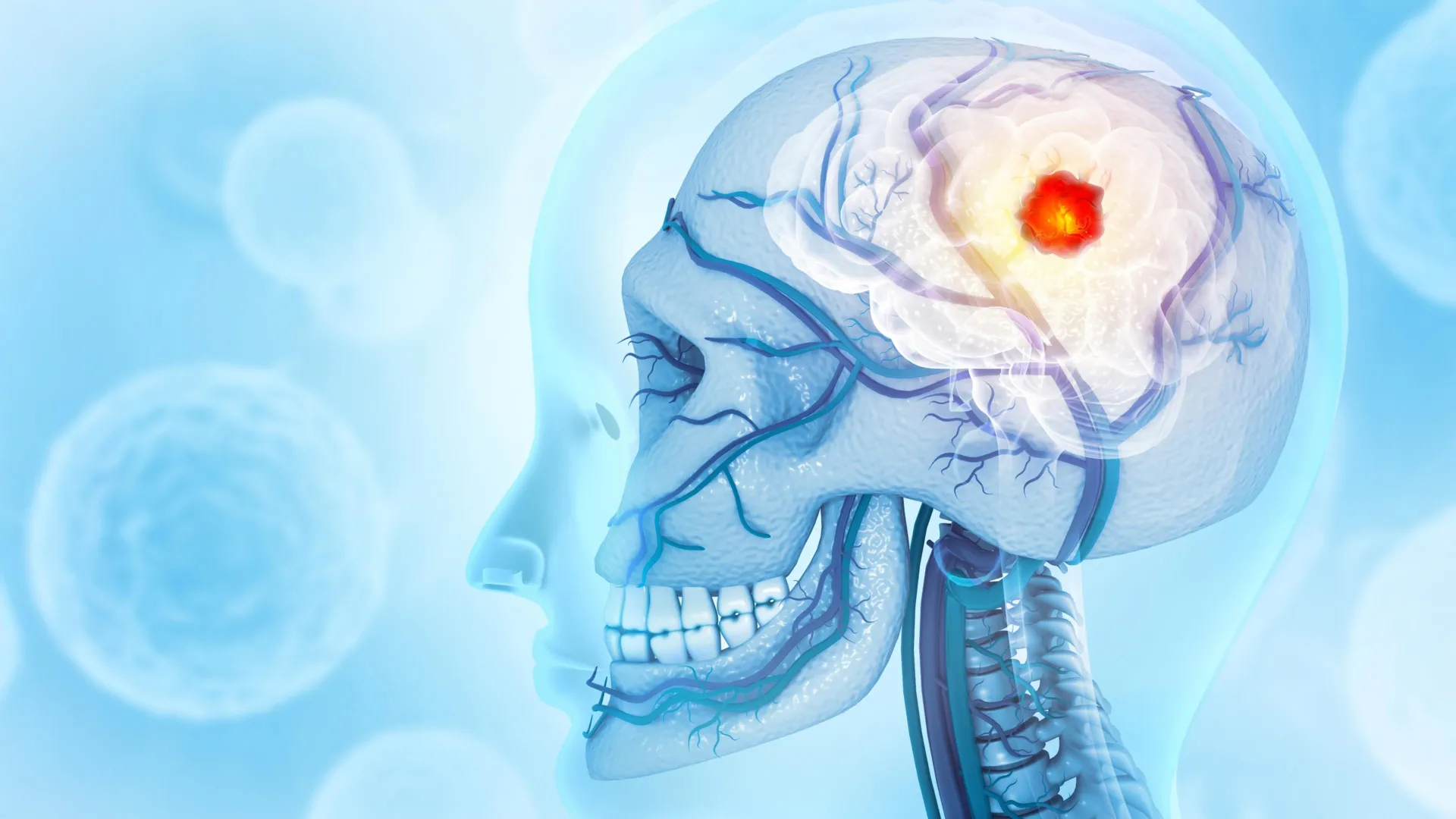
Glioblastoma, long characterized by neuro-oncologists as an intensely aggressive yet strictly localized brain tumor, is far more insidious than previously understood. According to landmark research published on October 3 in the esteemed journal Nature Neuroscience, scientists from the Montefiore Einstein Comprehensive Cancer Center (MECCC) and the Albert Einstein College of Medicine have discovered that this lethal malignancy exerts a devastating systemic influence. Far from restricting its destructive path to cerebral tissue, glioblastoma systematically damages the skull, rewires the immune architecture of the skull’s bone marrow, and hijacks the body’s natural defense mechanisms.
This paradigm-shifting revelation fundamentally challenges decades of established medical dogma. By exposing how the tumor communicates with and corrupts the skeletal and immune systems, the study offers a compelling explanation for why traditional therapies—historically designed to eradicate a localized brain lesion—have persistently failed. Furthermore, the findings deliver an urgent warning regarding standard supportive medications, revealing that commonly prescribed osteoporosis treatments can inadvertently accelerate tumor progression.
The Scale of the Crisis and the Limitations of Current Care
To understand the profound clinical implications of this discovery, one must examine the grim statistics surrounding glioblastoma. According to data from the National Cancer Institute (NCI), approximately 15,000 individuals are diagnosed with glioblastoma in the United States each year. As the most aggressive and malignant form of brain cancer, it predominantly affects adults, stripping patients of cognitive function, independence, and ultimately life at an alarming pace.
Despite aggressive advancements in oncology, the standard of care for glioblastoma has remained largely stagnant and punishing. Patients typically undergo a grueling triad of interventions: maximal safe surgical resection to debulk the tumor, followed by concurrent radiation therapy and systemic chemotherapy, most commonly with temozolomide. Yet, despite these intensive measures, the prognosis remains devastatingly bleak. The median survival time for individuals receiving the current standard of care hovers at a mere 15 months, with a five-year survival rate remaining in the single digits.
For years, clinical researchers struggled to understand why treatments that successfully targeted localized tumor masses failed to prevent inevitable recurrence. The answer, as this new research suggests, may lie in treating glioblastoma as a localized brain disorder when it is, in fact, a systemic condition that actively manipulates the body’s skeletal and immune scaffolding.
A Matter of Marrow: Uncovering the Skull-Brain Axis
The genesis of this breakthrough study rests upon a unique intersection of neurobiology, immunology, and skeletal physiology. Like all major bones in the human body, the skull contains specialized bone marrow responsible for generating vital immune and blood cells. However, the skull possesses a distinct anatomical advantage and vulnerability: it is situated in immediate proximity to the central nervous system.
Recently, anatomical discoveries revealed the existence of extremely thin, microscopic vascular channels connecting the bones of the skull directly to the brain. These channels serve as biological superhighways, facilitating a continuous, dynamic exchange of molecular signals, biochemicals, and immune cells between the cranial bone marrow and the intracranial environment.
Inspired by these anatomical revelations, the research team, led by corresponding author Dr. Jinan Behnan, assistant professor in the Leo M. Davidoff Department of Neurological Surgery and the Department of Microbiology & Immunology at Einstein, set out to investigate whether glioblastoma exploits this pathway.
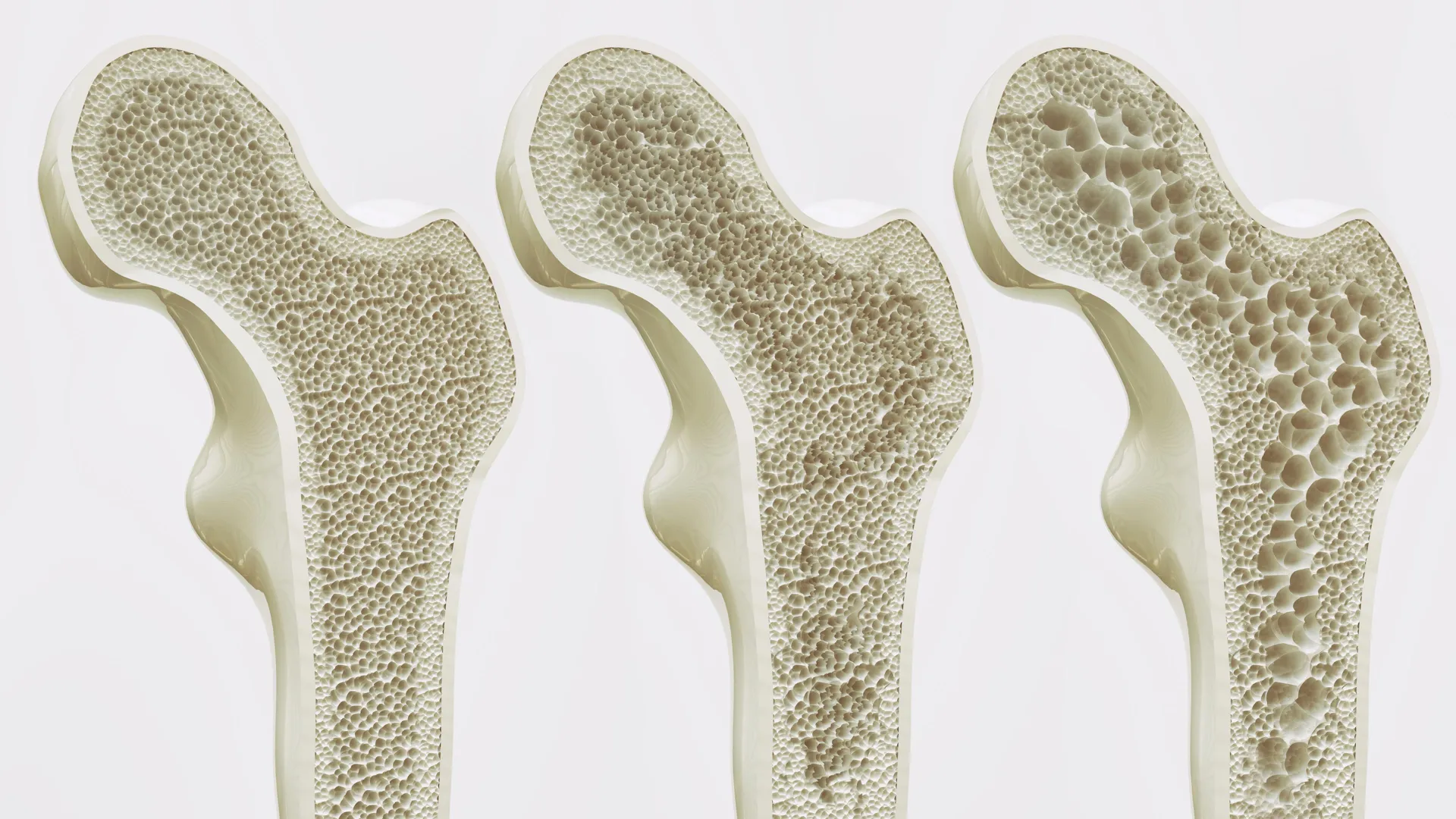
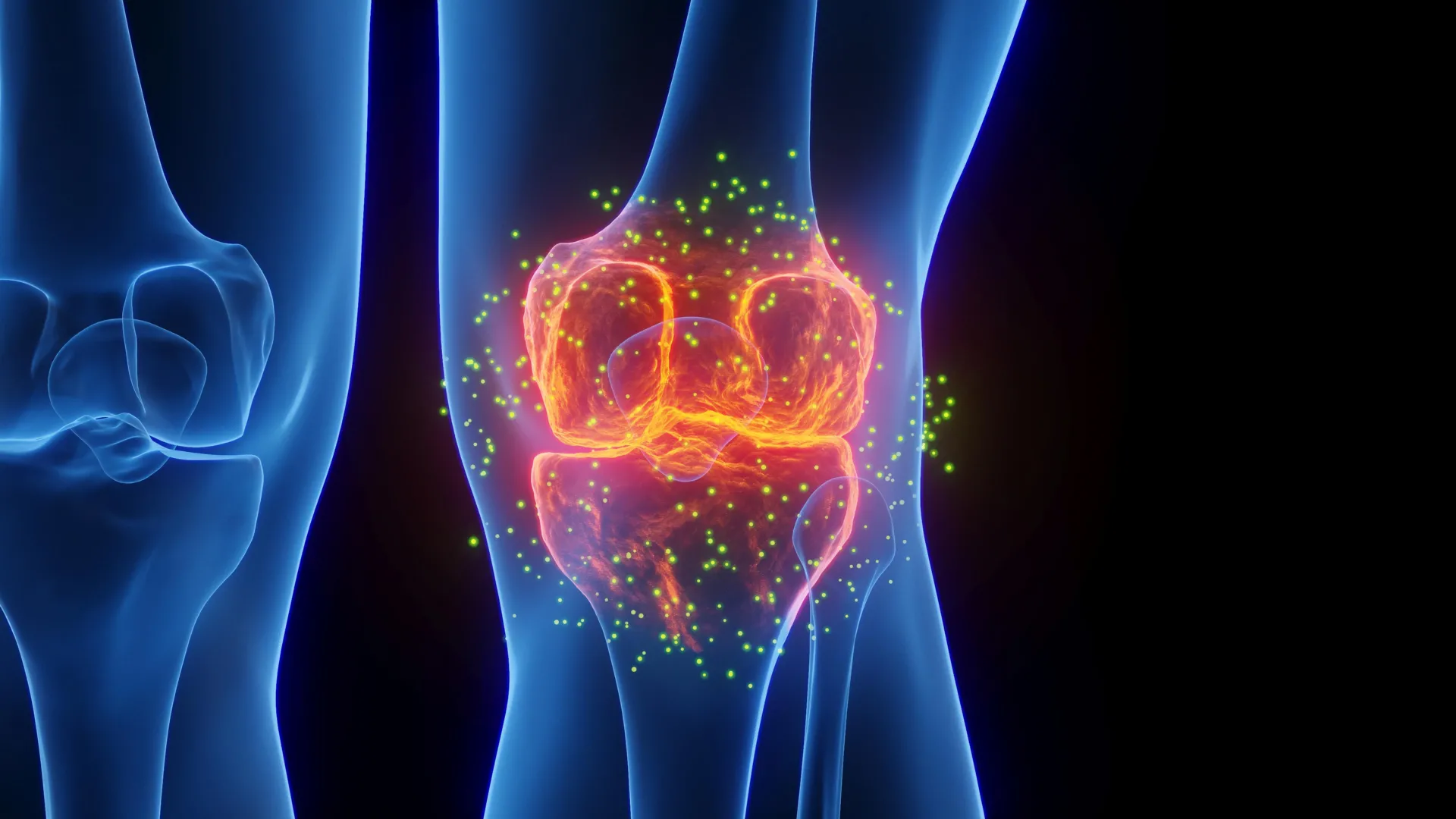
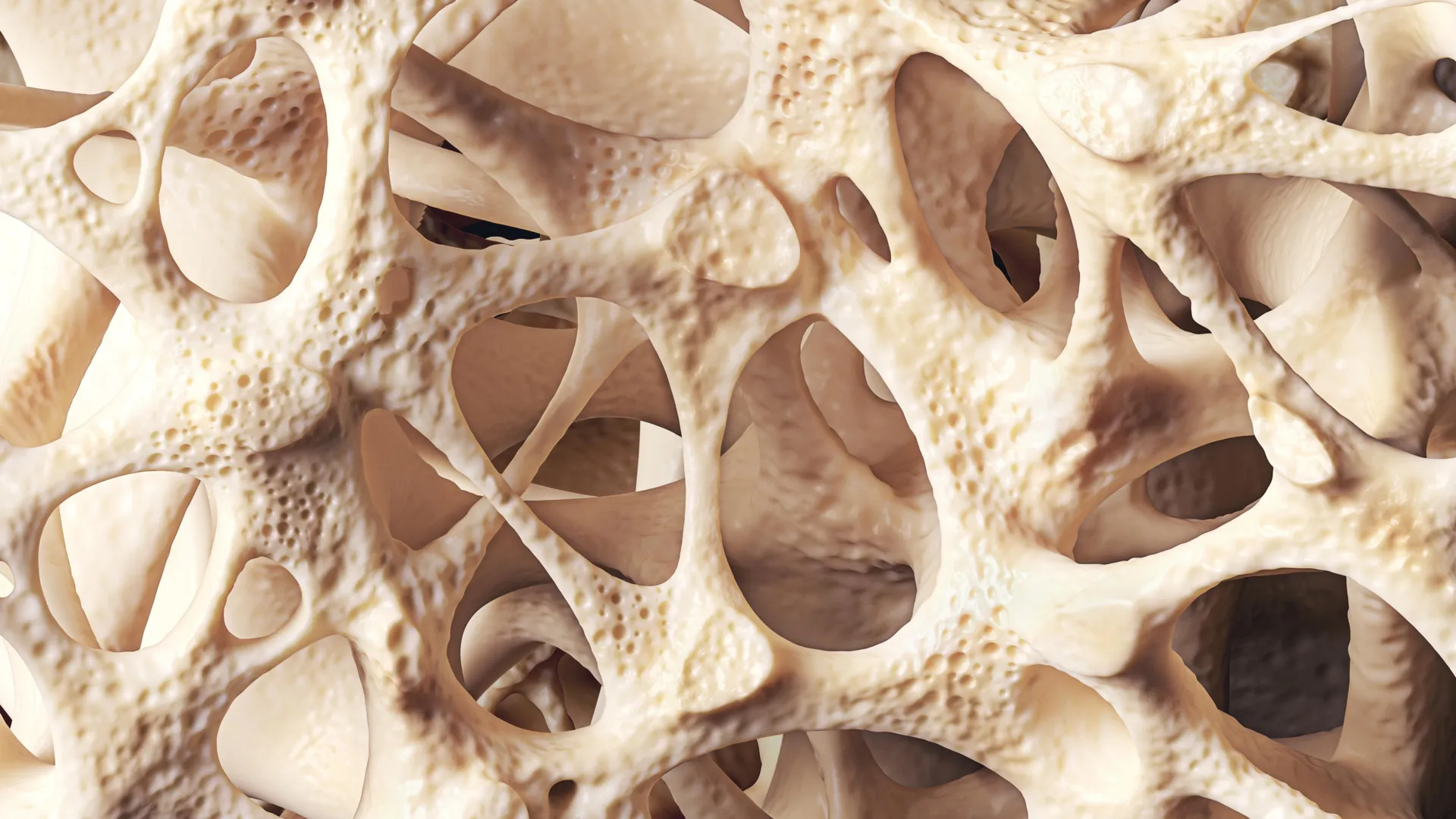
Utilizing advanced, high-resolution imaging modalities, the researchers tracked the progression of two distinct types of glioblastoma in murine models. The results were striking. The presence of the brain tumor induced pronounced erosion and degradation of the skull bones, concentrating predominantly along the cranial sutures—the fibrous joints where the cranial bones fuse together.
Significantly, this skeletal erosion was exclusive to aggressive brain tumors. Control mice subjected to ischemic strokes, other non-cancerous brain injuries, or peripheral cancers elsewhere in the body did not exhibit this localized cranial degradation. To validate these findings in humans, the researchers analyzed computed tomography (CT) scans from glioblastoma patients. The clinical imaging revealed an identical pattern: noticeable reductions in skull thickness in the exact same anatomical regions observed in the laboratory models.
As the skull bones eroded in the mice, the physical channels linking the skull to the brain expanded in both number and dimensions. The research team hypothesized that these widened conduits act as open conduits, allowing the expanding brain tumor to beam molecular distress and signaling molecules directly into the cranial bone marrow, thereby subverting its normal physiological functions.
A Tilt Toward Inflammation: Rewiring the Immune Landscape
Once the communication pathways between the tumor and the skull marrow were established, the consequences for the body’s immune system were profound. Utilizing sophisticated single-cell RNA sequencing technologies, the scientists mapped the cellular composition of the skull marrow and uncovered a drastic, pathological shift in its immune balance.
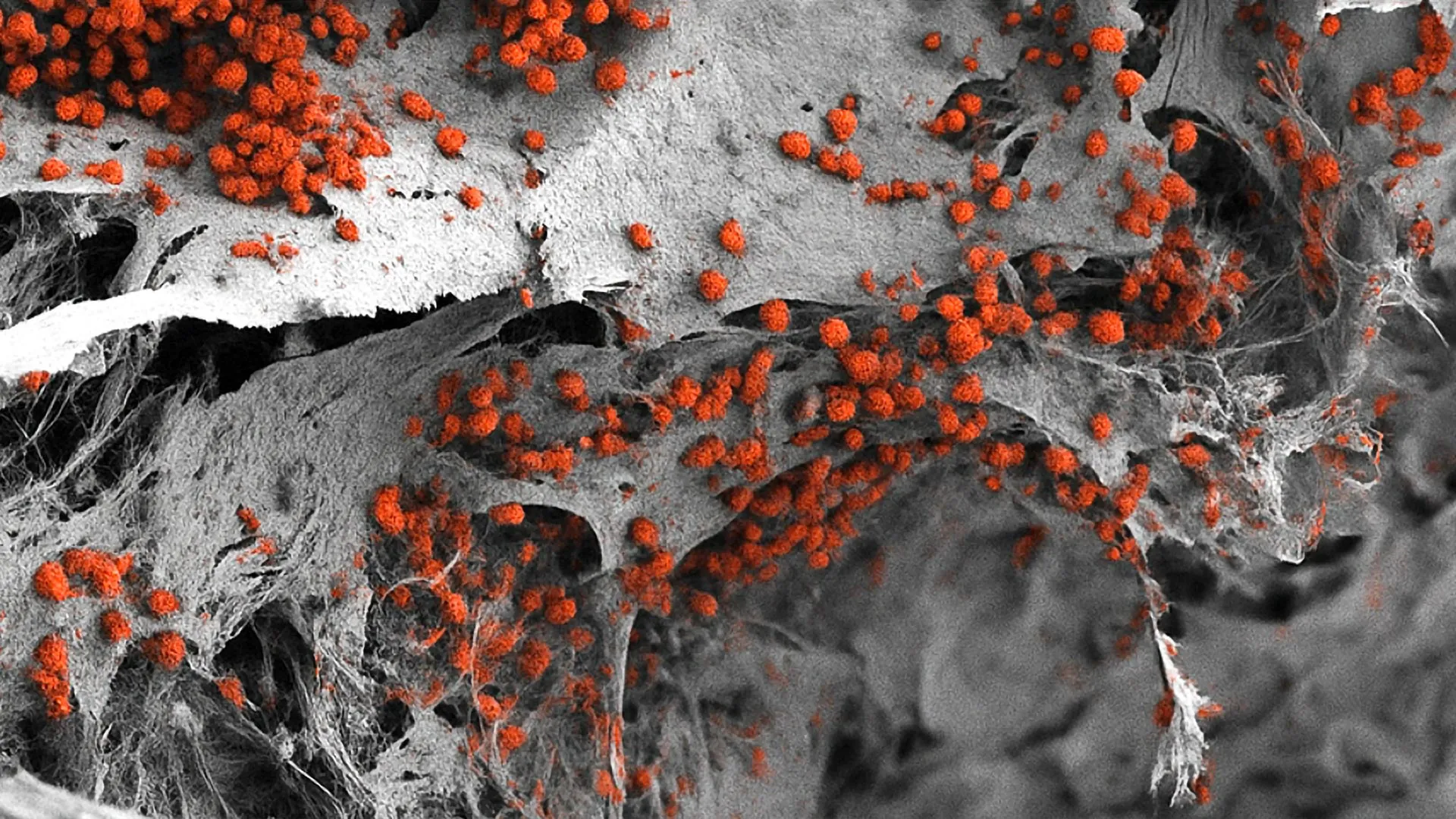
Glioblastoma heavily skewed the marrow’s production toward pro-inflammatory myeloid cells. Specifically, the levels of inflammatory neutrophils nearly doubled within the cranial marrow. Concurrently, the tumor actively suppressed and nearly eliminated several varieties of antibody-producing B cells, alongside other vital B cell populations.
"The skull-to-brain channels allow an influx of these numerous pro-inflammatory cells from the skull marrow to the tumor, rendering the glioblastoma increasingly aggressive and, all too often, untreatable," explained study co-author Dr. E. Richard Stanley, professor of developmental and molecular biology at Einstein.
Dr. Stanley emphasized the therapeutic imperative emerging from these findings: clinical strategies must pivot toward restoring normal immune cell homeostasis within the skull marrow. An ideal therapeutic intervention, the researchers suggest, would involve suppressing the overproduction of harmful pro-inflammatory neutrophils and monocytes while simultaneously revitalizing the body’s capacity to generate tumor-suppressive T and B cells.
Highlighting the systemic nature of the disease, the researchers observed a fascinating biological dichotomy. While the marrow inside the skull responded to glioblastoma by upregulating genes that churned out inflammatory immune cells, the marrow inside the femur (the thigh bone) reacted in the exact opposite manner. In the femur, the cancer suppressed the genes necessary for producing various immune cells, demonstrating that glioblastoma exerts a selective, site-specific systemic control over the host’s skeletal hematopoietic systems.
The Double-Edged Sword of Osteoporosis Therapies
Armed with the knowledge that glioblastoma actively degrades skull bone, the research team posed a critical clinical question: would administering anti-osteoporosis medications—drugs specifically designed to halt bone loss—prevent skull erosion and improve outcomes in glioblastoma patients?
To test this hypothesis, the scientists administered two different U.S. Food and Drug Administration (FDA)-approved osteoporosis treatments, zoledronic acid and denosumab, to mice bearing glioblastoma tumors.
The results were both promising and cautionary. Both pharmaceutical agents successfully halted the erosion of the skull bone. However, their effects on the underlying cancer varied dangerously. Zoledronic acid unexpectedly fueled tumor progression in one specific type of glioblastoma, driving aggressive cancer growth despite stopping bone degradation. Furthermore, both zoledronic acid and denosumab interfered with and completely blocked the beneficial therapeutic effects of anti-PD-L1, an advanced immunotherapy drug designed to boost the activity of tumor-fighting T cells.
This critical finding serves as a stark warning for clinical oncologists. Many cancer patients concurrently suffer from bone density loss, whether due to age, corticosteroid use, or cancer treatments. The revelation that standard anti-resorptive bone medications can inadvertently accelerate brain tumor growth or nullify the efficacy of cutting-edge immunotherapies underscores the complex, interconnected nature of cancer biology and the necessity of rigorous preclinical testing before repurposing common drugs.
Broad Implications for Future Neuro-Oncology Treatments
The publication of this study in Nature Neuroscience marks a pivotal turning point in how the medical community conceptualizes glioblastoma. By proving that glioblastoma is not merely an isolated intracranial mass, but rather a systemic disease that commands the skull, bone marrow, and immune system, the research opens entirely new avenues for therapeutic development.
Future clinical strategies will likely focus on multi-pronged approaches: targeting the physical communication channels between the skull and the brain, neutralizing the influx of pro-inflammatory myeloid cells, and carefully managing bone health without inadvertently fueling tumor proliferation or hindering immunotherapy.
As researchers worldwide begin to digest these findings, the oncology community moves one step closer to dismantling the mechanisms behind one of humanity’s most resilient and lethal cancers, offering renewed hope for more effective, comprehensive treatment strategies in the years to come.