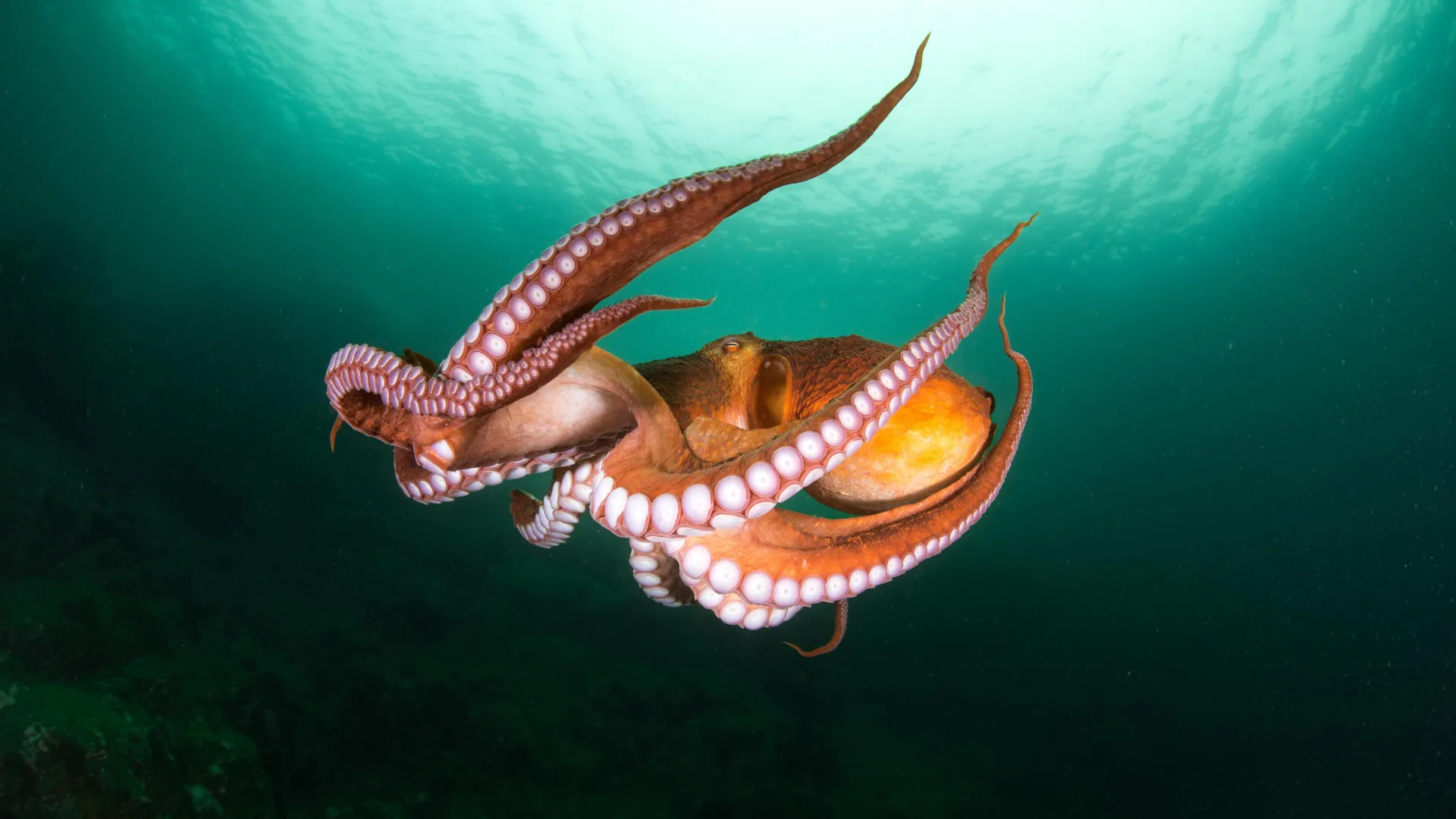
Octopuses, squid, and cuttlefish—collectively known as coleoid cephalopods—possess nervous systems that defy conventional evolutionary expectations for invertebrates. With cognitive capabilities that allow for intricate problem-solving, camouflage manipulation, and complex behavioral displays, these animals represent a pinnacle of non-vertebrate intelligence. For decades, biologists have sought to understand the genetic blueprint that allows a mollusk to exhibit traits more commonly associated with mammals. Recent research conducted at the University of Vienna and published in the journal Nature Communications posits that the secret to this evolutionary leap lies not merely in the sequence of genes, but in the sophisticated three-dimensional architecture of the genome itself.
The Genetic Architecture of Intelligence
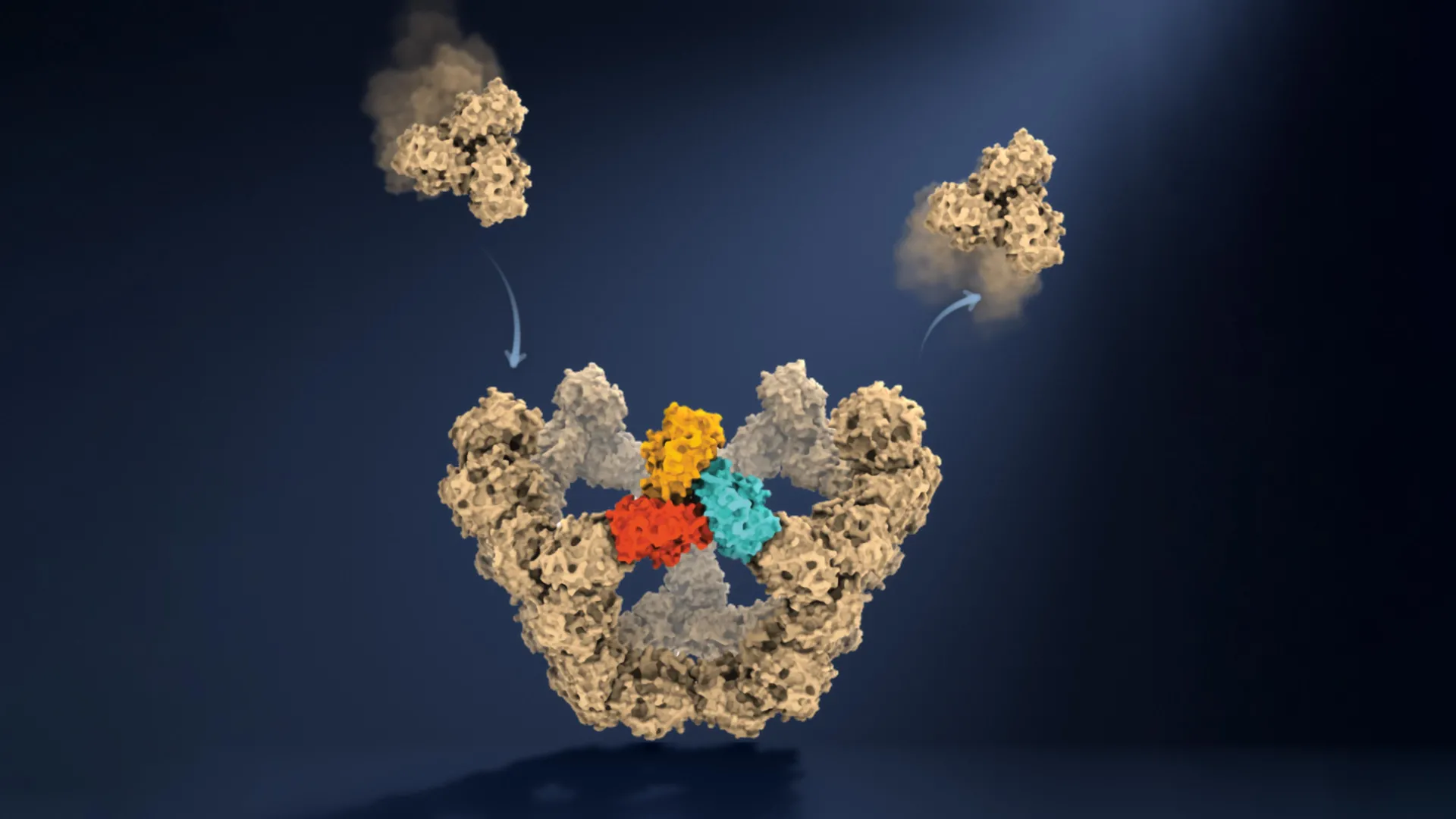
The prevailing model of evolution has long focused on the "genetic sequence"—the specific order of nucleotides that encode proteins. However, the study led by Dr. Thea Rogers suggests that the physical topography of DNA within the nucleus is an equally, if not more, critical driver of biological complexity. Inside every cell, DNA is not a static ladder; it is a dynamic, folded structure that organizes genetic material into distinct spatial arrangements. This architecture dictates which genes remain accessible and which remain dormant, effectively acting as a high-level operating system for the cell.
By reconstructing the 3D genome organization of various cephalopod species, the researchers observed that a massive, ancient reorganization of the genome occurred hundreds of millions of years ago. During this period, large blocks of genetic material were shuffled, forcing disparate regions of the chromosomes into physical proximity. This rearrangement created a "regulatory entanglement," where genes that were once isolated began to interact, creating novel feedback loops and control mechanisms.
Chronology of an Evolutionary Transformation
To understand the scale of this change, one must look at the timeline of cephalopod evolution. The lineage leading to modern coleoids diverged from other mollusks approximately 500 million years ago, but the specific innovations that led to their sophisticated nervous systems crystallized much later.
- Pre-Cambrian to Cambrian (540–485 MYA): Early molluscan ancestors develop basic nervous structures. Genetic architecture remains largely conserved across the phylum.
- The "Great Reshuffling" (Approx. 300–400 MYA): During this window, the research indicates a period of profound genomic structural change. Large-scale translocations and inversions within the chromosomes brought previously distant genetic regulatory elements into close contact.
- Regulatory Entanglement (300 MYA to Present): These new physical connections solidified, allowing for the emergence of more complex gene-expression networks. These networks provided the foundational hardware required for the specialized neurons and sensory organs seen in modern octopuses.
- Diversification (Recent Epochs): The emergence of modern squid, cuttlefish, and octopuses, characterized by the rapid expansion of nervous system complexity and specialized skin-cell control for camouflage.
Data-Driven Insights into Chromatin Dynamics
The University of Vienna team utilized Hi-C sequencing technology, a method designed to map the spatial organization of genomes. By analyzing the frequency of physical contacts between different DNA segments, the team identified two distinct organizational categories: stable chromatin domains and highly dynamic chromatin loops.
The data reveals that large structural domains—the "scaffolding" of the genome—remained remarkably static over millions of years. This stability ensures that fundamental biological processes are preserved across generations. Conversely, the smaller chromatin loops showed significant variability. These loops are transient structures that bring specific enhancers into contact with gene promoters.
The research team found a statistically significant concentration of these flexible loops near genes responsible for neurodevelopment. This suggests that while the overall "house" of the genome remained stable, the internal "wiring" was highly adaptable. By shifting these loops, cephalopods were able to fine-tune the development of their complex brains without needing to mutate or alter their essential survival genes. This mechanism provides a buffer: it allows for rapid phenotypic innovation while maintaining the integrity of the organism’s core biological functions.
Scientific Implications and Peer Context
The implications of this study reach beyond cephalopod biology. Historically, evolutionary biology has relied heavily on the study of protein-coding genes—the "parts list" of an organism. This study reinforces a growing consensus in molecular biology that the "instructions for the parts list"—the spatial organization of the genome—is just as vital.
Dr. Thea Rogers notes that the genome is a complex, three-dimensional machine. "Understanding how that structure evolves is becoming increasingly important for understanding how new forms of biological complexity arise," she explained. By demonstrating that large-scale structural rearrangements can catalyze the evolution of intelligence, the study provides a new lens through which to view other instances of rapid evolutionary radiation, such as the sudden diversification of vertebrates or the development of complex social behaviors in insects.
Other researchers in the field of evolutionary genomics have reacted to the findings with interest, noting that this mechanism of "regulatory entanglement" could explain why some lineages achieve rapid neurological advancement while others remain static. If the genome can be "re-wired" via folding without disrupting the underlying sequence, it lowers the barrier to entry for complex traits. This effectively turns the genome into a modular system where connectivity is as important as content.
A New Frontier in Evolutionary Theory
The discovery that cephalopod intelligence may be tied to 3D DNA folding challenges the reductionist view of evolution. It suggests that the "smart" evolution of the octopus was not just a matter of adding new genes, but of rearranging the spatial relationships between existing ones. This is a crucial distinction; it implies that the potential for intelligence was latent in the ancestral genome, waiting for the right structural reconfiguration to be unlocked.
Furthermore, this study highlights the resilience of evolutionary processes. By compartmentalizing the genome into stable domains and flexible loops, evolution ensures that essential survival traits remain protected while simultaneously creating a laboratory for neurological experimentation. The persistence of these structures across millions of years of divergence suggests that once this "regulatory entanglement" was established, it provided a distinct and durable evolutionary advantage.
As scientists continue to map the 3D genomes of a wider variety of species, the lessons learned from the octopus may prove universal. We may find that the physical architecture of the genome is the "hidden variable" in the history of life, determining which organisms were capable of evolving the complex nervous systems that eventually allowed for the emergence of sophisticated cognition. For now, the humble octopus stands as a primary example of how the geometry of life dictates the boundaries of intelligence. The findings confirm that the history of evolution is not merely written in the sequence of our DNA, but in the way that code is folded, read, and interpreted within the living cell.