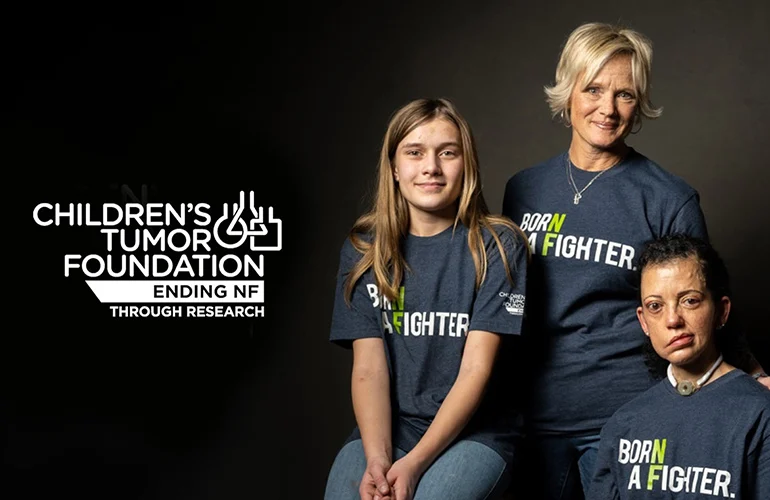
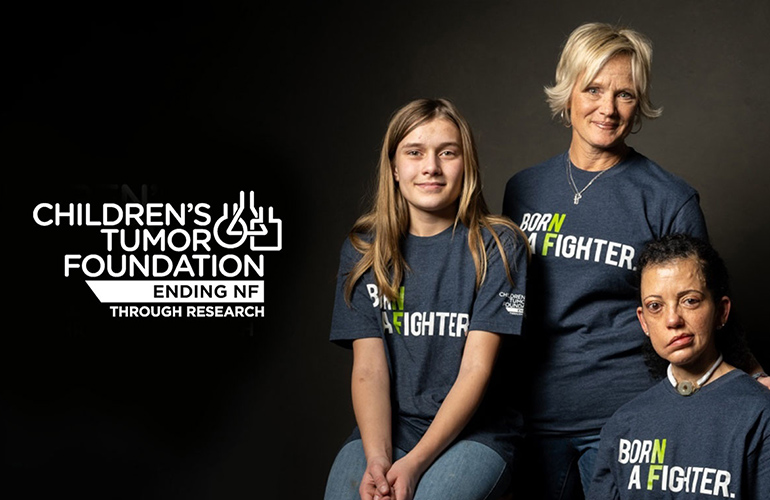
Across the global pharmaceutical landscape, an estimated 5,000 potential treatments for rare diseases are currently languishing on corporate shelves, representing a vast, untapped reservoir of innovation and hope. These are not merely nascent ideas but often drug candidates that have undergone substantial preclinical investigation, rigorous toxicology assessments, and even early-stage human clinical trials. They sit dormant, casualties of shifting corporate priorities, market dynamics, or resource constraints, rather than outright failures in efficacy or safety. The Children’s Tumor Foundation (CTF), a leading non-profit organization, is spearheading a unique initiative to unlock this hidden potential, transforming these "shelved assets" into viable treatments for some of the world’s most vulnerable patients.
The Unseen Graveyard: Why Promising Drugs Are Abandoned
The phenomenon of shelved drug assets is a complex byproduct of the pharmaceutical industry’s high-stakes research and development ecosystem. Developing a new drug from discovery to market can cost upwards of $2.6 billion and take more than a decade, with a success rate of less than 10%. Within this challenging environment, even promising candidates can fall by the wayside.
Annette Bakker, PhD, CEO of the Children’s Tumor Foundation, explains that the reasons for shelving are predominantly commercial, not scientific. "Major pharmaceutical companies often acquire smaller biotechs to gain access to a specific candidate, inadvertently shelving the rest of the acquired portfolio," Bakker notes. In other scenarios, promising partnerships between smaller biotechs and larger pharma firms may dissolve, leaving the biotech without the substantial resources required to continue development independently. The economic realities are stark: a smaller market size for a rare disease drug, even if effective, can deter large companies focused on blockbusters.
Furthermore, when a biotech company faces financial distress or ceases operations, the invaluable data from its developmental assets can become inaccessible, effectively disappearing into a data black hole. This represents a significant loss, as many of these shelved assets already possess compelling preclinical data and even positive Phase 1 human trial results, indicating a foundational level of safety and initial evidence of biological activity. "Shelved assets are our focus because a shelved asset has already undergone a lot of development, a company has maybe already spent hundreds of millions of dollars on them, and they are now written off as a loss," Bakker emphasized. "What if we could take those and put them right into clinical trials? We could win all those years of preclinical and toxicology and go into clinical almost immediately." This strategy offers the tantalizing prospect of significantly accelerating drug development timelines and dramatically reducing the immense financial outlay typically associated with early-stage research.
The Children’s Tumor Foundation: A Pioneer in NF Drug Discovery
The Children’s Tumor Foundation is not new to the arduous path of drug discovery. For years, CTF has operated as a dedicated drug discovery engine, primarily focused on neurofibromatosis (NF), a group of complex genetic conditions that cause tumors to grow on nerves throughout the body. NF affects approximately 1 in 2,000 people globally, manifesting in various forms, including NF1, NF2, and schwannomatosis, each presenting unique challenges.
CTF’s track record demonstrates its profound impact. The foundation notably funded early-stage research into the potential of MEK inhibitors as a treatment for NF. This foundational work proved instrumental in understanding the molecular pathways driving NF tumor growth and laid the groundwork for the development of targeted therapies. A direct outcome of this pioneering research was the FDA approval of Koselugo (selumetinib) in 2020, the first FDA-approved therapy specifically for NF1-related plexiform neurofibromas, a type of inoperable tumor that can cause significant morbidity. This landmark approval underscored the critical role that dedicated non-profit organizations can play in de-risking early-stage science and guiding it towards clinical translation. The success with MEK inhibitors cemented CTF’s reputation as an organization capable of bridging the gap between academic discovery and pharmaceutical development.
Building on this success, CTF is now strategically pivoting to address the broader issue of shelved rare disease drugs, leveraging its expertise, network, and patient-centric approach to breathe new life into dormant assets.
From Shelf to Success: The Gomekli Blueprint
Annette Bakker’s vision is not merely theoretical; it has a compelling proof-of-concept. She successfully persuaded Pfizer to license a shelved drug, Gomekli, to a newly established spin-off company, SpringWorks Therapeutics. Founded in 2017 with a unique model focused on advancing clinical-stage experimental therapies for rare diseases, SpringWorks became the vehicle for Gomekli’s revival. The drug, which had undergone significant development within Pfizer before being put on hold, subsequently achieved FDA approval in 2025. This triumph was further amplified by the acquisition of SpringWorks Therapeutics by Merck KGaA in 2025 for a staggering $3.4 billion, demonstrating the immense value that can be unlocked from carefully selected and advanced shelved assets.
The Gomekli case illustrates the powerful synergy possible when a passionate non-profit leader, dedicated pharmaceutical champions, and a focused development entity converge. At Pfizer, internal advocates like Freda Lewis-Hall and Lara Sullivan championed the drug after engaging with Bakker, highlighting the importance of individual commitment within large corporations.
However, Bakker acknowledges the inherent difficulty in scaling this approach. "We are looking for these champions in other companies that are willing to work with us, but the pharma companies we are calling are not opening the door," she revealed. The reluctance often stems from complex issues surrounding intellectual property, potential liability concerns, and the sheer inertia of large corporate structures. Convincing companies to part with assets, even those considered non-core, requires significant trust-building and a clear value proposition.
Scaling the Impact: Hurdles and Hopes
The challenge of recruiting enough patients for clinical trials is one of the most formidable obstacles in rare disease drug development. With diseases affecting only a few thousand or even hundreds of individuals globally, finding suitable participants scattered across multiple countries is a slow, costly, and resource-intensive endeavor. For instance, while NF affects roughly 1 in 2,000 people, the subset of patients with the specific inoperable plexiform tumors targeted by drugs like Koselugo (and potentially Gomekli) is even smaller, making trial enrollment exceptionally difficult.
"Everything you do in drug discovery is ten times harder in rare disease," Bakker stated, underscoring the magnified difficulties inherent in this specialized field. This is precisely where non-profits like the Children’s Tumor Foundation demonstrate their unparalleled value. Rare disease non-profits inherently cultivate deep relationships with patient communities, often maintaining comprehensive patient registries and robust advocacy networks. This direct connection dramatically streamlines the patient recruitment process for clinical trials, cutting down on both time and expense – factors that can often be prohibitive for pharmaceutical companies.
Beyond patient recruitment, CTF has also proactively established a sophisticated preclinical hub. This constantly growing network of preclinical models, including advanced cell lines, patient-derived xenografts, and genetically engineered mouse models, provides a robust platform for evaluating drug candidates. Once a pharmaceutical company agrees to license an asset to the foundation, CTF can efficiently guide the drug through rigorous preclinical validation and then seamlessly transition it into clinical trials, often leveraging its patient network for accelerated enrollment. "The idea is to create an ecosystem that makes sure that once we have the drug, we can be really efficient," Bakker explained. This ecosystem approach aims to de-risk the development process for pharmaceutical partners, making the prospect of licensing a shelved asset more attractive.
The Rare Disease Landscape: A Unique Challenge
The broader context of rare diseases underscores the urgency of CTF’s mission. There are approximately 7,000 known rare diseases, affecting an estimated 30 million Americans and a similar number across Europe. Despite the collective impact, individual rare diseases often receive insufficient attention and funding due to their small patient populations. This leads to what is often termed the "orphan drug problem," where the economic incentive for developing treatments is low, leaving vast unmet medical needs.
Government initiatives, such as the Orphan Drug Act in the United States, have provided incentives like extended market exclusivity, tax credits, and fee waivers to encourage rare disease drug development. However, these measures alone are often insufficient to overcome the high development costs and perceived commercial risks. The shelving of potentially life-changing drugs remains a significant systemic issue.
The implications of CTF’s model extend beyond individual drug successes. It represents a potential paradigm shift in how the pharmaceutical industry approaches rare disease drug development. By creating a collaborative bridge between large pharma’s dormant assets and the specialized resources of a dedicated non-profit, CTF offers a viable pathway to unlock billions of dollars in sunk R&D investment while simultaneously delivering critical therapies to patients who have few, if any, other options.
A New Paradigm for Drug Development
CTF’s strategy presents a multi-faceted analysis of implications for the pharmaceutical industry and patient communities. For pharmaceutical companies, it offers a mechanism to monetize assets that are otherwise written off as losses, potentially generating revenue from intellectual property that would otherwise gather dust. It also provides an opportunity to fulfill corporate social responsibility objectives by contributing to the rare disease community without diverting significant internal resources.
For patients and their families, the implications are profound. Each successfully rescued drug represents renewed hope, improved quality of life, and in some cases, life-saving treatment. The acceleration of drug development timelines means patients can access therapies years earlier than if these drugs were to undergo development from scratch.
However, challenges remain. Scaling CTF’s model requires persistent advocacy and the cultivation of more "champions" within pharmaceutical companies. Overcoming legal and intellectual property hurdles associated with transferring assets is complex, demanding robust legal frameworks and trust. Funding for the non-profit’s preclinical and clinical development infrastructure is also crucial for long-term sustainability.
Conclusion: The Promise of Collaboration
The Children’s Tumor Foundation’s ambitious endeavor to rescue pharma’s shelved rare disease drugs is more than just a philanthropic initiative; it is a strategic blueprint for a more efficient, patient-centric drug development ecosystem. By identifying and revitalizing promising compounds that have fallen victim to commercial realities, CTF is not only bringing much-needed therapies to patients with conditions like neurofibromatosis but also demonstrating a viable pathway for unlocking the immense potential held within thousands of dormant assets. As Annette Bakker and her team continue their vital work, the promise of collaboration between non-profits and industry stands as a beacon of hope, illuminating a path toward a future where no promising treatment for a rare disease is left behind on a shelf. The success of this model could redefine how society approaches drug discovery for underserved populations, fostering an era of renewed innovation and compassion in the fight against rare diseases.