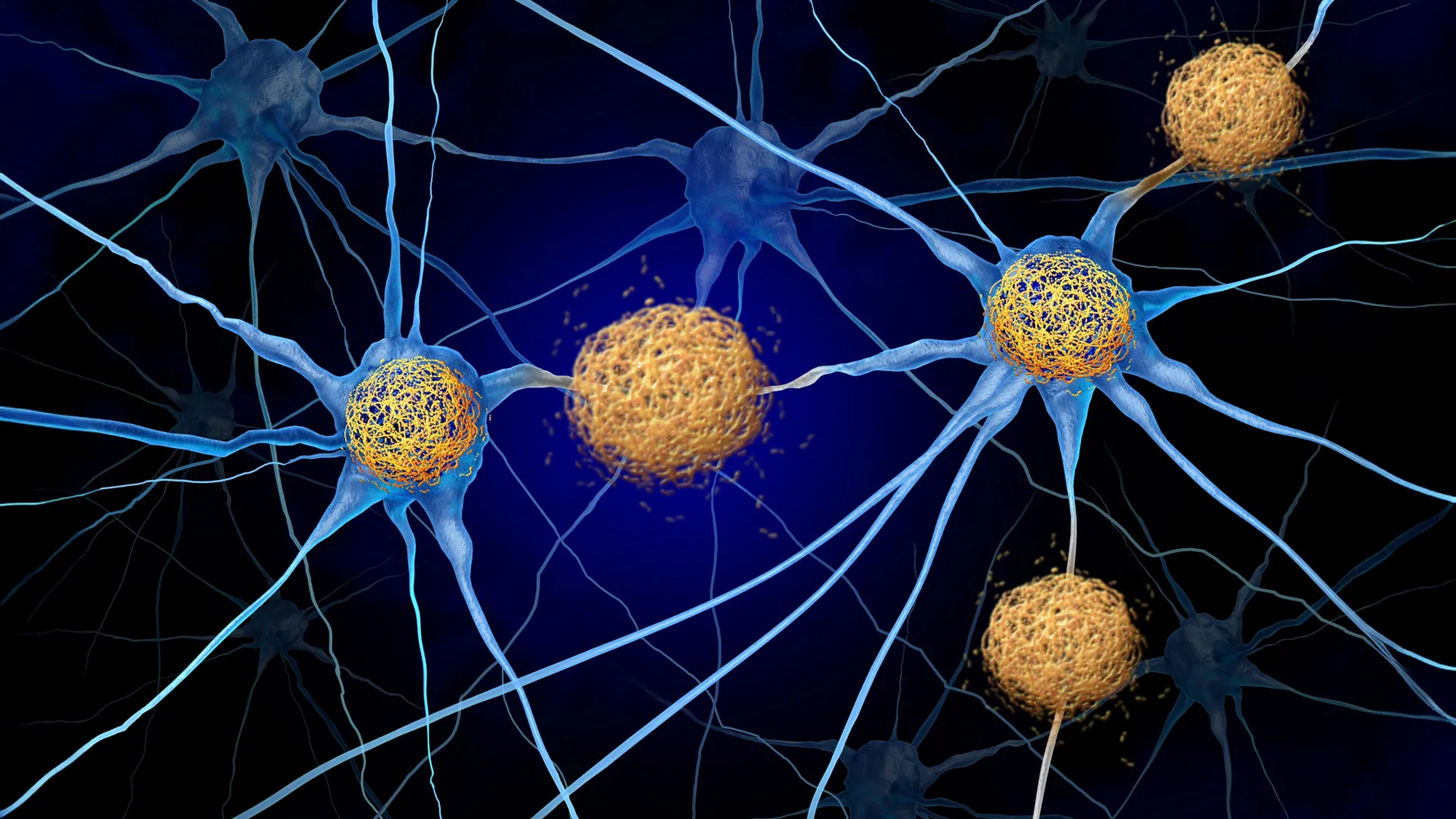
For decades, the clinical reality of Alzheimer’s disease has presented a confounding paradox: a significant subset of the aging population exhibits the hallmark pathological markers of the disease—amyloid plaques and tau tangles—yet these individuals never succumb to the cognitive decline and memory loss associated with dementia. While the scientific community has long focused on the mechanisms of neuronal destruction, a pioneering study from the Netherlands Institute for Neuroscience has shifted the lens toward the biology of survival. Researchers have identified a rare population of immature neurons that may act as a biological safeguard, potentially conferring cognitive resilience to those who remain mentally sharp despite the presence of advanced neurodegeneration.
The Mystery of Cognitive Resilience
Cognitive resilience is a phenomenon that has long puzzled neurologists and gerontologists. It is estimated that approximately 30 percent of older adults who present with the neuropathological characteristics of Alzheimer’s disease remain asymptomatic until death. This discrepancy suggests that the presence of plaques and tangles is not a deterministic sentence for dementia. Instead, the brain appears to possess an intrinsic capacity to compensate for localized damage, maintaining functional neural networks even as the physical architecture of the organ is under siege.
For the field of Alzheimer’s research, this represents a paradigm shift. Historically, the focus has been on "pathology-driven" research—identifying the causes of protein aggregation and attempting to clear these toxic deposits. However, the inability of many anti-amyloid therapies to significantly improve long-term cognitive outcomes in patients has led to an urgent interest in "resilience-driven" research. If scientists can determine why some brains remain stable, they might be able to artificially induce or support those same protective mechanisms in patients who are beginning to show symptoms.
The Historical Debate on Adult Neurogenesis
The study, led by senior author Evgenia Salta, centers on the controversial and long-debated topic of adult neurogenesis. Neurogenesis refers to the birth of new neurons in the adult brain. In many mammalian species, this process is well-documented, particularly in the hippocampus, the region of the brain critical for memory formation and spatial navigation.
For years, the scientific community has been divided over whether the human brain continues to generate new neurons well into old age. Early studies in the late 20th century suggested that neurogenesis was restricted to childhood development. However, subsequent research using carbon-14 dating techniques and sophisticated molecular labeling began to challenge this dogma, suggesting that a small pool of progenitor cells might persist throughout the human lifespan.
The Netherlands Institute for Neuroscience team aimed to move beyond the binary debate of whether neurogenesis occurs. Instead, they sought to characterize the functional state of these immature cells in the context of Alzheimer’s. Using tissue samples provided by the Netherlands Brain Bank, researchers compared three distinct groups: healthy control subjects, patients who suffered from Alzheimer’s dementia, and "resilient" individuals whose brains showed significant Alzheimer’s pathology but who maintained normal cognitive function prior to death.
Methodology and Technical Hurdles
Identifying immature neurons in the human brain is an arduous task. These cells are notoriously scarce and often indistinguishable from mature neurons using standard staining techniques. To overcome this, Salta’s team employed innovative, high-resolution imaging and data analysis workflows designed to isolate these specific cellular markers without relying on animal-derived assumptions.
The researchers focused their scrutiny on the dentate gyrus, a subregion of the hippocampus. By zooming in on this memory-critical hub, they were able to detect immature neurons across all three study cohorts, including in patients over the age of 80. This finding itself is a significant contribution to neuroscience, providing robust evidence that the aging human brain retains a population of cells that possess the developmental markers of youth.
Shifting the Focus: From Replacement to Protection
The team’s initial hypothesis was straightforward: they expected that cognitively resilient individuals would possess a higher density of these immature neurons, theoretically allowing them to "replace" the neurons killed off by Alzheimer’s disease. However, the data revealed a more nuanced reality. The difference in the absolute number of immature neurons between the dementia group and the resilient group was negligible.
This discovery forced a change in the research trajectory. If the quantity of cells was not the determining factor, the quality or the behavior of those cells must be. Upon deeper inspection of cellular activity, the researchers noted a marked difference in gene expression profiles. In resilient individuals, immature neurons exhibited higher activity in survival pathways and lower expression of markers associated with inflammation and apoptosis (programmed cell death).
This suggests that in resilient brains, immature neurons act less like "replacement parts" and more like "environmental managers." By dampening inflammatory signals and maintaining structural integrity, these cells may create a protected niche that allows mature neurons to continue communicating effectively, even in an environment cluttered with toxic protein aggregates. They essentially serve as a biological fertilizer, stabilizing the delicate synaptic connections that are typically severed as the disease progresses.
Implications and Future Research Directions
The potential implications of these findings are vast. If these immature neurons are indeed acting as protectors, they represent a novel therapeutic target. Rather than focusing exclusively on clearing amyloid plaques, future drug development could investigate compounds that activate these survival programs in immature neurons, potentially "boosting" the natural resilience of the brain.
However, the researchers remain cautious. Salta emphasizes that this study provides a correlation based on tissue analysis, not a direct demonstration of causation. The precise molecular signals that trigger these immature neurons to "activate" their protective programs remain unknown. Furthermore, cognitive resilience is almost certainly a multifactorial trait, involving cognitive reserve (gained through education and lifestyle), vascular health, and genetic factors, of which neurogenesis is only one component.
The Road Ahead
The medical community has responded to the study with cautious optimism. Independent experts in the field of neurodegenerative disease suggest that the study provides a much-needed bridge between basic developmental biology and clinical geriatric psychiatry. By highlighting the potential of the aging brain to adapt rather than just degenerate, the research invites a new generation of investigators to explore the dormant capabilities of the adult nervous system.
The timeline for clinical application remains long. The next phase of research will likely involve longitudinal studies, perhaps using advanced neuroimaging techniques to track these processes in living patients. By observing how these cells interact with neighboring tissues in real-time, scientists hope to pinpoint the exact "decision point" where a brain transitions from a state of healthy compensation to clinical dementia.
As the global population ages, the burden of Alzheimer’s disease continues to rise, posing a critical challenge to public health systems worldwide. The discovery that the human brain may possess an innate, albeit hidden, defense mechanism offers a beacon of hope. While the journey from this cellular discovery to a tangible treatment is fraught with complexity, it marks a significant departure from the fatalistic view of Alzheimer’s as an unstoppable tide of destruction. Instead, it frames the aging brain as a resilient, dynamic landscape, capable of fighting back against disease, provided we can learn how to empower its most elusive cellular inhabitants.