

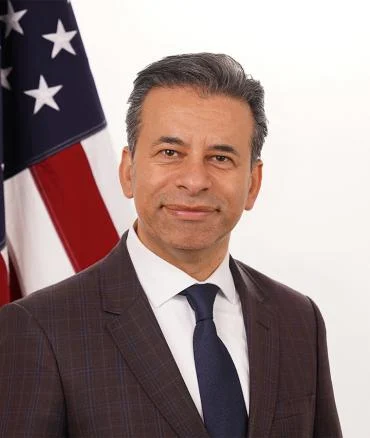
Marty Makary resigned on Tuesday as commissioner of the Food and Drug Administration following escalating rumors that President Donald Trump was preparing to terminate his appointment, marking another significant shake-up in the nation’s top public health leadership. His departure leaves a critical regulatory body in flux amidst an already turbulent period for U.S. health agencies and underscores persistent tensions between scientific expertise and political imperatives within the Trump administration. The resignation culminates a tenure characterized by internal turmoil, rapid personnel changes, and intense public scrutiny over the FDA’s handling of several politically charged issues, ranging from tobacco products to reproductive health and vaccine policy.
The immediate catalyst for Makary’s sudden exit appears to have been a profound disagreement with the White House over the authorization of certain fruit-flavored vaping products. According to reports, President Trump exerted considerable pressure on Makary to approve flavored products manufactured by Glas Inc., a move the commissioner reportedly resisted due to significant public health concerns, particularly regarding their appeal to young people. Despite Makary’s initial opposition, two fruit-flavored vapes were ultimately approved earlier this month, and just last Friday, the FDA issued a new policy that would allow such products to be more widely marketed. This policy shift, seemingly at odds with Makary’s stated position, highlights the intense political maneuvering that often overshadows scientific guidance within regulatory bodies. President Trump, addressing reporters on Tuesday afternoon, offered a terse explanation for the departure, stating, "He’s a great doctor, and he was having some difficulty." This brief comment hints at underlying friction without detailing the specific points of contention that led to Makary’s resignation.
The Vape Controversy: A Catalytic Clash
The conflict over flavored vapes represents a microcosm of the broader struggle between public health objectives and economic or political pressures. For years, public health advocates and medical professionals have raised alarm bells about the surging popularity of e-cigarettes among adolescents, often citing the allure of sweet and fruity flavors as a primary driver for youth initiation into nicotine use. The Centers for Disease Control and Prevention (CDC) and other health organizations have repeatedly highlighted the potential for nicotine addiction in young users and the unknown long-term health effects of vaping.
The FDA, under its mandate to protect public health, has a complex history with regulating electronic nicotine delivery systems (ENDS). Following a surge in youth vaping rates, the agency had previously signaled a more restrictive approach to flavored e-cigarettes, recognizing their role in the youth vaping epidemic. The Family Smoking Prevention and Tobacco Control Act of 2009 granted the FDA authority to regulate tobacco products, including e-cigarettes. This authority requires manufacturers to submit Pre-Market Tobacco Applications (PMTAs) to demonstrate that their products are "appropriate for the protection of public health" before they can be marketed. This often involves demonstrating that the benefits of the product (e.g., helping adult smokers quit) outweigh the risks (e.g., attracting youth).
The specific pressure from the Trump administration to authorize Glas Inc.’s flavored products, despite Makary’s reported misgivings, underscores a recurring tension during the administration’s tenure: the perceived prioritization of commercial interests or specific industry players over established regulatory frameworks designed for public safety. Glas Inc., a prominent name in the vaping industry, stands to gain significantly from broader market access for its flavored products. The FDA’s ultimate approval of these products, followed by a policy facilitating their wider marketing, suggests that the administration’s will ultimately superseded the commissioner’s initial reservations, creating an untenable situation for Makary. This episode highlights the delicate balance an FDA commissioner must strike between upholding scientific integrity and navigating the political landscape, a balance that Makary ultimately could not maintain.
Pressure Points: Other Major Criticisms
Makary’s tenure was not only marked by the vape controversy but also by a barrage of criticism from diverse and often ideologically opposed groups, reflecting the highly politicized nature of public health during the Trump administration.
-
The Abortion Pill Debate: Anti-abortion organizations, notably Susan B. Anthony Pro-Life America, actively campaigned for Makary’s removal. Their central accusation was that he was "slow-walking" a critical safety review of mifepristone, the medication commonly known as the abortion pill. These groups also criticized his perceived inaction in preventing new generic versions of the drug from entering the market. Mifepristone, in combination with misoprostol, has been approved by the FDA since 2000 and is a cornerstone of medication abortion. Its regulatory status has become a focal point in the broader political battle over abortion rights. The FDA typically conducts rigorous safety and efficacy reviews for all medications, and any perceived delay or acceleration in such processes, especially for a politically sensitive drug, draws intense scrutiny. Anti-abortion advocates often seek to restrict access to mifepristone, arguing potential safety risks, despite extensive medical evidence supporting its safety and effectiveness when used as directed. Makary’s position as FDA commissioner placed him directly in the crosshairs of this deeply entrenched political and ethical debate, where any regulatory decision was bound to draw fire from one side or another.
-
Vaccine Policy and Public Health Scrutiny: Makary also faced significant criticism from the "Make America Healthy Again" (MAHA) movement, a coalition often associated with vaccine skepticism and alternative health viewpoints. This movement chastised Makary for what they viewed as his failure to remove mRNA vaccines from the market. This criticism emerged despite the article noting he restricted other COVID-19 vaccines and blocked safety manuscripts, creating a complex and potentially contradictory picture of his stance on vaccines. The MAHA movement’s stance reflects a broader segment of the population that grew increasingly distrustful of mainstream health authorities and pharmaceutical companies during and after the COVID-19 pandemic. Their demands to pull mRNA vaccines off the market often stem from concerns about vaccine safety, efficacy, and the rapid development timeline, concerns that are largely at odds with the consensus of the global scientific and medical community. The FDA’s role in vaccine approval, emergency use authorizations, and post-market surveillance is critical for public trust, and Makary’s navigation of this highly charged environment clearly failed to satisfy these vocal critics.
-
Reforming Vaccine Approvals: A Divisive Proposal: Adding another layer of complexity, Makary, in conjunction with Dr. Vinay Prasad, a prominent academic physician and critic of certain public health policies, had reportedly devised a plan to overhaul the FDA’s approach to approving vaccines. This initiative drew sharp condemnation from former FDA commissioners, who expressed profound concerns about the potential implications for scientific rigor, public safety, and the agency’s independence. Overhauling vaccine approval processes could involve changes to clinical trial requirements, data evaluation standards, or post-market surveillance protocols. Such proposals are typically met with intense scrutiny, as the FDA’s vaccine approval process is considered a global gold standard. Any perceived weakening of these standards could erode public trust, jeopardize vaccine efficacy, and potentially compromise public health. The denouncement by previous FDA leaders underscores the gravity of such a proposal and suggests that Makary’s vision for the agency diverged significantly from established norms and expectations regarding scientific integrity and regulatory caution.
A Volatile Tenure: Unprecedented Leadership Instability
Makary’s resignation is not an isolated incident but rather the latest symptom of profound and sustained leadership instability within the FDA during the Trump administration’s second term. His tenure was characterized by a rapid exodus of senior career officials and significant reductions in agency staffing, raising serious questions about the FDA’s capacity to fulfill its crucial mission.
-
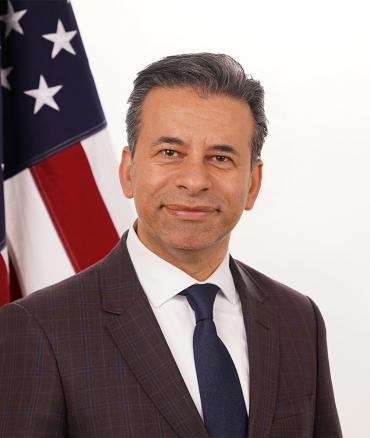
Revolving Door at CDER: The Center for Drug Evaluation and Research (CDER), one of the FDA’s most critical components responsible for ensuring the safety and efficacy of prescription and over-the-counter drugs, experienced an unprecedented level of turnover. In a single year, CDER cycled through six different leaders. This revolving door leadership creates immense challenges for long-term planning, consistent policy implementation, and maintaining institutional knowledge. Makary’s own appointments within CDER contributed to this instability. He appointed George Tidmarsh, who was subsequently forced to resign following allegations that he used his position for a personal vendetta—a serious ethical breach that undermined confidence in the agency. Tidmarsh’s successor, Rick Pazdur, a highly respected figure in oncology drug development, lasted only three weeks before resigning due to clashes with Makary. Such rapid, high-profile turnovers at the executive level inevitably disrupt operations, delay critical decisions, and create an atmosphere of uncertainty and low morale among career staff.
-
Impact of Government Efficiency Initiatives: Beyond the leadership churn, the FDA, like many other federal agencies, was significantly impacted by initiatives from the Department of Government Efficiency (DOGE). During the first year of Trump’s second term, nearly all of the FDA’s senior career officials resigned or were reportedly forced out. Compounding this, DOGE was responsible for removing thousands of positions across the agency. While government efficiency initiatives often aim to streamline operations and reduce bureaucracy, such widespread staff reductions and the departure of experienced personnel can severely impair an agency’s ability to execute its mandate. The FDA relies heavily on scientific and regulatory expertise to evaluate complex medical products, conduct inspections, and enforce regulations. A depleted workforce, especially one losing its most experienced leaders, risks compromising the agency’s scientific integrity, efficiency, and ultimately, its effectiveness in protecting public health.
The consistent leadership changes and staff reductions under Makary’s leadership painted a picture of an agency under siege, struggling to maintain its scientific independence and operational stability in a highly politicized environment. This level of instability can have long-lasting repercussions, from delayed drug approvals to diminished capacity for crisis response and regulatory oversight.
The Broader Health Leadership Vacuum
Makary’s resignation further exacerbates a broader leadership vacuum across key federal health agencies. The Centers for Disease Control and Prevention (CDC), another cornerstone of the nation’s public health infrastructure, currently lacks a permanent director. Similarly, the positions of Surgeon General and Vaccine Chief also remain unfilled on a permanent basis. This collective absence of stable, confirmed leadership at the highest echelons of public health creates a precarious situation, especially in an era marked by ongoing global health challenges, including lingering effects of the pandemic, emerging infectious diseases, and persistent public health crises.
A lack of permanent, Senate-confirmed leadership can hinder inter-agency coordination, impede long-term strategic planning, and undermine public confidence in government health initiatives. Acting officials, while capable, often operate with limited authority, making it difficult to implement significant policy changes or command the same level of institutional respect and external influence as a confirmed leader. This widespread leadership gap at a critical juncture for public health raises serious concerns about the nation’s preparedness and capacity to address future health threats effectively.
Transition and Uncertainty: The Path Forward
With Makary’s immediate departure, Kyle Diamantas has been named as the acting FDA commissioner. Diamantas, an attorney with reported personal ties to Donald Trump Jr., steps into this challenging role at a moment of significant uncertainty for the agency. He is expected to testify in Makary’s place at a budget hearing scheduled for May 13, facing congressional scrutiny over the agency’s operations and funding priorities. His appointment, given his reported political connections rather than a background in medical science or public health, immediately raises questions about the administration’s intentions for the FDA’s direction.
Makary’s resignation also leaves the fate of several programs he introduced uncertain. Many of these initiatives have not yet undergone the federal rulemaking process required to codify them into law, meaning they could easily be reversed or allowed to lapse by his successor. This adds another layer of instability to the FDA’s regulatory landscape, potentially disrupting ongoing projects and creating ambiguity for regulated industries.
The search for a permanent replacement for Makary will now commence. President Trump will need to nominate a candidate, who will then require confirmation by the Senate. This process can be lengthy and contentious, especially given the politicized environment surrounding the FDA. The choice of Makary’s successor will be closely watched by public health advocates, pharmaceutical companies, anti-abortion groups, and vaccine skeptics alike, as it will signal the administration’s priorities for the agency and its approach to critical health policy decisions for the remainder of its term. The new commissioner will inherit an agency grappling with internal discord, external pressures, and a pressing need to restore stability and confidence in its scientific mission.
Analysis: Implications for Public Health and Regulatory Integrity
Marty Makary’s resignation from the FDA commissioner position represents more than just a personnel change; it signifies a deeper crisis in the relationship between political power and scientific governance. The controversies surrounding flavored vapes, mifepristone, and vaccine policy illustrate how deeply politicized public health has become, making the FDA’s role increasingly challenging.
The constant leadership instability, particularly within critical divisions like CDER, and the reduction of thousands of positions, risk eroding the institutional expertise and regulatory capacity that are vital for safeguarding public health. The FDA’s credibility hinges on its independence and its ability to make decisions based on sound science, free from undue political or commercial influence. When commissioners are perceived to be at odds with the administration, or when their tenures are cut short due to political pressure, it undermines public trust in the agency’s objectivity and scientific integrity.
The broader health leadership vacuum across the CDC, Surgeon General’s office, and the Vaccine Chief position amplifies these concerns. A fragmented and unstable leadership structure can impair the nation’s ability to respond coherently to health crises, implement effective public health campaigns, and conduct essential research and surveillance. The appointment of an acting commissioner with reported political ties rather than a deep background in health or science further fuels worries about the politicization of the FDA’s core mission.
Ultimately, Makary’s departure highlights the immense pressure placed upon leaders of independent regulatory agencies during politically charged times. The next permanent commissioner will face the daunting task of navigating these complex political currents while simultaneously upholding the FDA’s crucial mandate to protect and promote public health through rigorous scientific evaluation and transparent regulation. The ongoing volatility at the FDA raises profound questions about the future direction of drug, device, and food safety policy in the United States, and its potential impact on the health and well-being of millions.


















Leave a Reply