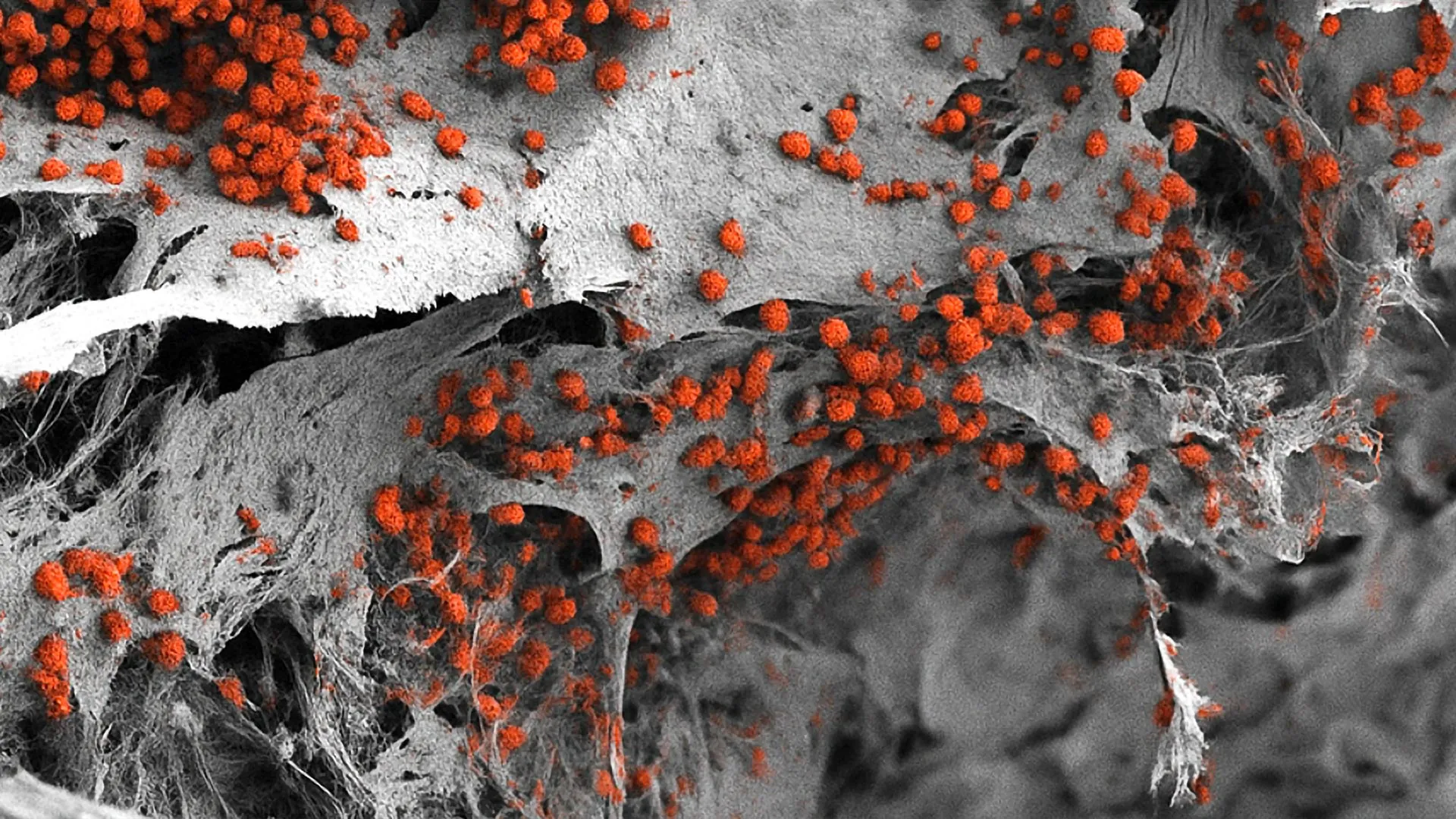
The rapid rise of glucagon-like peptide-1 (GLP-1) receptor agonists has fundamentally altered the landscape of metabolic medicine, offering unprecedented efficacy in glycemic control and weight reduction. However, a significant clinical challenge has emerged alongside these benefits: the unintentional and often substantial loss of skeletal muscle mass. A groundbreaking study published in the Proceedings of the National Academy of Sciences on January 22, 2025, by researchers at the Salk Institute, has identified a critical molecular safeguard for muscle integrity. The research highlights a protein known as BCL6 (B-cell lymphoma 6) as a primary regulator of muscle maintenance, offering a potential therapeutic pathway to decouple fat loss from muscle wasting.
As weight management medications like Ozempic, Wegovy, and Mounjaro become staples in American healthcare—with approximately one in eight adults having utilized them—the medical community has grown increasingly concerned about the quality of weight lost. Clinical data suggests that muscle can account for up to 40% of the total weight shed by patients on these regimens. The Salk Institute’s findings suggest that by modulating BCL6 levels, it may be possible to preserve lean tissue, ensuring that weight loss improves metabolic health without compromising physical strength or functional longevity.
The GLP-1 Revolution and the Muscle Loss Dilemma
GLP-1 medications were originally developed to manage type 2 diabetes by mimicking an intestinal hormone that stimulates insulin secretion. Their secondary effect—slowing gastric emptying and signaling satiety to the brain—has made them highly effective for treating obesity. Despite these successes, the biological state of "induced fasting" created by these drugs triggers a complex metabolic response. When the body perceives a prolonged caloric deficit, it often prioritizes energy conservation and protein catabolism over the maintenance of metabolically expensive muscle tissue.
Skeletal muscle is not merely a vehicle for movement; it is the body’s largest metabolic organ, responsible for glucose disposal, thermogenesis, and protein storage. The loss of muscle mass, or sarcopenia, is associated with a higher risk of falls, metabolic dysfunction, and reduced quality of life. For patients using GLP-1 drugs, the rapid pace of weight loss can outstrip the body’s ability to preserve muscle, leading to a "skinny fat" phenotype where body weight is lower, but the ratio of adipose tissue to lean mass remains unfavorable.
The Molecular Discovery: BCL6 and the Growth Hormone Axis
The research team, led by Professor Ronald Evans, director of the Gene Expression Laboratory at Salk and a March of Dimes Chair in Molecular and Developmental Biology, sought to understand the specific genetic switches that dictate muscle upkeep. Through a comprehensive analysis of human tissue databases, the researchers identified an unusually high concentration of BCL6 in muscle cells. While BCL6 was previously known for its role in the immune system and certain cancers, its function in skeletal muscle had remained largely unexplored.
The study outlines a sophisticated hormonal relay that begins with the sensation of hunger. When an individual enters a fasted state—a condition frequently mimicked or prolonged by GLP-1 therapies—the stomach releases ghrelin. This "hunger hormone" signals the brain to release growth hormone (GH). Growth hormone then travels through the bloodstream to various tissues, where it stimulates the production of insulin-like growth factor 1 (IGF1), the primary driver of muscle growth and repair.
However, the Salk team discovered that the transition from growth hormone signaling to IGF1 production is not a direct line. It is moderated by a regulatory protein called SOCS2 (suppressor of cytokine signaling 2). SOCS2 acts as a molecular brake, preventing excessive muscle growth. The researchers found that BCL6 is the essential regulator that controls SOCS2. When BCL6 levels are healthy, they keep SOCS2 in check, allowing for steady IGF1 production. When BCL6 levels drop—as they do during fasting or certain disease states—SOCS2 increases, effectively shutting down the production of IGF1 and leading to muscle atrophy.
Experimental Evidence: Reversing Atrophy in Lab Models
To validate the role of BCL6, the Salk team conducted experiments using murine models. Mice engineered to lack functional BCL6 proteins exhibited a staggering 40% reduction in muscle mass compared to a control group. Furthermore, the muscle tissue they did possess was structurally compromised and demonstrated significantly lower functional strength.
In a pivotal turn of the experiment, the researchers used gene therapy techniques to increase BCL6 expression in the muscles of these deficient mice. The results were immediate and robust: the increased BCL6 successfully reversed muscle loss and restored physical strength. The team also observed that in wild-type mice, even a single overnight fast was enough to significantly reduce BCL6 levels in muscle tissue, providing a direct link between nutritional intake and the molecular mechanisms of muscle preservation.
"Muscle is the most abundant tissue in the human body, so its maintenance is critical to our health and quality of life," stated Professor Evans. "Our study reveals how our bodies coordinate the upkeep of all this muscle with our nutrition and energy levels."
Implications for Public Health and the Pharmaceutical Industry
The discovery of the BCL6-SOCS2-IGF1 pathway has immediate implications for the pharmaceutical industry, particularly for companies developing the next generation of metabolic drugs. The prospect of a "companion therapy"—perhaps a BCL6-boosting injectable or oral medication—could allow patients to achieve the weight-loss benefits of GLP-1s while shielding their muscles from the catabolic effects of a caloric deficit.
The economic and health impacts of muscle-preserving weight loss are vast. With the GLP-1 market projected to exceed $100 billion by 2030, the demand for ancillary treatments that mitigate side effects is growing. Beyond weight loss, the Salk Institute’s research addresses three other critical populations:
- The Aging Population: Sarcopenia affects millions of older adults, leading to loss of independence and increased healthcare costs. BCL6-based therapies could potentially slow or reverse age-related muscle decline.
- Cancer Patients: Many cancer patients suffer from cachexia, a wasting syndrome that causes extreme weight and muscle loss that cannot be reversed by nutrition alone.
- Critical Care Patients: Patients suffering from systemic diseases like sepsis often experience rapid muscle breakdown due to the body’s inflammatory response.
Chronology of Research and Future Directions
The Salk Institute’s investigation into muscle maintenance is part of a multi-year effort to map the genetic architecture of metabolism. The publication of the BCL6 findings on January 22, 2025, marks a milestone in this timeline, following previous research by the Evans lab into "exercise mimetics"—compounds that trick the body into thinking it has exercised.
The research team, including first author Hunter Wang, a postdoctoral researcher in Evans’ lab, is now looking toward the future. One area of focus is the circadian rhythm of BCL6. Initial observations suggest that BCL6 levels rise and fall in a predictable daily cycle. Understanding the "chronobiology" of this protein could lead to optimized dosing schedules for muscle-preserving drugs, ensuring they are most active when the body is most vulnerable to muscle loss.
"We are excited to reveal BCL6’s important role in maintaining muscle mass," said Wang. "These were very surprising and special findings that open the door for a lot of new discoveries and potential therapeutic innovations."
Analysis of the Broader Metabolic Landscape
The Salk study arrives at a time when the medical community is shifting its focus from "quantity of weight loss" to "quality of body composition." Recent clinical trials for newer "triple-agonist" drugs (targeting GLP-1, GIP, and glucagon receptors) have shown even more dramatic weight loss results, making the need for muscle protection even more urgent.
Furthermore, the research highlights a paradox in human evolution. The BCL6-SOCS2 pathway likely evolved as a survival mechanism to conserve energy during periods of famine. By suppressing muscle growth when food was scarce, the body could divert limited calories to essential organs like the brain and heart. However, in the modern context of chronic obesity and pharmacological weight loss, this ancient survival mechanism becomes a liability.
The Salk Institute’s work was supported by a wide array of prestigious institutions, including the National Institutes of Health, the Department of the Navy Office of Naval Research, and the American Heart Association. This broad support reflects the multidisciplinary importance of muscle health, spanning from military readiness and athletic performance to geriatric care and chronic disease management.
As the healthcare industry continues to integrate GLP-1 medications into standard obesity care, the focus will inevitably turn to long-term sustainability. Preserving muscle mass is not just about aesthetics; it is about maintaining the metabolic engine that prevents weight regain and supports overall vitality. The identification of BCL6 provides a clear molecular target for the next chapter of metabolic medicine, promising a future where weight loss is synonymous with true health improvement.