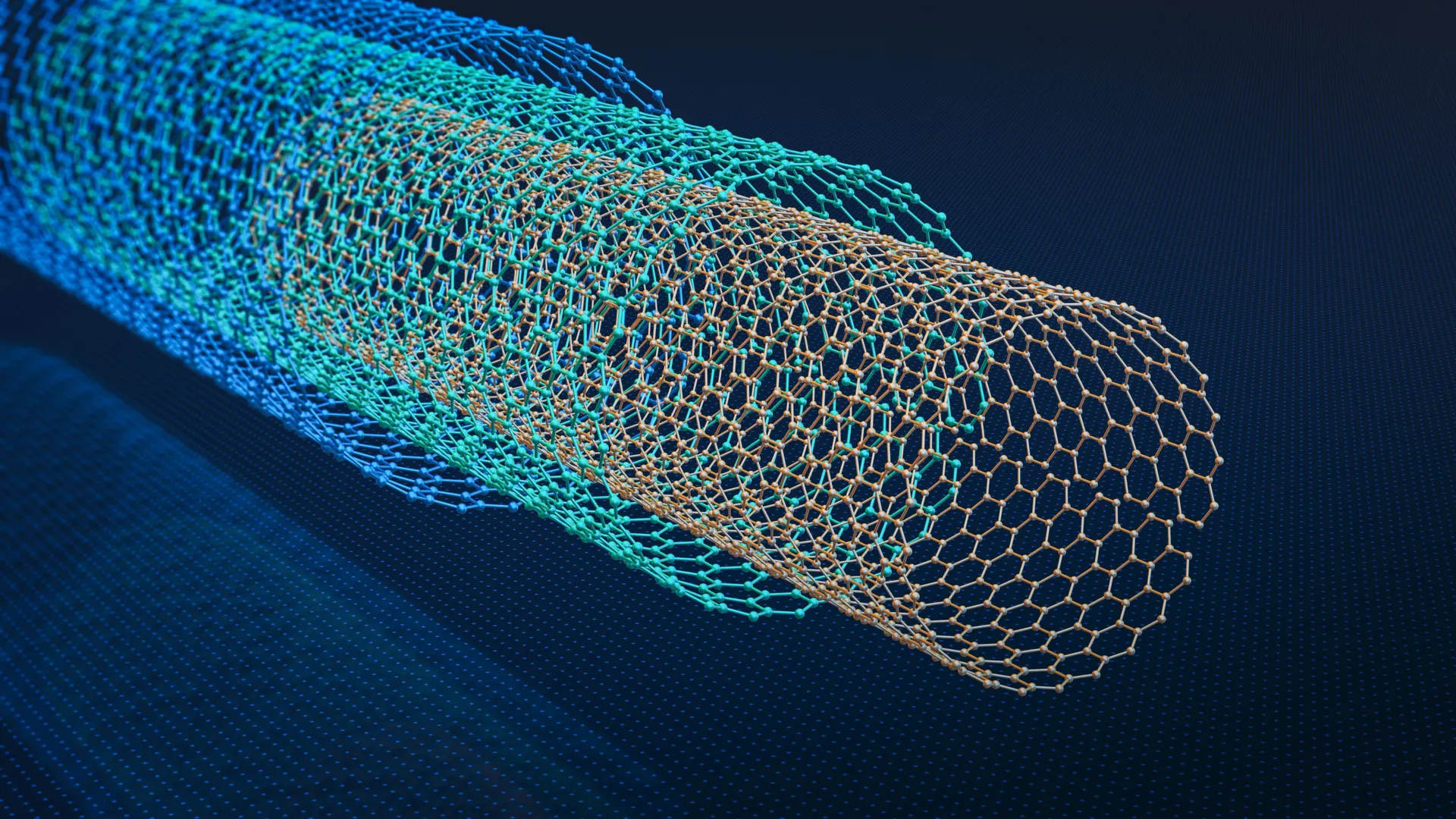
In a milestone for the field of material science, a research team at Drexel University has successfully transitioned two-dimensional MXenes into a one-dimensional "nanoscroll" format, potentially revolutionizing the efficiency of energy storage, wearable electronics, and quantum computing. Nearly 15 years after the initial discovery of MXenes at the same institution, this new development addresses a long-standing challenge in nanotechnology: how to maintain the exceptional conductivity and chemical versatility of these materials while overcoming the structural limitations inherent in flat, two-dimensional sheets. These newly engineered nanoscrolls, which are approximately 100 times thinner than a human hair and ten thousand times thinner than a standard water pipe, represent a architectural shift that allows for faster ion transport and enhanced mechanical reinforcement in composite materials.
The study, recently published in the prestigious journal Advanced Materials, outlines a scalable and precise chemical process to induce the curling of MXene flakes into stable, tubular structures. By moving from 2D nanosheets to 1D nanoscrolls, the researchers have effectively created "ionic highways" that bypass the "nano-confinement" issues that often plague traditional stacked battery electrodes. This structural evolution is expected to have immediate implications for the development of ultra-fast charging batteries, highly sensitive biosensors, and the next generation of smart textiles.
A History of Innovation: The Evolution of MXenes at Drexel
The journey toward the MXene nanoscroll began in 2011, when researchers at Drexel’s College of Engineering first discovered MXenes—a family of transition metal carbides, nitrides, and carbonitrides. Since then, the material has been hailed as a "wonder material" alongside graphene due to its high metallic conductivity and hydrophilic (water-attracting) surface. Over the last decade and a half, the Drexel Nanomaterials Institute has identified dozens of different MXene compositions, each with unique electronic and chemical properties.
However, despite their potential, 2D MXenes faced a recurring bottleneck. When used in applications like battery electrodes or filtration membranes, the flat flakes tend to stack tightly on top of one another. This stacking creates a tortuous path for ions and molecules, which must navigate the narrow gaps between layers, a phenomenon known as nano-confinement. This resistance limits the speed of charging in batteries and the sensitivity of sensors.
The transition to a 1D morphology is a direct response to this challenge. As Dr. Yury Gogotsi, Distinguished University and Bach professor at Drexel and the study’s corresponding author, explained, the shift in shape is akin to the difference between using steel sheets and steel rebar in construction. While sheets are necessary for surfaces, rods and tubes are essential for structural reinforcement and fluid transport. By curling the sheets into scrolls, the researchers have preserved the material’s surface area while opening up the internal volume for rapid movement.
The Science of the Janus Reaction: From Flat to Tubular
The methodology developed by the Drexel team relies on a sophisticated chemical process referred to as a "Janus reaction." The term, named after the two-faced Roman god Janus, describes a structural imbalance where the two sides of a single layer possess different chemical properties or experience different environmental forces.
To initiate the scrolling, the researchers start with multilayer MXene flakes. By carefully manipulating the chemical environment—specifically by using water to alter the surface chemistry—the team creates an internal strain within the material. This strain causes the layers to peel apart and spontaneously curl into tight, uniform scrolls.
Unlike previous attempts to create nanoscrolls, which often resulted in inconsistent shapes or damaged the material’s conductive properties, the Drexel method allows for precise control. The team successfully applied this technique to six distinct types of MXenes, including:
- Two variations of Titanium Carbide (Ti3C2 and Ti2C)
- Niobium Carbide (Nb2C)
- Vanadium Carbide (V2C)
- Tantalum Carbide (Ta2C)
- Titanium Carbonitride (Ti3CN)
The ability to apply this process across such a wide array of chemical compositions suggests that the "nanoscrolling" technique is a universal tool for the MXene family, allowing engineers to pick the specific metal carbide that best suits their application.
Supporting Data and Scalability Metrics
One of the most significant aspects of the research is its focus on scalability. Laboratory-scale nanotechnology breakthroughs often struggle to transition to industrial manufacturing. However, the Drexel team demonstrated that they could consistently produce 10-gram batches of high-quality nanoscrolls. In the world of nanomaterials, 10 grams is a substantial quantity, sufficient for testing in large-scale prototypes and pilot manufacturing runs.
The data indicates that these nanoscrolls are not just structural novelties but functional upgrades. The tubular geometry provides:
- Reduced Resistance: The open ends of the scrolls allow ions to enter and exit the "highway" without the resistance found in stacked 2D layers.
- Increased Mechanical Stiffness: The scrolled structure acts as a rigid backbone, making the material an ideal reinforcement for polymers and metals.
- Accessible Surface Area: In 2D stacks, active sites for molecular adsorption are often "hidden" between layers. The hollow center of the nanoscrolls ensures that even large biomolecules can interact with the material’s surface, a critical factor for the accuracy of biosensors.
Strategic Implications for Energy and Sensing
The potential applications for MXene nanoscrolls span several high-growth industries. In the energy sector, the "highways" created by the scrolls could lead to the development of electrochemical capacitors and batteries that charge in seconds rather than minutes. Because the ions can move freely through the tubes, the internal resistance of the battery is lowered, which also reduces heat generation during rapid charging cycles.
In the realm of biosensing, the implications are equally profound. Current biosensors often struggle to detect large proteins or complex DNA sequences because these analytes cannot penetrate the dense layers of traditional sensor materials. Dr. Gogotsi noted that the open, hollow structure of the scroll ensures a strong and stable signal by allowing analytes easy access to the MXene surface. This could lead to more accurate diagnostic tools for medical professionals, capable of detecting minute concentrations of pathogens or biomarkers in real-time.
Advancements in Wearable Technology and Smart Textiles
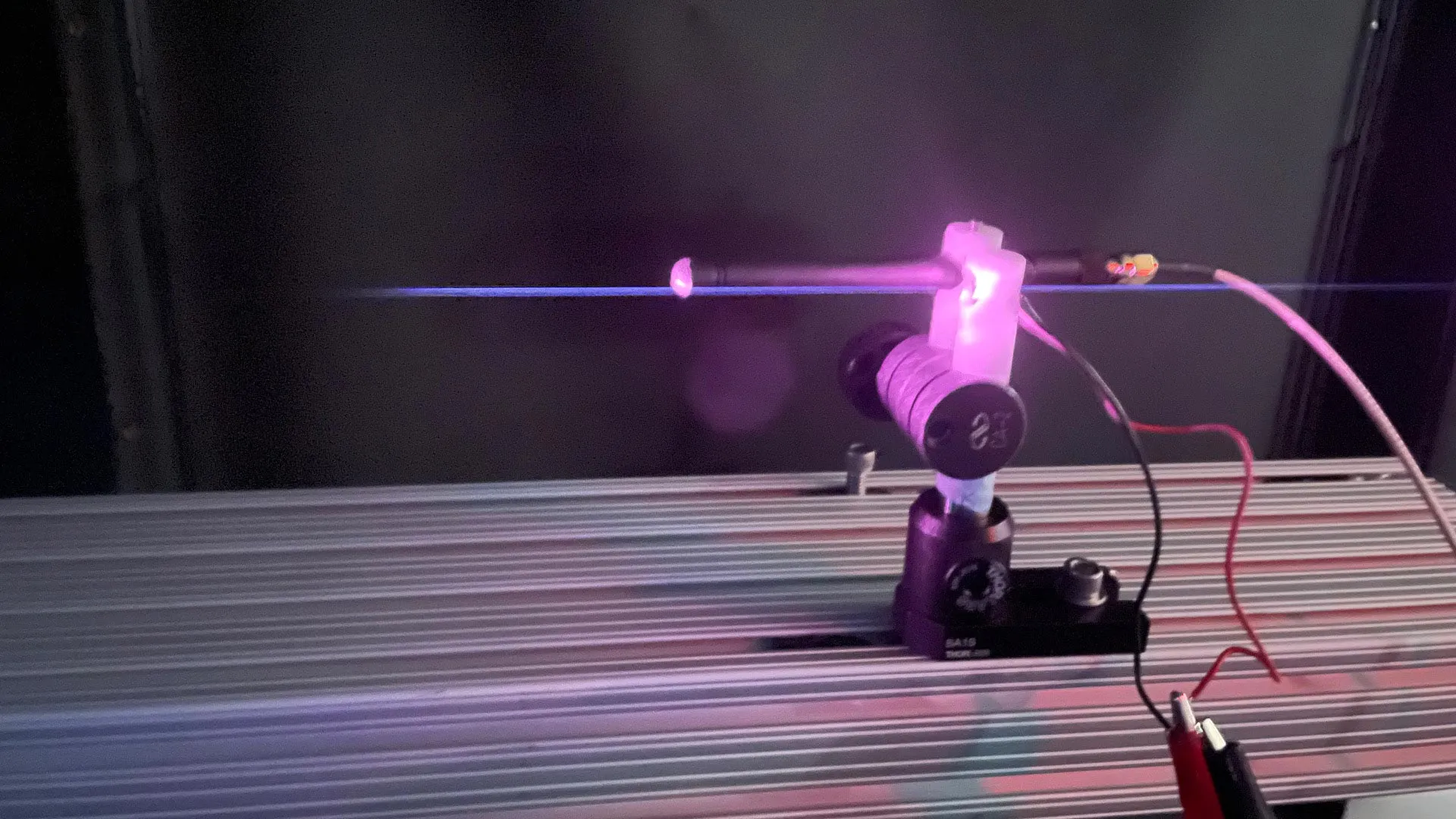
The research also highlights a significant opportunity in the field of "ionotronics"—electronics that rely on the movement of ions rather than just electrons. This is the foundation of wearable sensors and smart textiles. The Drexel team discovered that the orientation of these nanoscrolls can be controlled using an electric field while they are in a liquid solution.
This discovery allows for the "alignment" of nanotechnology. By using electric fields, researchers can orient millions of nanoscrolls to stand up vertically or align horizontally within a fiber. This makes it possible to create synthetic fibers that are not only stronger but also highly conductive. Postdoctoral researcher and co-author Teng Zhang, PhD, described this as "real nanotechnology," where matter can be manipulated at the nanoscale to build functional wires or "brushes" within a fabric. Such fabrics could power wearable devices, monitor a wearer’s vital signs, or even provide thermal regulation through integrated heating elements.
Quantum Applications and the Superconductivity Breakthrough
Perhaps the most forward-looking aspect of the study involves the material’s behavior at the quantum level. The researchers observed that the scrolling process introduces specific lattice strains and curvatures that are entirely absent in flat sheets. These physical changes appear to stabilize the superconducting state of certain MXenes.
Specifically, using Niobium Carbide (Nb2C) scrolls, the team observed superconductivity in free-standing, macroscopic films for the first time. Previously, superconductivity in MXenes was limited to highly compressed powders or pellets, which lacked the mechanical flexibility needed for practical use.
"By using the methods described in this paper, we can now process superconducting MXenes into flexible films, coatings, or wires at room temperature," said Dr. Zhang. This opens the door for:
- Superconducting Interconnectors: More efficient paths for electricity in high-performance computers.
- Quantum Sensors: Devices capable of detecting incredibly subtle changes in magnetic or electric fields.
- Flexible Quantum Circuits: The backbone for next-generation computing that can be integrated into non-rigid environments.
Conclusion: A New Frontier for Material Science
The development of MXene nanoscrolls by the Drexel University team marks a turning point in the 15-year history of this material class. By solving the "nano-confinement" problem and proving that 1D structures can be produced at scale, the researchers have moved MXenes out of the purely theoretical realm and into the territory of practical, industrial-grade components.
As the global demand for faster charging, more sensitive medical diagnostics, and more durable wearable tech continues to rise, the MXene nanoscroll offers a versatile solution. The combination of high conductivity, mechanical strength, and the unique physics of the 1D tubular structure positions these scrolls as a cornerstone of future technological progress. With the ability to now manipulate these materials at the nanoscale to build wires, sensors, and superconducting films, the Drexel team has provided the "rebar" for the next generation of technological infrastructure.