In a significant advancement for neurodegenerative research, a scientific team at Oregon State University has successfully documented the real-time chemical interactions that drive the progression of Alzheimer’s disease. The study, led by Marilyn Rampersad Mackiewicz, an associate professor of chemistry in the OSU College of Science, utilizes a novel measurement technique to observe how specific metal ions trigger the aggregation of amyloid-beta proteins. This "clumping" process is widely recognized as a primary driver of the cognitive decline associated with Alzheimer’s, as it creates physical barriers that obstruct communication pathways within the human brain. By shifting the focus from static results to dynamic, second-by-second observations, the researchers have provided a new roadmap for the development of more precise and effective therapeutic interventions.
The Biochemical Mechanics of Alzheimer’s Disease
Alzheimer’s disease remains the most prevalent form of dementia globally, characterized by a progressive loss of memory, orientation, and executive function. According to data from the Centers for Disease Control and Prevention (CDC), the disease is currently the sixth-leading cause of death among American adults aged 65 and older. While the exact etiology of the disease is multifaceted, the "amyloid hypothesis" has long been a central pillar of research. This hypothesis posits that the accumulation of amyloid-beta proteins into insoluble plaques is the initiating event in the disease’s pathology.
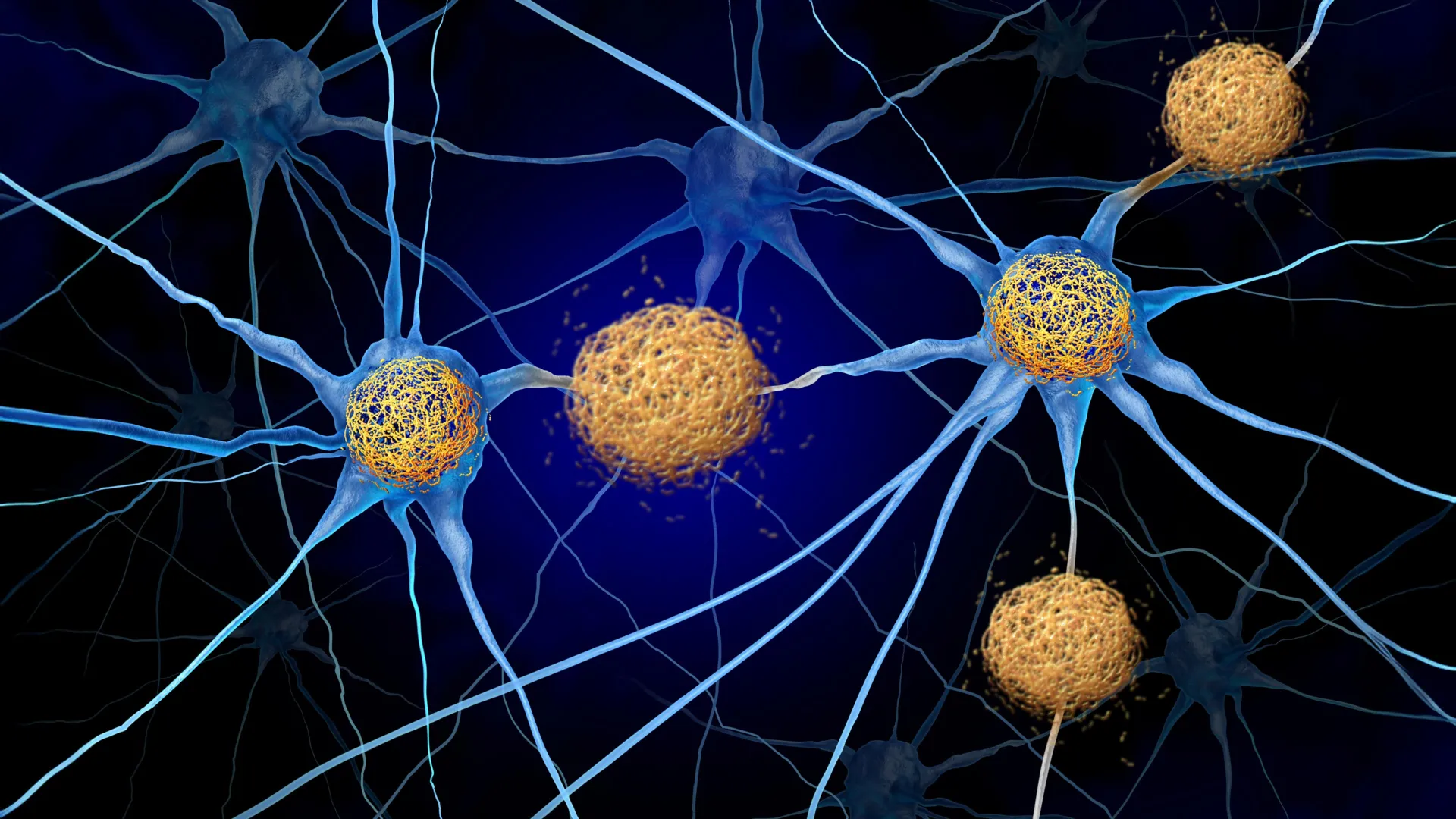
In a healthy brain, these proteins are typically cleared through natural metabolic processes. However, in patients with Alzheimer’s, the proteins undergo a structural transformation, folding and sticking together to form oligomers and eventually large plaques. These clusters settle in the synapses—the gaps between neurons—effectively "short-circuiting" the brain’s communication network. The research conducted at Oregon State University sheds new light on the role of metal ions, particularly copper, in catalyzing this destructive process. While metals such as iron, zinc, and copper are essential for basic neurological functions, including neurotransmitter synthesis and oxygen transport, an imbalance or "dyshomeostasis" of these metals can turn them into catalysts for protein aggregation.
Real-Time Observation: A Paradigm Shift in Methodology
The breakthrough in the OSU study lies in the methodology developed by Dr. Mackiewicz and her team. Traditionally, experiments involving protein aggregation have relied on "end-point" analysis, where researchers examine the final state of a sample after the chemical reactions have concluded. While useful, this approach offers little information about the intermediate stages of clumping or the specific moments when a potential drug might be most effective.
"Too many of some metal ions, like copper, can interact with amyloid-beta proteins in ways that lead to protein aggregation, but most experiments have only shown the end result, not the interactions and aggregation process itself," Mackiewicz stated. The team’s new method allows for the observation of these interactions "live, second by second." By quantifying the rate and intensity of protein binding as it happens, the researchers can determine exactly how different molecules interrupt or even reverse the process. This capability shifts the scientific inquiry from a binary "does it work?" to a more nuanced understanding of "how and when" a treatment functions.
The Role of Chelators in Reversing Protein Aggregation
A primary focus of the study was the efficacy of chelators—specialized molecules designed to bind to metal ions. Derived from the Greek word for "claw," chelators effectively "grab" metal ions, preventing them from interacting with other substances. In the context of Alzheimer’s, the goal is to use chelators to strip copper ions away from amyloid-beta proteins, thereby halting or reversing the formation of toxic clumps.
The OSU research team tested two distinct types of chelators to observe their impact on the protein-metal complexes. The first chelator demonstrated a high capacity for capturing metal ions but lacked specificity. It bound to various metal ions indiscriminately, which presents a challenge for clinical application, as stripping the brain of essential minerals can lead to significant side effects.
The second chelator, however, exhibited a sophisticated ability to selectively target copper ions. Copper is believed to be a major contributor to the oxidative stress and protein misfolding seen in Alzheimer’s patients. The real-time data showed that this selective chelator could not only stop new clumps from forming but could also facilitate the "unforming" of existing aggregations. This discovery is particularly promising, as it suggests that with the correct molecular targeting, some of the neurological damage caused by Alzheimer’s might be reversible rather than merely manageable.
Chronology of the Research and Undergraduate Involvement
The development of this measurement technique and the subsequent findings published in ACS Omega represent the culmination of an intensive collaborative effort involving several academic institutions. The project was notable for its heavy reliance on undergraduate researchers, providing a rare opportunity for students to contribute to high-level medical science.
The timeline of the study was supported by the SURE Science Program, an initiative at Oregon State University designed to fund undergraduate research during the summer months. Support from private donors Julie and William Reiersgaard was also instrumental in facilitating the cross-institutional team. Students involved in the project included Alyssa Schroeder from OSU, along with Eleanor Adams, Dane Frost, Erica Lopez, and Jennie Giacomini from Portland State University.
This collaborative model underscores a growing trend in STEM education where undergraduate students are integrated into complex laboratory environments early in their careers. For the students involved, the project provided hands-on experience with advanced chemical modeling and real-time data analysis, skills that are critical for the next generation of neuroscientists and pharmacologists.
Supporting Data and the Global Impact of Dementia
The urgency of this research is underscored by the staggering statistics surrounding Alzheimer’s and other forms of dementia. As the global population ages, the number of people living with these conditions is expected to rise dramatically.
- Prevalence: According to the World Health Organization (WHO), more than 55 million people worldwide are currently living with dementia, with nearly 10 million new cases diagnosed every year.
- Economic Burden: In the United States alone, the cost of caring for people with Alzheimer’s and other dementias is estimated to be $345 billion annually, a figure projected to rise to nearly $1 trillion by 2050 without significant medical breakthroughs.
- Clinical Failure Rates: Historically, Alzheimer’s drug development has had one of the highest failure rates in the pharmaceutical industry, often exceeding 99%. Many experts attribute this to the fact that most drugs are tested on patients who already exhibit significant plaque buildup, making it difficult to reverse the damage.
The OSU study addresses this high failure rate by providing a more granular understanding of the "pre-plaque" phase. By identifying the exact chemical triggers and the behavior of metal ions, researchers can design drugs that intervene much earlier in the disease cycle or with much higher precision.
Analysis of Implications for Future Therapeutics
The findings from Mackiewicz’s lab have immediate implications for the design of the next generation of Alzheimer’s drugs. Current FDA-approved treatments, such as monoclonal antibodies like lecanemab (Leqembi), work by targeting and removing existing amyloid plaques from the brain. While these drugs have shown success in slowing cognitive decline, they are often associated with side effects such as brain swelling or microhemorrhages.
The metal-targeted approach offered by the OSU research provides a complementary or alternative pathway. Instead of using large antibodies to clear massive plaques, small-molecule chelators could potentially prevent the plaques from forming in the first place by managing the brain’s metal chemistry. Furthermore, the ability to monitor these interactions in real-time allows pharmaceutical companies to screen thousands of potential chelator compounds much more quickly and accurately than was previously possible.
"That kind of real-time insight into how the protein aggregations form and unform is important for designing better treatments and for understanding why some widely used chemical approaches may not behave the way we assume they do," Mackiewicz noted. This suggests that some current research avenues may be based on flawed assumptions about how proteins and metals interact, and the OSU data could serve to correct those paths.
Future Directions: From Lab Bench to Preclinical Models
While the results published in ACS Omega are a significant milestone, the transition from laboratory chemistry to a bedside treatment is a long and rigorous process. Dr. Mackiewicz emphasized that while these findings offer "genuine hope," clinical applications remain several years away.
The next phase of the research will involve moving the experiments out of the controlled environment of a test tube and into more complex biological systems. This includes testing the selective chelators in cellular models to ensure they can cross the blood-brain barrier—a common hurdle in neurological drug development. Following cellular testing, the team plans to move into preclinical models to observe how these molecules affect behavior and cognitive function in living organisms.
"Many potential Alzheimer’s treatments fail due to an incomplete understanding of how amyloid-beta protein aggregation occurs," Mackiewicz said. "By directly observing and quantifying these interactions, our work provides a roadmap for creating more effective therapies."
The work at Oregon State University serves as a reminder that the fight against Alzheimer’s is being fought at the molecular level. By illuminating the "invisible" second-by-second interactions of proteins and metals, this team of scientists and students has opened a new door in the quest to understand, treat, and eventually reverse one of the most challenging diseases of the modern era. As the global medical community watches, the roadmap provided by this study may lead to the targeted, effective therapies that millions of families are waiting for.