The loss of the sense of smell, or anosmia, has long been documented as one of the most frequent and earliest clinical indicators of Alzheimer’s disease, often manifesting years—or even a decade—before the onset of cognitive decline and memory impairment. While clinicians have recognized this sensory deficit for some time, the underlying biological mechanisms driving the destruction of the olfactory system in the early stages of neurodegeneration remained elusive. A groundbreaking study conducted by researchers at the German Center for Neurodegenerative Diseases (DZNE) and the Ludwig-Maximilians-Universität München (LMU) has finally provided a clear explanation for this phenomenon. Published in the journal Nature Communications, the research identifies a specific immune-mediated process in the brain that targets and destroys the nerve fibers responsible for odor detection.
The findings suggest that the brain’s own immune system, specifically cells known as microglia, may inadvertently accelerate the progression of the disease by attacking healthy or slightly hyperactive neural connections. By combining evidence from animal models, post-mortem human brain tissue, and advanced neuroimaging in living patients, the team has mapped a pathway that begins with cellular hyperactivity and ends in the physical dismantling of the olfactory network. This discovery not only clarifies a long-standing medical mystery but also provides a potential window for earlier diagnosis and more effective therapeutic intervention.
The Role of Microglia and the Olfactory Circuit
The study focuses on a critical neural circuit that connects the olfactory bulb to the locus coeruleus. The olfactory bulb, located in the forebrain just above the nasal cavity, serves as the primary processing station for sensory information gathered by the nose. The locus coeruleus, situated deep within the brainstem, acts as a regulatory hub, sending long-reaching nerve fibers to various parts of the brain to manage physiological states such as the sleep-wake cycle, cerebral blood flow, and sensory perception.
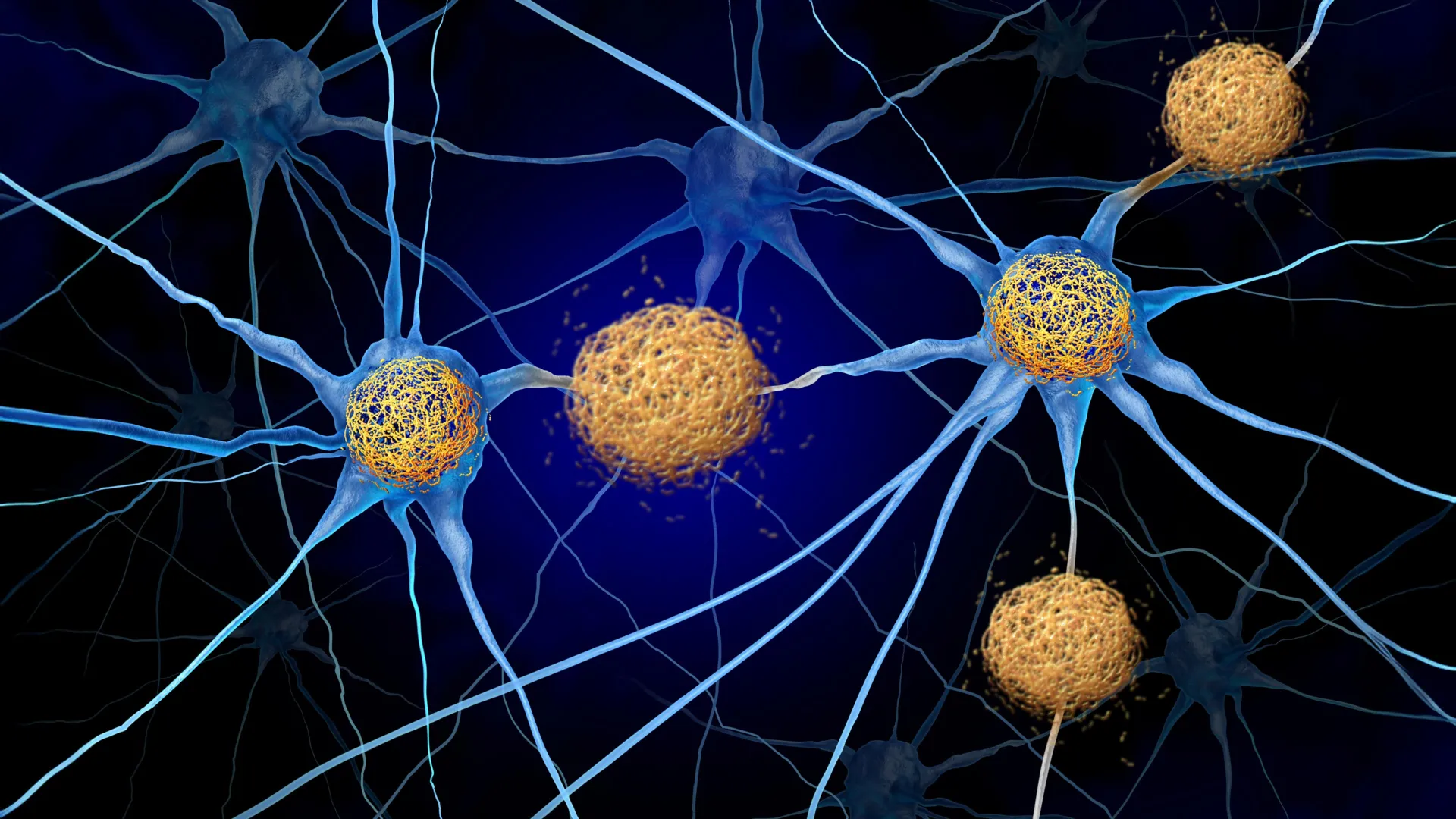
In a healthy brain, the locus coeruleus provides essential modulatory input to the olfactory bulb, ensuring that scents are processed accurately and efficiently. However, the DZNE and LMU researchers found that in the early stages of Alzheimer’s, this connection is systematically severed. The primary culprits are microglia—specialized immune cells that act as the brain’s resident "maintenance crew." Under normal conditions, microglia are responsible for clearing out cellular debris and "pruning" weak or unnecessary synaptic connections to keep the brain’s wiring efficient.
In the context of Alzheimer’s, this pruning process appears to become pathological. The researchers discovered that the microglia begin to treat the nerve fibers extending from the locus coeruleus to the olfactory bulb as defective. "Our study suggests that in early Alzheimer’s disease, changes occur in the nerve fibers linking the locus coeruleus to the olfactory bulb," explained Dr. Lars Paeger, a lead scientist on the project from DZNE and LMU. "These alterations signal to the microglia that affected fibers are defective or superfluous. Consequently, the microglia break them down."
The Biochemical "Eat-Me" Signal
A central question for the researchers was why the microglia were targeting these specific fibers. The team identified a biochemical shift in the membrane of the neurons that acts as a beacon for the immune cells. This shift involves a fatty molecule called phosphatidylserine. In healthy, stable neurons, phosphatidylserine is strictly sequestered on the inner layer of the cell membrane. However, the study found that in the presence of Alzheimer’s-related stressors, this molecule flips to the outer surface of the membrane.
"Presence of phosphatidylserine at the outer site of the cell membrane is known to be an ‘eat-me’ signal for microglia," Dr. Paeger noted. This mechanism is typically reserved for synaptic pruning during brain development or for flagging dying cells for removal. In the early stages of Alzheimer’s, the researchers believe that the "eat-me" signal is triggered by neuronal hyperactivity. Before neurons die or lose function in Alzheimer’s, they often exhibit abnormal, excessive firing patterns. This hyperactivity appears to disrupt the membrane integrity of the nerve fibers, leading to the externalization of phosphatidylserine and the subsequent arrival of microglia to "clean up" the seemingly malfunctioning fibers.
A Multi-Dimensional Methodology
To reach these conclusions, the research team employed a rigorous, multi-pronged approach that bridged the gap between laboratory science and clinical observation. This methodology ensured that the findings were not merely a quirk of animal biology but were directly relevant to human pathology.
- Animal Models: The researchers utilized transgenic mice designed to express the hallmarks of Alzheimer’s disease, such as the accumulation of amyloid-beta plaques. By observing these mice, the team could track the real-time interaction between microglia and the olfactory nerve fibers, confirming that the immune cells were indeed the agents of destruction.
- Human Brain Tissue Analysis: To validate the mouse findings, the team examined post-mortem brain tissue from deceased Alzheimer’s patients. They found clear evidence of degraded connections between the locus coeruleus and the olfactory bulb, as well as signs of microglial activation in these regions.
- PET Scanning in Living Patients: Perhaps the most significant evidence came from positron emission tomography (PET) scans of living individuals. The researchers analyzed scans from patients diagnosed with Alzheimer’s or mild cognitive impairment (MCI). These scans allowed the team to observe the activity of the locus coeruleus and the structural integrity of the olfactory pathways in real-time, correlating the loss of smell with the specific neural damage identified in the lab.
By synthesizing these three lines of evidence, the researchers were able to provide a comprehensive timeline of how smell loss develops as an early symptom of neurodegeneration.
The Context of the Alzheimer’s Crisis
The urgency of this research is underscored by the rising global prevalence of Alzheimer’s disease. According to the World Health Organization (WHO), more than 55 million people worldwide are currently living with dementia, a figure expected to rise to 139 million by 2050. Alzheimer’s is the most common form of dementia, contributing to 60–70% of cases.
One of the greatest challenges in treating Alzheimer’s is the "silent" nature of the disease. Pathological changes, such as the buildup of amyloid-beta and tau proteins, begin decades before a patient shows any signs of memory loss. By the time a patient is diagnosed based on cognitive symptoms, significant and often irreversible brain damage has already occurred. This makes the identification of early biomarkers, such as changes in the sense of smell, a top priority for the medical community.
The research conducted by Paeger and Herms fits into a broader shift in the field toward "prodromal" or pre-symptomatic diagnosis. If clinicians can identify at-risk individuals during the olfactory decline phase, they can initiate treatments much earlier in the disease’s progression.
Implications for Early Intervention and New Therapies
The discovery of the immunological mechanism behind smell loss has profound implications for the next generation of Alzheimer’s treatments. Recently, the medical community has seen the approval of amyloid-beta antibodies, such as lecanemab (Leqembi) and donanemab (Kisunla). these drugs work by clearing amyloid plaques from the brain, but clinical trials have shown that they are most effective when administered in the very early stages of the disease.
"Our findings could pave the way for the early identification of patients at risk of developing Alzheimer’s, enabling them to undergo comprehensive testing to confirm the diagnosis before cognitive problems arise," said Prof. Dr. Jochen Herms, a research group leader at DZNE and LMU. "This would allow earlier intervention with amyloid-beta antibodies, increasing the probability of a positive response."
Furthermore, understanding the role of microglia opens up new avenues for "immunomodulatory" therapies. If researchers can develop drugs that prevent microglia from overreacting to the "eat-me" signals on hyperactive neurons, they might be able to preserve critical neural circuits like the olfactory pathway, potentially slowing the overall progression of the disease.
The Munich "SyNergy" Cluster and Collaborative Research
This study is a product of the Munich-based "SyNergy" Cluster of Excellence, a collaborative research initiative that focuses on the role of inflammation and immune responses in neurological diseases. The Cluster’s approach emphasizes that neurodegeneration is not just a result of protein misfolding but is also driven by complex interactions between the nervous system and the immune system.
The success of this study highlights the importance of interdisciplinary research. By combining expertise in immunology, neurobiology, and clinical imaging, the Munich team was able to solve a puzzle that had remained unsolved for decades. The collaboration between DZNE and LMU serves as a model for how integrated research can lead to breakthroughs in understanding complex diseases.
Future Outlook: From Smell Tests to PET Scans
As the medical community moves forward, the integration of smell tests into routine geriatric care may become more common. While a simple scratch-and-sniff test is not enough to diagnose Alzheimer’s, a persistent and unexplained decline in olfactory function could serve as a trigger for more advanced diagnostic tools, such as the PET scans used in this study or cerebrospinal fluid analysis.
The goal is to create a multi-tiered screening process:
- Primary Screening: Identifying olfactory deficits during routine check-ups.
- Secondary Screening: Blood-based biomarkers to check for amyloid and tau levels.
- Tertiary Diagnosis: Advanced imaging (PET) to confirm microglial activity and structural changes in the olfactory bulb.
By the time the next generation of Alzheimer’s treatments reaches the market, the ability to identify patients in the "olfactory phase" could be the key to turning a terminal diagnosis into a manageable chronic condition. The research from DZNE and LMU has provided the scientific foundation for this shift, moving the field one step closer to a future where Alzheimer’s can be intercepted before it ever touches a patient’s memory.