In a significant leap for regenerative medicine and hematology, researchers at the University of Basel and University Hospital Basel have successfully engineered a functional, three-dimensional model of human bone marrow using exclusively human cells. This breakthrough, recently detailed in the journal Cell Stem Cell, represents the first time the intricate architecture of the human "blood factory"—complete with its complex network of bone cells, blood vessels, and nerves—has been replicated outside the human body without relying on animal-derived components. Led by Professor Ivan Martin and Dr. Andrés García García, the study offers a robust new platform for investigating blood-related diseases, testing novel pharmaceuticals, and developing personalized treatment protocols for aggressive cancers such as leukemia.
The Architectural Complexity of the Bone Marrow Niche
The human bone marrow is one of the body’s most sophisticated tissues, acting as the primary site for hematopoiesis—the continuous production of blood cells. Within this tissue, specific microenvironments known as "niches" provide the necessary signals to maintain, differentiate, or protect hematopoietic stem cells. One of the most critical of these is the endosteal niche, located near the inner surface of the bone. This niche is not merely a structural boundary; it is a dynamic hub where bone-forming cells (osteoblasts), blood vessels (endothelial cells), and nerve fibers interact to regulate blood production.
Historically, this complexity has made the bone marrow notoriously difficult to model. Previous laboratory systems often utilized simplified two-dimensional cultures or "humanized" animal models, where human cells were injected into mice. While these methods provided foundational knowledge, they often failed to capture the nuances of human-specific biology. The Basel team’s new model addresses this gap by integrating all essential components of the endosteal niche into a single, cohesive 3D system. By using human induced pluripotent stem cells (iPSCs), the researchers were able to generate the diverse cell types required for the niche, ensuring that the biochemical signaling and physical interactions mirrored those found in a living human patient.
A Chronology of Progress in Hematological Modeling
The journey toward this human-only bone marrow model spans several decades of scientific evolution. In the mid-20th century, research was primarily limited to observations of bone marrow aspirates under microscopes. By the 1970s and 80s, the development of long-term bone marrow cultures allowed scientists to maintain blood-forming cells in Petri dishes, though these lacked the three-dimensional structure necessary for true physiological function.
The 1990s and early 2000s saw the rise of mouse models, which became the gold standard for studying blood cancers. However, significant interspecies differences in cell signaling and surface receptors often meant that findings in mice did not translate to successful human clinical trials. The last decade has focused on "organ-on-a-chip" technology and 3D bioprinting, attempting to build more realistic scaffolds. The University of Basel’s achievement marks the culmination of this timeline, moving beyond partial models to a comprehensive, multi-lineage system that sustains human blood cell formation for several weeks in an artificial environment.
Engineering the 3D Framework: Methodology and Scale
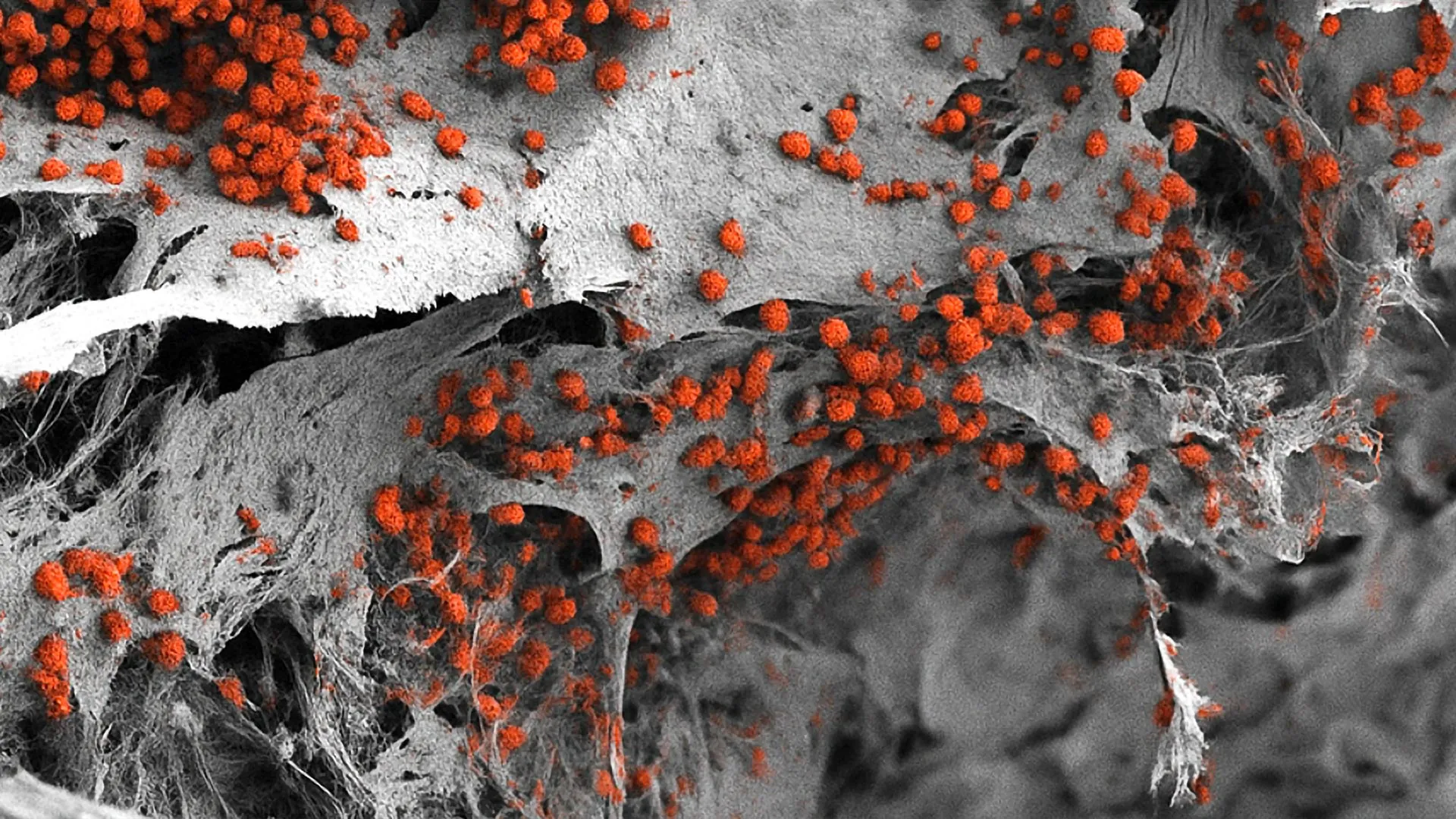
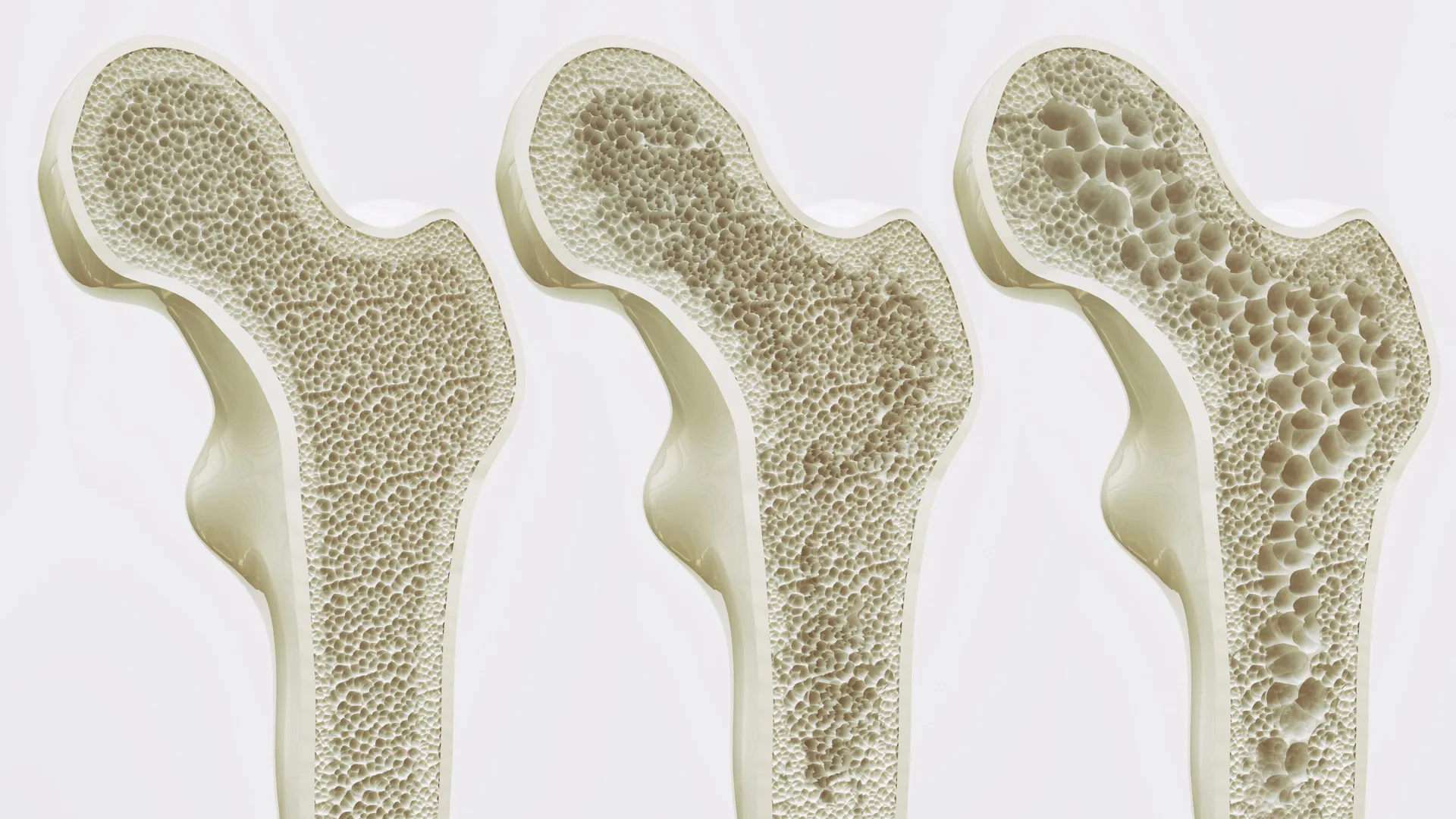
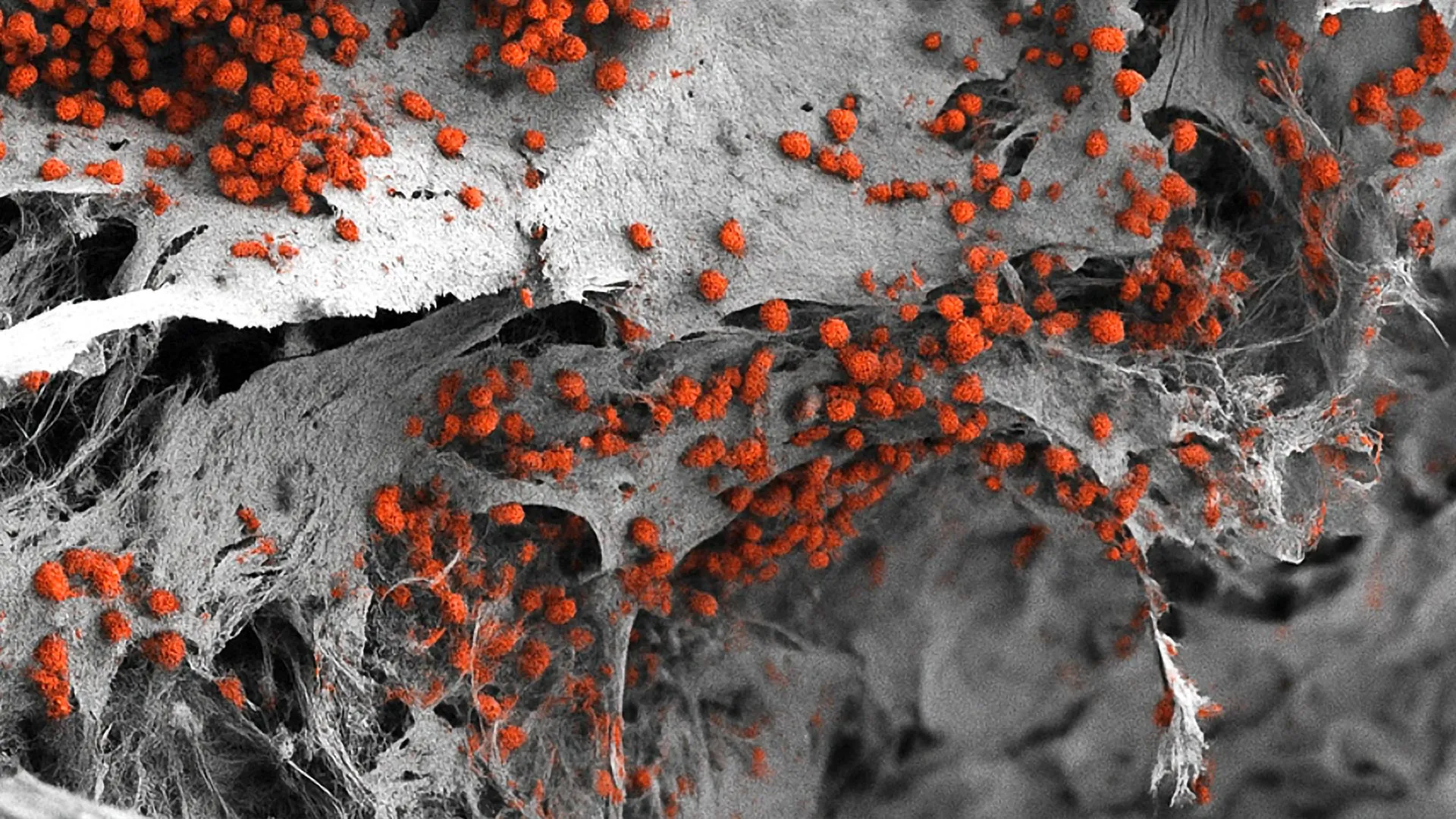
The construction of the model began with a synthetic scaffold made of hydroxyapatite. This material was chosen specifically because it is a naturally occurring mineral form of calcium apatite, comprising the bulk of human bone and teeth. By providing a chemically and structurally accurate foundation, the researchers ensured that the cells would behave as they would within the human skeleton.
Once the scaffold was prepared, the team introduced human pluripotent stem cells. Through a meticulously timed series of molecular signals and growth factors, these stem cells were guided to differentiate into the various components of the niche. The result was a functional tissue unit measuring eight millimeters in diameter and four millimeters in thickness. While small to the human eye, this is considerably larger than most previous lab-grown tissue models, providing a substantial volume of "active" marrow for study.
Analytical tests confirmed that the tissue not only looked like bone marrow but functioned like it. The model successfully maintained the survival and proliferation of hematopoietic stem cells, the "parent" cells responsible for creating red blood cells, white blood cells, and platelets. This ability to sustain blood production over an extended period is a crucial requirement for long-term drug testing and disease modeling.
Supporting Data: The Limitations of Animal Research and the 3Rs
The drive to create this model is rooted in both scientific necessity and ethical considerations. The pharmaceutical industry currently faces a high "attrition rate," where approximately 90% of drugs that pass animal testing fail during human clinical trials. A primary cause of this failure is the biological discrepancy between species. For instance, certain cytokines (signaling proteins) that drive leukemia in humans may not function the same way in mice, leading to inaccurate data regarding drug efficacy.
Furthermore, the Basel study aligns with the international "3Rs" principle: Replacement, Reduction, and Refinement of animal experiments. In Switzerland and across the European Union, regulatory bodies are increasingly demanding alternatives to animal testing. According to recent data, hundreds of thousands of mice are used annually in hematological and oncological research worldwide. The implementation of high-fidelity human models could potentially reduce these numbers by providing a more accurate "first-look" at how human tissue responds to a pathogen or a drug candidate.
Implications for Blood Cancer Research and Treatment
One of the most promising applications for this 3D model is in the study of hematologic malignancies, such as acute myeloid leukemia (AML) and multiple myeloma. These cancers often hide within the bone marrow niche, where they can remain dormant and resistant to chemotherapy. By recreating the endosteal niche, scientists can now observe exactly how cancer cells interact with bone and nerve cells to evade treatment.
"We have learned a great deal about how bone marrow works from mouse studies," noted Professor Ivan Martin. "However, our model brings us closer to the biology of the human organism." This proximity allows for a more granular look at the "pre-metastatic niche"—the environment that allows cancer to spread—and provides a platform to test drugs designed to "flush out" cancer cells from their protective marrow hideouts.
Official Responses and the Path to Personalized Medicine
The scientific community has reacted with cautious optimism to the Basel report. Experts in bioengineering have praised the inclusion of the nervous system components, a factor often overlooked in previous models but increasingly recognized as a vital regulator of stem cell activity.
Dr. Andrés García García highlighted the future potential for personalized oncology. The vision is to take a small sample of a patient’s own cells, reprogram them into stem cells, and build a "patient-specific" bone marrow model. Doctors could then test a battery of different chemotherapy combinations or immunotherapies on that specific model to see which one most effectively eradicates the cancer without destroying the healthy marrow. This "precision medicine" approach could save patients from the grueling side effects of ineffective treatments.
However, the team acknowledges that hurdles remain. "For the specific purpose of high-throughput drug testing, the size of our current bone marrow model might be too large," García García explained. To be used by pharmaceutical companies to test thousands of compounds simultaneously, the system will need to be miniaturized further into "micro-physiological systems" that can fit onto standard laboratory plates.
Broader Impact and Future Outlook
The success of the Basel study signals a shift in the landscape of biomedical research. As the technology matures, the reliance on animal models for early-stage drug discovery may begin to wane, replaced by "human-relevant" platforms that offer higher predictive power. This transition is expected to accelerate the development of treatments for rare blood disorders and improve the safety profiles of new drugs entering the market.
In the coming years, the research team plans to refine the model by introducing additional immune cell types and simulating the flow of blood through the engineered vessels more dynamically. By adding these layers of complexity, the model will move even closer to being a true "digital twin" of human physiology.
The University of Basel’s work stands as a testament to the power of interdisciplinary collaboration, bridging the gap between molecular biology, material science, and clinical medicine. As this "blood factory in a lab" continues to evolve, it promises to unlock the mysteries of the bone marrow, offering new hope to patients facing life-threatening blood diseases and setting a new standard for ethical, human-centric scientific inquiry.