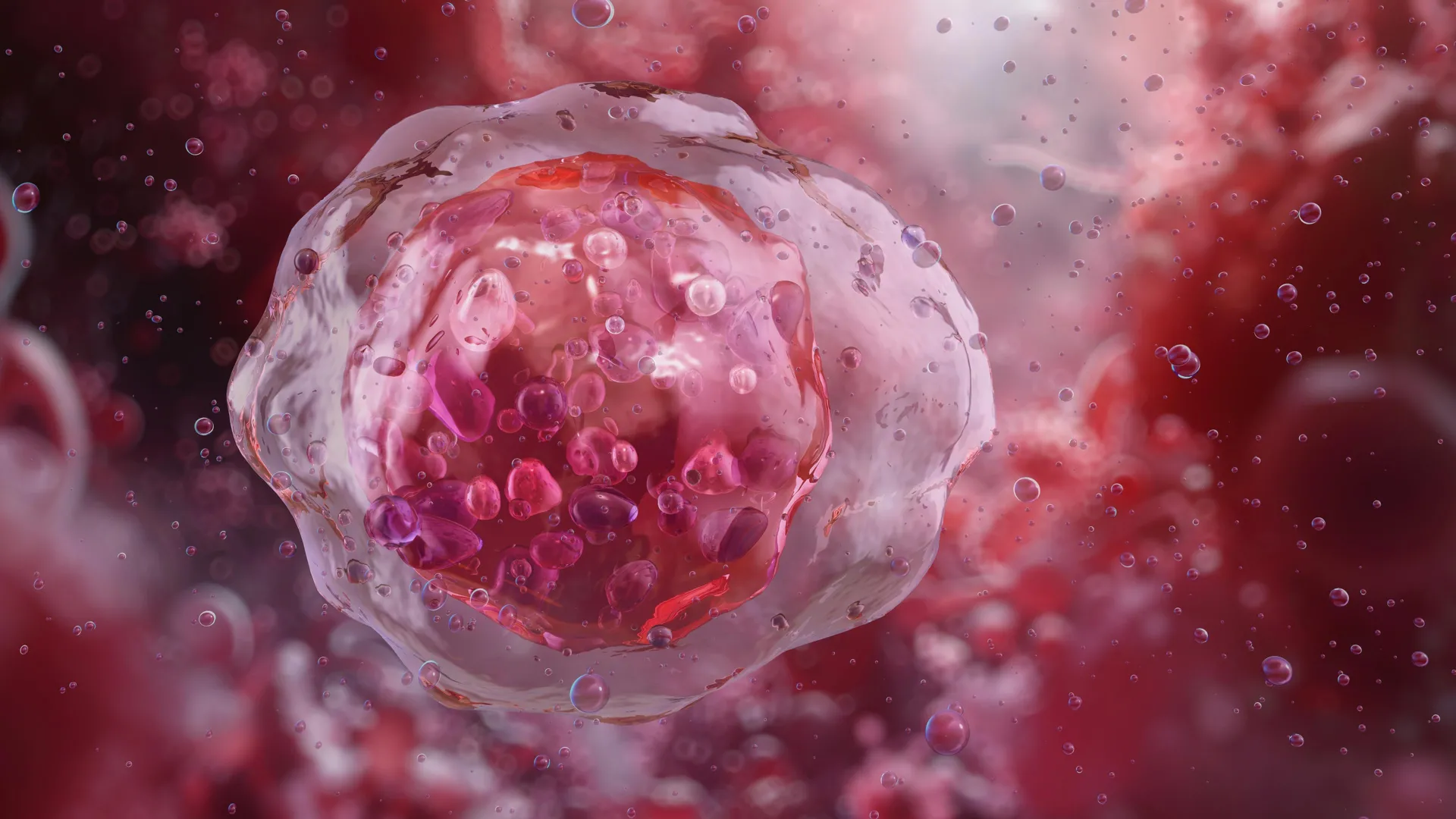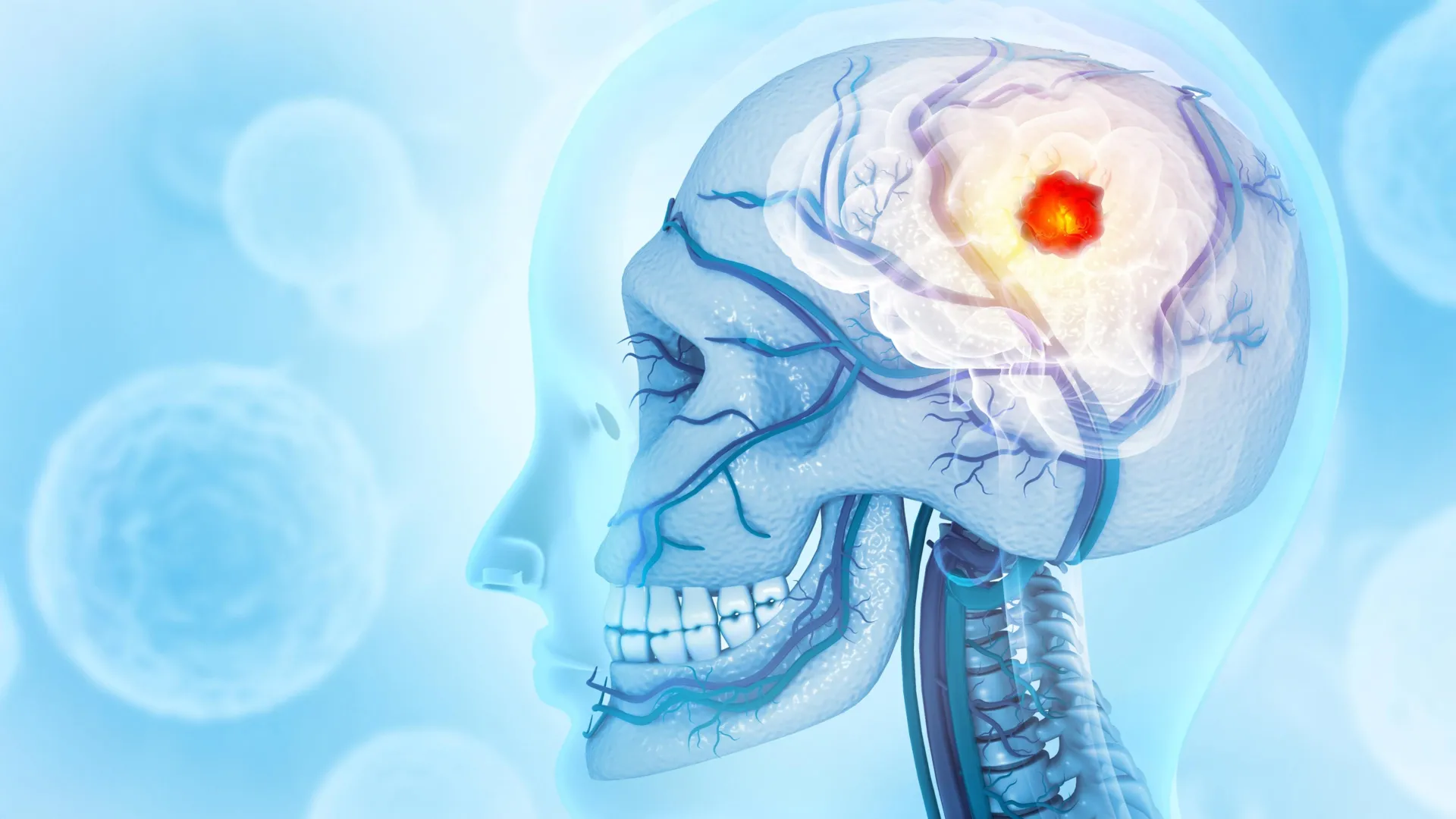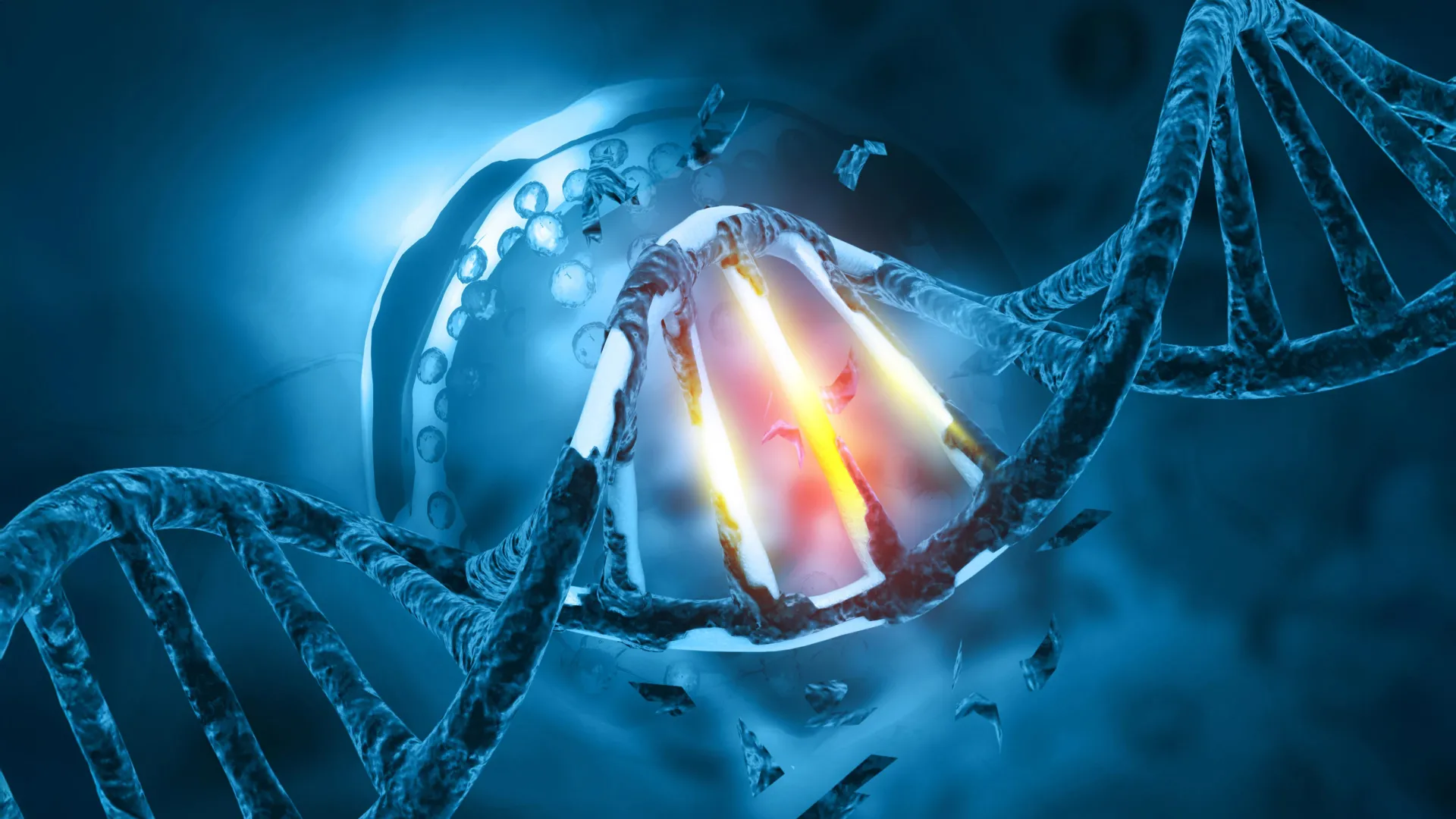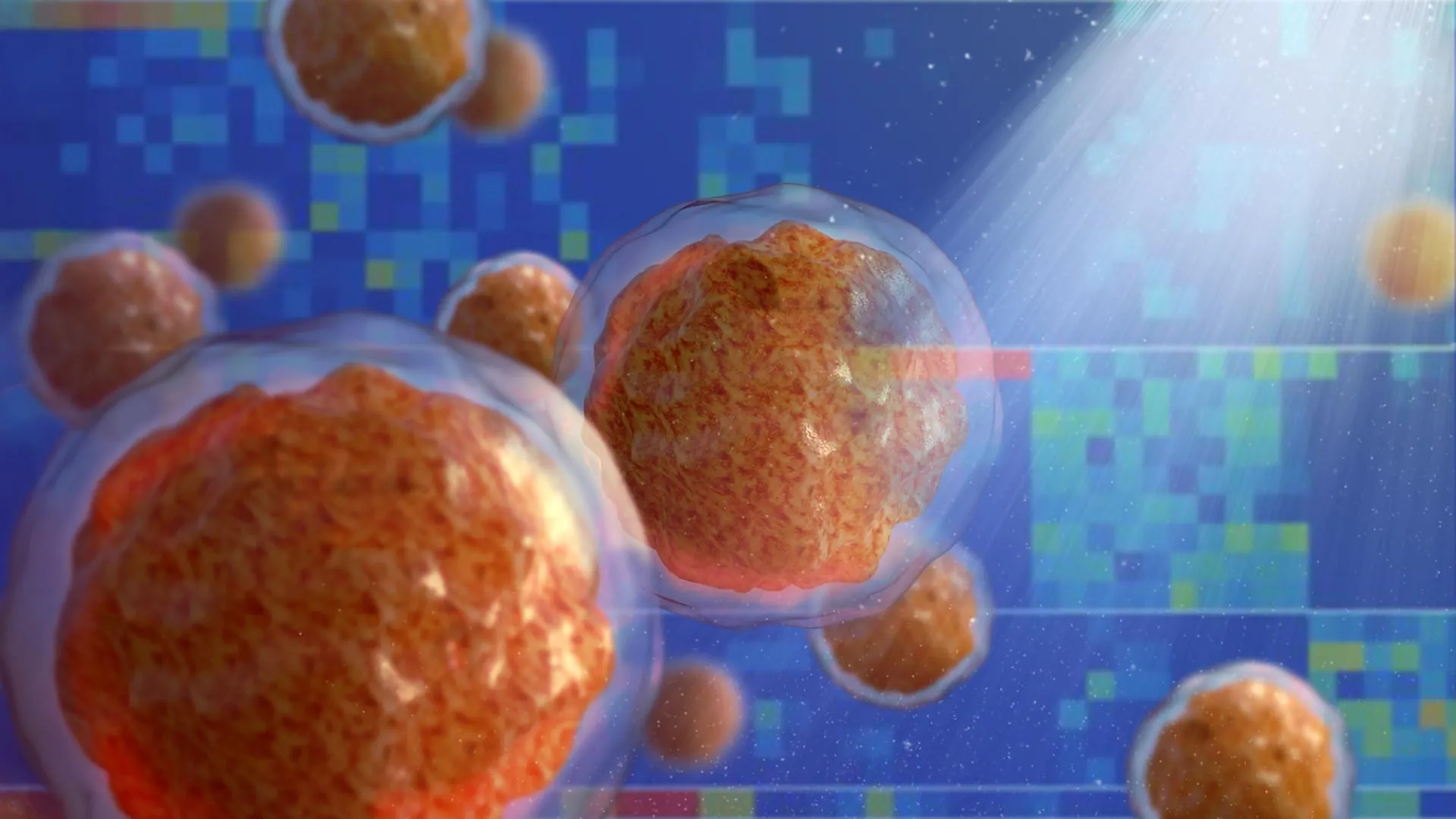
The study, published in the Journal of Clinical Investigation, identifies a sophisticated "smuggling" operation between cancer cells and the bone marrow’s natural residents. By utilizing cellular tunnels to siphon life-sustaining molecules from healthy stem cells, breast cancer cells are able to maintain a state of dormancy while simultaneously building the biological infrastructure necessary for a future, more lethal assault on the body. This discovery not only explains why ER+ breast cancer is so persistent but also opens the door to a new generation of therapies designed to sever these communication lines before a relapse can occur.
The Bone Marrow as a Sanctuary for Dormant Disease
Estrogen receptor-positive breast cancer accounts for approximately 70% to 80% of all breast cancer diagnoses. While advancements in endocrine therapies, such as Tamoxifen and aromatase inhibitors, have significantly improved five-year survival rates, the long-term outlook remains clouded by the threat of late recurrence. Statistical data indicates that nearly 40% of patients with ER+ breast cancer will experience a relapse, often ten to twenty years after their initial successful treatment.
The primary site for this "hibernation" is the bone marrow. The bone marrow provides a unique microenvironment—a protective niche that shields disseminated tumor cells (DTCs) from the circulating chemotherapy agents and hormonal treatments that effectively clear the primary tumor site. However, the mechanism by which these cells remained viable and eventually acquired the mutations necessary to resist treatment was, until now, poorly understood.
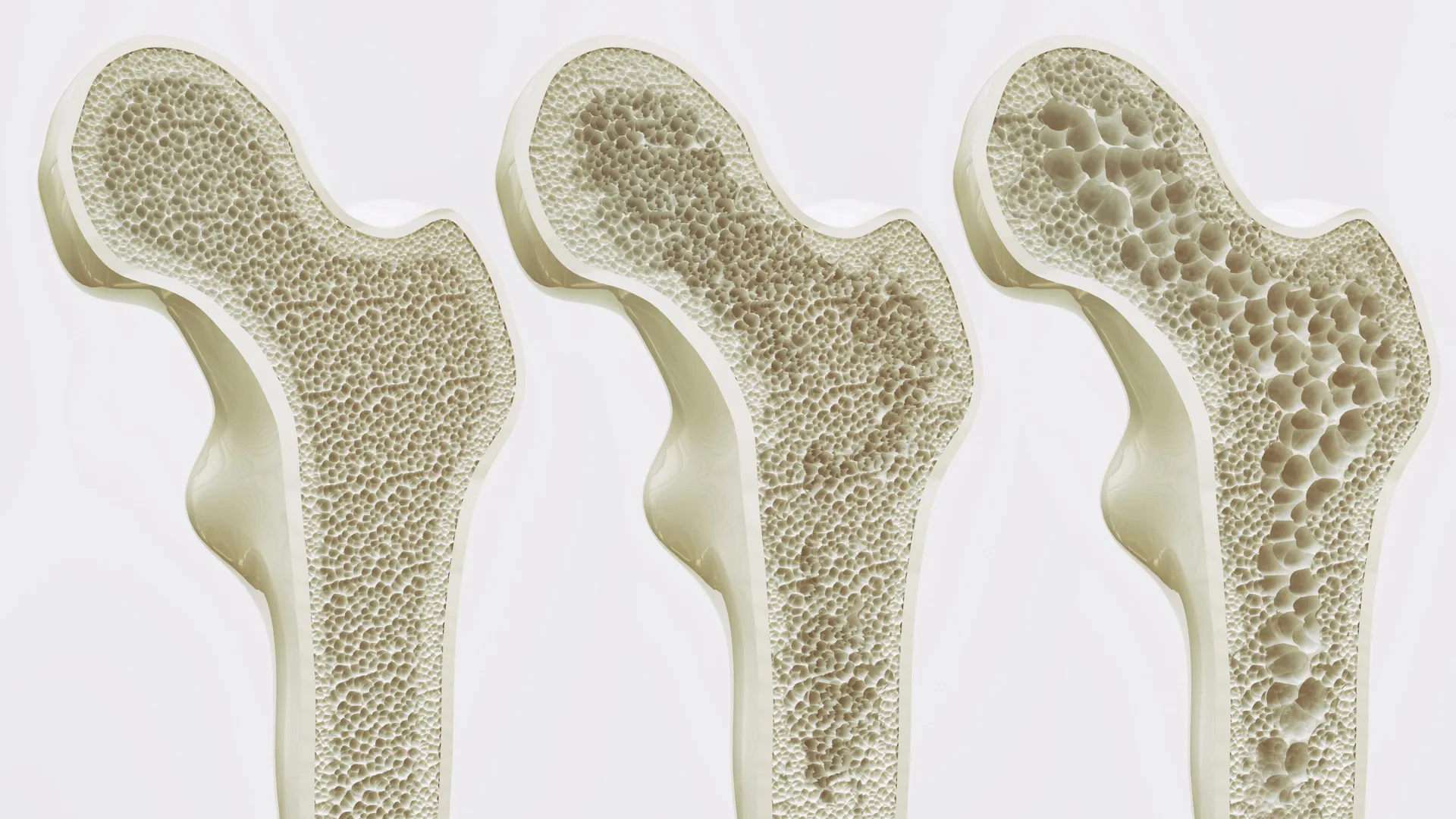
Researchers have long observed that once cancer returns from the bone marrow, it is often far more aggressive than the original tumor. This secondary stage frequently manifests as metastatic bone disease, characterized by osteolytic lesions, debilitating bone fractures, and hypercalcemia—a condition where calcium levels in the blood become dangerously high due to bone degradation. From the marrow, these "reawakened" cells can also seed other vital organs, leading to systemic, incurable stage IV cancer.
The "Generous Neighbor" Mechanism: Cellular Smuggling via CX43
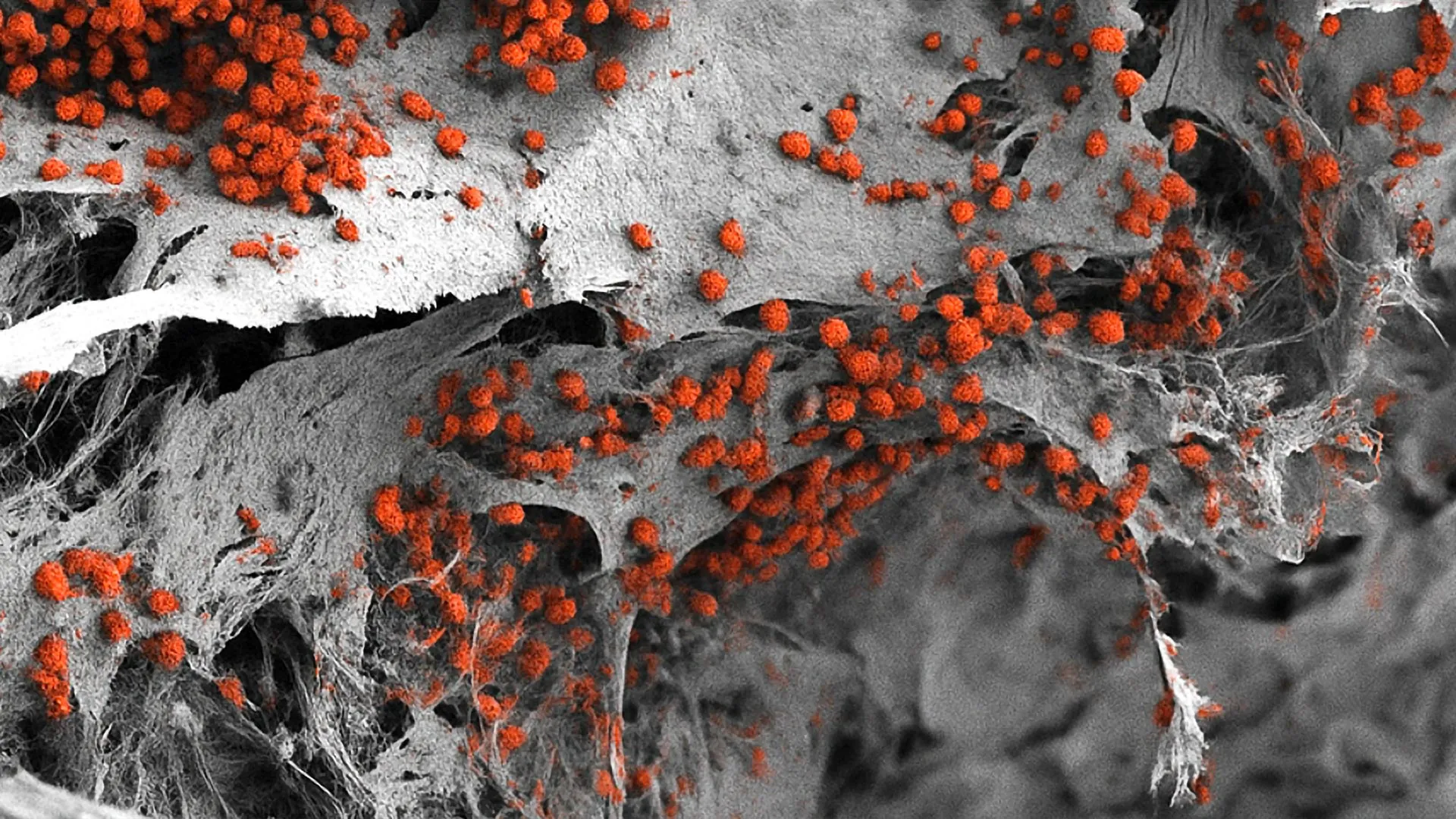
The core of the study’s findings lies in the interaction between breast cancer cells and mesenchymal stem cells (MSCs). MSCs are a type of multipotent stromal cell found in the bone marrow that normally aids in tissue repair and the regulation of the immune system. However, when cancer cells enter the bone marrow, they hijack these healthy cells through a process the researchers describe as "cellular smuggling."
"We discovered that the breast cancer cells require direct contact with mesenchymal stem cells," explained Gary Luker, M.D., head of the Luker Lab within the Center for Molecular Imaging at the University of Michigan and the study’s senior author. According to Dr. Luker, the cancer cells do not merely exist alongside MSCs; they physically link to them.
These links are formed through Connexin 43 (CX43)-related tunnels, also known as gap junctions or tunneling nanotubes. Through these physical bridges, cancer cells "borrow" essential molecules—including specific proteins and messenger RNA (mRNA)—directly from the mesenchymal stem cells. This transfer is not a passive exchange; it is a predatory acquisition that transforms the cancer cell’s profile.
"Essentially, the mesenchymal stem cells act as very generous neighbors in donating things that make the cancer cells more aggressive and drug resistant," Dr. Luker noted. This molecular theft allows the cancer cells to bypass the metabolic stresses of the bone marrow environment and fortify themselves against future therapeutic interventions.
Identifying the Culprit: The Role of GIV/Girdin
To understand the scale of this transformation, the research team conducted laboratory experiments that monitored the changes in cancer cells following contact with MSCs. They observed alterations in the expression of hundreds of different proteins. Through rigorous proteomic analysis, the researchers narrowed their focus to a specific protein known as GIV (Girdin), also referred to as Gα-interacting vesicle-associated protein.
GIV is well-documented in oncological literature for its role in driving the "hallmarks of cancer," including increased invasiveness, chemoresistance, and the acquisition of metastatic potential. The study found that the acquisition of GIV through these cellular tunnels specifically enables breast cancer cells to resist estrogen-targeted therapies.
Tamoxifen, a cornerstone of ER+ breast cancer treatment, works by blocking estrogen receptors on cancer cells, effectively "starving" them of the hormones they need to grow. However, the researchers found that once a cancer cell has been bolstered by GIV and other molecules smuggled from the bone marrow stroma, it no longer relies solely on estrogen signaling for survival. This bypass mechanism allows the "sleeper cells" to persist even in a patient who is strictly adhering to a five-year or ten-year course of hormone therapy.
The Timeline of Recurrence and the "Reawakening" Trigger
The chronology of ER+ breast cancer recurrence is one of the most challenging aspects for clinical oncologists. Unlike triple-negative breast cancer, which typically recurs within the first three to five years if it returns at all, ER+ cancer has a much longer "tail" of risk.
- Initial Diagnosis and Treatment: The primary tumor is removed, and systemic therapy (chemotherapy or radiation) is applied.
- Dissemination: Even before the primary tumor is detected, microscopic cancer cells may migrate through the bloodstream to the bone marrow.
- Dormancy: The cells enter a state of quiescence in the marrow, shielded by the stroma and sustained by the CX43 smuggling mechanism.
- The "Smuggling" Phase: Over years, the cancer cells gradually acquire aggressive phenotypes by borrowing mRNA and GIV proteins from neighboring stem cells.
- Reawakening: Triggered by changes in the bone marrow microenvironment—such as inflammation, aging, or hormonal shifts—the now-aggressive cells begin to proliferate.
- Clinical Relapse: The patient presents with bone pain or fractures, and imaging reveals metastatic lesions.
"Sleeper cells can be reawakened and cause estrogen receptor-positive breast cancers to relapse years—in some cases as long as a decade—after patients were believed to be in remission," said study author Pradipta Ghosh, M.D., a professor at the UC San Diego School of Medicine. Dr. Ghosh emphasized that the "smuggling" through cellular tunnels is the key to this survival strategy.
Implications for Future Oncology and Treatment Strategies
The identification of the CX43-related tunnels and the role of GIV provides a concrete target for future drug development. Currently, the medical field lacks a standard protocol for "clearing" the bone marrow of dormant cells during initial treatment. Most therapies focus on active, proliferating cells, which leaves dormant DTCs untouched.
The findings suggest several new therapeutic avenues:
- Tunnel Blockers: Developing small-molecule inhibitors that prevent the formation of CX43 gap junctions could effectively "starve" the dormant cancer cells by cutting off their access to the MSCs’ resources.
- GIV Targeting: Since GIV is the primary driver of the aggressive, drug-resistant phenotype, targeting this protein could potentially re-sensitize dormant cells to existing hormone therapies like Tamoxifen.
- Stroma-Modifying Therapies: Rather than targeting the cancer cell alone, future treatments might focus on making the bone marrow environment less hospitable or preventing the "generosity" of the mesenchymal stem cells.
The implications of this study extend beyond breast cancer. The "tumor-stroma" interaction is a fundamental component of many solid tumors, including prostate and lung cancers, which also frequently metastasize to the bone. The discovery of CX43-mediated molecular borrowing may represent a universal mechanism by which disseminated cancer cells survive in foreign tissues.
Conclusion: A New Frontier in Preventing Relapse
The collaboration between the University of Michigan and UC San Diego marks a significant step forward in solving the mystery of late-stage cancer recurrence. By shifting the focus from the cancer cell in isolation to the cancer cell in its environmental context, researchers have identified the umbilical-like connection that allows disease to persist in the shadows.
While the study’s findings are currently rooted in laboratory experiments and molecular analysis, the path toward clinical application is clear. If oncologists can prevent the "smuggling" of survival proteins, they may finally be able to offer ER+ breast cancer patients something more than just remission: a definitive cure.
"Since these cancer cells ‘borrow’ essential proteins from stem cells in the bone marrow through cellular tunnels—much like smuggling—approaches for targeting the tunnels or proteins they smuggle could help prevent the relapse and metastasis of estrogen receptor-positive breast cancer," Dr. Ghosh concluded. As research continues, the goal remains to ensure that "remission" is no longer a temporary state, but a permanent victory over the disease.