A comprehensive genomic study published in the journal Nature has fundamentally altered the scientific understanding of chronic myeloid leukemia (CML), revealing that the cancer originates years earlier than previously thought and exhibits growth rates far exceeding those of most other malignancies. Researchers from the Wellcome Sanger Institute, in collaboration with the University of Cambridge and other international partners, utilized advanced whole-genome sequencing of single blood cells to trace the "ancestral history" of the disease. Their findings indicate that the genetic fusion responsible for CML can appear between three and fourteen years prior to clinical diagnosis, followed by a period of explosive cellular expansion. This research provides a new window into the evolutionary trajectory of blood cancers and offers critical insights into why some patients fail to respond to standard life-saving therapies.
The Genetic Genesis: Understanding the Philadelphia Chromosome
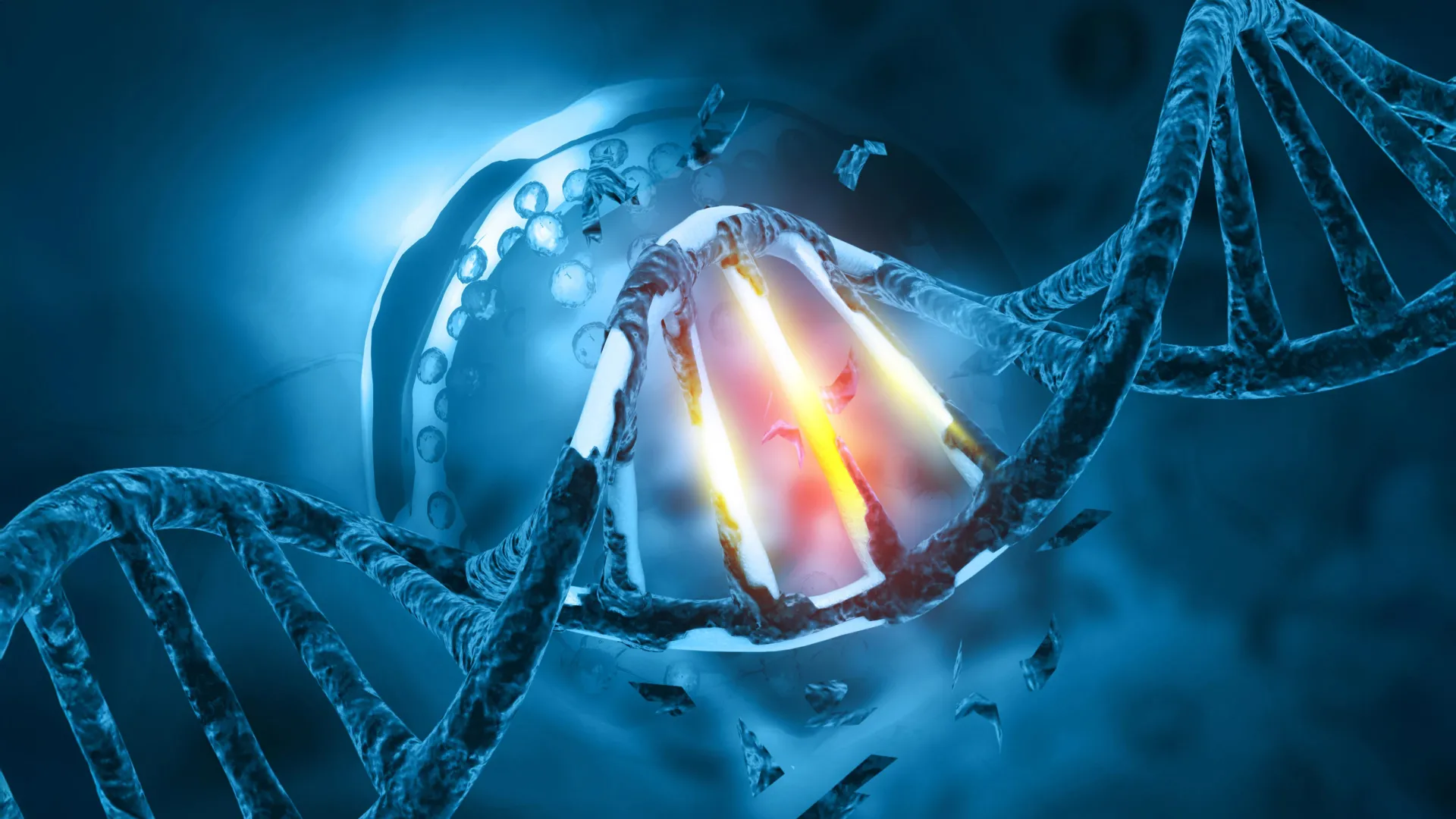
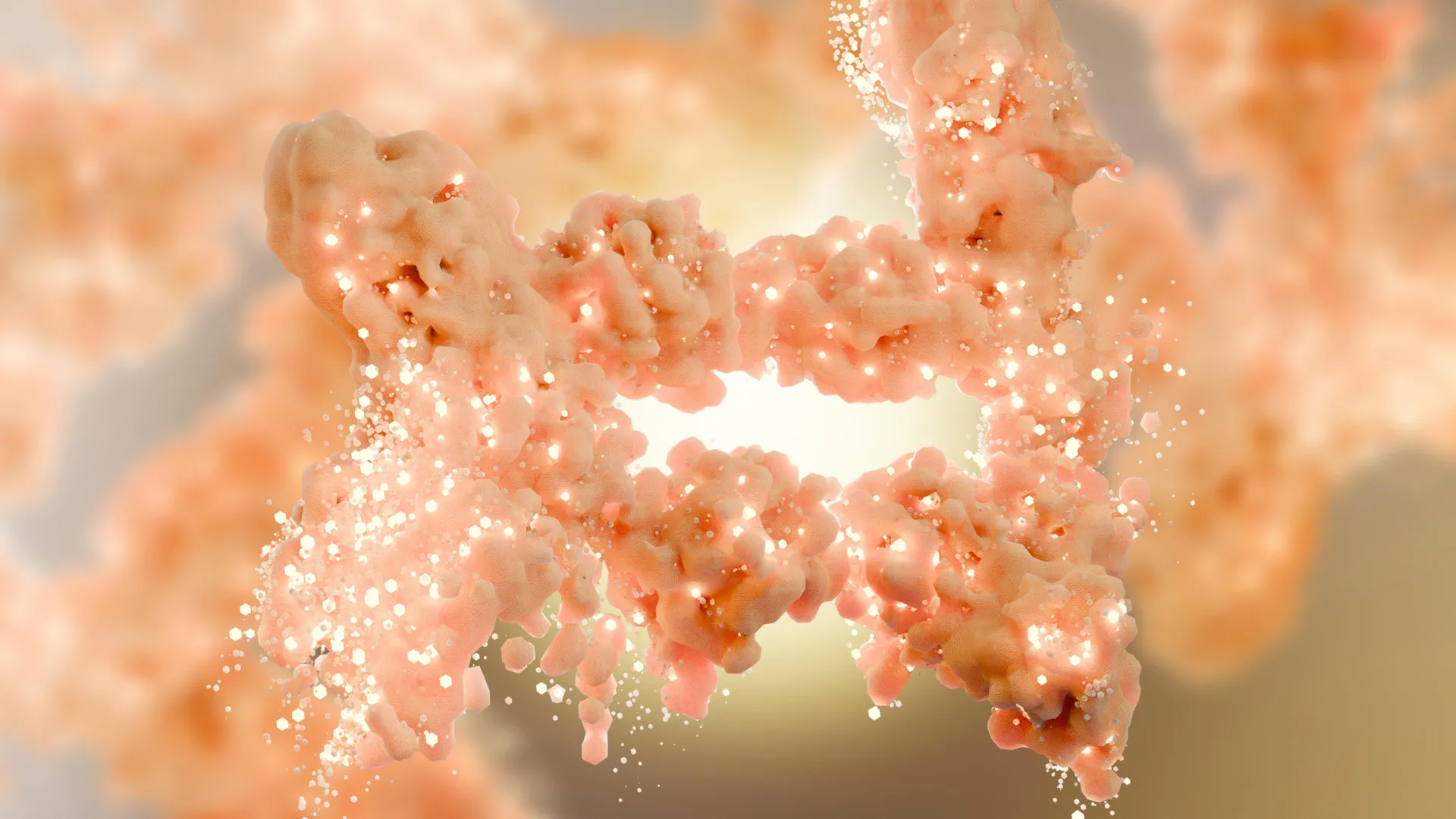
Chronic myeloid leukemia is a slow-growing cancer of the bone marrow and blood, characterized by the overproduction of white blood cells. For decades, the primary driver of CML has been identified as the "Philadelphia chromosome," a specific genetic abnormality resulting from a reciprocal translocation between chromosome 9 and chromosome 22. This event fuses a portion of the BCR (breakpoint cluster region) gene with the ABL1 (Abelson murine leukemia viral oncogene homolog 1) gene.
The resulting BCR::ABL1 fusion gene encodes a constitutively active tyrosine kinase protein. In healthy cells, tyrosine kinases act as "on-off" switches for cell growth and division. However, the BCR::ABL1 protein is permanently stuck in the "on" position, signaling the bone marrow to continuously produce abnormal granulocytes. While this mechanism has been the target of highly successful therapies like imatinib (Gleevec), the exact timeline of when this fusion first occurs and how rapidly it progresses toward symptomatic disease remained a mystery until now.
Methodology: Reconstructing Cellular Family Trees
To solve this chronological puzzle, the research team analyzed over 1,000 whole genomes of individual blood cells harvested from nine patients diagnosed with CML. The patient cohort was diverse, with ages ranging from 22 to 81 years, allowing the researchers to observe how the disease behaves across the human lifespan.
The core of the study’s methodology relied on "phylogenetic tree" construction. By identifying somatic mutations—small, harmless genetic changes that accumulate naturally in cells over time—the researchers could use these mutations as molecular clocks. Since these mutations are inherited by daughter cells, they allow scientists to map the lineage of a cancer cell back to its origin. By calculating the number of mutations that occurred before and after the BCR::ABL1 fusion, the team could estimate the exact point in the patient’s life when the first cancerous cell was created.
Findings: The Timeline and Explosive Growth Rates
The study’s results were startling in two primary ways: the duration of the "silent" phase of the cancer and the sheer speed of its eventual expansion. The phylogenetic analysis revealed that the BCR::ABL1 fusion typically occurs three to 14 years before a patient presents with symptoms or receives a diagnosis. This suggests a significant window of time where the cancer exists in a pre-clinical state.
However, once the fusion gene is established, the growth of the resulting "tumor clones" (genetically identical offspring of the original mutated cell) is remarkably aggressive. In some instances, the researchers observed annual growth rates exceeding 100,000 percent. This is an outlier in the world of oncology. Most solid tumors and even other types of blood cancers, such as myeloproliferative neoplasms, typically develop over several decades, requiring the accumulation of multiple driver mutations to achieve significant growth. In CML, a single genetic event—the BCR::ABL1 fusion—appears to be such a potent driver that it can propel a single cell into a full-blown malignancy within a decade.
The Impact of Age on Disease Progression
One of the most significant discoveries in the study is the correlation between a patient’s age and the velocity of cancer growth. The data demonstrated that younger patients often exhibit much higher rates of cancerous cell multiplication compared to older individuals. This finding challenges the general assumption that cancers in older populations are naturally more aggressive due to weakened immune systems or accumulated genetic damage.
In the context of CML, the higher growth rates in younger patients suggest that the bone marrow environment in youth may be more permissive or supportive of rapid cellular expansion. This demographic variation has profound implications for how the disease is monitored and treated in different age groups, suggesting that a "one-size-fits-all" approach to prognosis may be insufficient.
Treatment Response and the Role of Tyrosine Kinase Inhibitors
The introduction of Tyrosine Kinase Inhibitors (TKIs) in the early 2000s revolutionized CML treatment, turning what was once a fatal disease into a manageable chronic condition for many. However, approximately 20 percent of patients do not respond well to TKI therapy, and the reasons for this resistance have not always been clear.
The Sanger Institute study found a direct link between the pre-diagnostic growth rate of the cancer and the patient’s subsequent response to treatment. Patients who exhibited the fastest-growing CML clones were statistically less likely to achieve a deep molecular response when treated with TKIs. This suggests that the inherent "fitness" or aggressiveness of the cancer cells, established years before diagnosis, dictates how they will behave when challenged by medication.
Dr. Aleksandra Kamizela, a co-first author of the study and resident doctor at Lister Hospital, noted that current clinical tools, such as the RT-PCR test used to measure BCR::ABL1 levels in the blood, are excellent for monitoring treatment but do not provide a view of the underlying DNA-level dynamics. "Our findings provide a rationale to look at the rate of cancer growth more closely in future studies in order to understand if we can use such information in a clinical setting," Kamizela stated.
Analyzing the "All of Us" Cohort: Is Silent CML Possible?
To determine if individuals could carry the BCR::ABL1 mutation for long periods without ever developing leukemia, the researchers expanded their investigation to include the "All of Us" Research Program. This massive USA-based initiative provided health records and genomic data for over 200,000 participants.
The analysis of this large-scale data set revealed that the BCR::ABL1 fusion is almost always a harbinger of disease. Nearly every individual identified with the fusion gene in the database was either already diagnosed with a blood disorder or went on to develop one shortly thereafter. This confirms that the fusion gene is a "high-penetrance" mutation; unlike some genetic markers that only slightly increase cancer risk, the BCR::ABL1 fusion is a definitive starter pistol for the development of leukemia.
Expert Perspectives and Scientific Implications
The study has been hailed by the oncology community as a masterclass in "molecular archaeology." By looking backward into the life of a tumor, the researchers have highlighted how CML functions as a unique biological entity.
Dr. Jyoti Nangalia, the study’s senior author and a hematologist at the University of Cambridge, emphasized the outlier status of CML. "We have shown that chronic myeloid leukemia cells undergo incredibly rapid growth within a few years to a decade before diagnosis, whereas for most cancers, the timeline from start to clinical presentation is several decades," she explained. "This work paves the way to understanding how we might optimize treatment for those patients that currently respond poorly to treatment."
The research suggests that the "fitness advantage" provided by the BCR::ABL1 fusion is perhaps the strongest of any single mutation known in human cancer. While most cancers are the result of a "multi-hit" process—where several mutations must occur in sequence to bypass the cell’s natural defenses—CML is essentially a "single-hit" disease that achieves massive scale through the sheer potency of its primary driver.
Broader Impacts on Oncology and Future Research
The implications of this study extend beyond the treatment of leukemia. The success of using phylogenetic trees to map the history of a single-mutation cancer provides a blueprint for studying other malignancies. If researchers can identify the "growth signatures" of different cancers, they may be able to develop more personalized treatment plans.
For CML specifically, the findings suggest that measuring the growth rate of the leukemia at the time of diagnosis could become a standard prognostic tool. If a clinician knows that a patient’s cancer has an exceptionally high growth rate, they might opt for more aggressive second-generation TKIs immediately, rather than starting with standard first-line therapies.
Furthermore, the discovery of the 3-to-14-year pre-clinical window opens the door to discussions about early detection. While universal screening for BCR::ABL1 is not currently practical or cost-effective, identifying high-risk individuals through genetic monitoring could potentially allow for intervention before the "explosive growth" phase begins.
In conclusion, the Wellcome Sanger Institute’s research has dismantled the long-held view of CML as a slowly evolving disease. By proving that the cancer is a result of a decade-long silent build-up followed by a period of unprecedented expansion, the study provides a new biological framework for understanding leukemia. As the medical community moves toward an era of precision medicine, these insights into the temporal and evolutionary dynamics of cancer cells will be vital in improving outcomes for the 20 percent of patients who still face challenges with current therapeutic standards.