

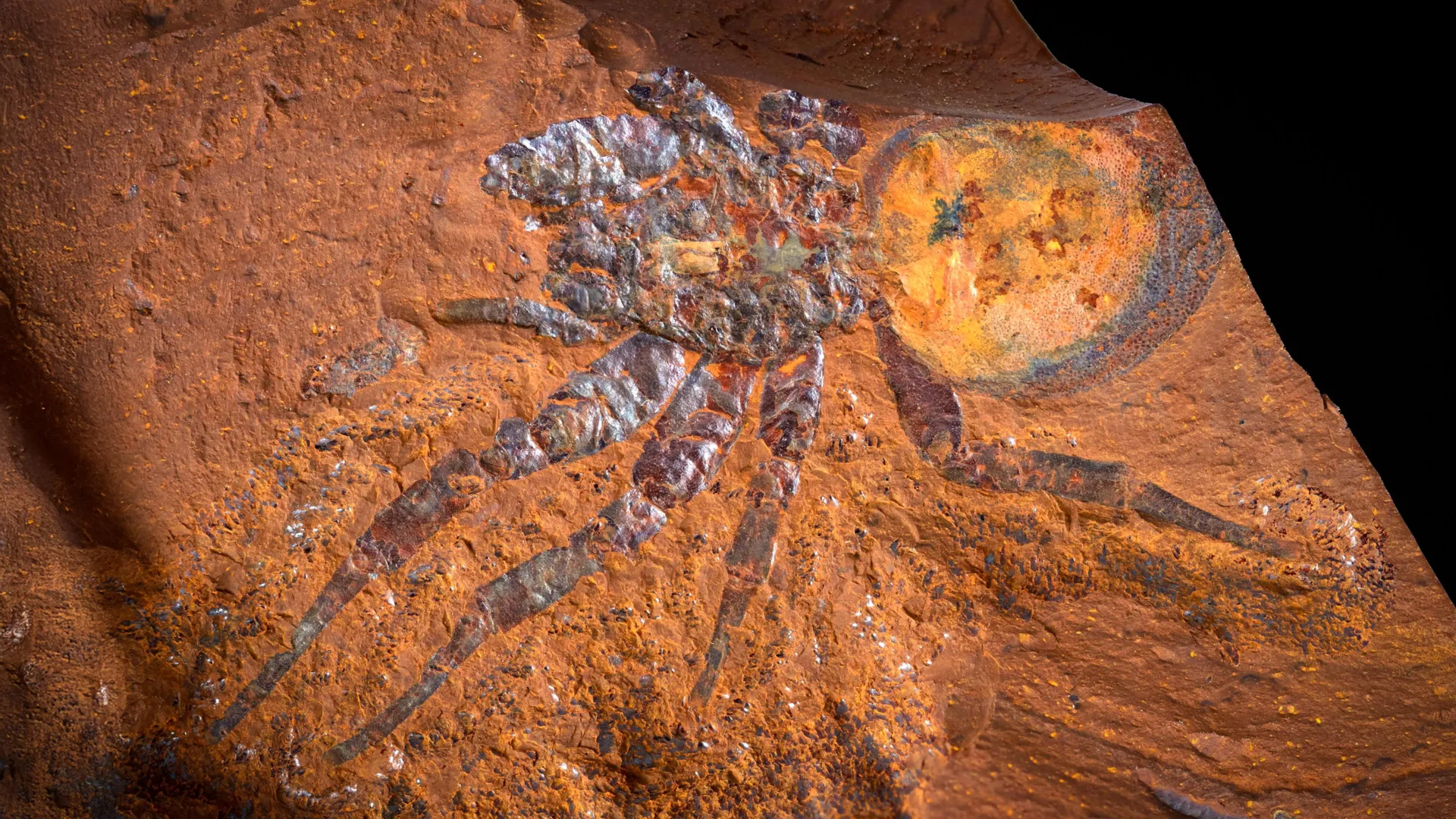
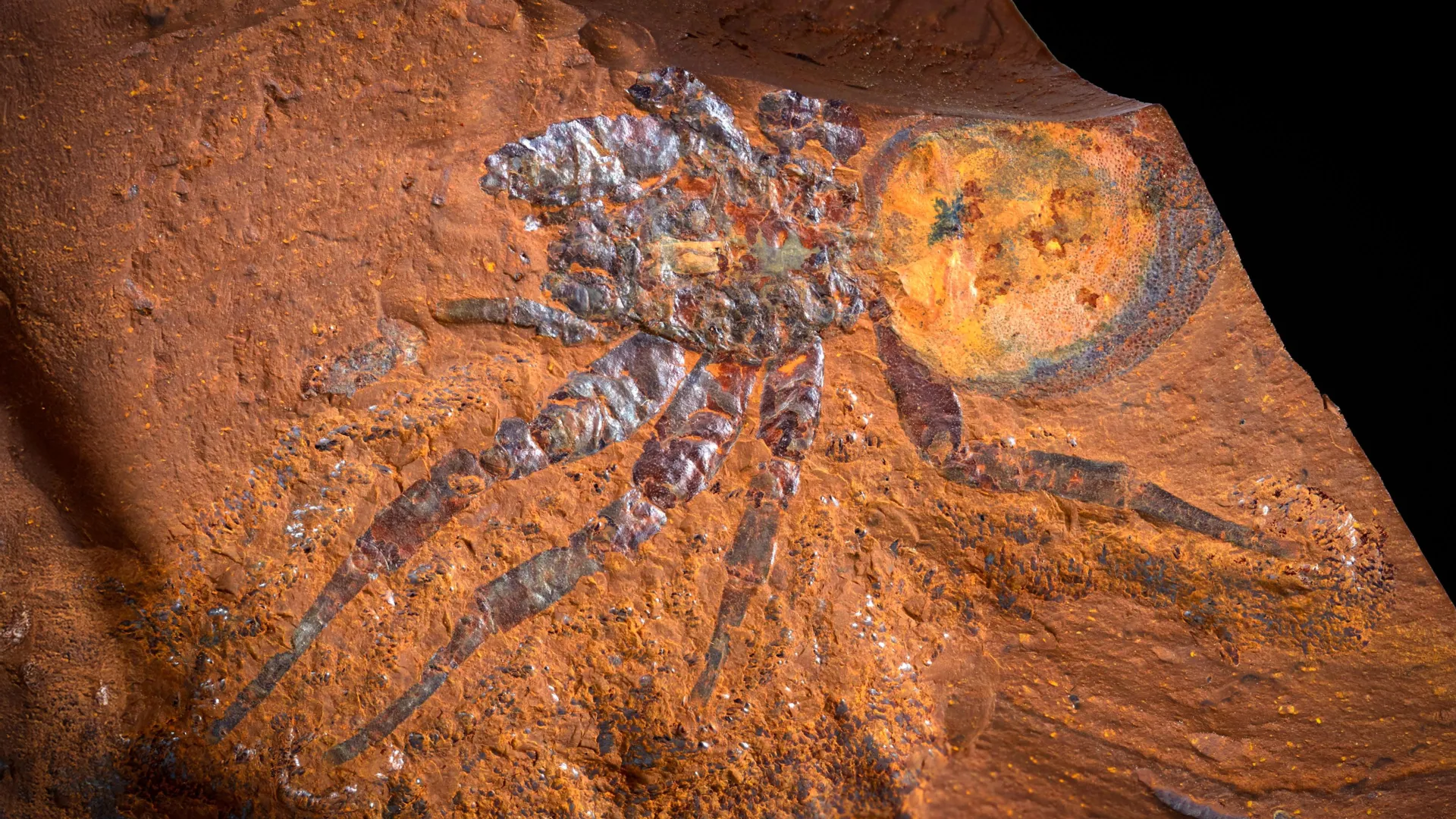
Deep beneath the rolling farmlands of New South Wales’ central tablelands lies a geological marvel that is fundamentally altering our understanding of fossil preservation: McGraths Flat. This extraordinary site, dating back an estimated 11 to 16 million years to the Miocene epoch – a pivotal period when many of Earth’s modern flora and fauna began to emerge – has yielded an unprecedented collection of fossils, captured with astonishing clarity in an unlikely medium: iron-rich rock.
Researchers from the Australian Museum Research Institute have unearthed a treasure trove of ancient life at McGraths Flat, a location that stands in stark contrast to its current arid and dusty landscape. Millions of years ago, this region was a vibrant, humid rainforest, teeming with diverse life. The fossils preserved here offer an unparalleled window into this lost ecosystem, providing scientists with an exceptionally detailed glimpse into the intricate tapestry of life as it existed in Australia during the Miocene.
What sets McGraths Flat apart is not just the abundance of fossils, but the remarkable nature of their preservation. The geological strata at this site are characterized by their distinctive deep red hue, a visual testament to their composition. These rocks are not the conventional shales, sandstones, or limestones typically associated with exceptional fossil preservation. Instead, they are primarily composed of goethite, a finely-grained, iron-rich mineral. This ubiquitous iron has acted as a natural preservative, encasing and protecting a wide array of ancient organisms, including delicate plants, insects, spiders, fish, and even feathers, with an almost microscopic level of detail.
A recent groundbreaking study, published in the esteemed journal Gondwana Research, further underscores the significance of the McGraths Flat discoveries. This research not only highlights the exceptional nature of the fossils but also actively challenges long-held scientific assumptions about where and under what conditions such extraordinarily preserved fossils can form. For decades, the scientific community has largely believed that exceptional fossil preservation, particularly of soft tissues, was predominantly confined to specific geological environments and rock types. McGraths Flat is now forcing a radical re-evaluation of these paradigms.
Rethinking the Pillars of Fossil Preservation
Traditionally, paleontologists have looked to a select group of rock types for the most informative fossil finds. Shale, formed from compacted mud and clay, has proven to be a prime candidate, trapping organisms rapidly and preventing decomposition. Sandstone, formed from cemented sand grains, and limestone, primarily composed of calcium carbonate, have also yielded invaluable fossil records. Volcanic ash, with its ability to quickly engulf and entomb life, has similarly provided crucial insights into ancient ecosystems.
These environments facilitate rapid burial in fine-grained sediments, a critical factor in the preservation of not only the hard skeletal elements of organisms but also their more ephemeral soft tissues. The results of such preservation are evident in globally renowned fossil sites. Germany’s Messel Pit, a UNESCO World Heritage site dating back approximately 47 million years to the Eocene epoch, is celebrated for its exquisite preservation of mammals, birds, and reptiles, often retaining details such as feathers, fur, and even the impressions of skin. Similarly, Canada’s Burgess Shale, a Cambrian period fossil site around 500 million years old, has provided unparalleled insights into the earliest forms of complex animal life, preserving soft-bodied organisms that would otherwise have left no trace.
However, iron-rich rocks have historically been largely overlooked as potential sites for exceptionally preserved fossils, especially for terrestrial (land-based) plants and animals. This perception stems, in part, from the association of iron-rich sedimentary rocks with ancient geological formations such as banded iron formations. These massive deposits, formed billions of years ago in oxygen-depleted oceans, predate the evolution of complex multicellular life and offer a different kind of geological record. More recently, iron is often recognized as a product of weathering processes. On the Earth’s surface, exposed iron readily oxidizes, forming the familiar "rust" that characterizes many arid and semi-arid landscapes, including Australia’s vast red outback. While these landscapes can preserve geological features and some fossilized remains over immense timescales, they are not typically associated with the fine-grained preservation of delicate soft tissues.
The discoveries at McGraths Flat directly contradict these established notions, presenting a compelling case for iron-rich environments as potent agents of exceptional fossil preservation.
Unveiling Cellular Detail in an Iron Matrix
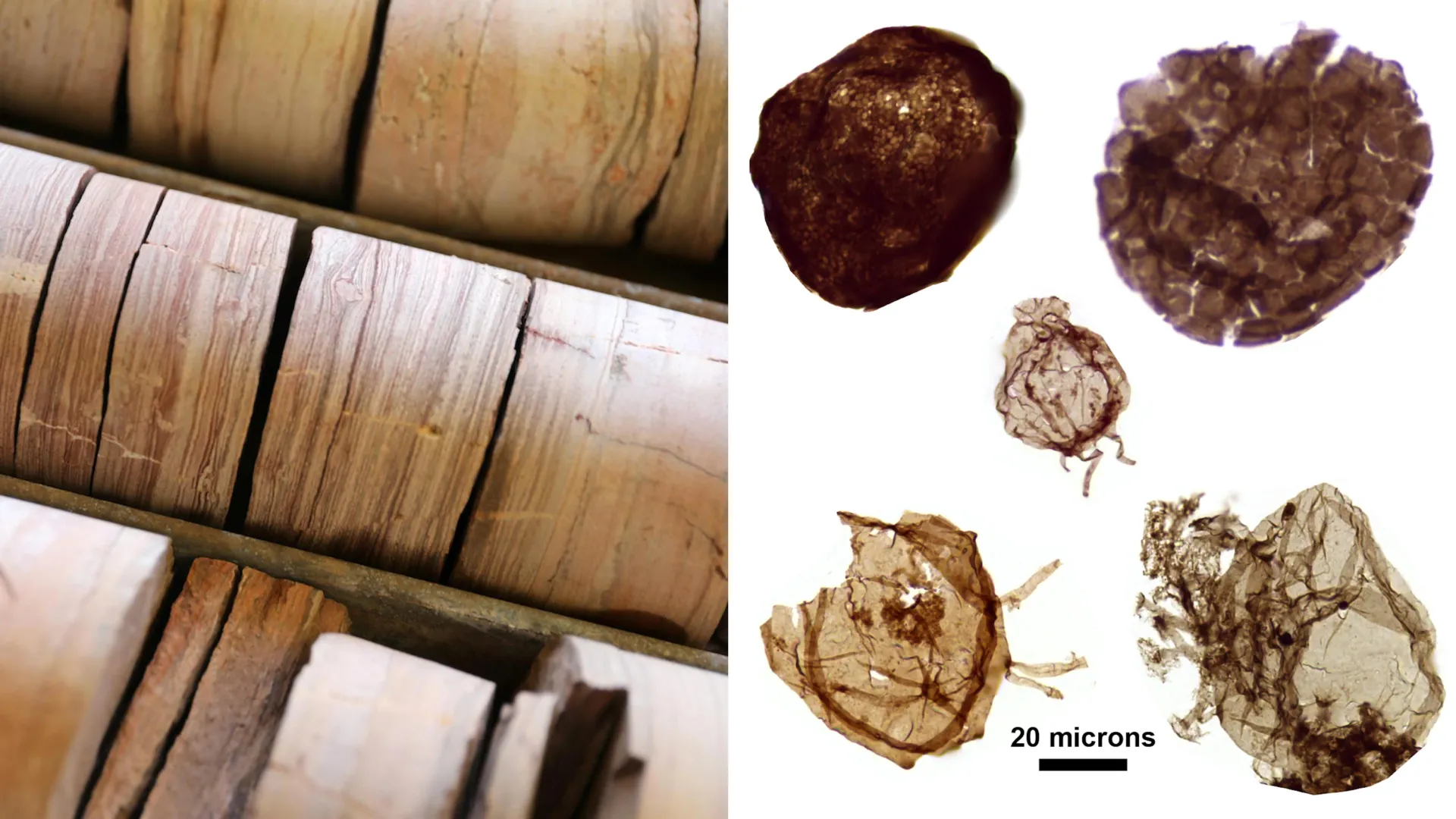
The rock matrix at McGraths Flat is a unique material known as ferricrete. This is a type of duricrust, a hardened layer of soil or rock, formed by the cementation of soil particles by iron and aluminum oxides. In essence, the ferricrete at McGraths Flat acts as a natural, finely-grained cement, composed of microscopic iron-oxyhydroxide particles. Each of these particles measures a mere 0.005 millimeters in diameter.
The process by which these microscopic iron particles achieve such remarkable preservation is central to the scientific intrigue of McGraths Flat. When organisms died and were subsequently buried within this iron-rich environment, these incredibly fine particles permeated and filled their cellular structures. This pervasive infiltration by the iron matrix effectively encased and stabilized the delicate organic materials, preventing their decay and preserving them with astonishing fidelity. This mechanism allowed for the preservation of soft tissues in a level of detail that rivals, and in some cases surpasses, that found at world-renowned fossil sites in more traditional rock types.
Fossil sites that capture evidence of terrestrial ecosystems are inherently rare. Those that manage to preserve the soft tissues of land-dwelling organisms are even more exceptional. McGraths Flat stands out as a truly remarkable anomaly because it preserves features that are seldom, if ever, seen in other fossiliferous deposits. Scientists have identified incredibly fine structures, such as pigment cells within the eyes of ancient fish, the intricate internal organs of both insects and fish, and even the delicate sensory hairs and nerve cells of spiders. The resolution of these preserved features is so high that they offer insights into the microanatomy of these ancient creatures, providing a level of detail previously unimaginable for terrestrial organisms of this age.
The Genesis of a Unique Fossil Repository
The recent study published in Gondwana Research has also shed significant light on the geological processes that led to the formation of this unique fossil site. By unraveling this formation history, researchers are gaining valuable clues that could help in the identification of similar fossil-rich ironstone deposits elsewhere in the world.
During the Miocene epoch, the region where McGraths Flat is now located experienced a vastly different climate. It was characterized by warm and humid rainforest conditions. Beneath this verdant landscape, geological processes were at play that would ultimately lead to the creation of the fossil site. Iron, released from the weathering of underlying basaltic rocks, was mobilized and transported underground by acidic groundwater.
This dissolved iron, carried through subterranean channels, eventually found its way into a paleo-river system. Crucially, this river system contained an oxbow lake – a crescent-shaped lake formed when a meander of a river is cut off from the main channel. It was within the calm, sediment-rich waters of this oxbow lake that the dissolved iron began to precipitate out of solution, forming extremely fine iron-oxyhydroxide sediments. These microscopic iron particles then rapidly coated and infiltrated any organic material that settled on the lake floor, including the remains of plants, insects, spiders, and fish. This rapid and pervasive coating by the fine iron particles was the key to the exceptional preservation of soft tissues at a microscopic level.
A New Frontier for Discovering Exceptional Fossils
The detailed understanding of how McGraths Flat formed provides a powerful new framework for identifying other iron-rich fossil sites globally. The research team proposes a set of criteria for geologists and paleontologists to consider when searching for similar deposits. These criteria include:
- Presence of Fine-Grained, Layered Ferricrete: The key is the presence of ferricrete that is exceptionally fine-grained and exhibits clear layering, indicating a depositional environment where fine particles could accumulate and cement.
- Evidence of Ancient Rainforest or Wetland Environments: Fossil sites are more likely to form in areas that were historically characterized by abundant vegetation and water, providing the organic matter necessary for fossilization.
- Proximity to Iron-Rich Parent Rocks and Acidic Groundwater: The geological history of the area must include sources of iron (like basalt) and conditions that facilitate its dissolution and transport (acidic groundwater).
- Presence of Paleo-River Systems and Still Water Bodies: Features like ancient river channels, oxbow lakes, or other low-energy aquatic environments are crucial for the deposition and burial of organic remains.
The discoveries at McGraths Flat represent a significant paradigm shift in paleontology. They demonstrate that exceptional fossil preservation is not solely the domain of conventional sedimentary rocks. Instead, iron-rich deposits, previously underestimated in their fossilization potential, can yield equally, if not more, detailed records of ancient life. This broadens the scope of where and how scientists can search for crucial evidence of past ecosystems and evolutionary history.
Implications for Future Paleontological Research
The implications of the McGraths Flat discoveries extend far beyond the identification of a new fossil site. They signal a potential renaissance in the study of ancient terrestrial life. For decades, the focus of exceptionally preserved fossil sites has largely been on marine or lacustrine (lake) environments, or on sites dominated by volcanic ash. McGraths Flat proves that terrestrial environments, when subjected to the right geological conditions, can preserve organic material with astonishing fidelity.
This means that future breakthroughs in understanding the evolution of land-based plants, insects, and vertebrates may not be confined to the traditional rock types that have dominated paleontological research. Instead, the keys to unlocking deeper insights into ancient terrestrial life might be found hidden beneath the surface, within the unassuming, iron-rich geological formations that have, until now, been largely overlooked. The continued exploration and study of sites like McGraths Flat promise to rewrite chapters of Earth’s history and provide an even richer, more detailed narrative of the life that once inhabited our planet.
The authors of the study formally acknowledge the traditional custodians of the land and waterways on which McGraths Flat is located, recognizing the deep and enduring connection of the Wiradjuri Nation people to this ancient landscape.



















Leave a Reply