


The landscape of hematological research and regenerative medicine has been significantly altered by a team of scientists at the Indiana University School of Medicine, who have successfully pioneered a sophisticated imaging methodology designed to unlock the mysteries of bone marrow. By leveraging cutting-edge multiplex imaging technology, the researchers have overcome long-standing physical and technical barriers that previously hindered the detailed study of this critical tissue. This advancement, detailed in a recent publication in the journal Leukemia, promises to accelerate the development of targeted therapies for a spectrum of debilitating conditions, including leukemia, various cancers, autoimmune diseases, and complex musculoskeletal disorders.
Bone marrow has historically been one of the most challenging tissues to study in situ. It exists as a delicate, gelatinous substance sequestered within the rigid, calcified structure of the bone. This unique "tissue-within-a-tissue" architecture has traditionally forced researchers to choose between high-resolution snapshots of isolated cells or low-resolution overviews of the intact structure. The IU School of Medicine team, led by co-lead author Sonali Karnik, PhD, and co-senior author Reuben Kapur, PhD, has effectively bridged this gap, providing a comprehensive, high-definition view of the bone marrow’s internal environment without disrupting its spatial integrity.
The Technological Leap: From Three Markers to Twenty-Five
The cornerstone of this breakthrough is the integration of the Phenocycler 2.0, a high-parameter multiplex imaging platform. For decades, the gold standard for tissue analysis relied on techniques such as flow cytometry and standard immunofluorescence imaging. While these tools provided valuable data, they were plagued by inherent limitations that restricted the depth of scientific inquiry.
Flow cytometry, for instance, requires the complete dissociation of tissue into a single-cell suspension. While this allows for the precise quantification of cell populations, it destroys the spatial context—the "neighborhood" in which cells live and interact. In the study of cancer, understanding how a tumor cell interacts with its immediate surroundings (the microenvironment) is often as important as studying the cell itself. Standard fluorescence imaging, while preserving tissue structure, is typically limited by the visible light spectrum, allowing researchers to visualize only three to four cellular markers simultaneously before the signals overlap and become indistinguishable.
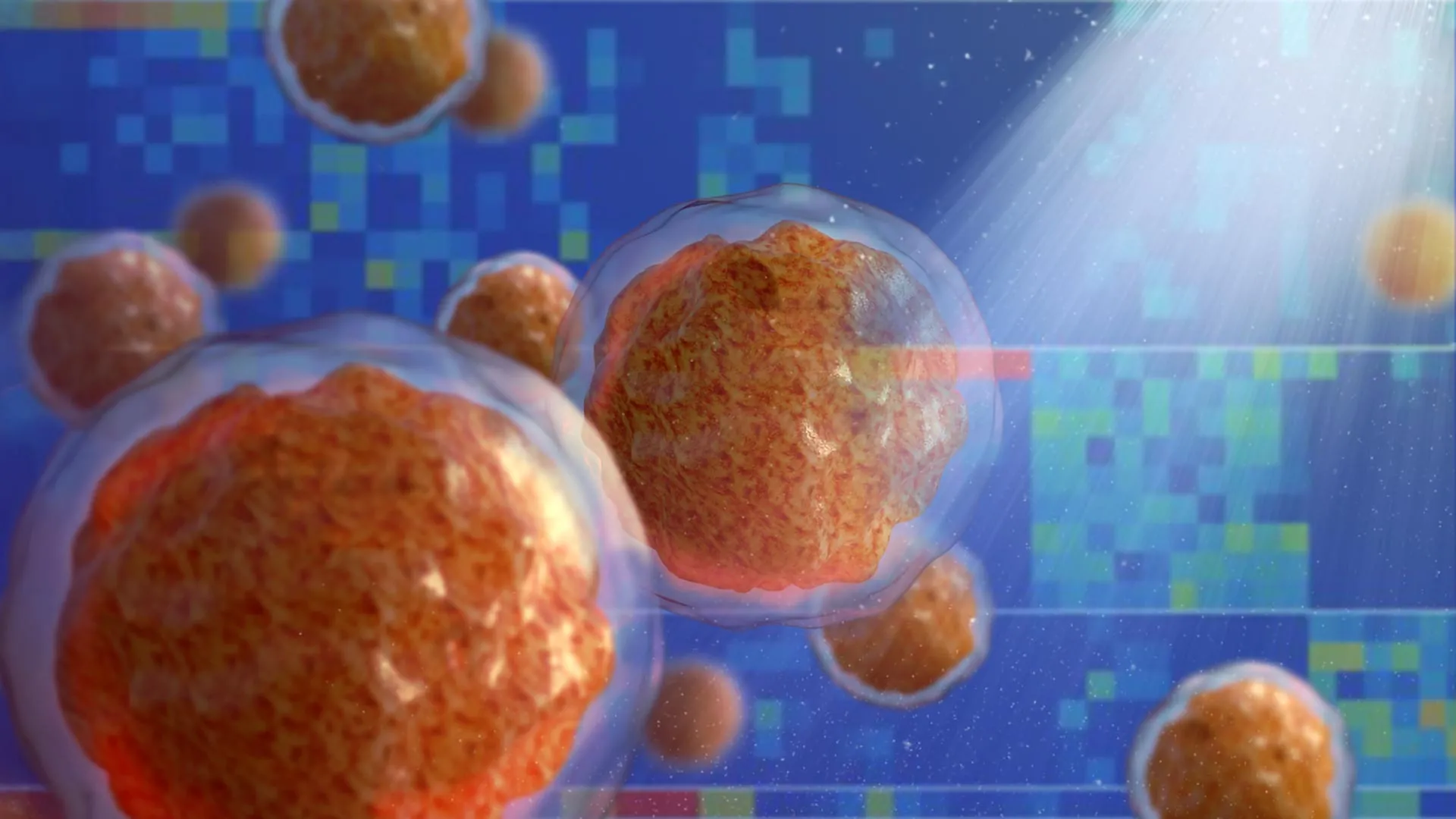
The IU team’s application of Phenocycler 2.0 technology has shattered these constraints. By utilizing a sophisticated cyclical staining and imaging process, the researchers successfully visualized 25 distinct cellular markers within a single, intact slice of mouse bone marrow. This tenfold increase in data density allows for the identification of various cell types—such as hematopoietic stem cells, myeloid progenitors, and various immune cells—while simultaneously mapping their precise locations relative to one another and the bone surface.
Historical Context and the Challenge of Bone Marrow Architecture
To appreciate the magnitude of this achievement, one must consider the historical difficulty of imaging the skeletal system. The marrow is the body’s primary "blood factory," responsible for hematopoiesis—the continuous production of red blood cells, white blood cells, and platelets. It also serves as a reservoir for mesenchymal stem cells, which can differentiate into bone, cartilage, and fat.
Despite its importance, the marrow’s location inside the medullary cavity of bones makes it nearly inaccessible to non-invasive imaging at a cellular level. In mouse models, which are the workhorses of preclinical medical research, the small scale of the bones further complicates the process. Previous attempts to use multiplex imaging tools had been successful in "soft" organs like the spleen, liver, and kidneys, but the IU Cooperative Center of Excellence in Hematology (CCEH) team is the first to successfully adapt and optimize these protocols for the rigid environment of the mouse femur and tibia.
The development of this technique required meticulous optimization of tissue preparation. The team had to develop specific protocols to decalcify the bone without damaging the fragile proteins and cellular markers within the marrow, a delicate balancing act that has stymied previous research efforts.
Chronology of the Research and Developmental Milestones
The journey toward this breakthrough followed a rigorous multi-year timeline of experimentation and validation:
- Conceptualization (2021-2022): The team identified the "spatial data gap" in bone marrow research. While single-cell RNA sequencing provided genetic data, the lack of spatial mapping in the marrow niche remained a critical hurdle for understanding disease progression.
- Technology Acquisition and Calibration: Working through the IU School of Medicine’s core facilities, the researchers began adapting the Phenocycler 2.0 system. Initial tests focused on ensuring that the antibodies used for marking cells could penetrate the unique matrix of the bone marrow.
- Optimization Phase (Late 2022): The researchers spent months refining the fixation and sectioning processes. Because bone marrow is gelatinous, maintaining its structural integrity during the thin-slicing required for microscopy was a significant engineering challenge.
- Validation and Data Collection (2023): The team successfully demonstrated the ability to detect 25 markers. They validated these results against traditional flow cytometry data to ensure that the multiplex imaging was providing accurate population counts while adding the missing spatial component.
- Publication and Patent Filing (2024): The findings were peer-reviewed and published in Leukemia, a leading journal in the field. Simultaneously, the IU Innovation and Commercialization Office moved to protect the methodology by filing a provisional patent, recognizing its potential for widespread use in the pharmaceutical industry.
Supporting Data: Enhancing the Precision of Disease Modeling
The data generated by this 25-marker panel offers a level of granularity previously unavailable to hematologists. In their study, the researchers were able to identify specific "niches"—micro-environments where stem cells reside—and observe how these niches change in response to stimuli.
In a typical study of leukemia, researchers might look for the presence of malignant blasts. With the new IU technique, they can now see exactly where those blasts are clustering, which healthy cells they are displacing, and how the surrounding vascular and nerve networks are being remodeled by the cancer. This "spatial proteomics" approach is vital because many modern drugs are designed to disrupt these specific cellular interactions.
Furthermore, the ability to use mouse models with this technique is a significant advantage. Mouse models are the standard for testing drug efficacy and safety before human trials. By providing a more detailed look at how a drug affects the bone marrow in a mouse, researchers can better predict its impact on human patients, potentially reducing the failure rate of clinical trials.
Official Responses and Institutional Impact
The leadership at the IU School of Medicine has highlighted the collaborative nature of this achievement. Dr. Reuben Kapur, who serves as the director of the Herman B Wells Center for Pediatric Research, emphasized the translational potential of the work.
"Because mouse models are widely used to study human diseases, this technique offers a promising new method for investigating a range of conditions like autoimmune diseases, leukemia and other disorders involving bone marrow," Kapur stated. He noted that the ability to see the "entire landscape" of the marrow allows scientists to ask questions they previously didn’t have the tools to answer.
Dr. Sonali Karnik, the study’s co-lead author, pointed out the practical utility for the broader scientific community. "Our unique imaging approach offers a useful tool for a variety of research applications," she said, noting that the gelatinous nature of the tissue had long been a deterrent for many labs. By proving that high-parameter imaging is possible in this environment, IU has set a new standard for hematological pathology.
The research was supported by the National Institutes of Health (NIH), reflecting the federal government’s interest in advancing spatial biology as a pillar of 21st-century medicine.
Broader Implications for Oncology and Beyond
The implications of this breakthrough extend far beyond the walls of Indiana University. In the realm of oncology, the "tumor microenvironment" has become a focal point of research. It is now understood that a tumor’s surroundings can provide a sanctuary from chemotherapy or immunotherapy. By mapping the bone marrow in such high detail, scientists can identify the "hiding spots" of dormant cancer cells that often lead to relapse in leukemia patients.
In the field of autoimmune research, the technique could be used to study how rogue immune cells are produced and "educated" within the bone marrow before they go on to attack the body’s own tissues. For musculoskeletal disorders, such as osteoporosis or age-related bone loss, the ability to visualize the interplay between bone-building osteoblasts and bone-resorbing osteoclasts alongside the marrow’s blood-forming cells provides a holistic view of skeletal health.
Future Directions: Expanding the Visual Map
The IU research team is not resting on its current success. The next phase of their work involves expanding the marker panel even further. While 25 markers represent a current record for this tissue type, the researchers aim to include additional features such as nerves, blood vessels, and specialized signaling molecules.
The goal is to create a "Google Maps" of the bone marrow, where researchers can zoom in to see individual protein expressions on a single cell or zoom out to see how different systems—nervous, circulatory, and immune—interact within the bone. This expanded panel will likely include markers for muscle and bone-specific proteins, allowing for a comprehensive study of the "musculoskeletal-hematopoietic axis."
As the IU Innovation and Commercialization Office moves forward with the patent process, there is also the potential for this methodology to be licensed to pharmaceutical companies. Such a move could standardize the way bone marrow toxicity is tested during drug development, leading to safer and more effective medications for the public.
The successful application of Phenocycler 2.0 to mouse bone marrow marks a pivotal moment in spatial biology. By turning the "black box" of the bone marrow into a transparent and highly detailed map, the scientists at Indiana University have provided the global medical community with a powerful new lens through which to view, understand, and ultimately treat some of the most complex diseases of the human body.











Leave a Reply