

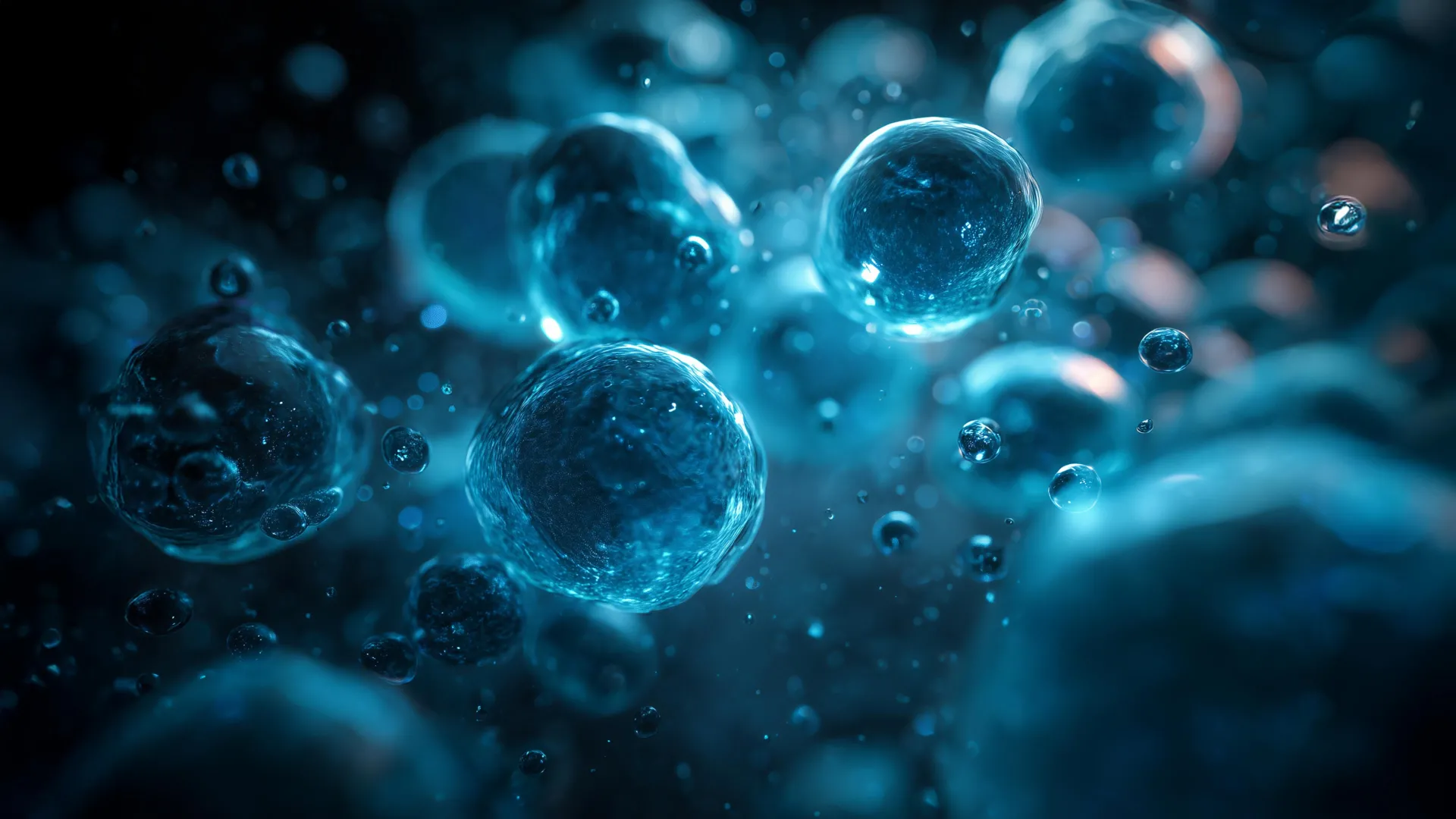
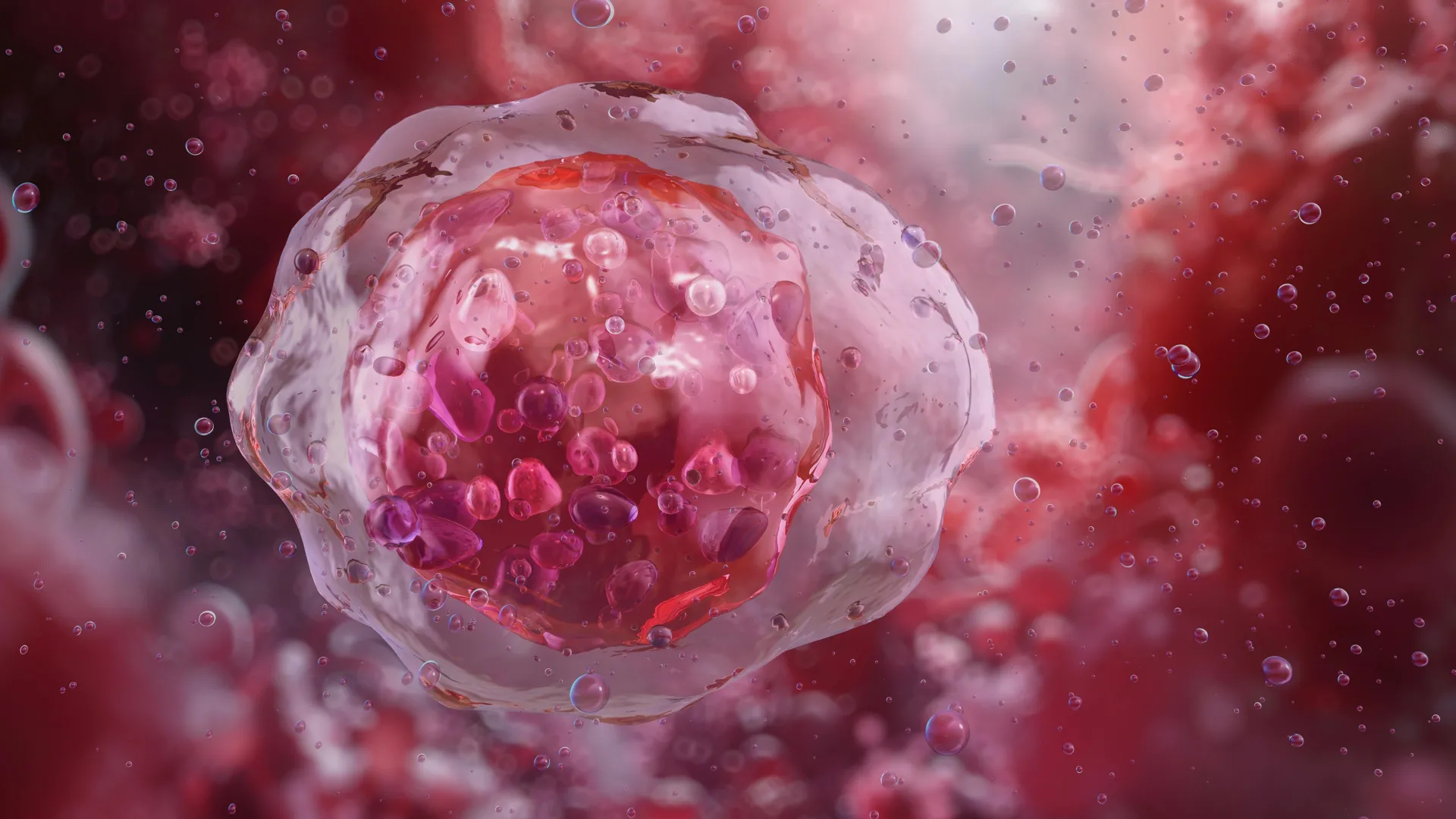
Modern cells stand as marvels of biological engineering, complex systems brimming with internal scaffolding, meticulously regulated chemical pathways, and sophisticated genetic blueprints that orchestrate nearly every cellular function. This intricate architecture empowers them to thrive in diverse environments and engage in fierce competition based on their inherent fitness. In stark contrast, the earliest precursors to cellular life were remarkably rudimentary. These primitive compartments, essentially nascent bubbles formed by lipid membranes enclosing basic organic molecules, laid the foundational groundwork for the cellular complexity we observe today. Unraveling the enigmatic journey from these simple protocells to the sophisticated entities that populate our planet remains a paramount objective in the field of origin-of-life research.
A groundbreaking study, spearheaded by researchers at the Earth-Life Science Institute (ELSI) at the Tokyo Institute of Technology, has shed new light on the potential behaviors of these early structures on ancient Earth. Rather than positing a singular, definitive pathway for abiogenesis, the research team adopted an experimental approach, meticulously simulating realistic environmental conditions. Their investigation focused on how variations in membrane composition influence critical protocell behaviors, including growth, fusion, and the crucial ability to retain essential molecules during periods of freeze and thaw.
Genesis of Model Protocells: A Deep Dive into Lipid Composition
To meticulously explore these dynamics, the ELSI team engineered small, spherical compartments known as large unilamellar vesicles (LUVs). These artificial protocells were constructed using three distinct types of phospholipids: POPC (1-palmitoyl-2-oleoyl-glycero-3-phosphocholine), PLPC (1-palmitoyl-2-linoleoyl-sn-glycero-3-phosphocholine), and DOPC (1,2-di-oleoyl-sn-glycero-3-phosphocholine).
"We selected phosphatidylcholine (PC) as our primary membrane components," explained Tatsuya Shinoda, a doctoral student at ELSI and the lead author of the study. "This choice was motivated by their chemical structural continuity with the membranes of modern cells, their potential availability under plausible prebiotic conditions, and their inherent capacity for retaining essential internal contents."
While all three chosen phospholipids belong to the phosphatidylcholine family and share a common head group, their acyl chain structures exhibit subtle yet significant differences. POPC features one unsaturated acyl chain with a single double bond. PLPC also possesses one unsaturated acyl chain, but this chain contains two double bonds. DOPC, on the other hand, is characterized by two unsaturated acyl chains, each bearing a single double bond. These structural variations profoundly influence how the lipid molecules pack together within the membrane. POPC, with its more saturated chains, tends to form more rigid and ordered membrane structures. Conversely, PLPC and DOPC, with their greater degree of unsaturation, yield more fluid and disordered membranes.
The Catalytic Power of Freeze-Thaw Cycles: Driving Growth and Fusion
The researchers subjected these meticulously crafted vesicles to repeated cycles of freezing and thawing (F/T), a process designed to mimic the fluctuating temperature regimes that likely characterized early Earth. After undergoing three such cycles, distinct behavioral patterns emerged among the different vesicle populations.
Vesicles predominantly composed of POPC exhibited a tendency to cluster together. However, these clusters did not undergo complete merging, remaining as discrete, though closely aggregated, entities. In striking contrast, vesicles incorporating PLPC or DOPC demonstrated a pronounced propensity for fusion, coalescing into larger, more substantial compartments. The study further revealed a dose-dependent relationship: the higher the concentration of PLPC within the membrane, the greater the likelihood of vesicle fusion and subsequent growth.
This observed phenomenon underscores the critical role of membrane chemistry in dictating protocell behavior. Lipids with a higher number of unsaturated bonds, leading to less tightly packed membrane structures, appear to facilitate the fusion process. "Under the physical stresses imposed by ice crystal formation, cellular membranes can experience destabilization or fragmentation, necessitating a period of structural reorganization upon thawing," remarked Natsumi Noda, a researcher at ELSI and co-author of the study. "The loosely packed lateral organization, a consequence of a higher degree of unsaturation in the lipids, may expose more hydrophobic regions during membrane reconstruction. This increased exposure can then promote interactions between adjacent vesicles, making fusion an energetically favorable outcome."
Orchestrating Molecular Exchange: The Retention of Genetic Material
The ability of protocells to fuse and merge their contents is of paramount importance. In the primordial soup of early Earth, where essential organic molecules were likely dispersed and scarce, the mixing of contents within protocells could have brought together critical precursor molecules, thereby fostering the complex chemical reactions necessary for the emergence of more sophisticated, cell-like systems.
Beyond growth and fusion, the ELSI team also investigated the capacity of these model protocells to capture and retain vital biomolecules, specifically focusing on DNA. They conducted comparative experiments using vesicles composed entirely of POPC against those made solely of PLPC. The results were compelling: PLPC vesicles demonstrated a superior ability to trap DNA, even before any freeze-thaw cycles were initiated. Crucially, following repeated F/T cycles, the PLPC vesicles continued to exhibit significantly higher DNA retention rates compared to their POPC counterparts. This finding suggests that membrane fluidity, driven by unsaturated lipids, plays a dual role, not only facilitating fusion but also enhancing the encapsulation of genetic material.
Icy Environments: A Plausible Cradle for the Dawn of Life
Traditionally, scientific discourse on the origin of life has often centered on terrestrial environments such as evaporating tidal pools or subterranean hydrothermal vents. However, this new research introduces a compelling argument for the significant role that icy environments may have played in the abiogenesis narrative.
On the ancient Earth, freeze-thaw cycles could have occurred repeatedly over vast geological timescales. As water transitioned into ice, the formation of ice crystals would have actively excluded dissolved molecules, concentrating them into the remaining liquid phases. This process of molecular concentration, occurring within small, confined spaces, would have dramatically increased the probability of interactions between nascent molecules and protocells. Simultaneously, membranes rich in unsaturated phospholipids, being more prone to fusion, would have facilitated the mixing of these concentrated ingredients.
However, this scenario also presents a delicate balancing act. While fluid membranes promote fusion and mixing, they can also become susceptible to instability and leakage under the mechanical stresses induced by freeze-thaw cycles. This inherent trade-off highlights a critical evolutionary pressure: the need for early protocells to strike an optimal balance between membrane stability and permeability.
Navigating the Evolutionary Tightrope: Stability, Permeability, and the Birth of Darwinian Evolution
For the earliest protocells to transition from mere chemical enclosures to entities capable of evolution, maintaining a precarious equilibrium between structural integrity and controlled permeability was essential. Membranes needed to effectively sequester their internal environments, preventing the escape of vital molecules, while simultaneously allowing for the controlled influx and efflux of substances that could drive internal chemical transformations. The most advantageous membrane compositions for early protocells were likely highly context-dependent, dictated by the specific prevailing environmental conditions.
"A process of recursive selection, where freeze-thaw induced growth of vesicles is amplified across successive generations, could potentially be realized through mechanisms like osmotic pressure or mechanical shear, which drive fission," concluded Professor Tomoaki Matsuura, a leading figure at ELSI and the principal investigator of this pivotal study. "As molecular complexity increased, the internal vesicular system, driven by gene-encoded functions, would ultimately assume control over protocellular fitness. This transition would inevitably lead to the emergence of a primordial cell capable of undergoing Darwinian evolution."
In essence, the findings from ELSI paint a vivid picture of how simple, yet powerful, physical processes such as freezing and thawing could have acted as crucial catalysts, guiding the evolutionary trajectory from rudimentary molecular compartments to the first self-replicating and evolving cellular entities. This research not only deepens our understanding of early life but also expands the scope of environments considered as potential cradles for life’s origin, suggesting that the seemingly inhospitable icy landscapes of ancient Earth may have harbored the very conditions necessary for life’s genesis. The implications of this study are far-reaching, potentially reshaping our search for extraterrestrial life by broadening the range of planetary conditions we consider as favorable for abiogenesis.









Leave a Reply