

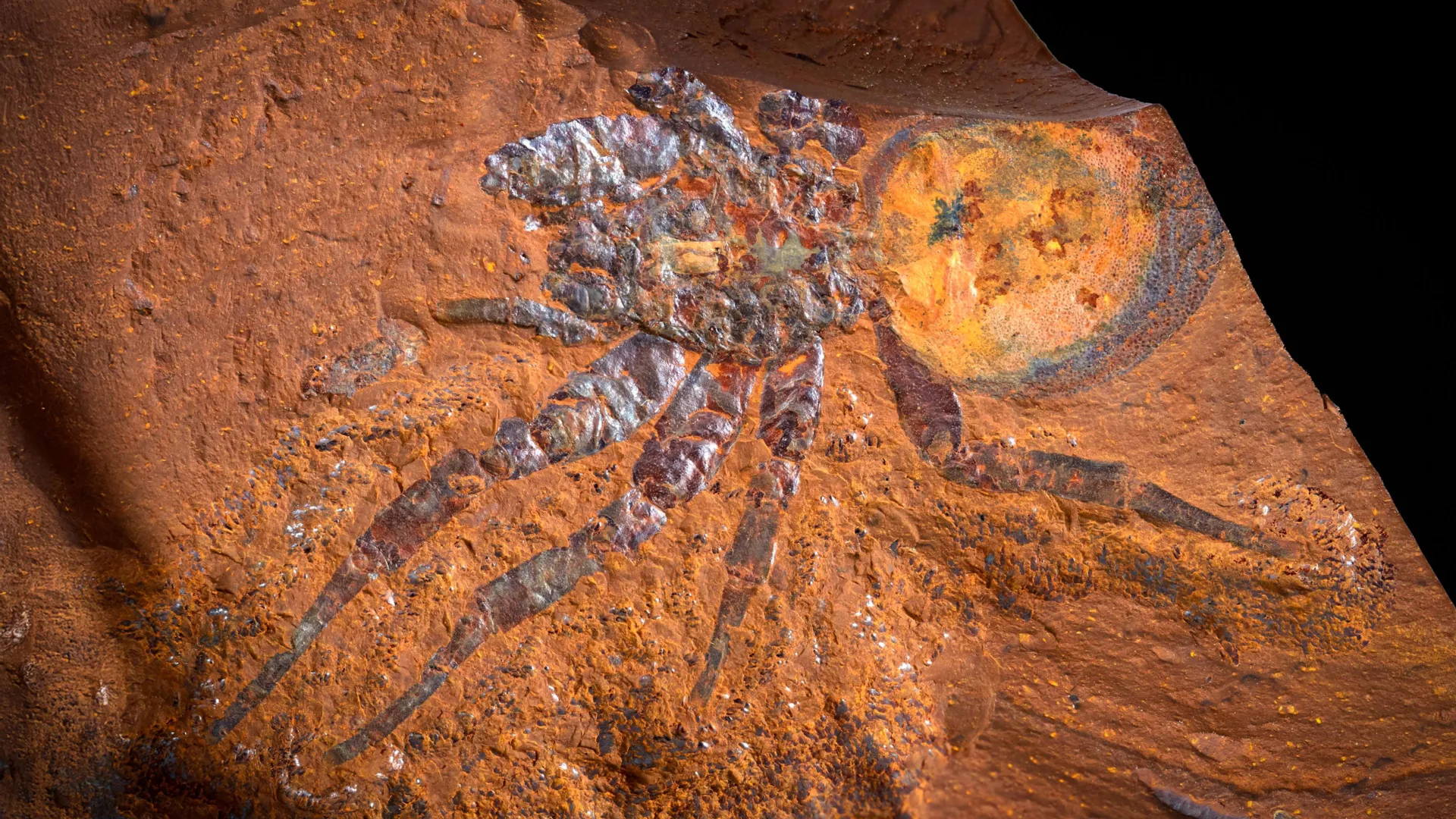
Deep beneath the undulating farmlands of New South Wales’ central tablelands lies a geological anomaly, a remarkable fossiliferous site known as McGraths Flat. This unassuming location, dating back an astonishing 11 to 16 million years to the Miocene epoch, a pivotal period in Earth’s history when many of today’s dominant plant and animal lineages began to flourish, is rewriting our understanding of fossil preservation. Researchers from the esteemed Australian Museum Research Institute have unearthed an extraordinary collection of fossils from this site, painting a vivid picture of a long-vanished ecosystem. Despite the region’s current arid and dusty character, evidence points to a once vibrant, thriving rainforest, and the fossils captured within the ancient strata offer an unparalleled window into this prehistoric world.
The geological composition of McGraths Flat is as distinctive as the life it preserves. The rocks here are characterized by a deep, striking red hue, a testament to their primary constituent: goethite, a fine-grained, iron-rich mineral. This pervasive iron has acted as an exceptional preservative, locking away remnants of ancient plants, insects, spiders, fish, and even delicate feathers with an almost unbelievable clarity. This level of preservation, particularly in terrestrial vertebrates and invertebrates, is exceptionally rare, and the fact that it is occurring within an iron-rich matrix challenges deeply entrenched assumptions within the paleontological community.
A groundbreaking study, recently published in the prestigious journal Gondwana Research, has brought these remarkable findings to the forefront, posing significant questions about the traditional paradigms of exceptional fossil preservation. For decades, the scientific consensus has largely associated such exquisite fossilization with specific geological environments and rock types, primarily those capable of rapidly burying organic material in fine, anoxic sediments.
Rethinking the Pillars of Exceptional Fossil Preservation
The conventional wisdom in paleontology dictates that the most celebrated fossil sites, those that reveal the intricate details of ancient life, are typically found within sedimentary rocks like shale, sandstone, limestone, or volcanic ash. These environments are conducive to the rapid burial of organisms, a crucial step in preventing decomposition and scavenging. This swift entombment in fine-grained sediments creates an anaerobic (oxygen-deprived) environment that significantly hinders the breakdown of soft tissues.
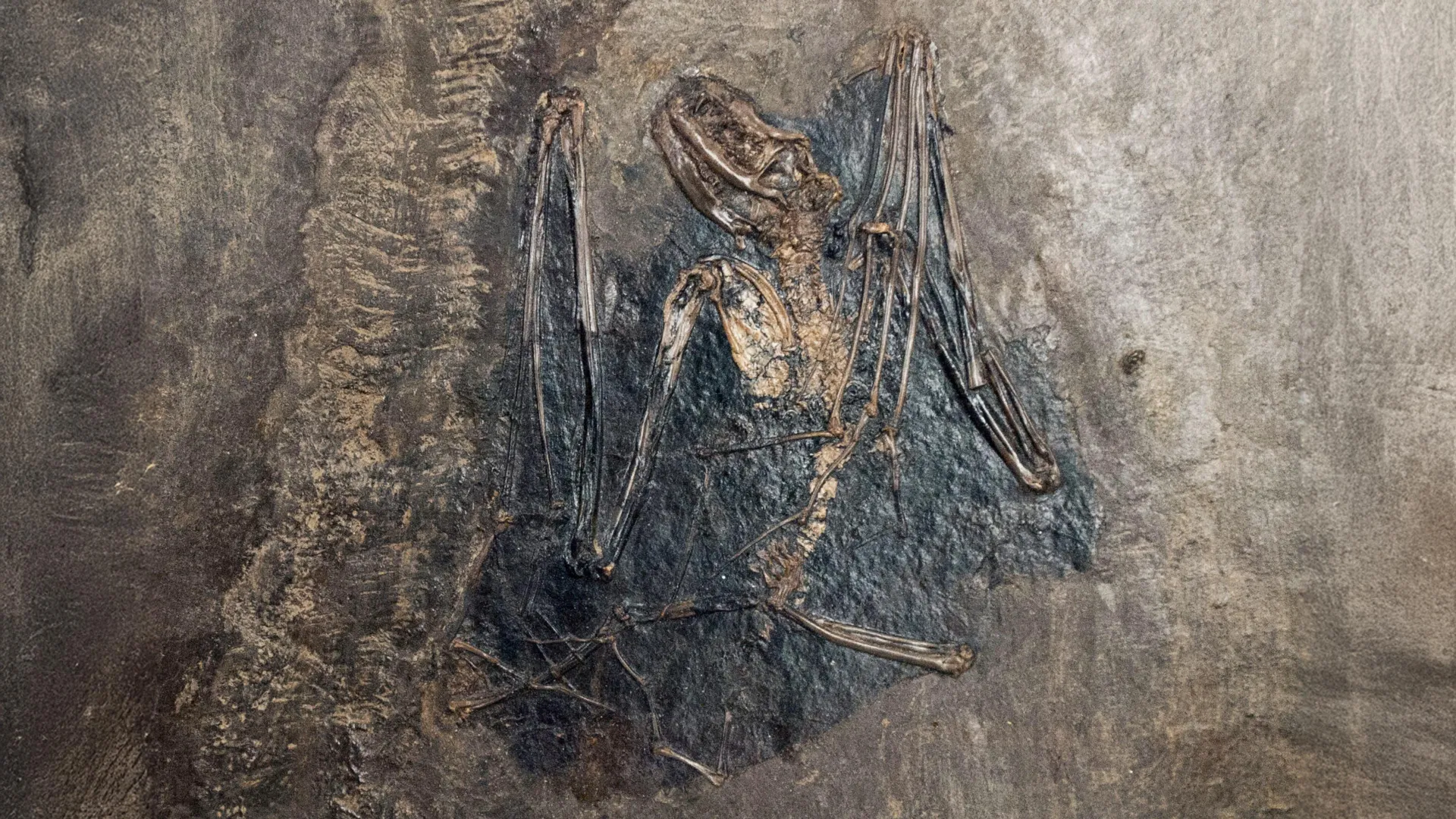
Iconic examples abound, such as Germany’s Messel Pit, a UNESCO World Heritage site renowned for its 47-million-year-old fossils that preserve astonishing details, including the iridescent hues of feathers, the texture of fur, and the delicate structure of skin. Similarly, Canada’s Burgess Shale, dating back approximately 500 million years to the Cambrian period, provides an unparalleled glimpse into the dawn of complex animal life, showcasing soft-bodied organisms that are rarely preserved. These sites, formed in environments rich in organic matter and conducive to rapid sedimentation, have long been the benchmarks for what constitutes exceptional fossil preservation.
In stark contrast, iron-rich sedimentary rocks have historically not been considered prime candidates for yielding exceptionally preserved fossils, especially for terrestrial flora and fauna. This perception is largely rooted in the study of ancient iron formations, such as banded iron formations, which are vast deposits formed in the Earth’s early oceans around 2.5 billion years ago. These ancient oceanic environments were largely devoid of oxygen, and the iron present precipitated out of solution, forming distinctive layered structures. These formations predate the evolution of complex life forms and thus do not typically yield the kind of detailed biological fossils we see at sites like McGraths Flat.
More recently, iron is often associated with surface weathering processes. On land, in the presence of oxygen, iron readily oxidizes to form rust, the ubiquitous red coloration seen across vast arid landscapes like Australia’s outback. While these weathered iron deposits can preserve geological features and sometimes trace fossils, they are not generally known for preserving delicate biological structures at a cellular level. The discoveries at McGraths Flat, therefore, represent a significant departure from these long-held expectations, forcing a re-evaluation of the geological conditions necessary for exceptional fossilization.
The Goethite Enigma: Cellular-Level Preservation in Iron
The geological material forming the bedrock of McGraths Flat is a type of ferricrete, a naturally cemented rock composed of iron-rich particles. This ferricrete acts as a highly effective natural preservative. At its core, the rock is composed of incredibly fine-grained iron-oxyhydroxide particles, each measuring a mere 0.005 millimeters in diameter. The exceptional preservation observed at McGraths Flat is attributed to the remarkable way these microscopic iron particles infiltrated and filled the cellular structures of deceased organisms. When these ancient creatures and plants were buried, these tiny iron particles permeated their tissues, effectively creating a mineralized cast at the cellular level. This process has allowed for the preservation of soft tissues with an astonishing degree of detail, a feat rarely achieved in other fossiliferous environments.
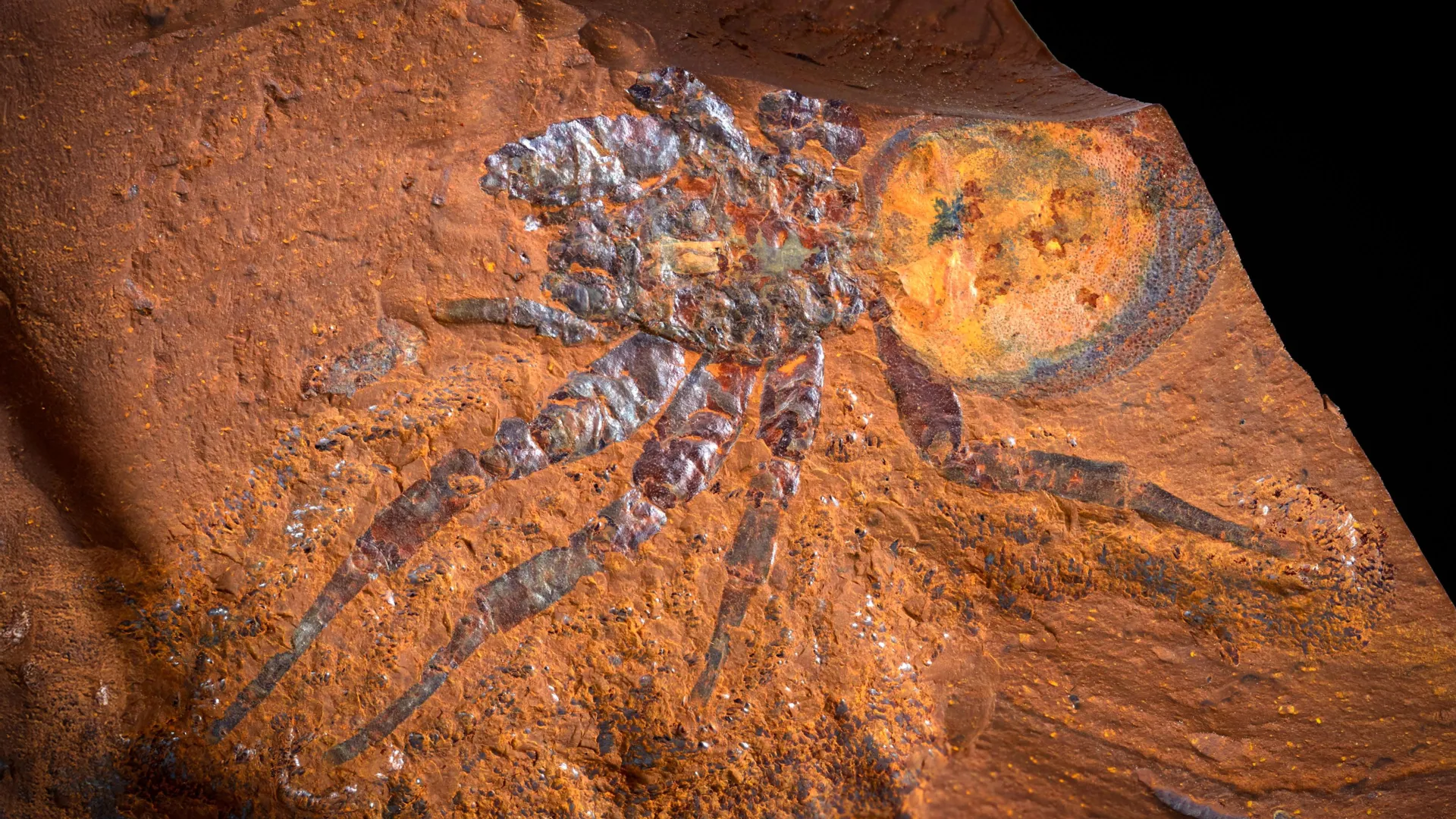
Fossil sites that preserve terrestrial ecosystems are inherently rare due to the challenges of rapid burial and preservation on land. Sites that capture the soft tissues of terrestrial organisms are even more exceptional. McGraths Flat distinguishes itself by preserving features that are almost never found preserved, especially in iron-rich matrices. Scientists have meticulously identified pigment cells within the eyes of fossilized fish, revealing details of their visual apparatus. Internal organs of insects and fish have also been remarkably preserved, offering insights into their anatomy and physiology. Furthermore, the delicate structures of spiders, such as their fine hairs and even nerve cells, have been painstakingly reconstructed from these iron-encased specimens.
The level of detail observed at McGraths Flat rivals, and in some cases surpasses, that found at the world’s most celebrated fossil sites, which are typically formed in shale or sandstone. The fundamental difference, and the reason for its groundbreaking significance, is that these incredibly detailed fossils are preserved not in fine clay or ash, but within a matrix of iron. This finding opens up entirely new avenues for exploring ancient life, suggesting that the potential for discovering exceptionally preserved fossils may be far greater than previously imagined, extending to geological formations that were previously overlooked.
Unraveling the Genesis of the McGraths Flat Fossil Site
Beyond the spectacular fossil discoveries themselves, the new study also provides crucial insights into the geological processes that led to the formation of this unique fossil site. This understanding is not only vital for appreciating the site’s significance but also offers a potential roadmap for identifying similar fossil-rich locations globally.
During the Miocene epoch, the region now known as McGraths Flat was a vastly different landscape, characterized by warm, wet, and verdant rainforest conditions. The geological foundation of the area, likely composed of basaltic rock, underwent significant weathering. This weathering process released substantial quantities of iron into the environment. This dissolved iron was then transported underground by acidic groundwater, a common phenomenon in such humid, vegetated terrains.
Eventually, this iron-rich groundwater encountered a subterranean river system that included an oxbow lake – a crescent-shaped lake formed when a meander of a river is cut off from the main stream. It was within the tranquil waters of this ancient oxbow lake that the crucial mineralization process began. The dissolved iron in the groundwater precipitated out of solution, forming extremely fine-grained iron-oxyhydroxide sediments. These microscopic particles then rapidly coated any organic material that settled on the lake floor, effectively encasing and preserving their soft tissues at an unparalleled microscopic level. This slow, continuous accumulation of iron-rich sediments, coupled with the low-energy environment of the lake, created the perfect conditions for exceptional fossilization.
A New Paradigm for Discovering Exceptional Fossil Sites
The detailed elucidation of how McGraths Flat formed offers a powerful and practical guide for paleontologists and geologists seeking to identify other iron-rich fossil sites around the world. The researchers have proposed a set of criteria for identifying potential future discoveries:
- Presence of very fine-grained, layered ferricrete: This indicates the specific type of iron-rich cementation that has proven so effective at McGraths Flat. Layering suggests a depositional environment where fine particles could accumulate.
- Evidence of past acidic groundwater systems: This points to the mechanism by which iron was mobilized and transported to the depositional site. Such systems are often found in areas with past volcanic activity or where specific rock types are subject to prolonged weathering.
- Association with ancient fluvial or lacustrine environments: The presence of fossilized river channels, ancient lakebeds, or deltaic deposits suggests the type of low-energy aquatic environments where fine sediments can settle and organisms can be preserved.
- Geological settings that experienced warm, humid climates during the Neogene (roughly 2.6 million to 23 million years ago): The Miocene epoch, during which McGraths Flat formed, was a period of generally warmer global temperatures and higher rainfall in many regions, conducive to the weathering and iron mobilization processes observed.
The discoveries at McGraths Flat represent a significant expansion of our understanding of the diverse geological conditions that can lead to exceptional fossil preservation. They underscore the fact that the Earth’s geological record is far more complex and nuanced than previously appreciated.
The implications for future paleontological research are profound. It suggests that the search for exquisitely preserved fossils of ancient terrestrial life may no longer be solely focused on traditional rock types. Instead, researchers may need to turn their attention to iron-rich deposits, particularly ferricretes, hidden beneath the surface in areas that once harbored humid environments. This paradigm shift could unlock vast reservoirs of previously inaccessible fossil evidence, potentially leading to a more complete and detailed reconstruction of Earth’s ancient biodiversity. The ongoing analysis of the McGraths Flat fossils promises to yield further revelations about the evolution of life during the Miocene, a critical period that shaped the modern world.
The authors of the study also extend their gratitude and respect to the traditional custodians of the land and waterways on which McGraths Flat is located, the Wiradjuri Nation people, acknowledging their deep connection to and custodianship of this ancient landscape. This recognition highlights the growing importance of Indigenous knowledge and perspectives in scientific exploration and discovery.
















Leave a Reply