The long-standing pursuit of enhancing the quality of fruits – boosting their nutritional value, intensifying their colors, and refining their aromas – while simultaneously preserving robust plant growth and yield has represented a significant challenge for agricultural science. For decades, efforts to enrich desirable compounds within fruits often came with an unwelcome trade-off: stunted plant development, smaller fruit size, or diminished sugar content. However, groundbreaking new research is suggesting that this delicate balance may be more attainable than previously understood. Scientists have identified a conserved "housekeeping" gene, typically associated with fundamental cellular maintenance, that, when its activity is increased, can significantly elevate both the nutritional profile and sensory appeal of fruit without negatively impacting plant growth or fruit yield.
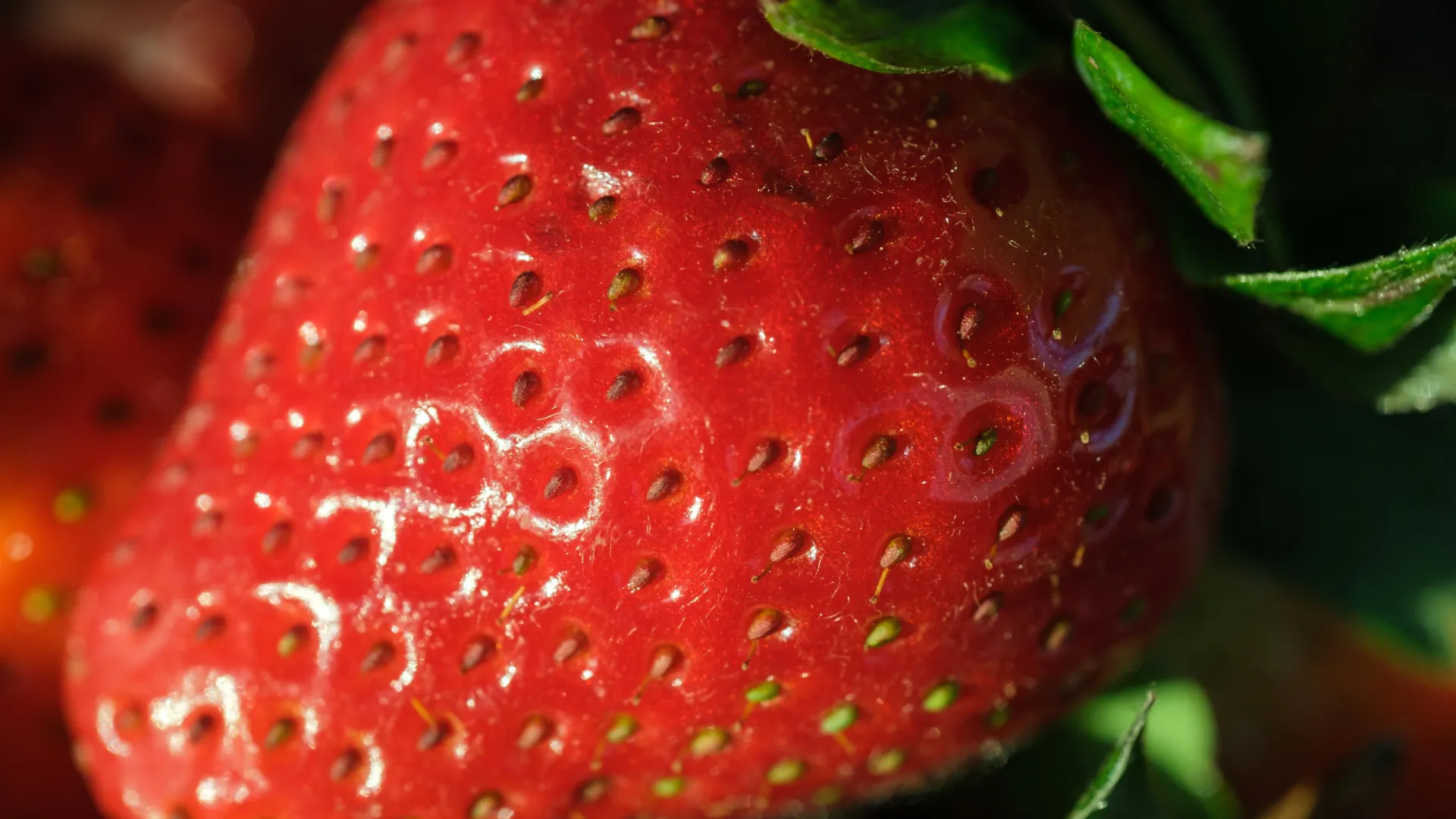
This pivotal discovery, detailed in a recent publication in the esteemed journal Horticulture Research, stems from collaborative efforts between researchers at Nanjing Agricultural University and the University of Connecticut. Their investigation focused on woodland strawberries (Fragaria vesca), a model organism well-suited for genetic studies due to its relatively compact genome and rapid life cycle. The team specifically targeted a gene known as FveIPT2, which plays a crucial role in the modification of transfer RNA (tRNA) molecules. tRNA is fundamental to protein synthesis, a core process in all living cells, hence the classification of FveIPT2 as a "housekeeping" gene.
The Delicate Interplay of Plant Hormones and Fruit Development
Historically, improving fruit quality has been complicated by the intricate regulatory networks within plants. Key compounds responsible for desirable fruit traits, such as anthocyanins (responsible for vibrant colors and antioxidant properties) and terpenoids (contributing to aroma and flavor), are often intertwined with plant hormone signaling pathways. Cytokinins, a major class of plant hormones, are particularly influential. They orchestrate a wide array of developmental processes, including cell division, shoot formation, and, critically, the regulation of secondary metabolism – the production of compounds like anthocyanins and terpenoids.
This close hormonal linkage means that attempts to directly manipulate the production of these desirable fruit compounds by altering cytokinin levels or related pathways can inadvertently lead to unwanted side effects. For instance, increasing cytokinin activity to boost anthocyanin synthesis might also trigger excessive vegetative growth, leading to larger plants but potentially smaller or less flavorful fruits, or it could disrupt the plant’s overall architecture. This has created a bottleneck, where advancements in one area of fruit quality often necessitated compromises in another, prompting a search for more nuanced approaches.
Unveiling the Potential of tRNA-Related Genes
Within the vast landscape of plant genes, a lesser-explored group of cytokinin-related genes, known as tRNA-type isopentenyl transferases (IPTs), has largely been overlooked in the context of fruit quality enhancement. These genes are primarily understood for their role in the initial step of cytokinin biosynthesis, specifically the production of isopentenyladenine (iP), a precursor to active cytokinins like cis-zeatin. Their classification as "housekeeping" genes implies their involvement in routine cellular functions, essential for basic plant survival and growth, rather than acting as direct controllers of specific developmental or metabolic outcomes.
The prevailing scientific consensus was that manipulating these genes might indeed influence cytokinin levels, thereby potentially affecting plant growth. The question of whether they could specifically enhance fruit quality traits without disrupting normal plant development remained largely unanswered, making them an intriguing, yet under-investigated, target for researchers seeking novel avenues for agricultural improvement.
A Targeted Intervention: FveIPT2 and Its Remarkable Impact
The research team at Nanjing Agricultural University and the University of Connecticut embarked on a journey to explore this very possibility. Their strategic choice of woodland strawberries provided an ideal platform for their genetic engineering experiments. Through precise genetic modification techniques, they engineered these strawberry plants to exhibit an increased expression of the FveIPT2 gene. This manipulation aimed to elevate the activity of this specific tRNA-modifying enzyme.
The results of their intervention were striking and, in many ways, counterintuitive to prior assumptions. The modified strawberry plants, when they reached maturity, displayed a significant and measurable enhancement in the quality of their fruits. Specifically, the ripe berries from these engineered plants contained substantially higher concentrations of anthocyanins and terpenoids compared to their wild-type counterparts. These compounds are the very essence of what makes fruit desirable: anthocyanins provide the rich, appealing red hues and potent antioxidant benefits, while terpenoids contribute the complex aromas and nuanced flavors that consumers appreciate.
Crucially, these desirable improvements in fruit chemistry were achieved without any discernible negative impact on the plants’ overall development or fruit characteristics. The researchers meticulously monitored key growth parameters and observed no significant differences in plant height, leaf development, flowering time, or fruit size. Furthermore, the sugar content of the fruits remained consistent, indicating that the metabolic engineering had not inadvertently diverted resources away from essential carbohydrate production. This decoupling of enhanced fruit quality from growth penalties marked a significant departure from previous attempts at crop improvement.
The Subtle Mechanism: Minimal Cytokinin Disruption
The key to FveIPT2’s unique ability to enhance fruit quality without hindering growth lies in its specific mechanism of action. As mentioned, FveIPT2 is involved in tRNA modification and is indirectly linked to the production of cis-zeatin, a type of cytokinin. However, unlike other cytokinin-related genes that exert broad and potent influences on plant development, increasing FveIPT2 activity resulted in only minor fluctuations in the overall levels of active cytokinins within the plant.
This subtle impact on hormonal balance is critical. The plants developed normally, exhibiting no visible abnormalities. They proceeded through their life cycle as expected, flowering and producing fruit with predictable regularity. The absence of changes in fruit weight, shape, or sweetness further underscored the precision of the FveIPT2 intervention. It appears that by modulating a specific step in tRNA modification rather than directly altering major cytokinin signaling cascades, the researchers managed to fine-tune secondary metabolism without triggering the widespread growth responses typically associated with significant hormonal shifts.
A Symphony of Color, Aroma, and Nutrition
Despite the stability in plant growth and development, the chemical composition of the fruit underwent a profound transformation. The increased expression of FveIPT2 led to a significant elevation in various beneficial compounds. Anthocyanins, flavonoids, and other phenolic compounds saw notable increases, contributing to a deeper, more vibrant red coloration in the strawberries. Detailed biochemical analysis confirmed a rise in specific anthocyanins derived from cyanidin and pelargonidin, well-known for their powerful antioxidant capabilities. These compounds are not only responsible for the visual appeal but also contribute to the health-promoting properties of the fruit, offering protection against oxidative stress.
Simultaneously, nearly half of the detected terpenoid compounds within the fruit experienced an increase. This spectrum included monoterpenoids, sesquiterpenoids, and triterpenoids, all of which are pivotal in defining the characteristic aroma and flavor profiles of fruits. The enhancement of these volatile organic compounds promised a more complex and appealing sensory experience for consumers.
Elevating the Flavor Profile: A More Pleasing Aroma
The impact of FveIPT2 manipulation extended beyond just color and nutritional density; it also refined the fruit’s aroma. Aromatic compounds associated with pleasant floral notes, such as linalool, became more abundant. Linalool is a widely recognized contributor to the desirable scent of many flowers and fruits, imparting a fresh and inviting fragrance. Concurrently, the levels of compounds linked to harsher, more resin-like odors showed a decrease, suggesting a shift towards a more refined and palatable aroma profile.
Confirmation of these metabolic shifts came from extensive gene expression studies. The researchers observed that key genetic pathways responsible for the synthesis and transport of these desirable flavor and aroma compounds were significantly more active in the modified plants. This indicated that the FveIPT2 intervention had effectively "switched on" or amplified the plant’s natural machinery for producing these beneficial substances.
Reconsidering the Role of "Housekeeping" Genes
The implications of these findings are far-reaching, prompting a fundamental reconsideration of the established roles of "housekeeping" genes. As the researchers themselves noted, "This study shows that genes we usually think of as ‘housekeeping’ can have surprisingly specific and valuable effects." Their work challenges the long-held perception that these genes are merely passive participants in the essential, day-to-day operations of a cell. Instead, the research highlights their potential to exert significant and targeted control over complex metabolic pathways, including those that dictate fruit quality.
By targeting a tRNA-type gene – a component of the cellular machinery rather than a direct hormonal regulator – the team successfully enhanced fruit color, aroma, and nutritional compounds without incurring the growth penalties that have historically accompanied metabolic engineering efforts. This approach offers a biologically gentler and more precise method for crop improvement. The study powerfully suggests that fundamental cellular processes, often operating quietly in the background, may hold the key to unlocking remarkable improvements in agricultural productivity and quality.
A Promising New Avenue for Agricultural Innovation
The identification of FveIPT2 as a gene capable of selectively enhancing fruit chemistry without compromising plant vigor positions it as a highly promising target for future crop improvement strategies. Its application could extend beyond strawberries to a wide range of other fruit-bearing species, potentially revolutionizing the production of high-quality produce. The ability to boost beneficial pigments and aroma compounds while maintaining or even improving yield is a significant advantage, particularly in an era where consumers increasingly demand both nutritional value and sensory excellence in their food.
This research represents a paradigm shift in our understanding of gene function in plants. It moves beyond the traditional view of housekeeping genes as solely serving basic cellular needs and opens up new possibilities for leveraging these fundamental genetic elements for sophisticated agricultural applications. The findings pave the way for developing crops that are not only more nutritious and appealing but also more efficiently produced, contributing to a more sustainable and productive agricultural future. The gentle revolution initiated by FveIPT2 underscores the untapped potential within the very core of plant biology for addressing some of agriculture’s most persistent challenges.