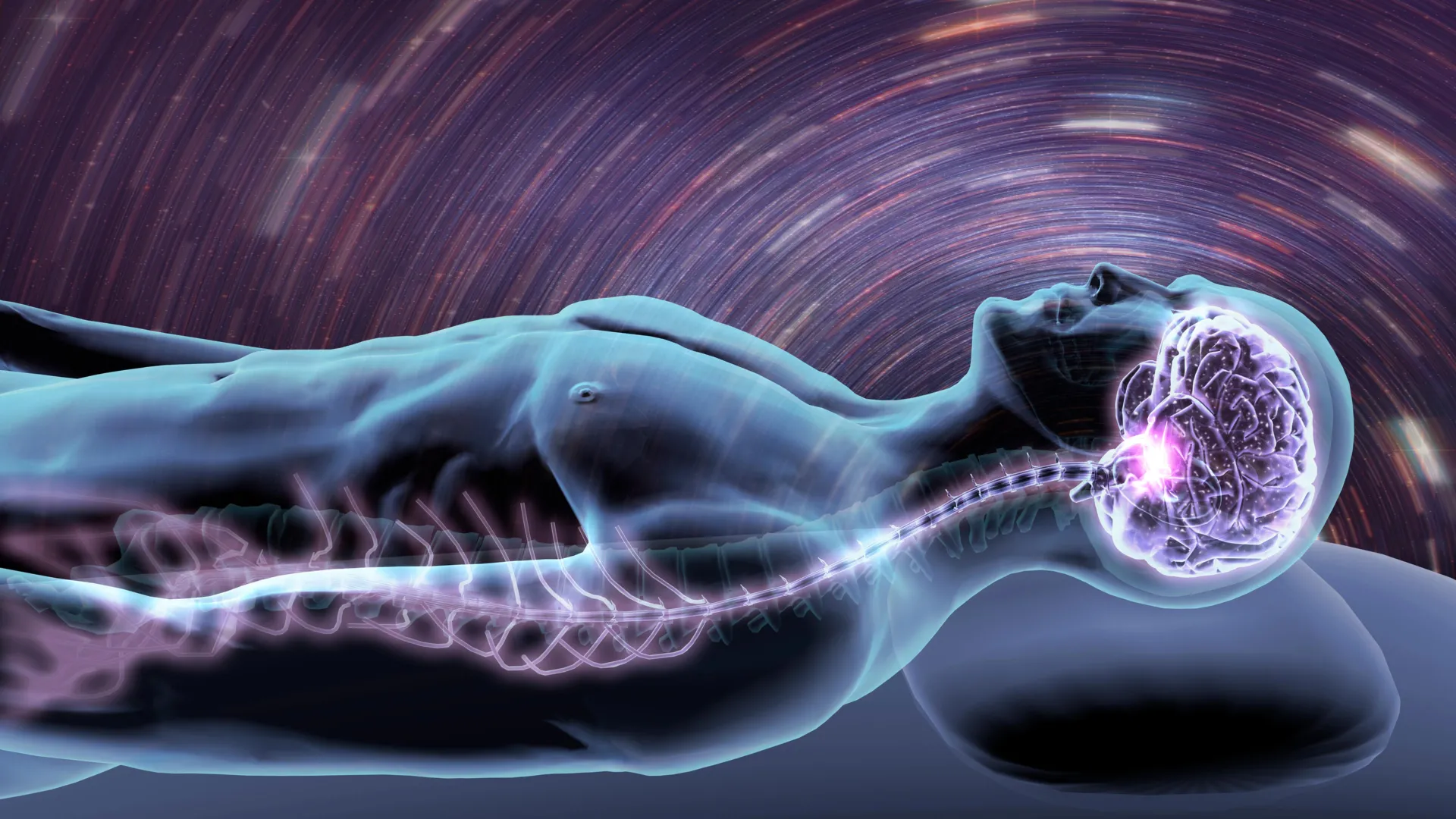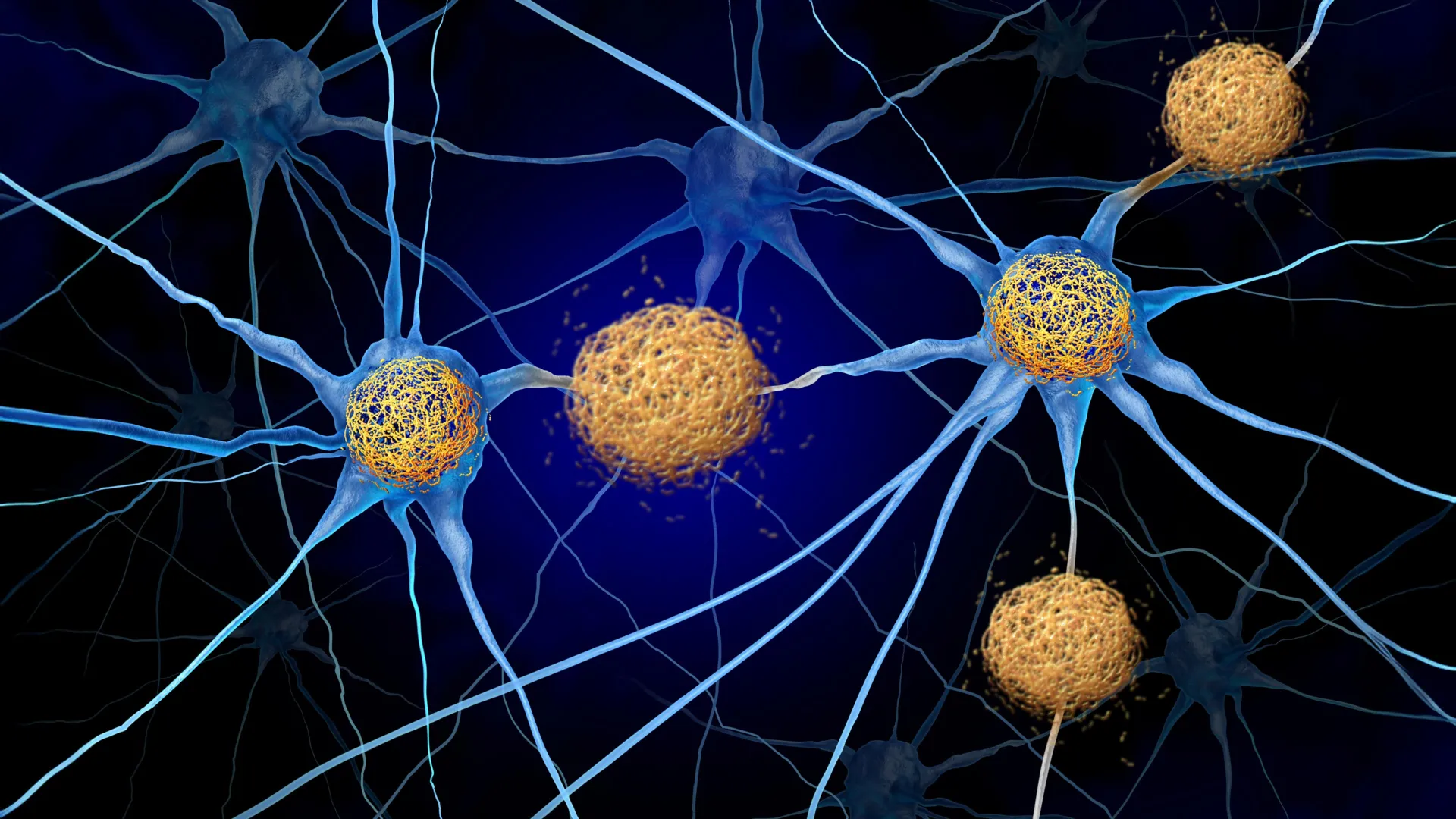
Researchers at the Yong Loo Lin School of Medicine at the National University of Singapore (NUS Medicine) have identified a significant neurological mechanism through which caffeine can mitigate the cognitive damage caused by sleep loss. The study, published in the peer-reviewed journal Neuropsychopharmacology, demonstrates that caffeine specifically targets and restores social memory—the fundamental ability to recognize and differentiate between known and unknown individuals—which is frequently compromised by inadequate rest. By focusing on the hippocampal CA2 region, a specific area of the brain previously under-researched in the context of sleep, the team has provided a new perspective on how caffeine serves as more than just a temporary stimulant for alertness.
The Biological Foundation of Social Memory and Sleep
Social memory is a sophisticated cognitive function essential for the survival and social cohesion of many species, including humans. It allows individuals to remember previous encounters, interpret social cues, and maintain stable relationships. Within the architecture of the brain, the hippocampus has long been recognized as the center for learning and memory. However, recent advancements in neuroscience have pinpointed the CA2 sub-region of the hippocampus as a critical "hub" for social recognition.
Unlike other parts of the hippocampus that handle spatial or temporal data, the CA2 region is specialized for social information. Crucially, this region is also highly sensitive to the neuromodulators that regulate the sleep-wake cycle. When an individual is deprived of sleep, the biochemical balance within the CA2 region is disrupted, leading to a breakdown in the brain’s ability to encode or retrieve social data. The NUS Medicine study sought to determine whether caffeine, the world’s most widely consumed psychoactive substance, could intervene in this specific disruption.
Experimental Chronology and Methodology
The research was spearheaded by Associate Professor Sreedharan Sajikumar and first author Dr. Lik-Wei Wong from the Department of Physiology and the Healthy Longevity Translational Research Program at NUS Medicine. To simulate the conditions of sleep deprivation, the team utilized laboratory models subjected to a controlled five-hour period of sleep loss. This duration was selected to mimic "acute sleep restriction," a common occurrence in modern society among students, healthcare professionals, and shift workers.
Following the period of sleep deprivation, the subjects were provided with caffeine-enriched drinking water. This administration lasted for seven days, allowing the researchers to observe both the immediate and sustained effects of the stimulant. The team then employed advanced electrophysiological recordings on hippocampal tissue. This technique allows scientists to measure "synaptic plasticity"—the process by which connections between neurons (synapses) strengthen or weaken over time. Synaptic plasticity is widely considered the cellular basis for learning and memory.
The Role of Adenosine and Synaptic Plasticity
To understand why caffeine is effective, the researchers analyzed the role of adenosine, a naturally occurring chemical in the brain. Throughout the day, adenosine levels steadily rise in the brain, binding to specific receptors that signal the body to feel tired and slow down neural activity. This "sleep pressure" is a natural regulatory mechanism. However, when sleep is denied, adenosine levels continue to climb, eventually interfering with the CA2 region’s ability to maintain synaptic strength.
The study revealed that sleep deprivation significantly weakened the communication between neurons in the CA2 region. This degradation of synaptic plasticity meant that even if the brain encountered a "new" individual, it lacked the neural capacity to record that encounter as a distinct memory.
Caffeine acts as an adenosine receptor antagonist. By effectively "plugging" the receptors that adenosine would otherwise bind to, caffeine prevents the inhibitory signals that dampen neural activity. The NUS study found that this blockade did not just keep the subjects awake; it actively protected the CA2 region from the synaptic "failure" usually induced by sleep loss.
Key Findings: A Targeted Therapeutic Effect
The most striking result of the study was the selectivity of caffeine’s impact. In many stimulant-based interventions, there is a risk of "over-excitation," where the entire brain becomes hyperactive, leading to jitteriness or anxiety without necessarily improving specific cognitive functions. However, the NUS team found that caffeine’s restorative properties were highly targeted.
In subjects that were sleep-deprived, caffeine restored synaptic communication in the CA2 region to levels nearly identical to those of well-rested subjects. This restoration at the cellular level translated directly to behavioral success: the subjects regained their ability to distinguish between familiar and unfamiliar individuals in social recognition tests.
Conversely, in the control group—subjects who had received a full night’s sleep—caffeine did not cause an abnormal spike in neural activity or "super-charge" their social memory beyond normal limits. This suggests that caffeine acts as a "normalizer" for specific circuits rather than a universal enhancer, making it a potentially safer tool for targeted cognitive recovery.
Official Responses and Expert Insights
The research team emphasized that these findings redefine our understanding of caffeine’s utility. Dr. Lik-Wei Wong, the study’s first author, noted the profound impact of sleep on the brain’s internal circuitry. "Sleep deprivation does not just make you tired. It selectively disrupts important memory circuits," Dr. Wong explained. "We found that caffeine can reverse these disruptions at both the molecular and behavioral levels. Its ability to do so suggests that caffeine’s benefits may extend beyond simply helping us stay awake."
Associate Professor Sreedharan Sajikumar highlighted the long-term implications for brain health. "Our findings position the CA2 region as a critical hub linking sleep and social memory," he stated. "This research enhances our understanding of the biological mechanisms underlying sleep-related cognitive decline. This could inform future approaches to preserving cognitive performance."
While not directly involved in the study, external neuroscientists have noted that the NUS research fills a critical gap in "sleep debt" literature. By identifying the CA2 region as a vulnerable point for social cognition, the study provides a roadmap for developing future pharmaceutical interventions that might mimic caffeine’s selectivity without its side effects, such as increased heart rate or disrupted sleep architecture later in the day.
Broader Implications for Public Health and Society
The implications of this study are far-reaching, particularly in a global context where sleep deprivation is increasingly categorized as a public health crisis. In many urban centers, including Singapore, the average sleep duration has plummeted over the last few decades due to increased work demands and digital connectivity.
- Shift Work and Essential Services: Professionals in high-stakes environments, such as emergency room doctors, pilots, and military personnel, often rely on social memory to function effectively within teams. Understanding that caffeine can specifically protect these social-cognitive circuits provides a scientific basis for its use in managing "human factors" in safety-critical industries.
- Aging and Neurodegeneration: Social isolation and the inability to recognize familiar faces are hallmark symptoms of various forms of dementia and age-related cognitive decline. Since sleep quality often deteriorates with age, the NUS study suggests that maintaining the health of the CA2 region—perhaps through moderate, timed caffeine consumption—could play a role in supporting healthy cognitive aging.
- The "Social Brain" Theory: This research reinforces the idea that the brain prioritizes social information. The fact that the CA2 region has a specific mechanism for sleep-related impairment suggests that social recognition is one of the first systems to "go offline" when the brain is overtaxed, highlighting the importance of rest for maintaining social harmony and interpersonal connections.
Future Research Directions
Despite the promising results, the NUS Medicine team cautioned that caffeine is not a permanent substitute for sleep. While it can restore specific memory circuits, sleep performs a wide array of other "housekeeping" functions in the brain, such as toxin removal and emotional regulation, which caffeine may not address.
The researchers plan to expand their investigation into how caffeine influences the different stages of memory: consolidation (how memories are stored) and retrieval (how they are accessed). They also intend to use "optogenetics"—a technique that uses light to control neurons—to manipulate the CA2 circuit directly. This will allow them to confirm the causal relationship between this specific brain pathway and various types of memory function.
As society continues to grapple with the consequences of a "24/7" lifestyle, studies like this provide crucial data on how common substances can be used strategically to protect our most vital cognitive assets. The discovery that caffeine can specifically repair the social-memory "bridge" broken by sleep loss marks a significant step forward in both neuroscience and the practical management of brain health.