New clinical insights published in the journal eNeuro suggest that cannabidiol (CBD), a non-psychoactive compound derived from the cannabis plant, may play a transformative role in the treatment of Alzheimer’s disease by targeting chronic neuroinflammation. Led by Dr. Babak Baban at Augusta University, the research indicates that CBD may suppress the harmful immune responses that contribute to the degradation of brain tissue, while simultaneously addressing the hallmark protein buildups associated with the condition. As the global medical community shifts toward multi-target therapeutic strategies, these findings provide a biological framework for utilizing cannabinoids to slow the progression of the world’s most common form of dementia.
The Shift in Alzheimer’s Research Paradigms
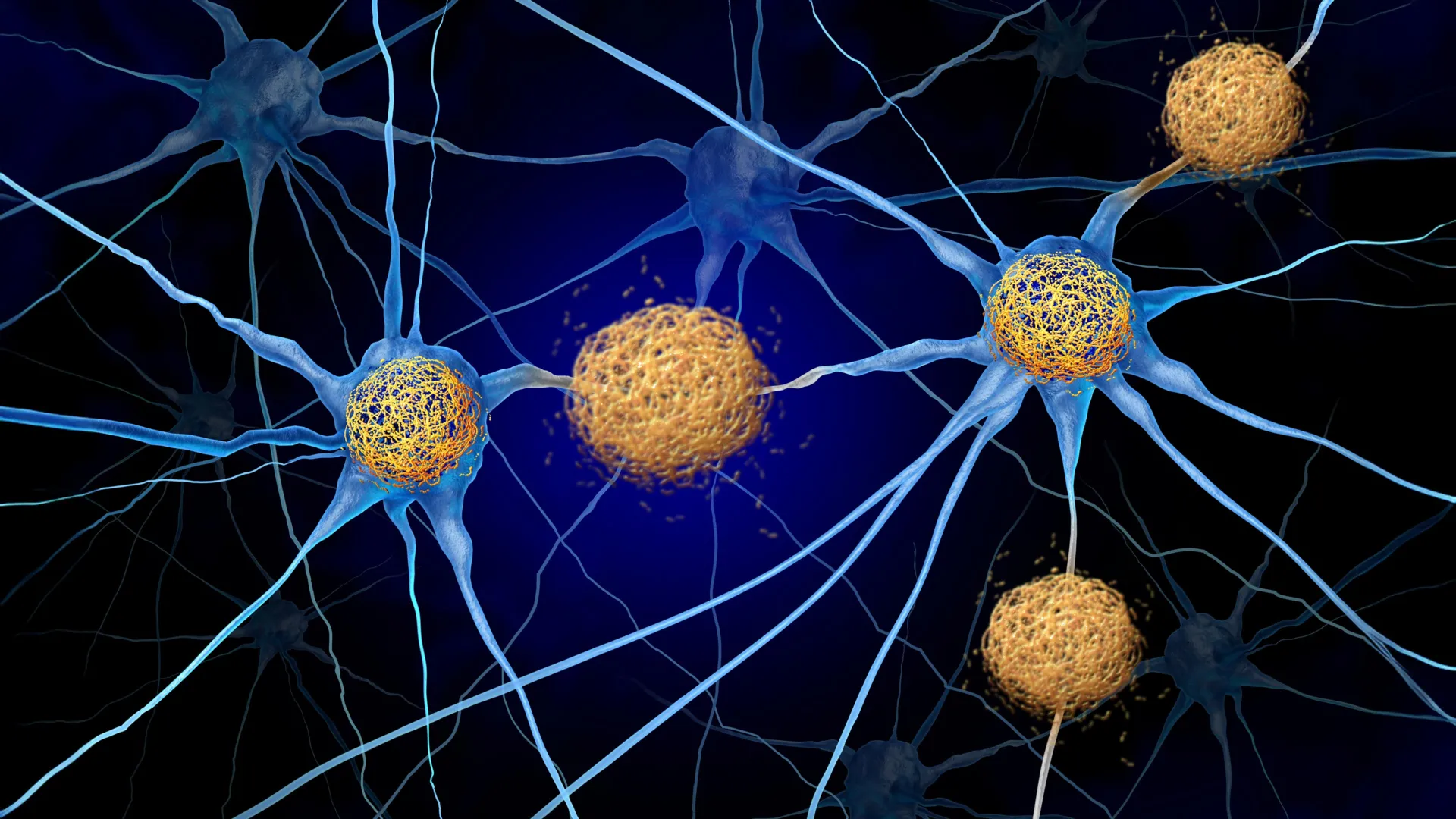
For several decades, the primary focus of Alzheimer’s research has been the "amyloid cascade hypothesis." This theory suggests that the primary cause of the disease is the accumulation of amyloid-beta plaques and tau protein tangles, which disrupt cell-to-cell communication and eventually lead to neuronal death. While drugs targeting these proteins have recently gained regulatory approval, their clinical efficacy has been a subject of intense debate, often providing only modest slowing of cognitive decline.
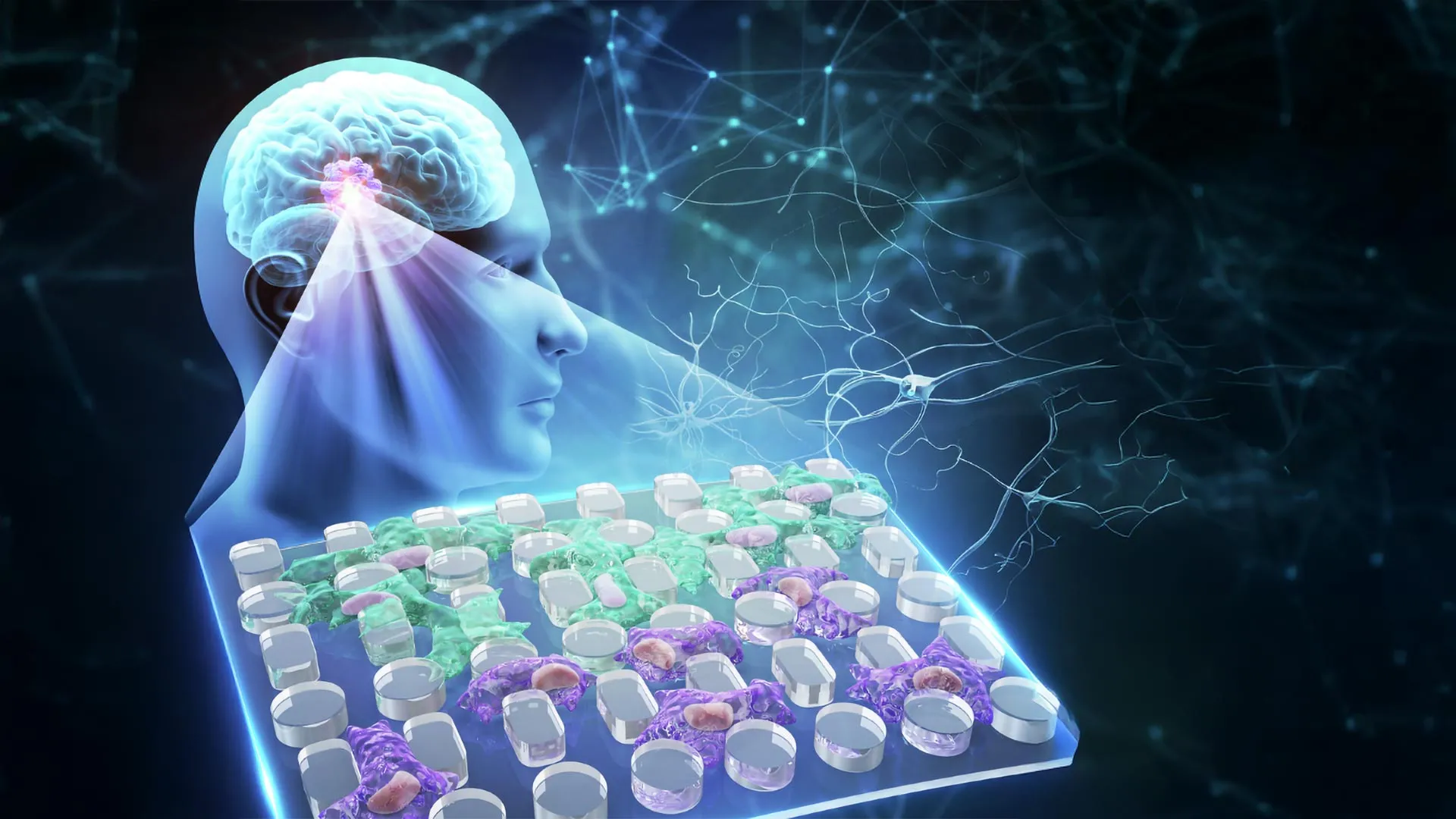
However, a growing body of evidence suggests that Alzheimer’s is not merely a disease of protein misfolding, but also a chronic inflammatory condition. Neuroinflammation, characterized by the persistent activation of the brain’s resident immune cells—microglia and astrocytes—is now viewed as a central driver of the disease. In a healthy brain, these cells serve a protective function, clearing debris and responding to injury. In the Alzheimer’s brain, these cells become overactive, releasing a "cytokine storm" of pro-inflammatory molecules that inadvertently destroy healthy neurons. The Augusta University study reinforces this "inflammation-first" perspective, suggesting that by calming the brain’s immune system, CBD could offer a more comprehensive approach to neuroprotection.
Methodology: CBD Inhalation and Immune Modulation
To test the efficacy of CBD in a controlled environment, Dr. Baban’s team utilized a well-established mouse model designed to mimic the pathological progression of human Alzheimer’s disease. Unlike many previous studies that relied on oral administration or injections, the researchers delivered CBD via inhalation. This method is often cited for its high bioavailability and its ability to bypass the "first-pass metabolism" of the liver, potentially allowing the compound to reach the central nervous system more efficiently.
The research team employed a suite of sophisticated molecular and genetic analyses to track the impact of the treatment. They focused on the expression of specific genes and proteins within the central nervous system that regulate inflammatory signaling. By comparing the treated group with a control group, the scientists were able to isolate the specific biological pathways influenced by CBD.
Key Findings: Identifying the Anti-Inflammatory Mechanism
The results of the study revealed that CBD treatment significantly lowered the activity of several critical regulators of neuroinflammation. Specifically, the researchers observed a reduction in pro-inflammatory cytokines—substances that signal the immune system to attack. By dampening these signals, CBD appeared to prevent the immune system from entering a state of chronic overactivation.
Furthermore, the study identified specific immune-related pathways that interact with CBD. The compound appeared to modulate the behavior of microglia, the brain’s primary immune defenders. Under the influence of CBD, these cells transitioned from a "pro-inflammatory" state (which damages neurons) to a "pro-resolving" state (which promotes tissue repair and debris clearance).
Dr. Baban noted that this finding is particularly significant because it complements his team’s earlier work. "Alzheimer’s work has long centered on plaques and tangles," Baban stated. "But our study shows that chronic autoinflammation is also a core driver of the disease. What’s exciting is that CBD not only calms this immune overactivation but, in earlier work, we’ve shown it can also help clear plaques and tangles through a different mechanism. Together, this points to a multitarget approach with real therapeutic potential."
A Chronology of Alzheimer’s Discoveries and the Rise of Cannabinoids
The evolution of Alzheimer’s treatment has moved through several distinct eras, leading to the current interest in CBD:
- 1906: Dr. Alois Alzheimer first identifies the "peculiar severe disease process of the cerebral cortex," noting the presence of plaques and tangles.
- 1984: The amyloid-beta protein is identified, leading to the dominance of the amyloid hypothesis in drug development.
- Early 2000s: Researchers begin to identify the role of the endocannabinoid system (ECS) in neuroprotection. The ECS is a vast network of receptors (CB1 and CB2) that help maintain homeostasis in the brain.
- 2010s: Studies begin to show that CBD can reduce oxidative stress and inflammation in various models of neurodegeneration.
- 2021-2023: The FDA approves the first amyloid-targeting drugs, such as aducanumab and lecanemab, though their high cost and side-effect profiles lead to calls for alternative treatments.
- 2024: The Augusta University study provides specific molecular evidence for how CBD regulates neuroinflammation, marking a shift toward multi-target cannabinoid therapies.
Supporting Data: The Global Burden of Alzheimer’s
The urgency of this research is underscored by the staggering statistics surrounding dementia. According to the Alzheimer’s Association:
- Prevalence: An estimated 6.7 million Americans aged 65 and older are currently living with Alzheimer’s. This number is projected to rise to nearly 13 million by 2050.
- Mortality: Alzheimer’s is a leading cause of death in the United States, killing more people than breast cancer and prostate cancer combined.
- Economic Impact: The total national cost of caring for people with Alzheimer’s and other dementias reached an estimated $345 billion in 2023. Without a breakthrough, these costs could exceed $1 trillion by mid-century.
- Failure Rates: Historically, the failure rate for Alzheimer’s drug trials has been over 99%. This has driven researchers to look beyond traditional "monotherapy" (targeting one protein) toward "polypharmacology" (targeting multiple pathways).
Expert Perspectives and Scientific Reactions
While the findings from Augusta University have been met with optimism, the broader scientific community remains cautious. Independent neurologists have pointed out that while mouse models are essential for understanding biological mechanisms, they do not always translate perfectly to human biology.
"The results are mechanically sound and offer a compelling look at how CBD interacts with the brain’s immune system," says Dr. Elena Rodriguez, a neuropharmacologist not involved in the study. "However, we must remember that many compounds that successfully reduce inflammation in mice fail to show cognitive benefits in human clinical trials. The next hurdle is determining the appropriate dosage and delivery method for human patients, as well as ensuring long-term safety."
The pharmaceutical industry has also shown increased interest in synthetic cannabinoids. Several biotech firms are currently investigating CBD-based formulations for various neurological conditions, ranging from epilepsy (where the CBD-based drug Epidiolex is already FDA-approved) to Parkinson’s and Multiple Sclerosis.
Analysis of Implications: The Future of Multi-Target Therapy
The success of CBD in this study highlights a broader trend in modern medicine: the move toward multi-target drugs. Because Alzheimer’s is a multifactorial disease involving genetics, lifestyle, protein accumulation, and immune dysfunction, a "silver bullet" approach is increasingly seen as unrealistic.
CBD is uniquely suited for a multi-target strategy because it does not bind to just one receptor. Instead, it interacts with a wide array of signaling systems, including serotonin receptors, vanilloid receptors, and the endocannabinoid system itself. By simultaneously reducing inflammation, protecting against oxidative stress, and potentially aiding in the clearance of protein aggregates, CBD represents a "broad-spectrum" neuroprotective agent.
If human trials mirror the results seen in the Augusta University study, the implications for public health would be profound. A CBD-based treatment could potentially be used as a preventative measure for individuals with a high genetic risk for Alzheimer’s or as a supplemental therapy to be used alongside current amyloid-clearing drugs.
Challenges and Regulatory Hurdles
Despite the promise, several obstacles remain. The regulatory status of CBD continues to be complex. While hemp-derived CBD is legal at the federal level in the United States, the FDA has been slow to establish a formal regulatory framework for its use as a dietary supplement or therapeutic agent outside of specific seizure disorders.
Furthermore, the "inhalation" method used in the study presents practical challenges for elderly patients. Researchers will likely need to develop alternative delivery systems, such as specialized nasal sprays or high-bioavailability oral liposomes, to make the treatment viable for a clinical setting.
Conclusion
The research led by Dr. Babak Baban at Augusta University adds a significant piece to the puzzle of Alzheimer’s disease. By demonstrating that CBD can effectively "turn down the volume" on brain inflammation, the study validates a new frontier in dementia research. As the scientific community continues to move away from a singular focus on plaques and tangles, the role of the immune system has emerged as a critical battlefield in the fight against cognitive decline. While years of clinical testing lie ahead, the potential for a safe, plant-derived compound to mitigate the ravages of Alzheimer’s offers a new glimmer of hope for millions of families worldwide.