The landscape of hematological oncology is facing a potential paradigm shift following a landmark study by Ludwig Cancer Research, which has unveiled a novel therapeutic strategy for Acute Myelogenous Leukemia (AML). This aggressive and often fatal blood cancer is characterized by a particularly grim prognosis, with a median survival time of just 8.5 months post-diagnosis. The research, published in the prestigious journal Nature, details a combination therapy that utilizes two distinct inhibitors to overcome the developmental "blockade" that prevents leukemic cells from maturing into healthy blood cells. Led by researchers from Ludwig Oxford, Harvard Medical School, the University of Pennsylvania, and the University of Helsinki, the study suggests that by reprogramming the epigenetic landscape of cancer cells, clinicians may finally be able to extend the lives of patients who currently have few effective options.
Understanding the Differentiation Blockade in AML
Acute Myelogenous Leukemia is a complex and genetically heterogeneous disease, meaning it can present differently in every patient depending on specific mutations. However, despite this diversity, almost all subtypes of AML share a devastating commonality: the impairment of myeloid progenitor cell differentiation. In a healthy body, the bone marrow produces progenitor cells that eventually mature into various types of specialized blood cells, such as white blood cells, red blood cells, and platelets. This process is known as hematopoiesis.
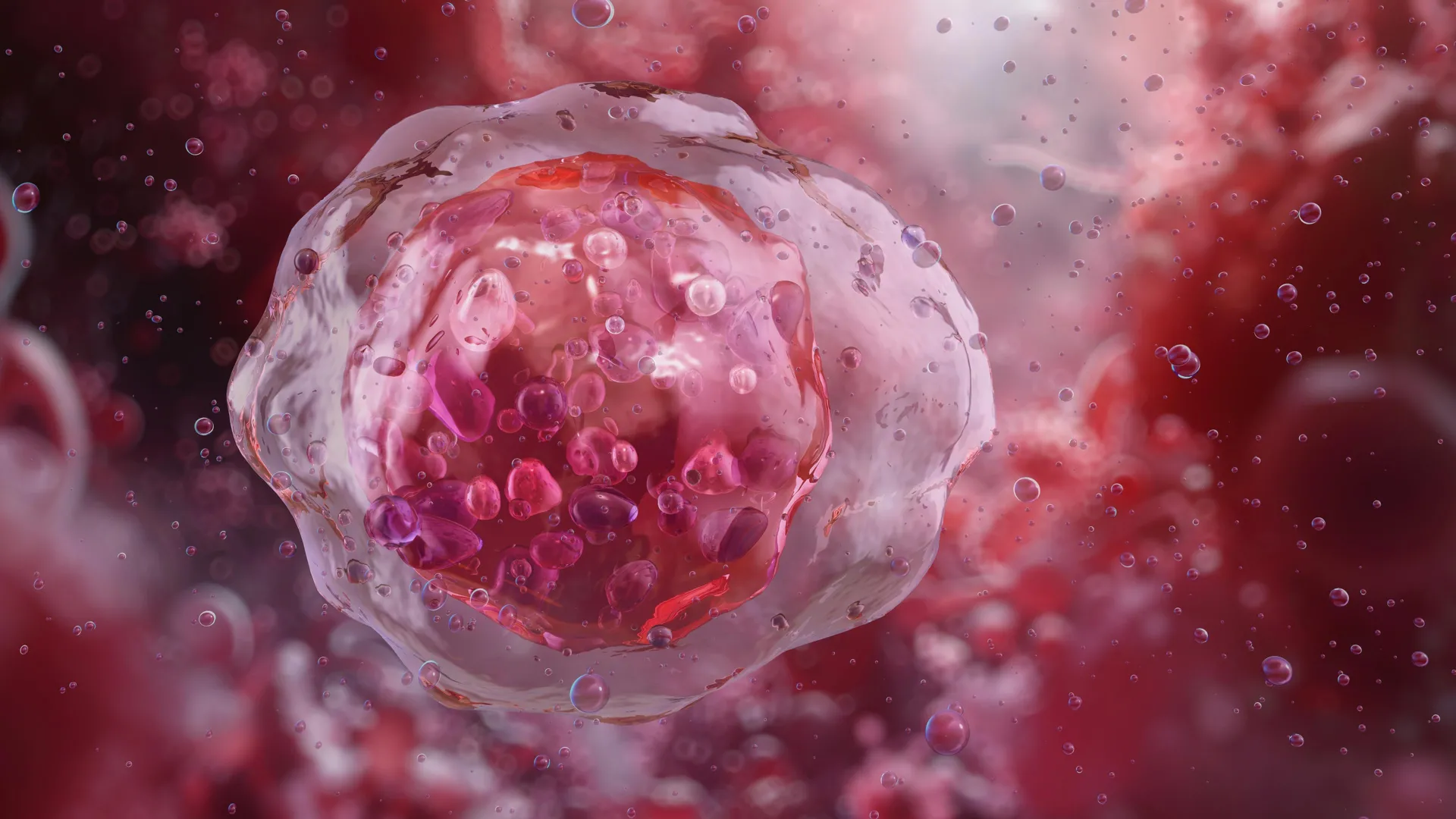
In AML patients, this process is interrupted. The cells become "stuck" in an immature, precursor state. These undifferentiated cells, often called blasts, proliferate uncontrollably and accumulate in the bone marrow and the bloodstream. As they crowd out healthy cells, the body’s ability to transport oxygen, clot blood, and fight infections collapses. This "differentiation block" is the primary driver of the disease’s rapid progression and high mortality rate.
For decades, the standard of care for AML has relied heavily on intensive chemotherapy and stem cell transplants. While these treatments aim to kill the leukemic cells, they are often non-selective, causing significant damage to healthy tissues and leading to severe side effects. Furthermore, many patients—particularly older adults who comprise a significant portion of the AML population—are too frail to undergo such aggressive regimens. The search for "differentiation therapy," which encourages cancer cells to mature rather than simply poisoning them, has been a "holy grail" in leukemia research.
The History and Success of Differentiation Therapy
The concept of differentiation therapy is not entirely new, and its potential was first realized in a specific subtype of the disease known as Acute Promyelocytic Leukemia (APL). In the late 20th century, researchers discovered that a combination of all-trans retinoic acid (ATRA) and arsenic trioxide could effectively "shove" APL cells through the maturation process. This treatment transformed APL from one of the most lethal forms of leukemia to one of the most curable, with a success rate of approximately 95%.
However, the ATRA and arsenic combination does not work for other subtypes of AML, which make up the vast majority of cases. The challenge for the team led by Yang Shi and Amir Hosseini was to find a similar "molecular key" that could unlock the differentiation process for the broader spectrum of AML patients. This required a deep dive into the epigenetic mechanisms—the chemical modifications to DNA and proteins that turn genes on or off—that maintain the leukemic state.
The Role of LSD1 and the Search for Synergy
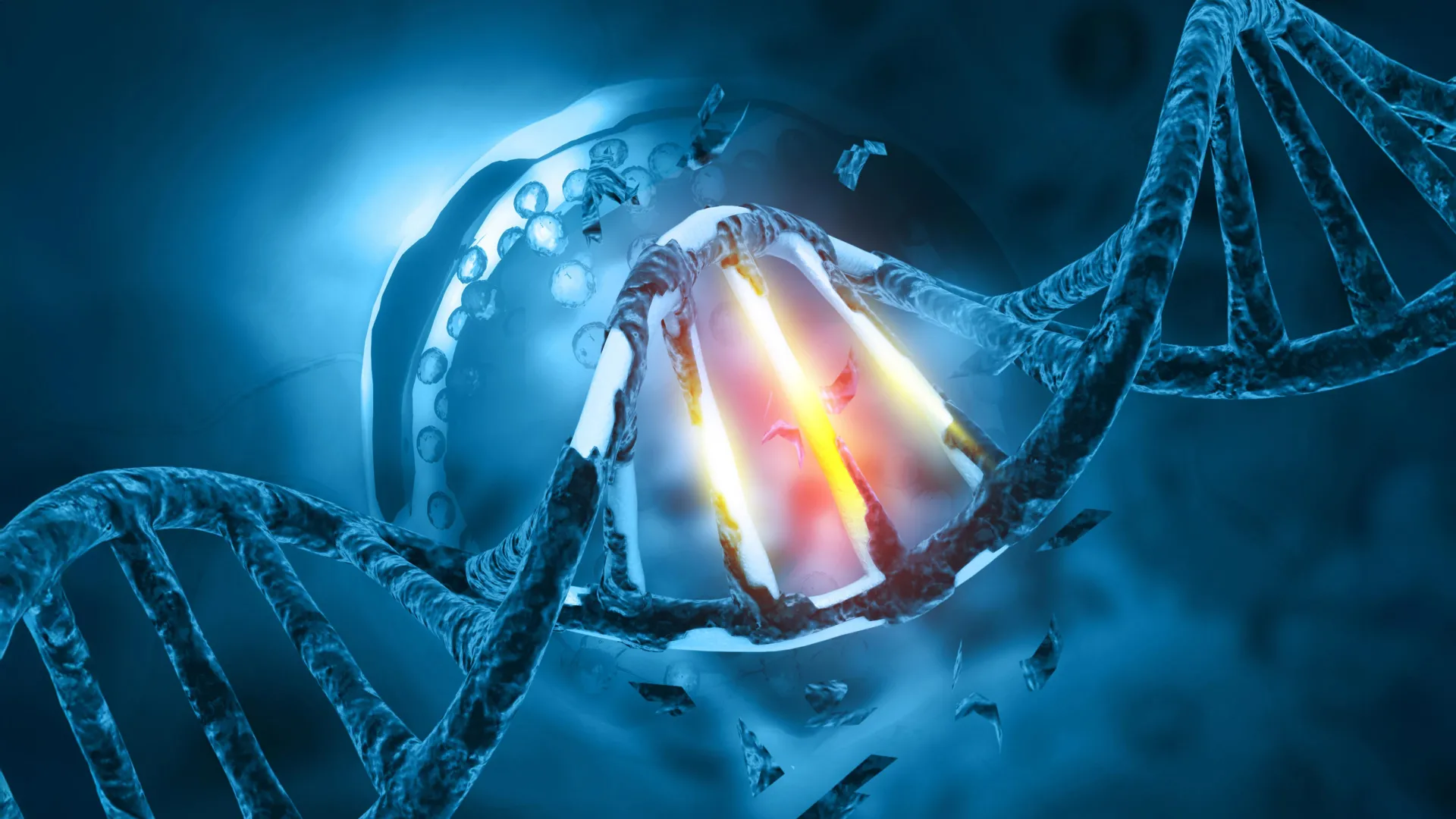
The cornerstone of the new research involves an enzyme called LSD1 (lysine-specific demethylase 1). This enzyme was first discovered in 2004 by Yang Shi and his colleagues. LSD1 plays a critical role in regulating gene expression by removing methyl groups from histone proteins, which act as the "spools" around which DNA is wound. By altering these histones, LSD1 can effectively silence genes that are necessary for cell differentiation, thereby keeping the leukemic stem cells in their immature, proliferative state.
While LSD1 inhibitors were developed and showed promise in laboratory settings, their transition to clinical use was hampered by a significant hurdle: toxicity. When used at the high doses required to be effective as a monotherapy, LSD1 inhibitors often caused adverse effects that made them difficult for patients to tolerate.
To address this, the research team, co-led by Amir Hosseini at Ludwig Oxford and Abhinav Dhall at Harvard Medical School, sought to identify a secondary drug that could work synergistically with LSD1 inhibitors. The goal was to find a combination that would allow for lower, less toxic doses of each drug while achieving a more powerful therapeutic effect.
Identifying GSK3 as the Synergistic Partner
Using mouse leukemic cells as a testing ground, the researchers conducted a comprehensive screen of multiple molecules to see which ones might enhance the effects of LSD1 inhibition. Their search led them to inhibitors of the GSK3α/β (Glycogen Synthase Kinase 3) enzyme.
GSK3 is a versatile kinase involved in various cellular processes, including cell cycle regulation and signaling pathways like the WNT pathway, which is frequently overactive in many types of cancer. Crucially, GSK3 inhibitors are already being evaluated in clinical trials for other conditions and have demonstrated a favorable safety profile in human patients.
When the researchers combined a low dose of an LSD1 inhibitor with a GSK3 inhibitor, the results were striking. In laboratory cultures representing multiple subtypes of AML, the combination successfully dismantled the differentiation barrier. The cells began to mature into functional myeloid cells, and their ability to proliferate uncontrollably was suppressed.
Preclinical Results and Mechanistic Insights
The study extended beyond cell cultures into animal models to test the real-world efficacy of the treatment. Mice engrafted with human AML cells were treated with the LSD1-GSK3 combination. The researchers observed that the therapy not only induced differentiation of the leukemic cells but also significantly inhibited their growth and extended the survival of the mice.
A critical finding of the study was the treatment’s selectivity. One of the greatest dangers in leukemia treatment is the destruction of healthy hematopoietic stem cells, which are necessary for maintaining the blood supply. The experiments indicated that the drug combination specifically targeted the leukemic cells while leaving healthy blood-forming cells largely unaffected. This selectivity significantly lowers the risk of the severe toxicity that has plagued previous AML treatments.
Mechanistically, the research revealed that the combination therapy "re-wires" the gene expression programs within the cancer cells. By inhibiting both LSD1 and GSK3, the treatment activates the genes that drive a cell toward maturity while simultaneously turning off the genes that allow it to act like a stem cell and grow indefinitely. This dual action addresses both the "blockade" and the "proliferation" aspects of the disease.
Correlating Data with Patient Outcomes
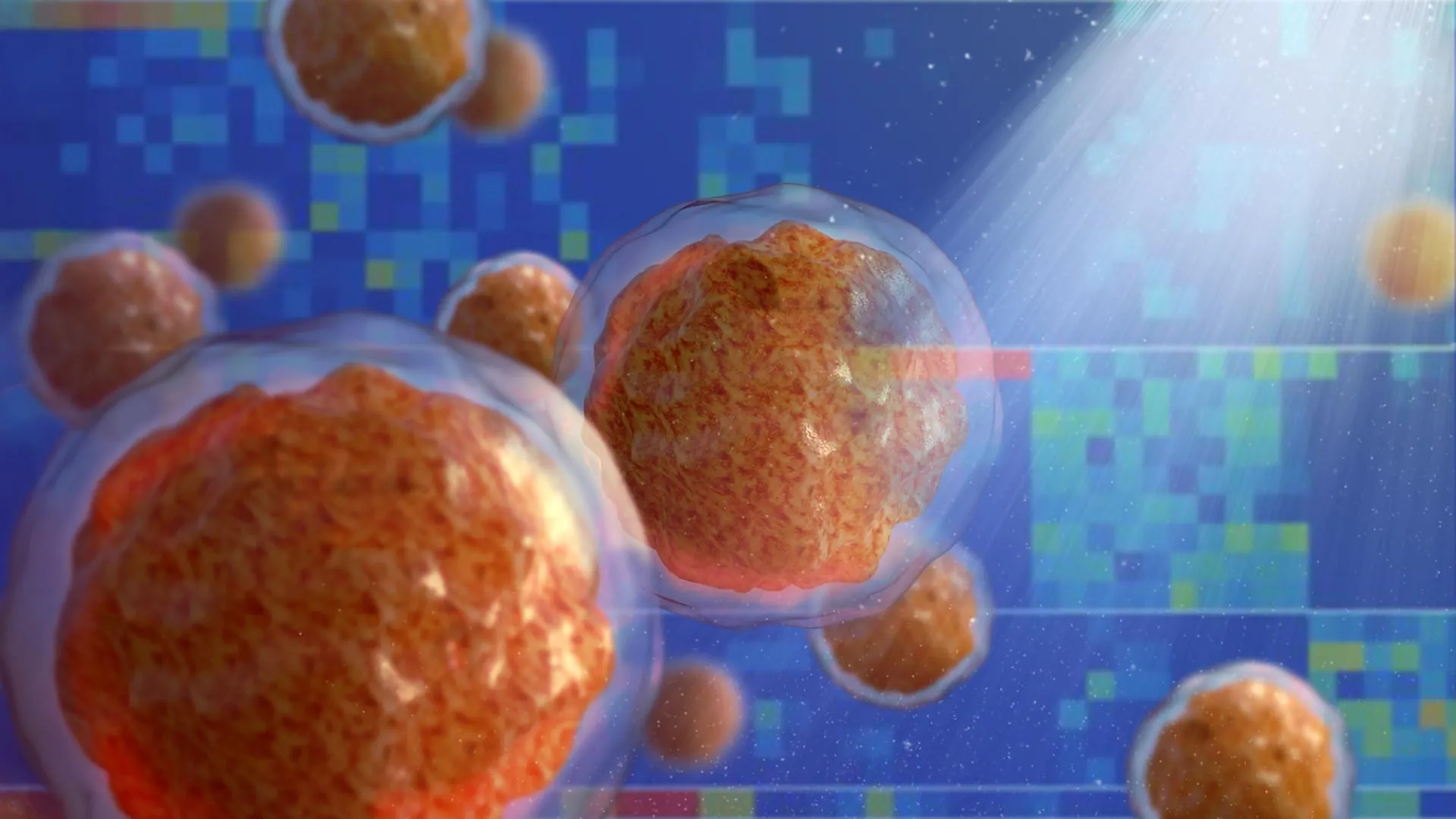
To validate their findings, the researchers compared the gene expression signatures induced by their combination therapy with existing data from human AML patients. They found a significant correlation: the genetic changes triggered by the drugs mirrored the gene expression patterns seen in AML patients who naturally experience longer survival times.
"We are also encouraged by the observation that the gene expression signature induced in leukemic cells by this combination therapy correlates with that observed in the cancer cells of AML patients who live relatively longer," noted Amir Hosseini. This correlation suggests that the therapy is driving the cancer cells toward a less aggressive biological state, mimicking the characteristics of more manageable forms of the disease.
Broader Implications for Oncology
The implications of this study extend beyond AML. The researchers noted that the molecular mechanisms identified—specifically the suppression of stem cell-like traits and the promotion of differentiation—could be relevant to other cancers. In particular, cancers driven by the overactivation of the WNT signaling pathway, such as certain types of colorectal and breast cancer, may be susceptible to similar epigenetic reprogramming strategies.
The discovery highlights a growing trend in oncology toward "precision combinations." Rather than relying on a single "silver bullet" drug, researchers are increasingly looking at how different pathways interact and how low-dose combinations can provide better results with fewer side effects.
The Path Toward Clinical Trials
One of the most promising aspects of this study is the speed at which it could potentially reach patients. Because both LSD1 and GSK3 inhibitors have already been developed for human use and are currently in various stages of clinical trials for other indications, the path to a dedicated AML clinical trial is significantly shortened.
"Our findings provide compelling evidence to support the testing of this combination therapy in AML patients," said Yang Shi. "Both of the inhibitors involved are not only available but have been developed for human use and are currently being evaluated in the clinical trials."
The move to clinical trials will be the next critical step. These trials will need to determine the optimal dosing for humans and confirm that the synergy observed in mouse models and cell cultures translates to a diverse population of AML patients. Given the current 8.5-month median survival rate, the urgency for these trials is high.
Funding and Institutional Collaboration
This breakthrough was the result of an international collaborative effort, highlighting the global nature of modern cancer research. The study received support from a wide array of prestigious organizations, including Ludwig Cancer Research, the National Institutes of Health (NIH), the Research Council of Finland, the Cancer Foundation Finland, the Sigrid Jusélius Foundation, the National Institute for Health Research, the Oxford Biomedical Research Centre, and Cancer Research UK.
Yang Shi, in addition to his leadership role at Ludwig Oxford, continues to serve as a Professor in the Nuffield Department of Medicine at the University of Oxford, bridging the gap between fundamental epigenetic research and clinical application.
As the medical community looks toward the future, the work of Shi, Hosseini, and their colleagues provides a new roadmap for treating one of the most challenging blood cancers. By focusing on maturation rather than destruction, this novel combination therapy offers a potential lifeline to thousands of patients diagnosed with AML each year, shifting the narrative from a terminal diagnosis to a manageable, and perhaps even curable, condition.