Immuto Scientific, a trailblazing company co-founded in 2018 by CEO Faraz A. Choudhury, Ph.D., and CTO Daniel Benjamin, Ph.D., both trained electrical engineers, is rapidly redefining the landscape of protein structure determination. The company is advancing an AI-assisted mass spectrometry platform designed to dramatically accelerate the throughput of protein structure analysis, particularly for critical workflows such as antibody-antigen interactions. This innovative approach offers a compelling alternative to conventional methods like cryo-electron microscopy (cryo-EM), addressing long-standing bottlenecks in drug discovery and structural biology.
The Enduring Challenge of Protein Structure Determination
Understanding the three-dimensional structure of proteins is fundamental to modern drug discovery. It provides insights into protein function, disease mechanisms, and guides the rational design of therapeutics. For decades, X-ray crystallography reigned supreme, followed by Nuclear Magnetic Resonance (NMR) spectroscopy. More recently, cryo-electron microscopy (cryo-EM) has emerged as a powerful technique, capable of delivering near-atomic and, in favorable cases, atomic-resolution protein structures. Cryo-EM has revolutionized the field, enabling the visualization of large macromolecular complexes and membrane proteins that were previously intractable. Its ability to capture proteins in various conformational states has been particularly impactful, earning its pioneers the Nobel Prize in Chemistry in 2017.
However, despite its transformative capabilities, cryo-EM is not without its significant challenges, especially concerning throughput and accessibility. The process of obtaining high-resolution structures via cryo-EM is notoriously complex and resource-intensive. Key bottlenecks include meticulous sample preparation, which often requires significant optimization to produce high-quality, homogeneous protein samples suitable for vitrification. Grid optimization, involving the delicate process of freezing samples onto electron microscopy grids, is another major hurdle, frequently demanding multiple iterative rounds of screening and refinement. These steps can stretch timelines from mere weeks to several months, depending on the inherent difficulty of the protein target and the extent of optimization required. As Daniel Benjamin, Ph.D., Immuto Scientific’s co-founder and CTO, acknowledges, "Cryo-EM is always going to be a relevant tool, especially for proteins that haven’t been solved yet," emphasizing its irreplaceable role for novel targets requiring atomic-level detail. Yet, he also points out the substantial investment in specialized equipment and expertise that cryo-EM facilities demand, making it less accessible for high-throughput applications.
Immuto Scientific’s High-Throughput Solution
Immuto Scientific’s platform addresses these critical limitations by leveraging the power of AI in conjunction with advanced mass spectrometry. Unlike cryo-EM, which aims for a full three-dimensional structure at atomic resolution, Immuto’s method focuses on generating residue-level information with significantly higher speed and a lower barrier to entry. "We can get data on about 1000 samples per week with our platform, so that roughly translates to something like 100 structures per week," Benjamin stated in a recent interview. This represents an order-of-magnitude increase in throughput compared to typical cryo-EM pipelines, where processing a single sample to structure can take weeks or even months.
The core of Immuto’s technology involves a specialized form of mass spectrometry, often utilizing radical labeling, to probe protein conformations and interactions. This technique measures changes in the chemical reactivity of amino acid residues, providing detailed insights into which parts of a protein are exposed or protected, and how these states change upon binding to another molecule, such as an antibody. The integration of artificial intelligence is crucial here, as AI algorithms are trained to interpret complex mass spectrometry data, correlating observed reactivity patterns with specific structural features and conformational states. This allows for rapid and accurate inference of protein structure and dynamics.
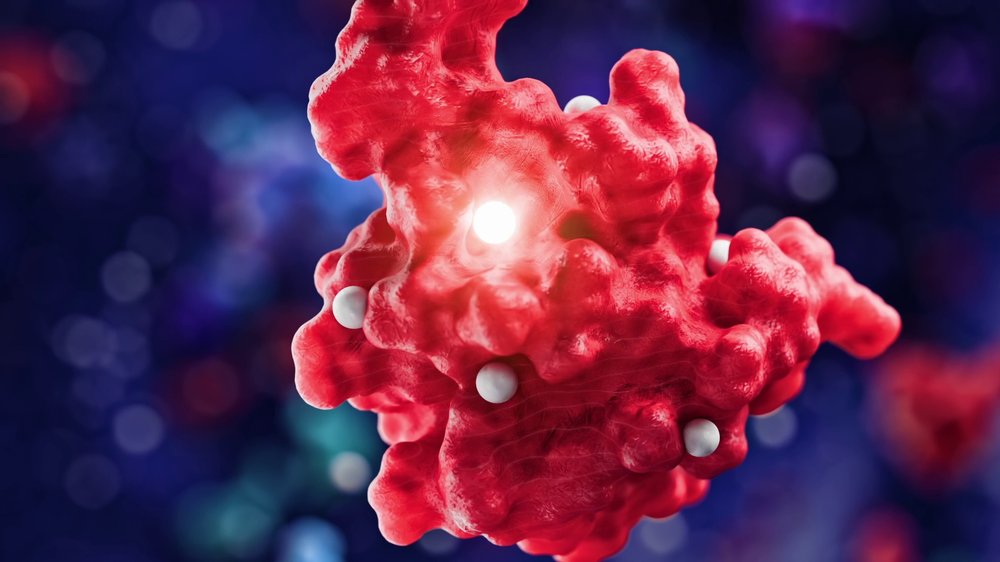
A key differentiator of Immuto’s approach is its ability to probe proteins in living cells (in vivo protein structure analysis) and to monitor dynamic structural changes, including flexibility and disorder. These dynamic aspects of protein behavior are often challenging to resolve using cryo-EM, which typically captures a static snapshot of a protein’s structure. Many biologically important proteins, particularly those involved in signaling or regulatory processes, exhibit significant conformational flexibility, and understanding these dynamics is vital for designing effective drugs. Immuto’s platform provides a powerful tool for exploring these conformational targets, offering a more complete picture of protein function in its native environment.
Bridging the Gap with AI Prediction Tools
The field of structural biology has seen another revolution with the advent of AI-powered protein structure prediction tools such as AlphaFold, Boltz, Chai, and ByteDance’s Protenix. These computational methods have demonstrated remarkable accuracy in predicting the structures of individual proteins, often rivaling experimental methods. However, a persistent challenge remains in accurately predicting the structures of protein complexes, especially antibody-antigen interactions, and in discerning the most biologically relevant structure from a multitude of plausible predictions.
Benjamin highlighted this "ranking problem" with current AI tools: "If you were to output, let’s say, 1000 different possible structures, the correct structure will be in there, but it won’t necessarily be the top ranked structure." This is where Immuto’s AI-assisted mass spectrometry platform provides a crucial empirical validation step. By generating high-throughput, residue-level data, Immuto’s technology can serve as "empirical constraints" to filter and rank the computationally generated structures. This hybrid approach allows researchers to leverage the predictive power of AI while grounding the results in experimental data, significantly increasing confidence in the identified structures. Benjamin notes that this synergistic combination produces results "almost dead on with what you would see with Cryo-EM" for specific targets like antibody-antigen complexes. This integration positions Immuto not as a replacement for computational prediction, but as an essential complement, enhancing the reliability and utility of these groundbreaking AI tools.
From Platform to Pipeline: Strategic Growth and Partnerships
Immuto Scientific is not merely content with developing a cutting-edge platform; the company is strategically maturing its platform story into a robust pipeline story. This involves leveraging its high-throughput structural analysis capabilities to accelerate its own internal drug discovery programs, primarily focused on oncology. Benjamin confirmed that Immuto’s lead oncology program is "gearing up to enter the clinic in 2027," signaling a significant step towards translating their technological prowess into tangible therapeutic candidates.
Beyond internal development, Immuto has also forged key external collaborations that underscore the value and versatility of its platform. A notable partnership was announced last year with Daiichi Sankyo, a major pharmaceutical company. This collaboration is centered around a solid-tumor program, focusing on novel target discovery and antibody development. Such partnerships are critical for emerging biotech companies, providing validation, resources, and a clear path for commercialization and broader impact within the pharmaceutical industry. It demonstrates how Immuto’s technology can be deployed to identify previously unknown therapeutic targets and to develop highly specific antibodies against them.
The adaptability of Immuto’s platform across various biological systems further highlights its potential. The company initially validated its technology using standard human cell lines, a common starting point in biomedical research. However, it has progressively expanded its capabilities to more complex and physiologically relevant models. This includes single-cell suspensions, 2D and 3D cultures, and even primary tumors and organoids. Benjamin emphasized the importance of this progression, stating, "We’ve even used our technology to look at tissue resections. For target discovery, we want patient-derived models that capture native biology and heterogeneity, rather than immortalized cell lines." This focus on patient-derived models is particularly significant for oncology, where tumor heterogeneity and individual patient responses are critical considerations for developing effective, personalized therapies.

A Novel Approach to Antibody Discovery
Immuto Scientific’s structural biology platform also informs a distinct strategic approach to antibody discovery. Rather than solely prioritizing binding strength (affinity) in the initial stages, the company intentionally emphasizes binding site, or epitope mapping. Benjamin explained this philosophy: "We intentionally start with medium- or low-affinity binders just to ensure they are binding to the exact right epitope." This counter-intuitive strategy addresses a common challenge in antibody development: an antibody might bind strongly but to an undesirable or non-functional epitope, leading to off-target effects or lack of efficacy.
By first ensuring precise epitope binding, Immuto can then leverage its expertise to engineer all the necessary binding affinity. "Once we know it binds to the right site, we can engineer all the binding affinity we need," Benjamin noted. This epitope-centric approach is highly valuable, particularly for developing therapeutic antibodies that require exquisite specificity and functional modulation of their target. It minimizes the risk of developing antibodies that are potent but ultimately ineffective or harmful due to improper binding, streamlining the drug development process and increasing the likelihood of success.
Public Validation and Future Prospects
The scientific community will soon get its first comprehensive look at the public performance data for Immuto’s v1 antibody-antigen model. Daniel Benjamin plans to present these findings at the upcoming PEGS conference, a prominent event in the protein engineering and antibody development landscape. This presentation is highly anticipated, as it will provide critical validation for the accuracy and robustness of Immuto’s AI-assisted mass spectrometry platform in a specific, high-value application area.
Benjamin specified that the model was trained and validated on "roughly 30 to 40 structures," a dataset size indicative of its focused application on antibody-antigen structure determination. The initial focus on this specific task is strategic, as it addresses a recognized challenge for existing AI prediction tools where ranking and selection of correct structures remain problematic. By demonstrating superior performance in this targeted area, Immuto aims to establish its technology as an indispensable tool for antibody discovery and development.
The implications of Immuto’s technology extend broadly across the pharmaceutical industry. By dramatically increasing the speed and accessibility of protein structural analysis, particularly for dynamic and complex systems like antibody-antigen interactions, the company is poised to accelerate drug discovery cycles. This will enable researchers to screen more candidates, understand drug-target interactions more comprehensively, and ultimately bring more effective and safer therapeutics to patients faster. The ability to work with patient-derived models further paves the way for more personalized medicine approaches, where drug development can be tailored to better reflect human biology and disease heterogeneity. As the demand for novel biotherapeutics continues to grow, Immuto Scientific’s innovative blend of AI and mass spectrometry represents a significant leap forward in our capacity to understand and manipulate the fundamental building blocks of life.