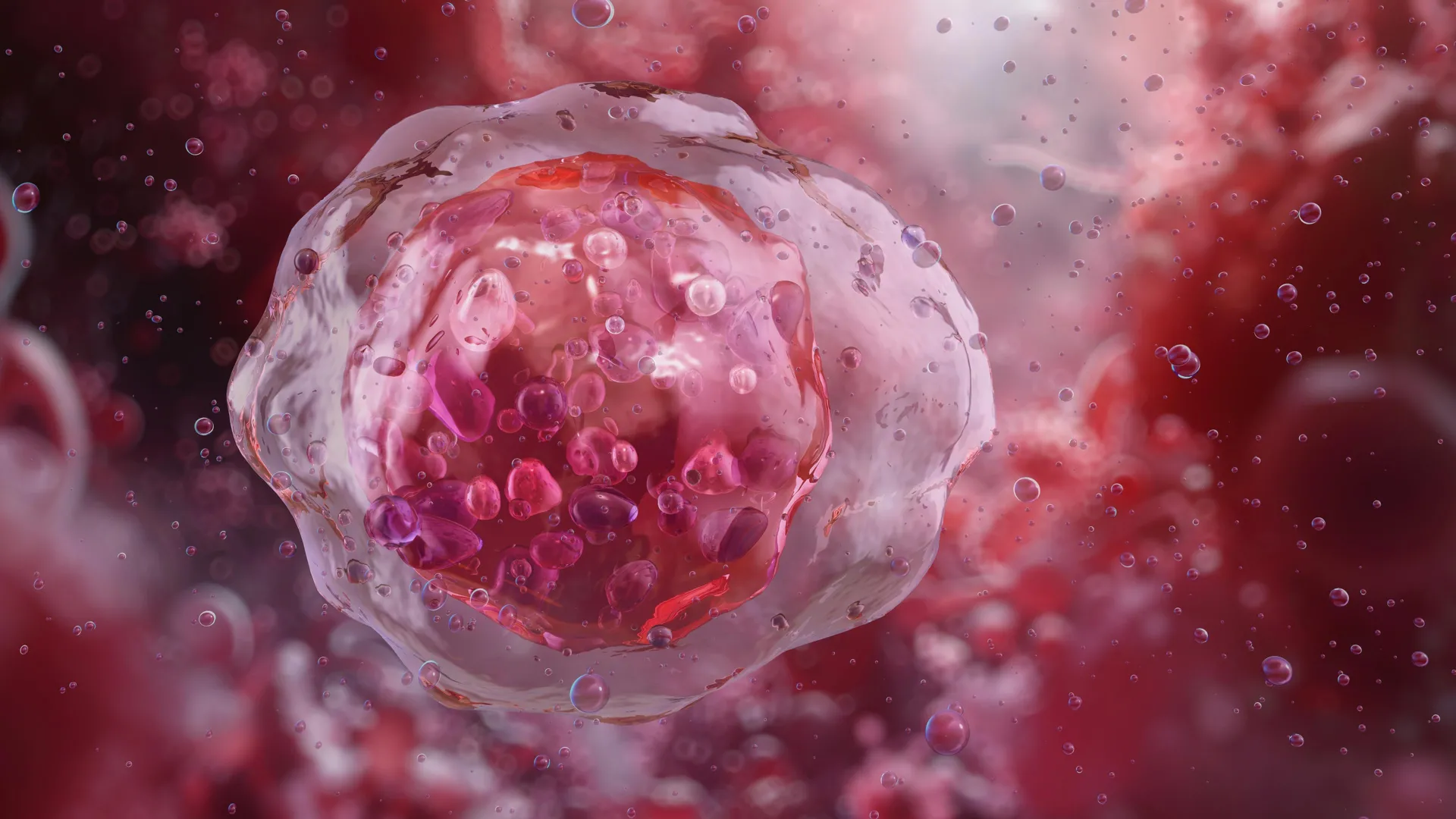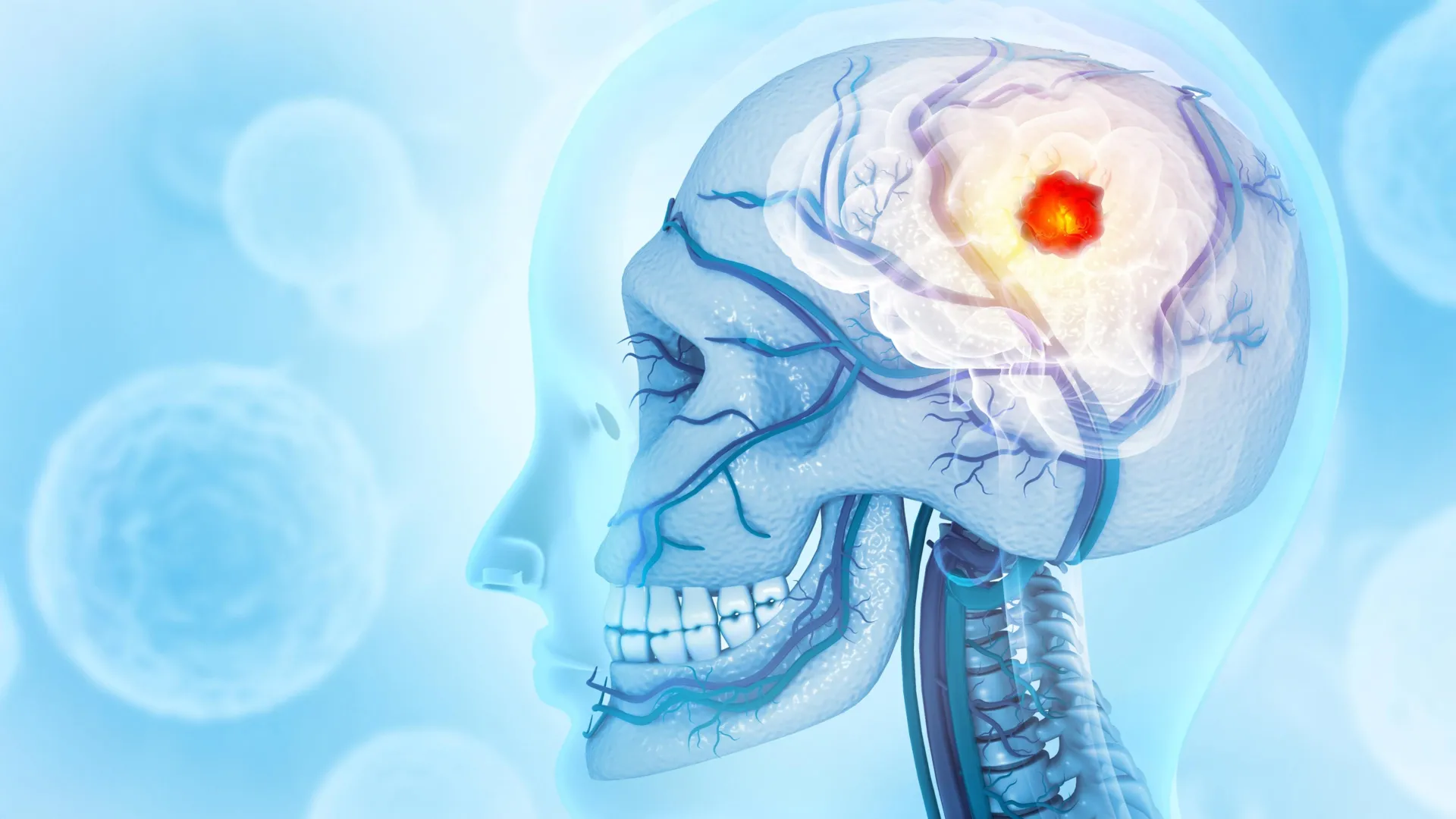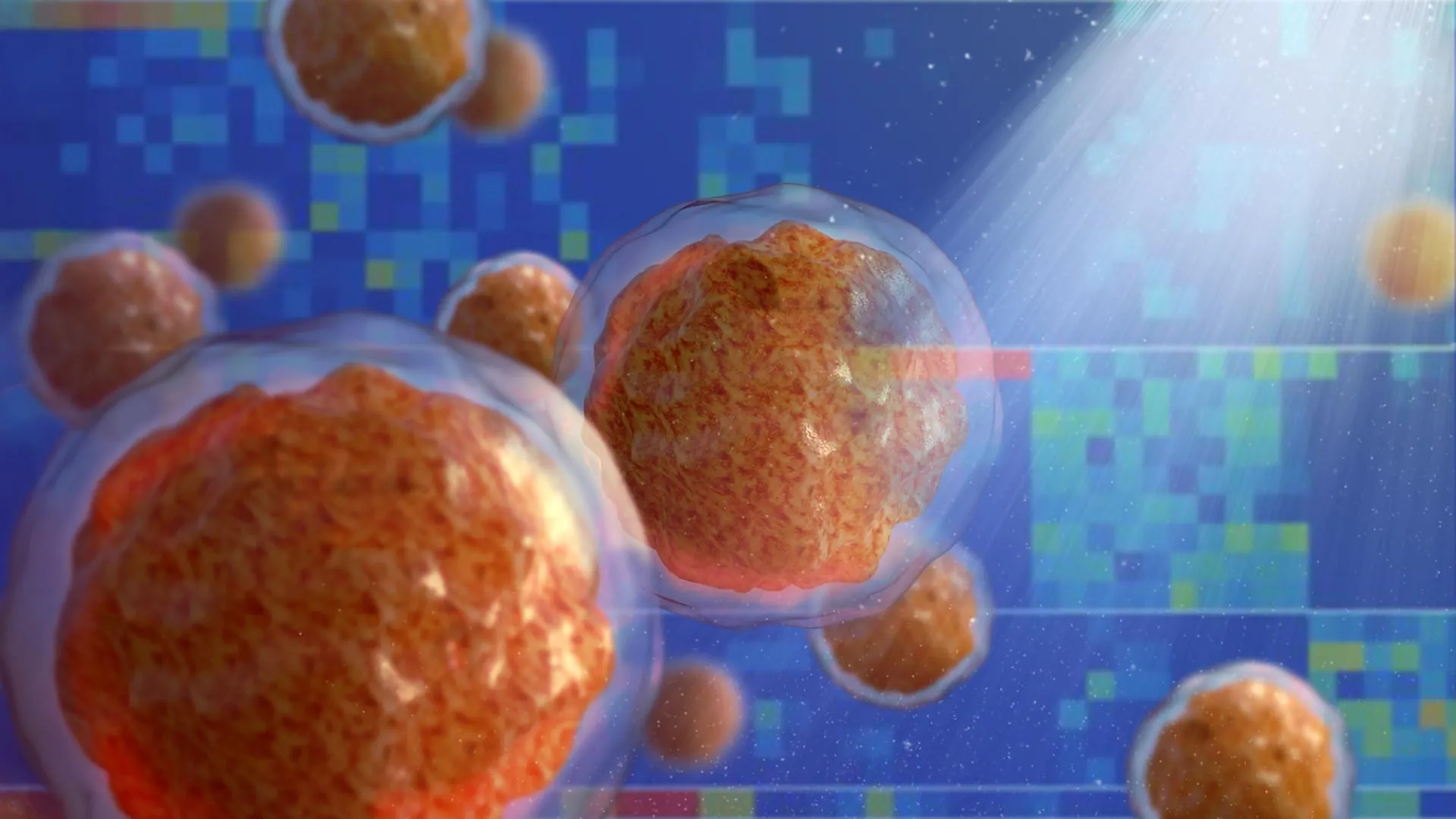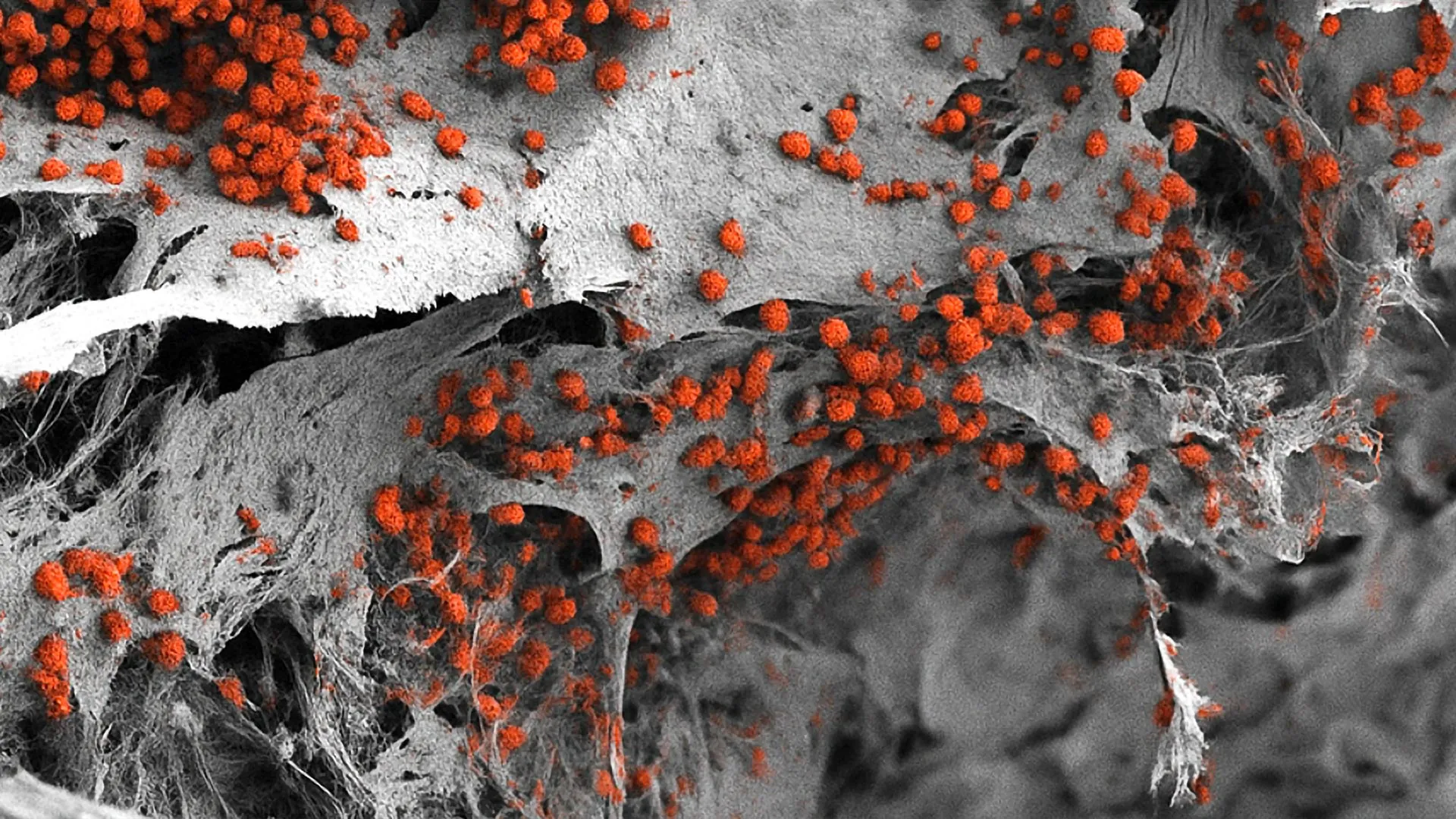
A collaborative research effort between the University of Michigan and the University of California San Diego has identified a critical biological mechanism that explains one of the most frustrating challenges in oncology: why certain breast cancers return years or even decades after a patient has been declared in remission. The study, published in the Journal of Clinical Investigation, reveals how Estrogen Receptor-positive (ER+) breast cancer cells utilize "cellular tunnels" to hijack resources from healthy bone marrow cells, effectively arming themselves against future treatments and preparing for a secondary, more aggressive assault on the body.
For decades, the medical community has struggled to understand the "dormancy" phase of breast cancer. While primary tumors are often successfully treated through surgery, radiation, and chemotherapy, the threat of recurrence hangs over survivors like a shadow. This new research provides a molecular roadmap of how these "sleeper cells" survive in the bone marrow, which acts as a protective sanctuary. By physically connecting to mesenchymal stem cells (MSCs) through CX43-related gap junctions, cancer cells "borrow" proteins and messenger RNA that confer drug resistance and high levels of invasiveness.
The Persistence of ER+ Breast Cancer in Bone Marrow
Estrogen Receptor-positive (ER+) breast cancer represents the most prevalent subtype of the disease, accounting for approximately 70% to 80% of all breast cancer diagnoses. While this subtype often responds well to initial endocrine therapies, it possesses a unique and dangerous characteristic: its ability to remain latent. Unlike more aggressive subtypes like Triple-Negative Breast Cancer, which often recur quickly if they are going to return at all, ER+ cells are known for their longevity.
The bone marrow serves as a primary site for these disseminated tumor cells (DTCs). Once they migrate from the breast to the marrow, they can enter a state of quiescence. However, this dormancy is not merely a period of inactivity. The research led by Gary Luker, M.D., and Pradipta Ghosh, M.D., suggests that this period is an active phase of "retooling." Statistics indicate that approximately 40% of patients with ER+ breast cancer will eventually experience a recurrence. When the cancer does return, it often manifests as metastatic bone disease, characterized by debilitating symptoms such as pathological bone fractures, severe pain, and life-threatening hypercalcemia (excessive calcium in the blood).
The Mechanism of Cellular Smuggling
The central discovery of the study involves the physical interaction between cancer cells and mesenchymal stem cells (MSCs)—a type of multipotent stromal cell found in the bone marrow that normally aids in the repair and regeneration of bone, cartilage, and fat tissues. The researchers found that the cancer cells do not merely exist alongside these stem cells; they form direct physical connections through CX43-related tunnels.
"We discovered that the breast cancer cells require direct contact with mesenchymal stem cells," explained Dr. Gary Luker, head of the Luker Lab at the University of Michigan’s Center for Molecular Imaging. "The cancer cells physically borrow molecules—proteins, messenger RNA—directly from the mesenchymal stem cells. Essentially, the mesenchymal stem cells act as very generous neighbors in donating things that make the cancer cells more aggressive and drug resistant."
This "smuggling" process allows the cancer cells to undergo a phenotypic shift. By acquiring mRNA and proteins from the MSCs, the cancer cells are essentially "upgraded." In laboratory experiments, the team observed that contact with MSCs induced changes in hundreds of different proteins within the cancer cells. This massive proteomic shift prepares the cells for survival in a hostile environment and provides them with the tools necessary to resist standard-of-care treatments like Tamoxifen.
The Role of GIV (Girdin) in Chemoresistance
Among the hundreds of proteins influenced by this cellular interaction, the researchers identified one specific protein as a primary driver of the cancer’s newfound aggression: GIV, also known as Girdin (G-alpha interacting vesicle-associated protein).
GIV is a well-known "rheostat" for cell signaling. In many types of cancer, GIV is associated with increased invasiveness and the acquisition of metastatic potential. The study found that the acquisition of GIV through these cellular tunnels specifically allows ER+ breast cancer cells to bypass the inhibitory effects of estrogen-targeted therapies. Tamoxifen, which works by blocking the estrogen receptors on cancer cells to prevent growth, becomes ineffective when GIV levels are elevated.
The presence of GIV enables the cancer cells to maintain survival signaling pathways even when the estrogen pathway is blocked. This explains why a patient can remain on maintenance therapy for years, only for the cancer to "wake up" and proliferate despite the presence of the drug. The research highlights GIV as a critical target for future therapeutic intervention, as it appears to be a linchpin in the transition from a dormant, treatable state to an aggressive, incurable one.
Chronology of the Research and Methodology
The investigation was a multi-year effort that combined advanced molecular imaging, proteomic analysis, and cellular modeling. The timeline of the study reflects a systematic approach to deconstructing the bone marrow microenvironment:
- Initial Observation: The teams at U-M and UC San Diego began by investigating why bone marrow is such a common site for ER+ recurrence. They noted that even when the blood and other organs appeared clear of cancer, the bone marrow often harbored these "sleeper" DTCs.
- Mapping the Tunnels: Using high-resolution imaging, the researchers identified the formation of gap junctions (specifically involving the protein Connexin 43, or CX43) between the breast cancer cells and the MSCs.
- Proteomic Profiling: The researchers conducted laboratory experiments to compare cancer cells that had been in contact with MSCs against those that had not. This led to the discovery of hundreds of transferred proteins and mRNA strands.
- Targeting GIV: After identifying the massive influx of molecules, the team used bioinformatics to narrow down which proteins were most likely responsible for drug resistance. GIV emerged as the primary candidate.
- Validation: The researchers validated their findings by demonstrating that blocking the CX43 tunnels or inhibiting GIV could potentially sensitize the cancer cells to treatment again.
Supporting Data and Clinical Context
The implications of this study are underscored by the current landscape of breast cancer statistics. According to the American Cancer Society, while the five-year relative survival rate for localized breast cancer is nearly 99%, that figure drops significantly once the cancer has metastasized to distant organs.
Bone is the most common site of metastasis for ER+ breast cancer, occurring in about 70% of patients with metastatic disease. The "dormancy" period is particularly deceptive; the median time to recurrence for ER+ patients is significantly longer than for ER-negative patients, with a steady risk of relapse persisting for at least 20 years after the initial diagnosis.
The discovery of the CX43/GIV axis provides a biological explanation for this long-term risk. It suggests that the bone marrow is not just a storage site, but a "training ground" where cancer cells slowly accumulate the molecular machinery needed to overcome the patient’s immune system and medical treatments.
Official Responses and Expert Analysis
The research has been met with significant interest from the oncological community, as it shifts the focus from the cancer cell alone to the "soil" in which it grows.
Dr. Pradipta Ghosh, a professor at the UC San Diego School of Medicine and a senior author of the study, emphasized the "smuggling" nature of the discovery. "Sleeper cells can be reawakened and cause estrogen receptor positive breast cancers to relapse years—in some cases as long as a decade—after patients were believed to be in remission," Dr. Ghosh stated. "Since these cancer cells ‘borrow’ essential proteins from stem cells in the bone marrow through cellular tunnels—much like smuggling—approaches for targeting the tunnels or proteins they smuggle could help prevent the relapse and metastasis of estrogen receptor positive breast cancer."
Independent analysts suggest that this research could lead to a new class of "adjuvant" therapies. Rather than just targeting the cancer cells themselves, future treatments might focus on "sealing" the tunnels or preventing the MSCs from interacting with the DTCs. This would theoretically keep the cancer cells in a permanent state of dormancy or make them more vulnerable to existing endocrine therapies.
Broader Impact and Future Directions
The identification of CX43-related tunnels and GIV-mediated resistance opens several new avenues for clinical research. One of the most immediate impacts is the potential for new biomarkers. If clinicians can detect the "smuggling" activity or high levels of GIV in bone marrow biopsies, they may be able to predict which patients are at the highest risk of aggressive recurrence before the cancer spreads to other organs.
Furthermore, the study challenges the traditional "cell-centric" view of cancer. It highlights the importance of the "stroma"—the supportive framework of an organ—in the progression of the disease. By understanding that the mesenchymal stem cells are "unwitting accomplices" in the recurrence of breast cancer, researchers can develop strategies to protect the integrity of the bone marrow environment.
The researchers hope that this mechanical understanding will eventually lead to a paradigm shift in how ER+ breast cancer is managed long-term. Instead of waiting for a recurrence to happen, doctors might one day be able to administer "tunnel-blocking" drugs as a preventative measure during the years of remission.
While the study was conducted primarily in laboratory and animal models, the biological pathways identified are highly conserved in humans. The next steps involve developing pharmaceutical compounds that can safely inhibit CX43 gap junctions or GIV signaling without disrupting the normal, healthy functions of mesenchymal stem cells in the bone marrow.
In conclusion, the work by the University of Michigan and UC San Diego provides a profound look into the secret life of cancer cells during dormancy. By revealing the "smuggling" operations that occur within the bone marrow, the study offers a new sense of hope for the 40% of ER+ breast cancer patients who face the threat of recurrence, moving the medical community one step closer to making breast cancer a truly curable disease.