The biotechnology sector, a critical engine of medical innovation, is experiencing a robust resurgence, marking a significant turnaround from recent periods of investor caution. This renewed dynamism is particularly evident in oncology, a field poised for transformative breakthroughs, many of which are taking center stage at the 2026 American Society of Clinical Oncology (ASCO) Annual Meeting in Chicago. As the world’s largest gathering of oncology professionals, ASCO 2026 is serving as a nexus for pivotal data presentations that are not merely incremental advancements but represent fundamental shifts in treatment paradigms.
A Buoyant Biotech Landscape Fuels Innovation
The financial indicators for biotech paint a picture of burgeoning confidence. The SPDR S&P Biotech ETF (XBI) has soared by approximately 69% over the past year, signaling a strong return of investor interest. This market uplift is mirrored in a dramatic surge in mergers and acquisitions (M&A) within the global life sciences sector, which reached an astounding $240 billion in 2025 – an 81% leap from the preceding year. A report by EY further underscored this trend, highlighting a record $2.1 trillion in deal capacity, with Goldman Sachs forecasting a sharp increase in broader M&A volume throughout 2026.
Dr. Christiana Bardon, Managing Partner of MPM BioImpact, a Boston-based biotech investment firm overseeing approximately $3 billion, commented on this shift, noting, "It really wasn’t until Q4 of last year that we started to see a rebound. I’m hoping we’re seeing the return of the generalist investor to the biotech sector." This renewed appetite for biotech assets is translating into tangible successes for innovative companies. Bardon cited an example from her firm’s portfolio: "We had one of our portfolio companies, Aktis Oncology, go public in January, and it was 18x oversubscribed. That tells you how much demand there is for a high-quality, top-class asset priced appropriately."
Despite this overall buoyancy, capital flow is not evenly distributed. There’s a pronounced inclination towards clinical-stage, de-risked assets. J.P. Morgan’s Q1 2026 data revealed a notable contraction in early-stage funding, tracking just 50 seed and Series A investments totaling $2.3 billion, a decrease from 60 investments worth $3.7 billion a year prior. This trend suggests that first-time biotech financings are on track for their lowest year since before the pandemic, indicating a cautious yet opportunistic investment environment where proven concepts are prioritized. Simultaneously, large pharmaceutical companies undertook significant workforce reductions, shedding over 22,000 jobs in 2025, a trend that continued into the first half of 2026, as the industry grapples with looming patent cliffs and refocuses R&D efforts.
Amidst these shifts, oncology has solidified its position as the dominant therapeutic area for biotech investment, now commanding more than a quarter of all biotech venture capital by deal value—approximately 32%, a substantial increase from 23% in 2020. This concentrated focus reflects both the immense unmet medical need in cancer and the extraordinary pace of scientific breakthroughs. At ASCO 2026, three major narratives are particularly illuminating this trend: a groundbreaking RAS inhibitor that has nearly doubled overall survival in metastatic pancreatic cancer, a Chinese-developed bispecific antibody poised to challenge the multi-billion-dollar PD-1 inhibitor market, and a series of strategic acquisitions aimed at democratizing cell therapy by moving it from highly specialized academic centers to mainstream clinical practice.
The Undruggable Becomes Druggable: A RAS Inhibitor Transforms Pancreatic Cancer Treatment
For decades, the RAS family of oncogenes represented one of oncology’s most formidable challenges. Responsible for driving approximately 90% of pancreatic cancers, these proteins were famously dubbed "undruggable" due to their smooth, hydrophobic surface, which offered no obvious pockets for small molecule inhibitors to bind effectively. This resistance to therapeutic intervention contributed significantly to pancreatic cancer’s notoriously grim prognosis.
This long-standing paradigm was dramatically overturned in April 2026, when Revolution Medicines announced unprecedented results for daraxonrasib, an oral RAS(ON) multi-selective inhibitor. In the Phase 3 RASolute 302 trial, daraxonrasib nearly doubled the median overall survival in previously treated metastatic pancreatic cancer patients, achieving 13.2 months compared to just 6.7 months for standard chemotherapy (Hazard Ratio 0.40, p < 0.0001). This statistically and clinically significant improvement led to the drug receiving FDA Breakthrough Therapy Designation, setting the stage for a highly anticipated plenary session presentation at ASCO on May 31.
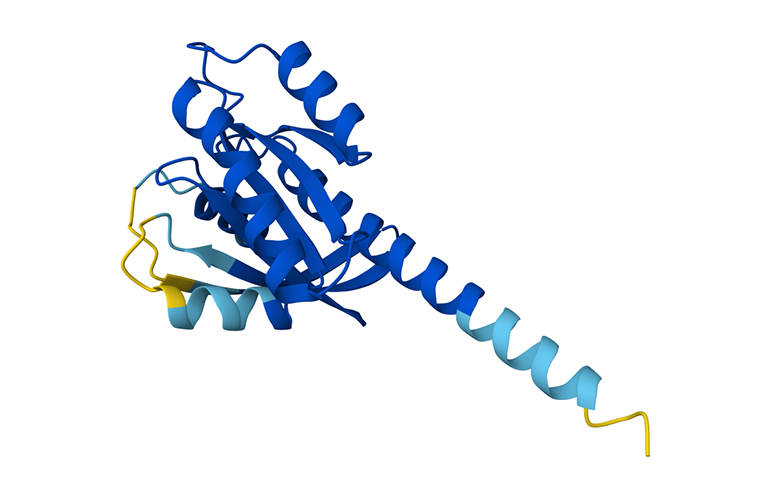
The journey to daraxonrasib’s success is rooted in foundational research that began over a decade ago. Dr. Kevan Shokat at UCSF was instrumental in 2013, identifying a transient, druggable pocket on mutant KRAS G12C, which paved the way for subsequent targeted therapies like sotorasib (AMG 510) and adagrasib. Simultaneously, Dr. Frank McCormick led the National Cancer Institute’s RAS Initiative, a concerted effort to unravel the complexities of RAS biology and accelerate drug discovery. These pioneering efforts transformed KRAS from an intractable target into a viable one, culminating in the development of therapies like daraxonrasib that address broader RAS mutations.
Dr. Bardon emphasized the historical significance of this achievement: "Scientists have long called KRAS the ‘greasy ball’ because the protein is hydrophobic with no obvious pockets for a drug to bind to. We’ve never had a breakthrough before in pancreatic cancer; all we’ve had is mostly failure and very incremental contributions." She likened the impact to another landmark in cancer treatment: "It’s kind of like in lung cancer when we figured out EGFR therapies and developed drugs like Tagrisso." The success of daraxonrasib not only offers new hope for pancreatic cancer patients but also validates the broader strategy of targeting previously "undruggable" oncogenes, potentially opening doors for similar breakthroughs in other RAS-driven cancers.
A Chinese-Developed Bispecific Antibody Challenges the Immunotherapy Status Quo
For the past decade, PD-1 inhibitors such as Merck’s Keytruda (pembrolizumab) and Bristol Myers Squibb’s Opdivo (nivolumab) have revolutionized cancer immunotherapy, becoming the bedrock of treatment across numerous tumor types and collectively generating over $50 billion in annual revenue. Their mechanism of action—blocking the PD-1 pathway to unleash the body’s immune response against cancer—has saved countless lives. However, their dominance may soon be challenged by a new class of molecules, exemplified by ivonescimab, a bispecific antibody developed in China.
Ivonescimab simultaneously targets two critical pathways: PD-1 and VEGF (vascular endothelial growth factor). By blocking PD-1, it reactivates T-cells, and by inhibiting VEGF, it not only disrupts tumor angiogenesis (blood vessel formation) but also modulates the immunosuppressive tumor microenvironment, creating a more favorable setting for anti-tumor immunity. This dual mechanism is hypothesized to offer superior efficacy compared to single-target PD-1 inhibitors.
Summit Therapeutics, a key player in bringing ivonescimab to global markets, submitted a Biologics License Application (BLA) to the U.S. FDA for ivonescimab in combination with chemotherapy for the treatment of EGFR-mutated non-small cell lung cancer (NSCLC) post-TKI therapy. The FDA accepted the filing in January 2026, with a PDUFA date set for November 14, 2026. The true test of ivonescimab’s disruptive potential, however, is at ASCO 2026, where overall survival (OS) data from the Phase 3 HARMONi-6 trial will be presented in a plenary session. This trial compares ivonescimab plus chemotherapy against a PD-1 inhibitor plus chemotherapy in first-line squamous NSCLC.
Dr. Bardon expressed the industry’s initial surprise regarding this molecule: "I don’t think I would have invested in a company starting this kind of molecule because we had no idea it would work. It was only because these drugs are generating clinical data very easily in China that we saw the data and were literally floored." The rapid generation of compelling clinical data in China allowed ivonescimab to advance quickly and showcase its potential, catching many Western pharmaceutical companies off guard.
If the HARMONi-6 overall survival data prove positive, the implications for the broader oncology landscape are profound, extending far beyond lung cancer. Ivonescimab has already demonstrated strong progression-free survival (PFS) data against PD-1-based regimens. Positive OS data would strongly suggest its superiority across many indications where PD-1 inhibitors are currently approved. The industry is already reacting: at the AACR pharma partnering event, there was a stark contrast from the previous year. "Last year, when the ivonescimab data first hit, nobody had a PD-1/VEGF in their pipeline. Surprise, surprise, this year they do," Bardon observed. She concluded, "If this trial is positive, no pharma company, especially ones with PD-1s like Merck and BMS, can afford not to have a PD-1/VEGF." This suggests a fierce race to develop or acquire similar bispecific antibodies, signaling a potential paradigm shift in immunotherapy combinations.
Navigating the Post-Keytruda Era and the Dawn of Accessible Cell Therapy
Merck & Co. faces a formidable challenge with its cornerstone product, Keytruda. The pembrolizumab franchise, including the recently approved Keytruda Qlex (a subcutaneous formulation), generated a staggering $31.7 billion in 2025. Keytruda Qlex, approved in September 2025 for 38 solid tumor indications, represents a significant lifecycle management strategy. It transforms a 30-minute intravenous infusion into a one-minute subcutaneous injection, greatly enhancing patient convenience and potentially improving adherence. This move aims to migrate prescribers and patients to a new, patent-protected version before biosimilars can launch against the original IV formulation.
However, the core U.S. patent for Keytruda is set to expire in 2028, marking what is widely considered the largest single patent cliff event in pharmaceutical history. The financial impact on Merck could be immense. Anticipating this, at least seven companies, including Samsung Bioepis, Sandoz, Celltrion, and Amgen, are actively developing pembrolizumab biosimilars, with FDA submissions expected as early as 2026. Merck CEO Rob Davis has publicly stated confidence in managing this transition, predicting a "very shallow period" post-loss of exclusivity (LOE), with a return to growth within a few years.
Yet, the competitive threat to Keytruda’s dominance extends beyond biosimilars. Analysts at RBC Capital Markets noted in April 2026 that "market optimism is building" that ivonescimab’s results "could lead to accelerated FDA approval and begin to erode Merck’s dominance in first-line lung cancer." This dual assault from biosimilars and potentially superior next-generation immunotherapies like ivonescimab presents a complex challenge for Merck.
Dr. Bardon encapsulated the broader implications: "The LOE will dramatically affect Merck because of the huge revenue that drug generates. But the next chapter of that drug may be PD-1/VEGF. Imagine $60 billion of aggregate revenue across all PD-1s, and now imagine that all being replaced with a new drug targeting PD-1/VEGF. That’s why this is so huge." This scenario underscores the rapid evolution of oncology treatments, where even highly successful therapies can face significant disruption from innovative new entrants.
Making Cell Therapy Ordinary: The In-Vivo Revolution
While Keytruda Qlex simplifies drug administration for solid tumor patients, the field’s most potent therapies for blood cancers—such as leukemia, lymphoma, and myeloma, which affect nearly 200,000 Americans annually—remain far more complex to deliver. Traditional CAR-T (Chimeric Antigen Receptor T-cell) cell therapies have demonstrated remarkable durable remissions in these challenging malignancies. However, their current iteration is hampered by a slow, labor-intensive, and expensive manufacturing process, confined to highly specialized academic medical centers. This limits patient access and broad applicability.
The oncology landscape is now moving into a transformative "chapter three" of cell therapy: programming cells inside the patient’s body (in-vivo CAR-T). This approach aims to circumvent the logistical and cost barriers of ex-vivo manufacturing, where a patient’s T-cells are extracted, genetically engineered in a lab, expanded, and then reinfused. The industry is betting heavily on this future, as evidenced by a flurry of high-value M&A activity.
Eli Lilly, for instance, acquired Orna Therapeutics in February 2026 for up to $2.4 billion. Orna is pioneering the use of engineered circular RNA delivered via lipid nanoparticles to generate CAR-T cells directly within the patient. This eliminates the need for external cell extraction and re-engineering. This acquisition follows a series of similar strategic moves: AbbVie’s $2.1 billion purchase of Capstan Therapeutics, BMS’s $1.5 billion acquisition of Orbital Therapeutics, and AstraZeneca’s $1 billion deal for EsoBiotec. All these companies are focused on various in-vivo cell engineering platforms.
Dr. Bardon, whose firm MPM BioImpact was an investor in Orna before the Lilly acquisition, described the evolution of cell therapy: "Personalized autologous CAR-T can cure patients, but the cost is high, manufacturing is slow, and only sophisticated academic medical centers can administer it." She noted that allogeneic cell therapy using donor cells, the "second chapter," proved "very difficult and not very effective." This pushed the field directly to the third chapter: in-vivo programming. "They use lipid nanoparticles to deliver circular RNA to a cell and make it a CAR-T inside the patient," Bardon explained. "This is utterly transformative because it would be off-the-shelf and could be used by community physicians." This vision of "off-the-shelf", accessible cell therapy delivered through a simple injection promises to democratize these life-saving treatments, making them available to a much wider patient population and fundamentally reshaping the management of blood cancers.
A New Era of Cancer Treatment Unfolds
ASCO 2026 stands as a testament to the relentless pursuit of innovative cancer treatments. From finally conquering the "undruggable" RAS oncogene in pancreatic cancer to challenging the dominance of established immunotherapies with potent bispecific antibodies, and pioneering the next generation of accessible cell therapies, the advancements showcased represent more than just scientific progress. They signify a profound transformation in how cancer is understood, diagnosed, and treated, promising a future where more patients have access to more effective, and potentially curative, therapies. The biotech sector’s renewed vigor, coupled with focused investment in oncology, is accelerating this journey, making what once seemed impossible, increasingly within reach.