The annual scientific sessions of the American Diabetes Association (ADA) this week served as a pivotal platform for unveiling cutting-edge research in diabetes and obesity, prominently featuring new clinical and preclinical data for GLP-1 receptor agonists from pharmaceutical giants such as Eli Lilly, Novo Nordisk, and AstraZeneca. However, the conference was also marked by an unusual and highly publicized incident where several prominent researchers were escorted out by police after distributing an editorial critical of the Trump administration’s science policies, casting a shadow over the scientific proceedings and sparking a debate about academic freedom and advocacy within professional conferences.
The Unforeseen Interruption: A Clash Over Science Policy
The controversy unfolded as attendees gathered for one of the most anticipated sessions, shortly before Dr. Jay Bhattacharya, director of the National Institutes of Health (NIH), was scheduled to address the conference. A group of experts, including Aaron Kelly, a professor of pediatrics at the University of Minnesota, and Justin Ryder, a fellow researcher, began distributing copies of a recently published editorial from the ADA’s own flagship journal, Diabetes Care. The editorial, titled "Misguided Brushes of a Pen Continue to Dismantle," offered a scathing critique of the previous administration’s approach to science, specifically detailing the detrimental effects of funding cuts, the sidelining of scientific expertise, and other policy decisions on vital diabetes research.
According to accounts from those involved, security staff swiftly intervened, requesting the researchers to cease distribution and step outside. Attempts by security to confiscate the papers were met with resistance. The situation escalated when the researchers, undeterred, reportedly tried to re-enter the convention center through a different entrance. They were subsequently confronted by event security and uniformed police officers, who issued a clear warning: any further attempt to enter the premises would be considered trespassing and would lead to arrest. Following this confrontation, organizers informed five of the researchers that their participation in the remainder of the conference was revoked, despite some being scheduled to present their own research.
This incident immediately ignited discussions among attendees and observers about the appropriate boundaries for political expression at scientific conferences. While the ADA maintains a policy of fostering an environment focused on scientific exchange, the episode highlighted the tension between maintaining order and supporting the rights of scientists to engage in advocacy, especially when the subject directly impacts their field. The editorial itself articulated concerns that budget reallocations and a perceived devaluation of evidence-based policymaking had hampered long-term research initiatives, delayed critical discoveries, and potentially undermined public health efforts in diabetes management and prevention. The timing of the protest, just before a high-ranking NIH official’s address, was a deliberate move to draw attention to these concerns directly before a representative of federal science policy.
The Scientific Front: GLP-1 Agonists Dominate Discussions
Despite the political undercurrents, the core mission of the ADA conference—advancing diabetes care through scientific discovery—proceeded with significant announcements, particularly in the burgeoning field of GLP-1 receptor agonists and related compounds. These therapies, initially developed for type 2 diabetes, have revolutionized the treatment landscape for obesity and are now demonstrating promise in addressing a wider array of cardiometabolic comorbidities. The presentations underscored the rapid innovation and intense competition among pharmaceutical companies striving to develop more potent, safer, and convenient treatments.
Eli Lilly’s Retatrutide: A Triple Agonist’s Broad Potential
One of the most anticipated revelations came from Eli Lilly, which presented impressive Phase 3 results for its investigational triple agonist, retatrutide. This novel compound targets not only the GLP-1 receptor but also the GIP (glucose-dependent insulinotropic polypeptide) and glucagon receptors, offering a multi-pronged approach to metabolic regulation. The data showcased a remarkable 28.3% mean body weight loss over 80 weeks at the highest dose, setting a new benchmark for weight reduction in pharmacological interventions for obesity.
Beyond its primary effects on weight and glycemic control, retatrutide demonstrated significant benefits for obesity-related comorbidities. The trial reported a substantial reduction in knee osteoarthritis pain, with improvements of up to 73.1%, and a 60.6% reduction in the severity of moderate-to-severe obstructive sleep apnea. These findings are particularly impactful given the strong association of both conditions with obesity, suggesting that comprehensive weight management can alleviate secondary health burdens. Dr. Ania Jastreboff, the lead investigator for the study, emphasized the broader implications: "These findings demonstrate what may be possible when we treat obesity and impact overall health, and what this could mean for people living with obesity and its related complications."
For patients with type 2 diabetes, retatrutide also achieved a robust reduction in HbA1c (glycated hemoglobin) by up to 2%. A remarkable 90% of participants attained an HbA1c level below 7%, the general target recommended by the ADA for most adults with type 2 diabetes, indicating superior glycemic control. The drug also showed favorable effects on lipid profiles and blood pressure, reducing triglycerides by up to 41%, non-HDL cholesterol by 24.2%, and systolic blood pressure by 12.3 mmHg.
In terms of tolerability, retatrutide’s safety profile was generally consistent with other GLP-1 class medications. The most commonly reported adverse events included gastrointestinal issues such as nausea, diarrhea, constipation, and vomiting, which are typical for this drug class and often managed by dose titration. A notable observation was that approximately 14.2% of participants on the highest dose experienced upper respiratory tract infections, and some reported dysesthesia, a sensory disturbance, which has been observed to a limited extent with related drugs. Lilly’s comprehensive data positions retatrutide as a potential game-changer, offering a holistic approach to managing the complex interplay of obesity, type 2 diabetes, and associated complications.
Novo Nordisk’s CagriSema: Navigating a Competitive Landscape
Novo Nordisk, a long-standing leader in diabetes and obesity care, presented new Phase 3 data for CagriSema, a fixed-dose combination of cagrilintide (an amylin analog) and semaglutide (a GLP-1 receptor agonist). The "REIMAGINE" program trials demonstrated significant reductions in HbA1c and body weight compared to individual components and placebo. Martin Holst Lange, executive vice president, chief scientific officer, and head of Research and Development at Novo Nordisk, highlighted the potential: "With these findings, CagriSema has the potential to be the first amylin and GLP-1 combination therapy that addresses blood glucose control with reductions in bodyweight for people living with type 2 diabetes."
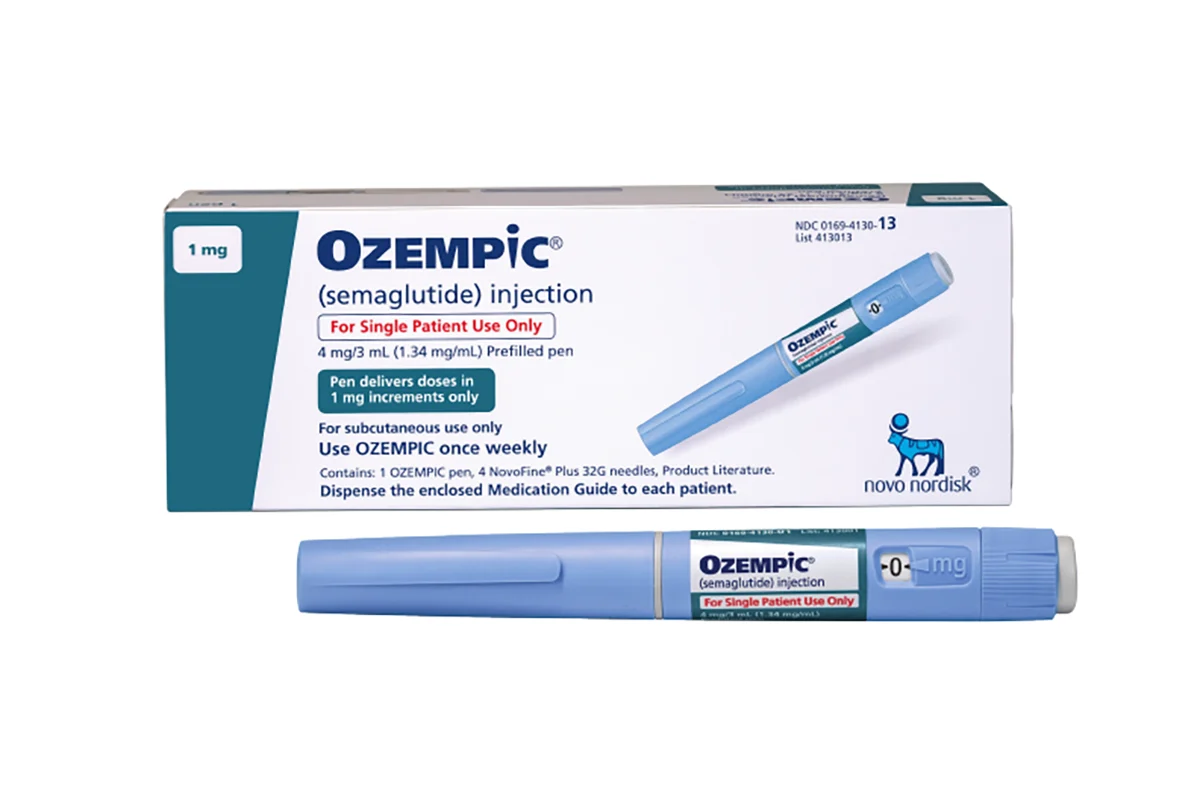
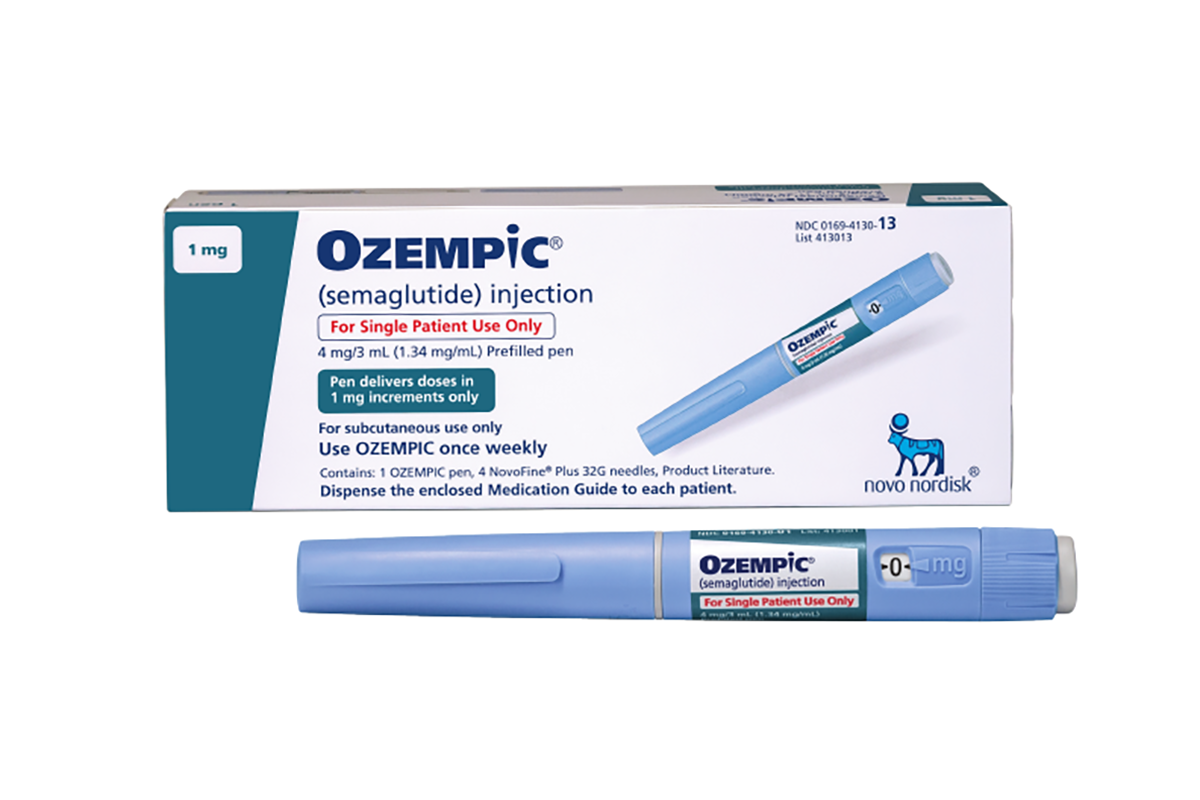
When directly compared to semaglutide (Ozempic/Wegovy) monotherapy, CagriSema achieved a greater reduction in both HbA1c and body weight. Specifically, the highest dose of CagriSema led to a 14.2% reduction in body weight over 68 weeks, outperforming semaglutide’s 10.2% reduction at the same dose and duration. This incremental benefit underscores the synergistic effects of combining an amylin analog, which enhances satiety and slows gastric emptying, with a GLP-1 agonist.
However, the path for CagriSema has not been without its competitive challenges. Earlier this year, another Phase 3 trial revealed that CagriSema was inferior to Eli Lilly’s tirzepatide (Mounjaro/Zepbound), a dual GIP/GLP-1 agonist. In that head-to-head comparison, CagriSema achieved a 23% weight loss after 84 weeks of treatment, whereas tirzepatide demonstrated a 25.5% reduction. Lange addressed this during an investor call, explaining that Zepbound "performed unusually well on efficacy compared to what has typically been reported in most previous trials of a similar nature." He further elaborated that in a separate Phase 3 trial in adults with pre-diabetes and obesity, tirzepatide achieved an average weight reduction of 22.9% on its highest dose, a figure that was 2.1% less than what was observed in the CagriSema comparator trial, suggesting that trial-specific factors or patient populations might influence comparative outcomes. Despite not surpassing tirzepatide in all metrics, CagriSema’s robust performance against semaglutide and its unique mechanism of action position it as a strong contender, particularly for patients seeking enhanced weight loss and glycemic control beyond current monotherapies.
The Rise of Oral GLP-1s: Convenience Versus Efficacy
The conference also provided updates on the advancement of oral GLP-1 receptor agonists, a category that promises greater convenience for patients but has historically faced challenges in matching the efficacy of injectable formulations. AstraZeneca presented data for its oral GLP-1, elecoglipron, which achieved an 11.8% weight reduction at 36 weeks and lowered HbA1c by 1.9% at 26 weeks. A significant 90% of patients reached an HbA1c below 7%. These promising Phase 2 results will propel elecoglipron into Phase 3 trials for both obesity and type 2 diabetes, where it will also be evaluated for its potential cardiovascular and kidney outcomes, reflecting the growing understanding of GLP-1s’ broader protective effects.
Another contender in the oral space, Ascletis’s ASC30, showed a weight loss of up to 7.7% at week 13 in Phase 2 trials. While this figure is currently less than the weight loss observed with injectable counterparts, the drug exhibited a favorable tolerability profile, with approximately half the rate of vomiting compared to orforglipron, another oral GLP-1 in development that requires weekly titration. Ascletis also highlighted preclinical findings for its oral amylin receptor agonist, demonstrating selectivity comparable to eloralintide, suggesting future potential for combination therapies in an oral format. These developments underscore the industry’s commitment to making effective treatments more accessible and tolerable, despite the current efficacy gap between oral and injectable GLP-1s.
Pfizer’s Monthly Innovation: Berobenatide’s Promise
Pfizer, an active player in the GLP-1 arena, showcased data for berobenatide, a novel once-monthly GLP-1 receptor agonist. This long-acting peptide demonstrated a 15.9% weight loss at 32 weeks and a 2.2% reduction in HbA1c at 18 weeks, positioning it as a potentially highly convenient option for patients. Jim List, chief internal medicine officer at Pfizer, articulated the company’s vision: "These data highlight the potential for berobenatide to be the first approved monthly GLP-1 RA peptide and support our extensive Phase 3 program that includes 10 studies for chronic weight management and obesity-related comorbidities."
The ongoing clinical development for berobenatide is robust, with the VESPER-6 Phase 3 study currently open for enrollment. This study will investigate monthly maintenance dosing in adults with obesity or overweight. Additionally, Pfizer is exploring combination therapies with its SOLIS-1 Phase 2b study, which is evaluating weekly and monthly maintenance dosing of an ultra-long-acting amylin analog (PF-3945) both as a monotherapy and in combination with berobenatide. The focus on a monthly dosing regimen for a GLP-1 RA peptide represents a significant step forward in patient convenience, potentially improving adherence and long-term outcomes for individuals managing chronic conditions like obesity and type 2 diabetes.
Broader Implications and Future Outlook
The ADA conference highlighted the profound shift occurring in the treatment of metabolic diseases. The data presented reinforces the understanding that obesity is a complex chronic disease requiring effective, long-term pharmacological intervention, and that treating obesity can yield substantial benefits across numerous related health conditions, from cardiovascular risk to musculoskeletal pain and sleep disorders. The competitive landscape is intensely dynamic, with each pharmaceutical company striving for improved efficacy, novel mechanisms of action, and enhanced patient convenience, whether through triple agonists, combination therapies, oral formulations, or extended-release injectables.
The advancements in GLP-1-based therapies are poised to reshape clinical practice, offering healthcare providers a more powerful arsenal against the global epidemics of type 2 diabetes and obesity. However, these innovations also bring to the forefront challenges related to access, affordability, and the equitable distribution of these potentially life-changing medications. The incident involving the removed researchers serves as a stark reminder that scientific progress is intertwined with broader societal and political contexts, and that debates over funding, policy, and academic freedom will continue to shape the environment in which such groundbreaking discoveries are made and disseminated. The 2026 ADA Scientific Sessions will be remembered not only for its impressive scientific breakthroughs but also for its unexpected demonstration of the enduring tension between scientific advocacy and institutional decorum.