The human body performs an extraordinary logistical feat every single day, manufacturing approximately 200 billion new red blood cells to sustain the continuous delivery of oxygen from the lungs to every organ and tissue. For generations, medical science has taught that this vast, relentless biological manufacturing process occurs almost exclusively within the spongy interior of the skeletal system—the bone marrow. However, a landmark study conducted by researchers at the University of California, San Francisco (UCSF) has fundamentally upended this long-standing physiological paradigm. According to findings published in the journal Blood, human lungs are not merely passive gas-exchange organs; they are active, highly productive sites of blood cell generation.
This revelation builds upon prior breakthroughs achieved by the same UCSF research team in murine models, successfully bridging the gap between animal biology and human physiology. By identifying functional hematopoietic stem cells (HSCs) and megakaryocytes—the precursors to blood-clotting platelets—within human lung tissue, scientists have opened an entirely new frontier in hematology. The implications of this discovery stretch far beyond basic physiology, offering promising pathways for regenerative medicine, significantly expanding the potential reservoirs available for life-saving stem cell transplants, and inviting a profound reevaluation of how the human body responds to systemic stress, disease, and trauma.
The Chronology of Discovery: From Murine Models to Human Tissues
The journey toward rewriting modern medical textbooks began years prior to the February publication in Blood, following a methodical trajectory of scientific inquiry that transitioned from observation to rigorous experimentation. In 2017, Dr. Mark Looney and his research team at UCSF published a startling discovery regarding the respiratory system of mice. Utilizing advanced imaging and cellular analysis techniques, the team observed that approximately 50 percent of a mouse’s platelets were actually being produced directly within its lungs, rather than solely inside the bone marrow.
This initial finding challenged the dogma of exclusive bone marrow hematopoiesis. Pushing further, the UCSF investigators discovered that murine lung tissue harbored versatile stem cells capable of generating all major constituents of blood: red blood cells, megakaryocytes, and several distinct populations of immune cells. While these findings were groundbreaking in the context of rodent biology, the scientific community immediately questioned whether such a mechanism existed in humans, whose physiological complexity and anatomical scales differ significantly from mice.
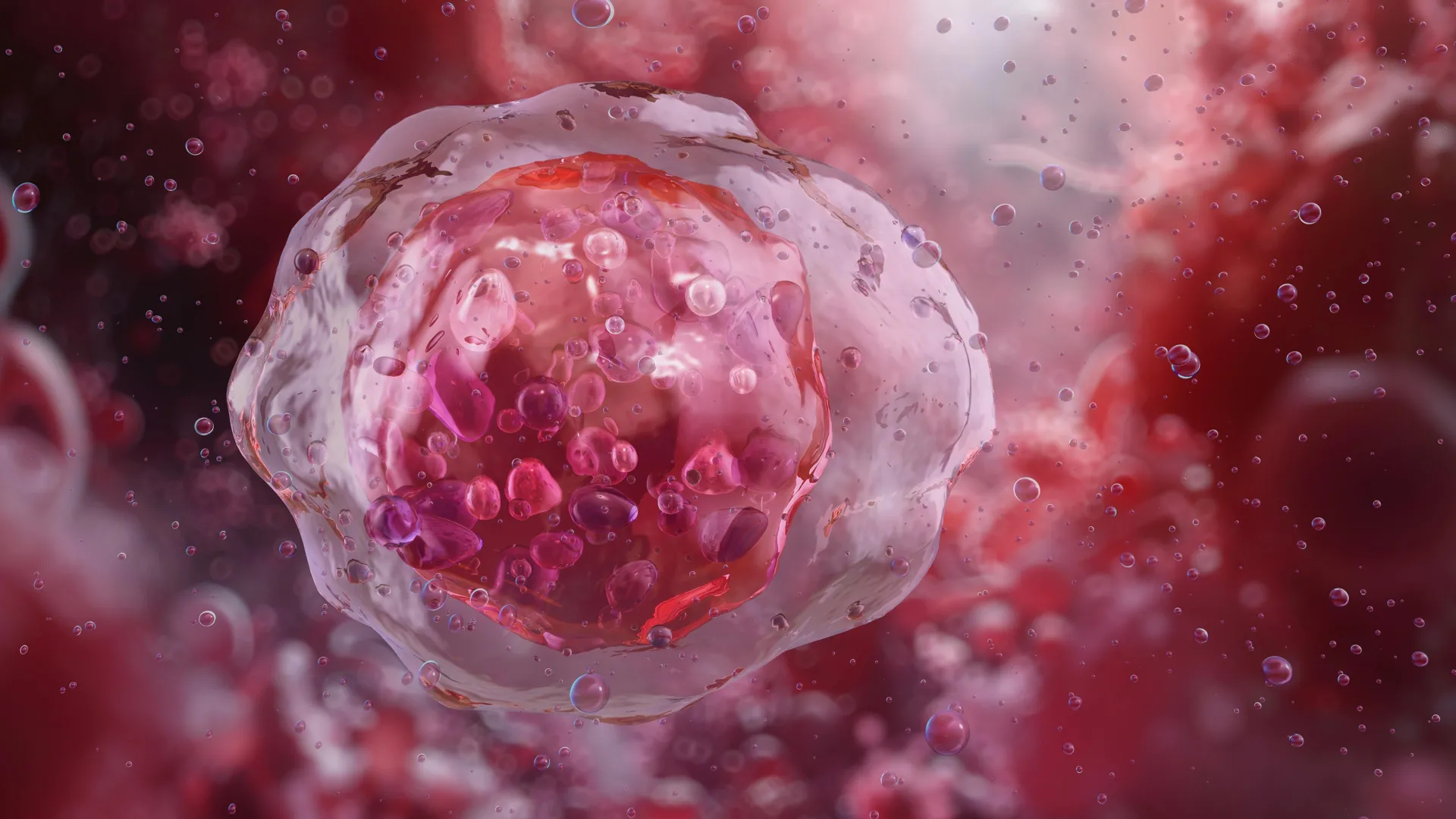
To answer this critical question, Looney’s laboratory embarked on a comprehensive comparative analysis. Obtaining carefully preserved human tissue samples—including donated lung tissue, bone marrow, and peripheral blood—the researchers initiated a meticulous screening process. By examining a volume of lung tissue roughly equivalent in size to a golf ball, the team isolated stem cells that bore a striking, undeniable resemblance to the classic hematopoietic stem cells traditionally harvested from bone marrow.
Quantitatively, the density and presence of these stem cells in the human lung were not isolated anomalies; they appeared at rates comparable to those found in human bone marrow. To verify their functional capacity, the scientists subjected both lung-derived and bone marrow-derived HSCs to rigorous in vitro cultivation in petri dishes. The results confirmed that the lung HSCs were fully competent, thriving under standard laboratory conditions and actively producing blood lineages. Notably, while both populations proved robust, the lung HSC colonies demonstrated an enhanced propensity to generate red blood cells and megakaryocytes, whereas bone marrow colonies tended to skew toward immune cell production. Furthermore, when transplanted into HSC-deficient mice, the human lung stem cells successfully restored the murine bone marrow, establishing functional equivalency between the two anatomical reservoirs.
Anatomy and Integration: Proving Residency Within the Pulmonary Matrix
A central skepticism facing the discovery of extrapulmonary blood production was the possibility that these stem cells were merely transient travelers—immature cells that had originated in the bone marrow, escaped into the circulatory system, and happened to be caught passing through the rich capillary networks of the lungs. To definitively settle this debate, postdoctoral scholar Dr. Catharina Conrad and Dr. Looney undertook detailed histological examinations of human lung tissue samples.
Their investigation mapped the precise spatial distribution of the newly identified stem cells within the pulmonary architecture. The analysis revealed that the HSCs were strategically positioned between the delicate blood vessels of the lung tissue. This structural arrangement closely mirrors the specialized niches found within the bone marrow, providing an optimized microenvironment—or stem cell niche—complete with the necessary chemical signaling and structural support to maintain stem cell dormancy, self-renewal, and differentiation.
"They really seem to live there and aren’t just passing through," Dr. Conrad noted, emphasizing that the cells maintain a permanent, reliable residency within the respiratory matrix. This localized residency suggests that the lungs possess an autochthonous hematopoietic system, finely tuned to the unique physiological demands of the pulmonary environment.
Rethinking Clinical Realities: The Surprising Makeup of Bone Marrow Transplants
The ramifications of this discovery extend immediately into clinical medicine, specifically concerning hematopoietic stem cell transplantation (HSCT), a cornerstone therapy utilized globally for patients suffering from hematological malignancies such as leukemia, lymphoma, and various bone marrow failure syndromes.
In standard medical practice, a bone marrow transplant typically begins with the mobilization and collection of stem cells from a donor’s bloodstream following pharmacological stimulation, or via direct aspiration from the pelvic bone. However, when the UCSF team retrospectively analyzed the cellular signatures and outputs of routine clinical bone marrow transplants, they uncovered a startling revelation: nearly 20 percent of the stem cells successfully isolated for these procedures bore the biological signature of lung-derived HSCs.
This finding implies that medical science has unknowingly been harvesting lung-derived stem cells alongside bone marrow cells for decades. Because standard screening and collection protocols do not differentiate between the anatomical origin of circulating hematopoietic stem cells, patients undergoing transplants have routinely received a mixed cellular graft sourced from both the skeletal and respiratory systems. This retrospective insight not only validates the clinical viability of lung HSCs but also explains their successful engraftment and restorative capacity in historical medical procedures.
Official Responses and Expert Perspectives
The medical and scientific communities have received the UCSF findings with immense interest, recognizing both the elegance of the research and its profound therapeutic potential. Leaders within the scientific funding apparatus have underscored the importance of institutional support in uncovering such hidden biological systems. The research was prominently supported by the National Heart, Lung, and Blood Institute (NHLBI), a division of the National Institutes of Health (NIH), reflecting the federal commitment to advancing fundamental cardiovascular and pulmonary science.
Dr. Mark Looney, serving as the senior author of the study and a professor of medicine and laboratory medicine at UCSF, emphasized the historical significance of the findings while projecting toward future medical applications. "For decades, bone marrow transplants have been a lynchpin in the treatment of cancers like leukemia," Dr. Looney stated. "The lung HSCs could prove to be a second and significant reservoir of these precious stem cells."
Furthermore, researchers have highlighted the evolutionary logic underpinning this dual-system arrangement. Because the lungs represent the primary interface between the external environment and the internal circulatory system—responsible for oxygenating the entire body under varying metabolic loads—having an immediate, localized reservoir of blood-forming cells makes intuitive biological sense. Dr. Looney theorized that these pulmonary HSCs may function as a specialized emergency response system, rapidly activated whenever the organism experiences acute physiological stress, trauma, or heightened systemic demand for oxygen-carrying red blood cells and clotting platelets.
Broader Medical Implications and Future Horizons
As the medical community digests the implications of this study, researchers are already turning their attention to the numerous questions left unanswered. Principal among these is the distinct therapeutic utility of harvesting stem cells from different anatomical pools. Could lung-derived HSCs possess unique homing properties, proliferation rates, or immunological characteristics that make them superior for specific types of regenerative therapies or targeted cancer treatments?
Additionally, scientists are investigating the evolutionary and homeostatic reasons why the lungs require an independent capacity to manufacture blood constituents. Understanding the precise molecular cues that awaken pulmonary stem cells from dormancy could yield novel pharmacological interventions designed to stimulate blood production in patients suffering from bone marrow suppression due to chemotherapy, radiation, or genetic disorders.
The discovery that human lungs act as active sites of blood production fundamentally reshapes our comprehension of human anatomy and cellular biology. By establishing that the respiratory and circulatory systems cooperate not only through gas exchange but also through cellular generation, the UCSF research team has opened a promising new chapter in hematology. As clinical protocols evolve to account for this dual-reservoir reality, patients facing life-threatening blood disorders may soon benefit from therapies derived from the unexpected, yet vital, blood-forming capabilities of the human lung.