

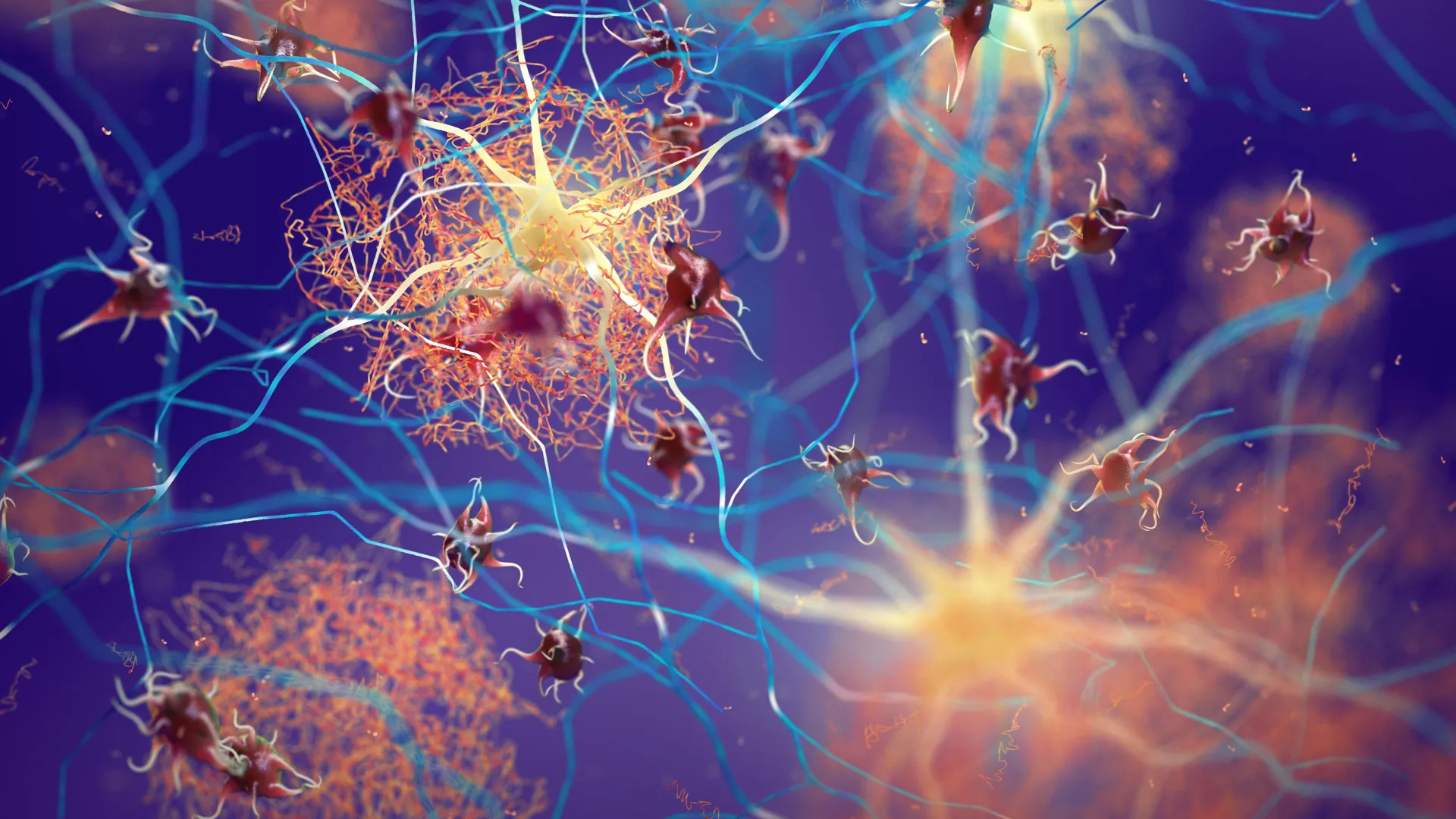
In a significant advancement for neurodegenerative research, scientists at Baylor College of Medicine have identified a biological pathway that enables the brain’s own support cells to identify and eliminate toxic protein aggregates associated with Alzheimer’s disease. The study, published recently in the journal Nature Neuroscience, demonstrates that by modulating a specific protein known as Sox9, researchers can essentially "reprogram" astrocytes—star-shaped non-neuronal cells—to act as a cellular vacuum system, clearing away amyloid-beta plaques that are the hallmarks of cognitive decline. This discovery represents a paradigm shift in how the scientific community approaches Alzheimer’s treatment, moving away from a purely neuron-centric focus toward a strategy that harnesses the brain’s innate glial defense mechanisms.
The Evolution of the Amyloid Hypothesis and the Role of Glial Cells
For decades, the "amyloid cascade hypothesis" has dominated Alzheimer’s research, suggesting that the accumulation of amyloid-beta plaques in the brain is the primary driver of the disease’s progression. These plaques disrupt communication between neurons and eventually lead to cell death, resulting in the memory loss and cognitive impairment characteristic of the condition. While pharmaceutical efforts have largely focused on developing antibodies to clear these plaques or drugs to prevent their formation, many of these clinical trials have yielded underwhelming results or significant side effects.
The Baylor study pivots toward the "glia-centric" view of the central nervous system. Astrocytes, which outnumber neurons in the human brain, were long considered to be mere "glue" (the Greek origin of "glia") that provided structural support. However, modern neuroscience has revealed that astrocytes are essential for maintaining the blood-brain barrier, regulating blood flow, providing nutrients to neurons, and modulating synaptic activity. As the brain ages, these cells undergo "reactive astrogliosis," a state where they change their shape and function. Until now, it was unclear whether these age-related changes were a cause of neurodegeneration or a failed attempt by the brain to protect itself.
The Discovery of Sox9 as a Master Regulator
The research team, led by Dr. Dong-Joo Choi and Dr. Benjamin Deneen, focused their investigation on Sox9, a transcription factor known to play a critical role in the development of the nervous system. Transcription factors like Sox9 act as master switches, turning genes on or off to control cell identity and function. Through a series of genomic analyses, the researchers observed that Sox9 levels and activity fluctuate significantly as the brain ages and as Alzheimer’s disease progresses.
"Astrocytes perform diverse tasks that are essential for normal brain function, including facilitating brain communications and memory storage," explained Dr. Choi, who conducted the research at Baylor’s Center for Cell and Gene Therapy. "As the brain ages, astrocytes show profound functional alterations; however, the role these alterations play in aging and neurodegeneration is not yet understood."
By manipulating the expression of the Sox9 gene in the brains of mice, the researchers were able to observe a direct correlation between the protein’s presence and the astrocytes’ ability to maintain their health. When Sox9 was depleted, the astrocytes became structurally simpler and lost their ability to perform routine maintenance tasks. Conversely, when Sox9 expression was boosted, the astrocytes became more complex and physiologically active, exhibiting a renewed capacity to interact with their environment.
Chronology of the Experiment and Methodology
The Baylor study was structured to address one of the most significant hurdles in Alzheimer’s research: the timing of intervention. Many experimental treatments succeed in mice when administered before symptoms appear but fail in human trials because patients are typically diagnosed only after significant damage has occurred. To address this, the Baylor team utilized mouse models that had already reached an advanced stage of the disease.
The experimental timeline was as follows:
- Baseline Establishment: Researchers utilized mouse models of Alzheimer’s disease that exhibited established amyloid plaques and measurable cognitive impairment, including memory deficits.
- Genetic Modulation: Using viral vectors, the team either overexpressed or silenced the Sox9 gene specifically within the astrocytes of the mice.
- Long-term Observation: The mice were monitored over a six-month period to track the progression of the disease and the impact of the Sox9 modulation.
- Behavioral Testing: Cognitive performance was evaluated using the Novel Object Recognition test and spatial memory tasks, which assess an animal’s ability to remember familiar environments versus new stimuli.
- Neuropathological Analysis: At the conclusion of the six months, the researchers performed high-resolution imaging and histological staining of the brain tissue to quantify the density of amyloid plaques and the structural integrity of the astrocytes.
Data Analysis: The "Vacuum Cleaner" Effect
The results of the study provided a stark contrast between the control groups and those with enhanced Sox9 activity. In mice where Sox9 was eliminated, there was a marked acceleration in plaque accumulation. These mice showed a rapid decline in cognitive tests, failing to recognize objects they had been exposed to previously. Their astrocytes appeared "shriveled," with fewer branches to reach out and touch the surrounding neurons and plaques.
In contrast, the mice that received an "upgrade" in Sox9 expression showed a remarkable reversal of symptoms. The researchers observed that the astrocytes in these mice were physically engulfing the amyloid-beta deposits. "We found that increasing Sox9 expression triggered astrocytes to ingest more amyloid plaques, clearing them from the brain like a vacuum cleaner," said Dr. Benjamin Deneen, professor and Chair in the Department of Neurosurgery at Baylor.
The data indicated that:
- Plaque Reduction: Higher levels of Sox9 led to a statistically significant decrease in the total volume of amyloid plaques in the hippocampus and cortex.
- Structural Complexity: Astrocytes in the Sox9-boosted group displayed a higher degree of arborization (branching), allowing them to cover more territory within the brain’s extracellular space.
- Cognitive Preservation: These mice performed nearly as well as healthy, non-Alzheimer’s control mice in memory tests, suggesting that the clearance of plaques had a direct functional benefit on the brain’s ability to process and store information.
Expert Reactions and Scientific Context
The broader scientific community has reacted to these findings with cautious optimism. While the "amyloid hypothesis" has seen recent successes with FDA-approved monoclonal antibodies like lecanemab, those treatments require regular infusions of synthetic antibodies that must cross the blood-brain barrier. The Baylor study suggests a way to achieve similar results using the brain’s own cellular machinery.
Independent neuroscientists have noted that the use of "symptomatic" mice is a particularly robust aspect of the study. By showing that Sox9 can work even after plaques have formed, the researchers have increased the likelihood that this pathway could be relevant for human patients who are already experiencing the early stages of dementia.
Furthermore, the study highlights the importance of "proteostasis"—the process by which cells maintain the health of their proteins. In Alzheimer’s, the brain’s proteostasis fails. By showing that Sox9 regulates the genes involved in lysosomal activity (the cell’s waste disposal system), the Baylor team has identified a specific molecular lever that can be pulled to restart the brain’s cleaning process.
Broader Implications and Future Directions
The implications of this research extend beyond Alzheimer’s disease. Many neurodegenerative conditions, including Parkinson’s and Huntington’s disease, are characterized by the buildup of toxic protein aggregates. If Sox9 or a similar regulatory protein can be used to activate astrocytes in those contexts, it could open the door to a universal "cleaning" therapy for the aging brain.
However, the transition from mouse models to human application remains a significant challenge. Human astrocytes are much larger and more complex than those found in mice. The researchers emphasize that the next phase of their work will involve investigating whether Sox9 functions similarly in human brain tissue and whether a drug or gene therapy can safely replicate the effects seen in the lab.
"This study suggests that enhancing astrocytes’ natural ability to clean up could be just as important as focusing on neurons," Deneen noted. This shift in strategy could lead to "combination therapies" where traditional drugs prevent plaque formation while astrocyte-targeted treatments clear existing damage.
Research Team and Institutional Support
The success of this study was the result of a multi-disciplinary effort involving several high-profile institutions. Dr. Dong-Joo Choi, the first author, has since transitioned to an assistant professorship at the University of Texas Health Science Center at Houston, where he continues to study glial biology.
The Baylor College of Medicine team included a diverse group of researchers: Sanjana Murali, Wookbong Kwon, Junsung Woo, Eun-Ah Christine Song, Yeunjung Ko, Debo Sardar, Brittney Lozzi, Yi-Ting Cheng, Michael R. Williamson, Teng-Wei Huang, Kaitlyn Sanchez, and Joanna Jankowsky. Their work was conducted across various departments, including the Center for Cancer Neuroscience and the Jan and Dan Duncan Neurological Research Institute at Texas Children’s Hospital.
The study was supported by a series of prestigious grants from the National Institutes of Health (NIH), including funding from the National Institute of Neurological Disorders and Stroke and the National Institute on Aging. Additional support was provided by the David and Eula Wintermann Foundation and the Eunice Kennedy Shriver National Institute of Child Health & Human Development.
As the global population ages and the prevalence of Alzheimer’s disease is expected to rise, the discovery of the Sox9-astrocyte pathway provides a vital new lead in the quest to preserve human cognition. By turning the brain’s "support staff" into its most effective "cleanup crew," science may have found a way to slow, or even reverse, the devastating effects of neurodegeneration.

















Leave a Reply