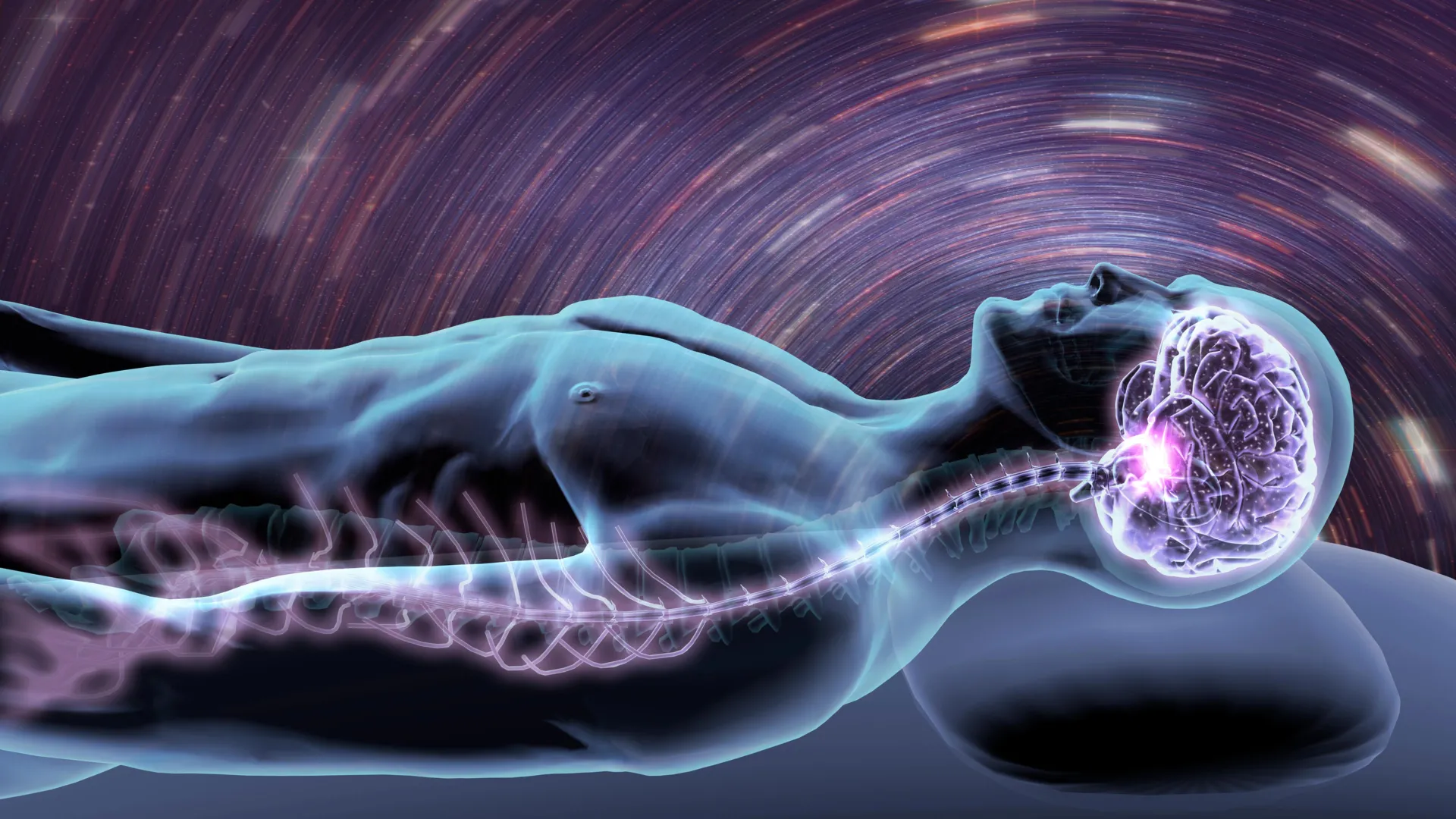
The biological necessity of deep sleep has long been understood as a period of restoration, but the precise neural mechanisms governing how the brain coordinates physical repair with the sleep cycle have remained elusive. Researchers at the University of California, Berkeley, have recently identified a specific brain circuit that manages the release of growth hormone (GH) during sleep, revealing a sophisticated feedback loop that links metabolic health, physical growth, and cognitive alertness. Published in the journal Cell, the study provides the first direct mapping of the hypothalamic neurons responsible for the nocturnal surge of growth hormone, offering a potential breakthrough for treating sleep-related metabolic disorders and neurodegenerative diseases.
For decades, clinicians have observed that growth hormone—a peptide essential for muscle development, bone density, and fat metabolism—peaks during the early stages of deep, non-rapid eye movement (non-REM) sleep. However, the "black box" of the brain’s internal wiring prevented scientists from seeing how these hormonal surges were triggered or why sleep deprivation so consistently led to hormonal deficiencies. The UC Berkeley team, led by postdoctoral fellow Xinlu Ding and senior author Yang Dan, utilized advanced optogenetic techniques and neural recording in mice to pinpoint the exact cellular interactions within the hypothalamus that drive this process.
The Hypothalamic Engine of Physical Repair
The hypothalamus, a small but vital region at the base of the brain, acts as the primary interface between the nervous system and the endocrine system. Within this region, the Berkeley team focused on two competing groups of neurons: those that produce growth hormone-releasing hormone (GHRH) and those that produce somatostatin. Under normal conditions, GHRH stimulates the pituitary gland to release growth hormone into the bloodstream, while somatostatin acts as a "brake," inhibiting its release.
The research revealed that during sleep, these two neuronal populations engage in a coordinated dance. In the transition to deep sleep, somatostatin activity drops significantly, allowing GHRH neurons to fire more effectively. Interestingly, the study found that the patterns of release vary between sleep stages. During REM sleep—the stage associated with dreaming—both GHRH and somatostatin activity increases, leading to a substantial surge in growth hormone. During non-REM sleep, the rise in GHRH is more moderate, but because somatostatin levels are lower, the hormone is still steadily secreted.
This discovery clarifies why "fragmented" sleep is so damaging to the body. When the sleep cycle is interrupted, the delicate balance between GHRH and somatostatin is disrupted, preventing the pituitary gland from receiving the signals necessary to produce the required amount of growth hormone for tissue repair and metabolic regulation.
A New Feedback Loop: From Growth to Alertness
One of the most significant findings of the study is the identification of a feedback loop involving the locus coeruleus (LC), a region in the brainstem responsible for arousal, attention, and the "fight or flight" response. The researchers discovered that as growth hormone circulates through the system, it travels back to the brain and activates neurons in the locus coeruleus.
This creates a self-regulating system: sleep triggers growth hormone, and growth hormone, in turn, influences the brain’s state of alertness. The researchers observed that as growth hormone levels build up throughout a sleep cycle, they gradually stimulate the locus coeruleus, nudging the brain toward wakefulness. However, the system contains a paradoxical "safety valve." When the locus coeruleus becomes excessively active, it can actually trigger a drive for sleep, preventing the body from remaining in a state of hyper-arousal.
"This suggests that sleep and growth hormone form a tightly balanced system," noted Daniel Silverman, a postdoctoral fellow at UC Berkeley and co-author of the study. "Too little sleep reduces growth hormone release, and too much growth hormone can in turn push the brain toward wakefulness. This balance is essential for growth, repair, and metabolic health."
Chronology of Scientific Progress in Sleep Research
The mapping of this circuit represents the culmination of over half a century of endocrinology and neuroscience. The timeline of discovery in this field highlights the importance of the Berkeley breakthrough:
- 1968: Researchers first identified a correlation between the onset of deep sleep and a massive spike in growth hormone levels in humans.
- 1980s: Scientists identified GHRH and somatostatin as the primary regulators of the pituitary gland, though the neural triggers for their release remained theoretical.
- 2000s: Epidemiological studies began to link chronic sleep deprivation with a higher risk of obesity and Type 2 diabetes, pointing toward a metabolic-hormonal link.
- 2010s: The development of optogenetics allowed researchers to control specific neurons with light, providing the tools needed to map complex brain circuits.
- 2024: The UC Berkeley study successfully maps the hypothalamic-locus coeruleus circuit, providing a physical blueprint for the sleep-GH relationship.
Data-Driven Implications for Metabolic and Neurological Health
The implications of this research extend far beyond pediatric growth. Because growth hormone is a primary regulator of how the body processes lipids (fats) and glucose (sugars), the discovery of the sleep-GH circuit provides a biological explanation for the "metabolic syndrome" often seen in shift workers and individuals with chronic insomnia.
Supporting data from the National Institutes of Health (NIH) indicates that even a single night of restricted sleep can lead to a state of insulin resistance comparable to that of a person with Type 2 diabetes. By identifying the GHRH-somatostatin-LC circuit, researchers now have a target for pharmacological interventions. If a drug could mimic the activity of this circuit, it might be possible to restore normal metabolic function in patients who cannot achieve high-quality sleep due to medical conditions.
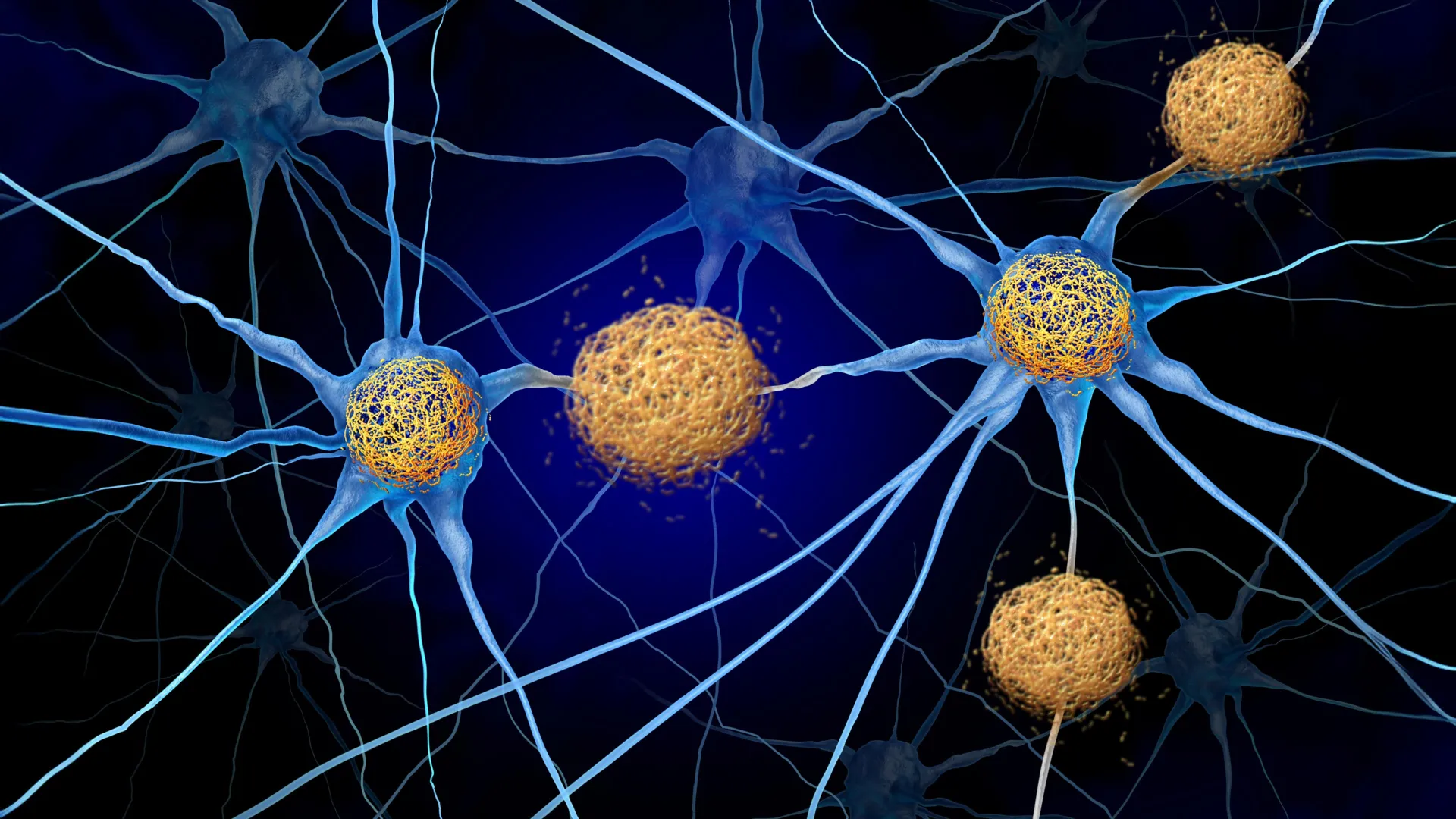
Furthermore, the locus coeruleus is often one of the first brain regions to show signs of degeneration in neurological conditions like Alzheimer’s and Parkinson’s disease. The discovery that growth hormone directly interacts with this region suggests that maintaining healthy GH levels through improved sleep—or through targeted hormonal therapy—could potentially play a role in slowing cognitive decline or improving daytime alertness in elderly patients.
Expert Reactions and Future Directions
The scientific community has responded to the Berkeley study with cautious optimism. Independent neurologists note that while the study was conducted in mice, the hypothalamic structures and the locus coeruleus are highly conserved across all mammalian species, meaning the findings are highly likely to translate to human biology.
"We are providing a basic circuit to work on in the future to develop different treatments," said Xinlu Ding. "People know that growth hormone release is tightly related to sleep, but only through drawing blood. We’re actually directly recording neural activity to see what’s going on."
The research team suggests that future therapies might involve "dialing back" the excitability of the locus coeruleus to treat insomnia or using growth hormone analogues to improve "sleep architecture" in patients with growth deficiencies. There is also potential for experimental gene therapies that target the specific hypothalamic neurons identified in this study to treat refractory metabolic diseases.
Analyzing the Broader Impact
The Berkeley study reinforces the growing movement in public health to treat sleep not as a luxury, but as a fundamental pillar of medical care. The discovery that growth hormone also provides cognitive benefits—promoting arousal and focus upon waking—changes the narrative around sleep. It is no longer just a period of "turning off" the brain, but a period of "tuning" the brain’s alertness systems for the following day.
From a pediatric perspective, the study underscores the critical nature of sleep for adolescents. During puberty, the growth hormone surges during sleep are at their lifetime peak. Disruptions caused by early school start times or blue light exposure from devices may be doing more than making teenagers tired; they may be fundamentally altering the hormonal signaling required for full physical and cognitive development.
As the research moves toward human clinical trials, the Berkeley team’s work stands as a landmark in understanding the "whole-body" impact of the sleep cycle. By bridging the gap between the brain’s electrical activity and the body’s chemical messengers, science is moving closer to a future where sleep disorders are treated with the same precision as any other metabolic or neurological disease.
The research was supported by the Howard Hughes Medical Institute (HHMI) and the Pivotal Life Sciences Chancellor’s Chair fund, with contributions from collaborators at Stanford University. The team plans to continue investigating how other hormones, such as prolactin and thyroid-stimulating hormone, interact with this newly discovered circuit.