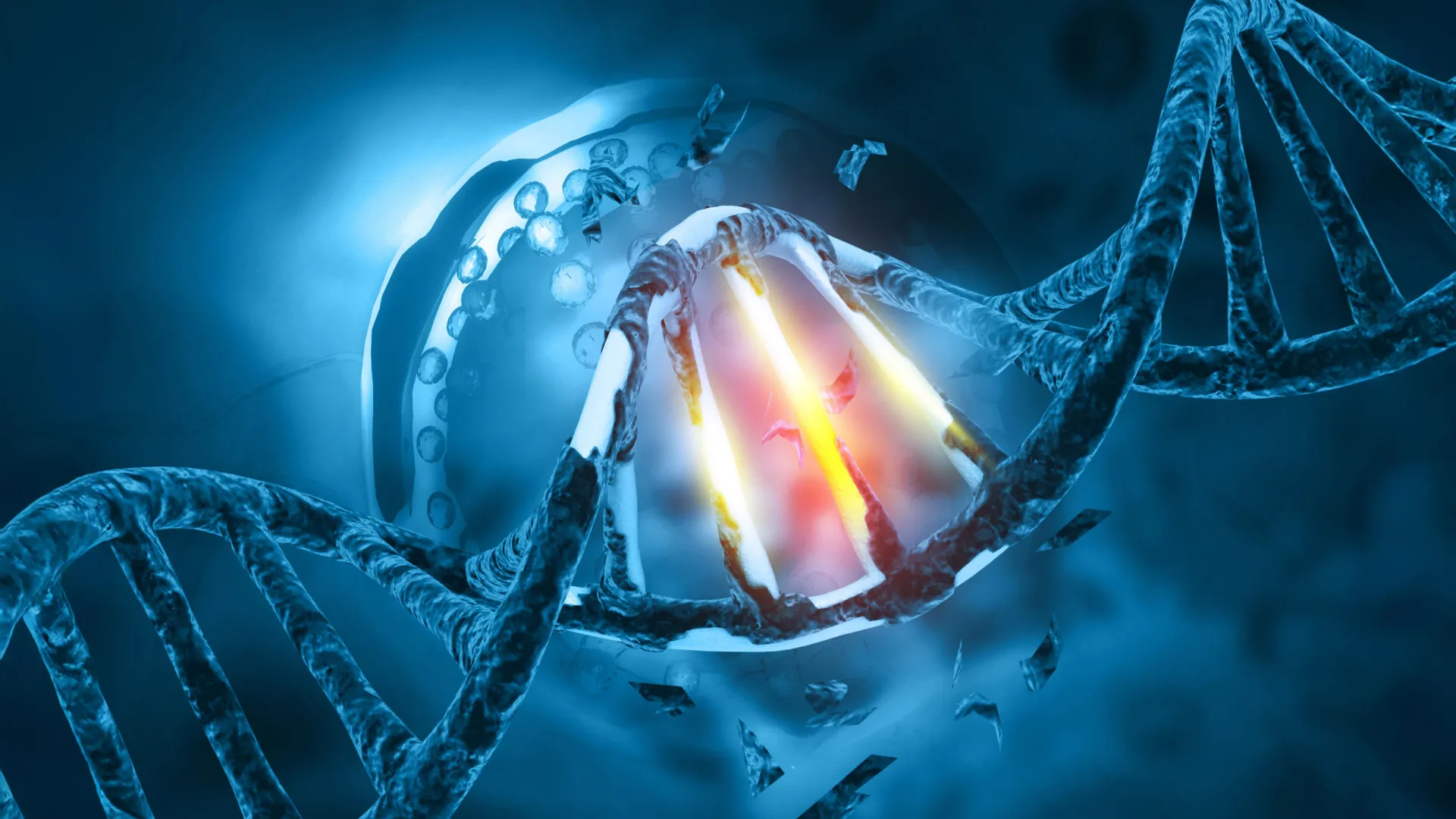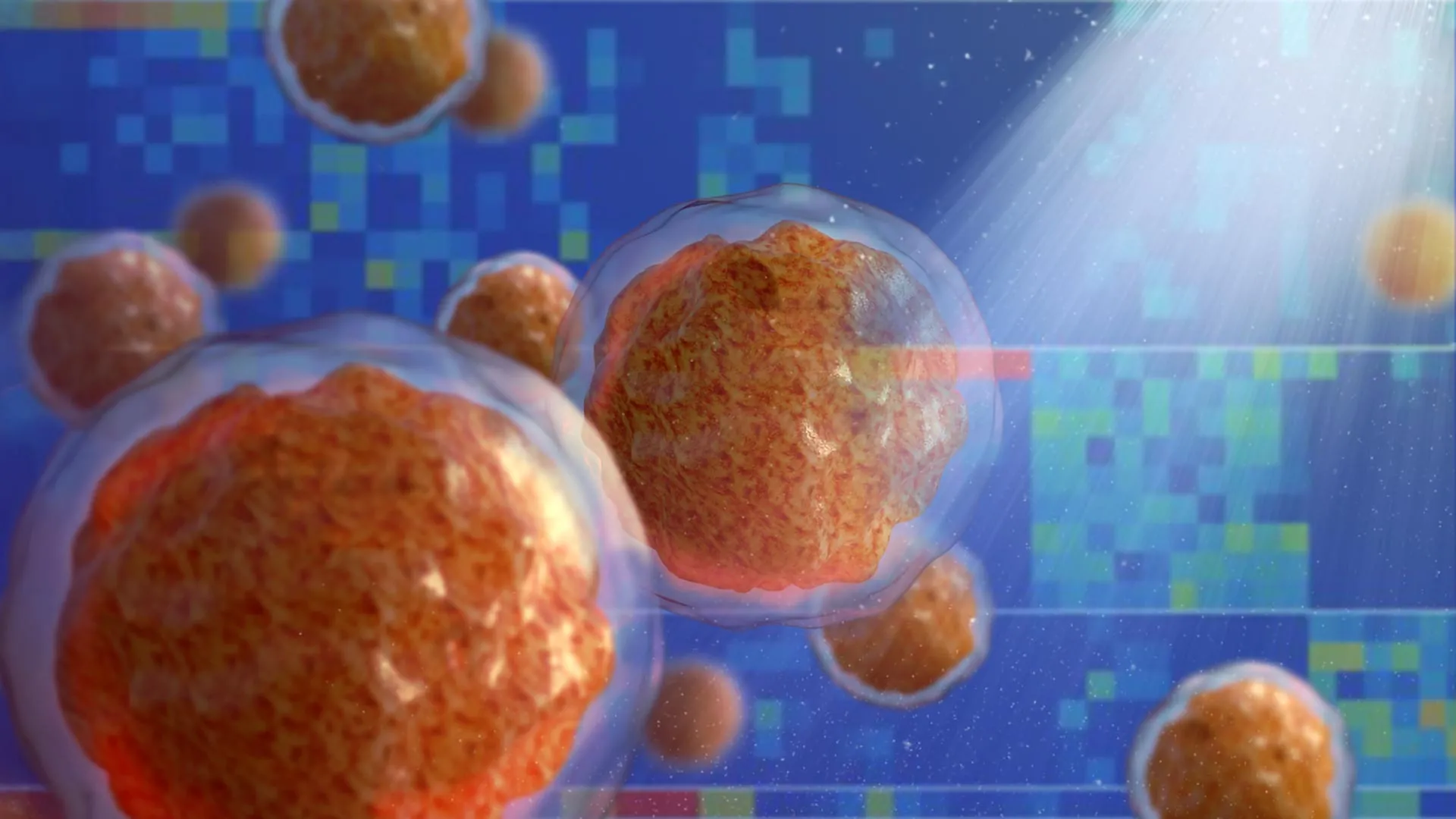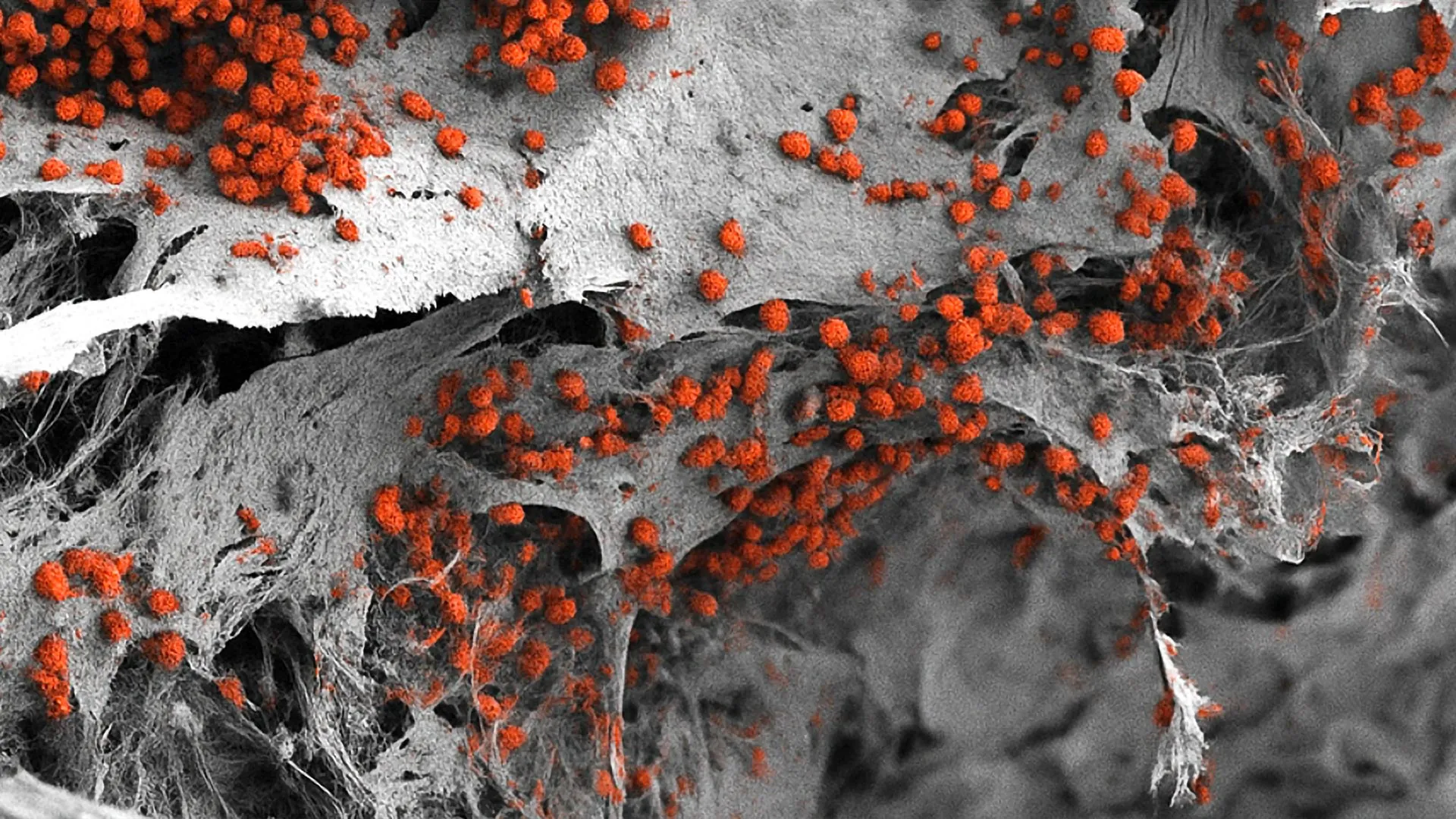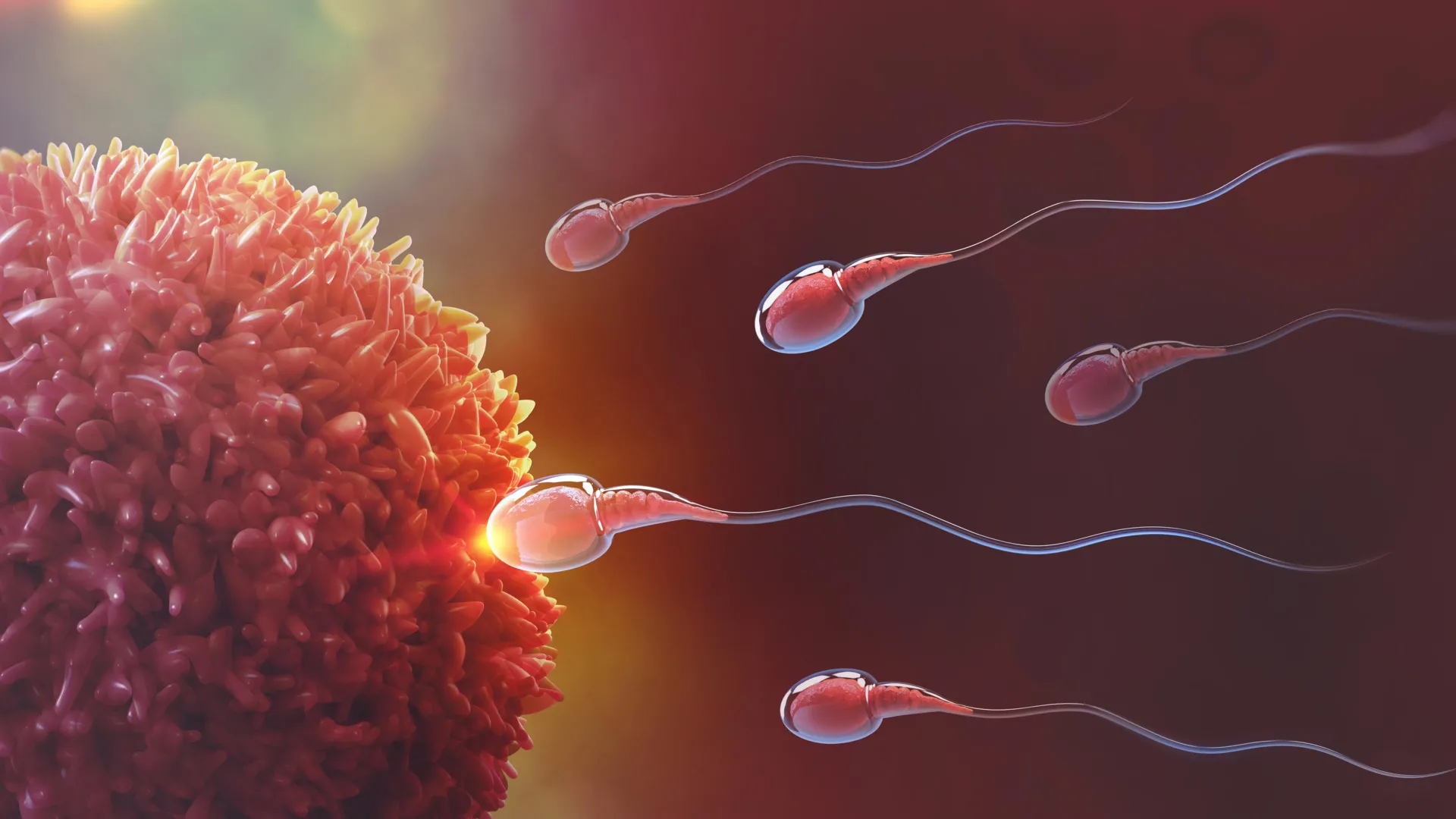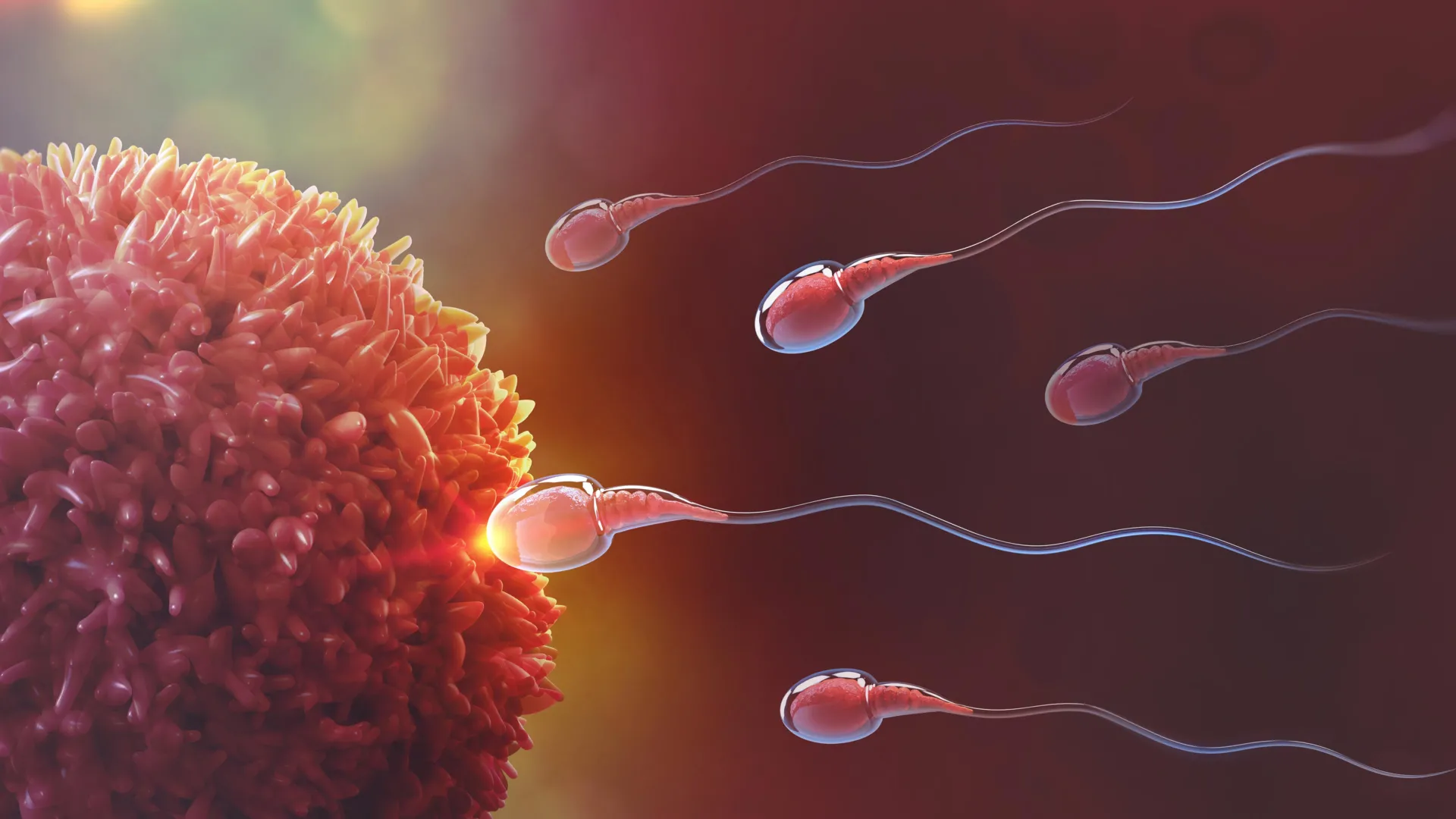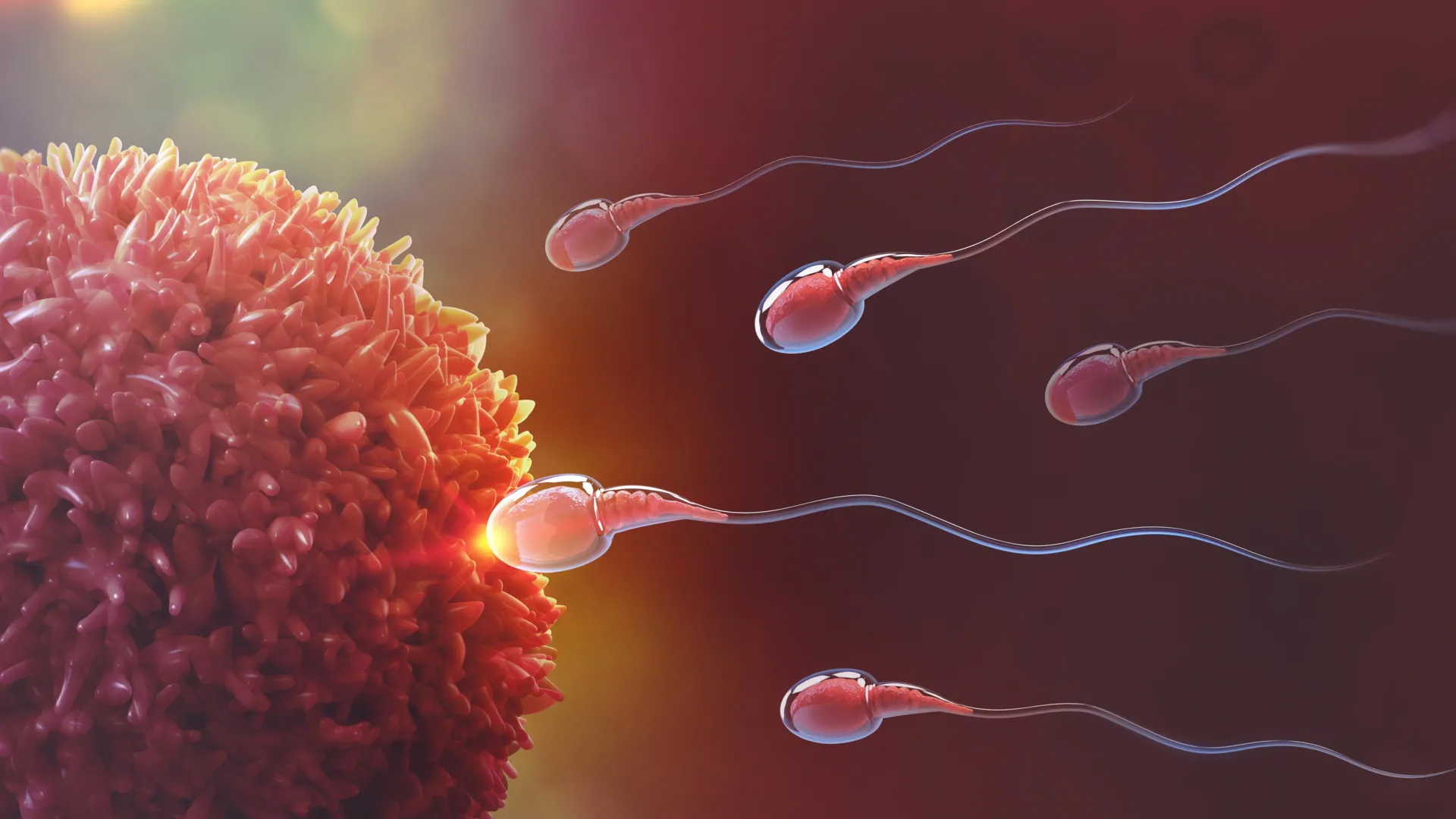
The quest for a male contraceptive that is safe, effective, and entirely reversible has long been described by the medical community as the "holy grail" of reproductive health. For decades, the burden of pregnancy prevention has fallen disproportionately on women, who have access to a wide array of hormonal and nonhormonal options, ranging from daily pills to long-acting intrauterine devices. In contrast, men have been limited to two primary choices: the single-use condom or the permanent surgical intervention of a vasectomy. However, a landmark study from Cornell University, published in the Proceedings of the National Academy of Sciences, marks a significant shift in this landscape. After six years of intensive research, scientists have demonstrated a proof-of-principle for a nonhormonal male contraceptive that targets the very machinery of sperm production, offering a path toward a long-acting, 100% effective, and fully reversible solution.
The Biological Frontier: Targeting Meiosis
The Cornell research team, led by Paula Cohen, a professor of genetics and the director of the Cornell Reproductive Sciences Center, focused their efforts on a specific biological process known as meiosis. Meiosis is the specialized form of cell division that produces gametes—sperm in males and eggs in females. Unlike mitosis, which creates identical daughter cells for tissue growth and repair, meiosis involves a complex shuffling of genetic material to ensure offspring have a unique genetic makeup.
By targeting meiosis, the researchers aimed to stop sperm production at its source. Specifically, they focused on a phase called prophase 1. During this stage, homologous chromosomes pair up and exchange genetic information. If this process is interrupted, the developing sperm cells cannot proceed further and are eventually reabsorbed by the body.
"We’re practically the only group that’s pushing the idea that contraception targets in the testis are a feasible way to stop sperm production," Cohen stated. The team’s approach is distinct because it avoids the hormonal pathways that have complicated previous attempts at male birth control. While hormonal methods for men often attempt to suppress testosterone to halt sperm production, they frequently result in side effects such as mood swings, weight gain, and changes in libido—issues that have mirrored the side effects experienced by women on the pill for decades. By focusing on the cellular mechanics of the testis rather than the endocrine system, the Cornell team hopes to bypass these systemic complications.
The Role of JQ1: From Cancer Research to Contraception
To achieve the temporary cessation of meiosis, the researchers utilized a small molecule inhibitor known as JQ1. Originally developed to study cancer and inflammatory diseases, JQ1 is known to target bromodomain proteins, which play a critical role in gene expression. In the context of the male reproductive system, JQ1 interferes with the bromodomain testis-specific protein (BRDT), which is essential for the progression of meiosis during prophase 1.
While JQ1 itself is not a candidate for a consumer drug due to its potential for neurological side effects and its lack of specificity in humans, its use in this study was vital as a proof-of-concept. It allowed the researchers to demonstrate that by inhibiting the right proteins at the right time, they could effectively shut down the "assembly line" of sperm production.
The study found that JQ1 works by disrupting the way chromosomes behave during prophase 1. This disruption causes the developing cells to undergo programmed cell death (apoptosis) before they can ever become viable sperm. Furthermore, JQ1 blocks the gene activity required for the later stages of sperm development, ensuring a multi-layered failure of the reproductive process during the treatment period.
A Chronology of the Six-Year Mouse Study
The path to these findings was a meticulous six-year journey involving extensive trials on mouse models. The researchers chose mice because their meiotic processes are remarkably similar to those of humans, providing a reliable proxy for how such a drug might behave in the human body.
The study followed a strict chronological protocol:
- Administration Phase: Male mice were administered JQ1 over a period of three weeks. During this window, researchers monitored the mice for physiological changes and sperm count.
- Observation of Infertility: Within the three-week window, sperm production stopped entirely. Microscopic analysis of the testes confirmed that the meiotic process had been successfully halted at prophase 1, and no mature sperm were being produced or stored.
- Cessation of Treatment: Once the three-week period ended, the administration of JQ1 was stopped to observe the potential for recovery.
- The Recovery Window: Researchers observed that the effects of the molecule were not permanent. Within six weeks of stopping the treatment, the normal meiotic processes began to resume.
- Fertility Restoration: By the end of the recovery period, the mice were producing healthy, motile sperm in quantities equivalent to the control group.
- Offspring Verification: To ensure the safety of the method, the recovered mice were bred with females. The resulting offspring were born healthy, showed no genetic abnormalities, and were themselves capable of reproducing normally when they reached maturity.
"Our study shows that mostly we recover normal meiosis and complete sperm function, and more importantly, that the offspring are completely normal," Cohen noted, emphasizing that the reversibility did not come at the cost of genetic integrity.
Addressing the "Stem Cell" Safety Net
One of the most critical aspects of the Cornell study was the preservation of spermatogonial stem cells. These are the "factory" cells in the testes that continuously produce new batches of sperm throughout a man’s life.
Many previous attempts at nonhormonal contraception were abandoned because they risked damaging these stem cells. If the stem cells are destroyed, the infertility becomes permanent—effectively a chemical vasectomy. Cohen and her team specifically targeted the cells that had already begun the transition into meiosis, leaving the underlying stem cell population untouched.
"We didn’t want to impact the spermatogonial stem cells, because if you kill those, a man will never become fertile again," Cohen explained. By intervening only after the cells had committed to becoming sperm, but before they reached the stage of "spermiogenesis" (where viable sperm could potentially "leak out" and cause an unplanned pregnancy), the team found a biological "sweet spot" for contraception.
The Socioeconomic Context: Why Men Need More Options
The demand for a male contraceptive has reached a fever pitch in recent years, driven by shifting social norms and a growing desire for reproductive equity. Currently, the global contraceptive market is dominated by female-oriented products, a legacy of the 1960s when the first birth control pills were released.
Data from reproductive health organizations suggests that nearly 50% of pregnancies worldwide are unintended. While female contraception is highly effective, it is not always accessible or medically suitable for every woman. Furthermore, surveys of men in various demographic groups indicate a high level of willingness to take personal responsibility for contraception, provided the method is reliable and reversible.
Vasectomies, while highly effective, carry a psychological and physical barrier for many men. Although the procedure can sometimes be reversed through a complex surgery called a vasovasostomy, the success rates for restoring fertility drop significantly as time passes. A nonhormonal, drug-based alternative would eliminate the need for surgery while providing the same level of confidence in pregnancy prevention.
Future Implications: Injections, Patches, and the Road to Human Trials
The transition from a mouse study to a human-ready pharmaceutical is a process that typically takes years of clinical trials and regulatory scrutiny. However, the Cornell study provides the blueprint for what that future product might look like.
According to Cohen, a future male contraceptive based on these findings would likely not be a daily pill. Because the meiotic process takes time to halt and time to recover, the delivery method would need to be long-acting.
"If developed for human use, this type of male contraceptive could be delivered as an injection given every three months or possibly as a patch to maintain effectiveness," Cohen suggested. This "set it and forget it" model mirrors the success of long-acting reversible contraceptives (LARCs) for women, such as the Depo-Provera shot or hormonal implants.
The next steps for the research team involve identifying a molecule that acts like JQ1 but is specifically tailored for the human BRDT protein, without the off-target effects on the brain or other tissues. The discovery of such a compound would trigger Phase I clinical trials to test for safety in humans.
Analysis of Global Impact
The implications of a 100% effective, reversible male contraceptive extend beyond individual family planning. On a public health level, it could significantly reduce the rate of unintended pregnancies and the associated maternal mortality risks. From an economic perspective, the introduction of a new class of male contraceptives represents a multi-billion dollar opportunity for the pharmaceutical industry, which has largely remained on the sidelines of male contraceptive development for decades due to perceived risks and lack of clear targets.
By successfully demonstrating that meiosis can be paused and restarted without long-term harm, the Cornell University team has provided more than just a scientific breakthrough; they have provided a proof of concept for a more equitable future in reproductive health. While the "holy grail" is not yet on pharmacy shelves, the path to reaching it has never been clearer.